
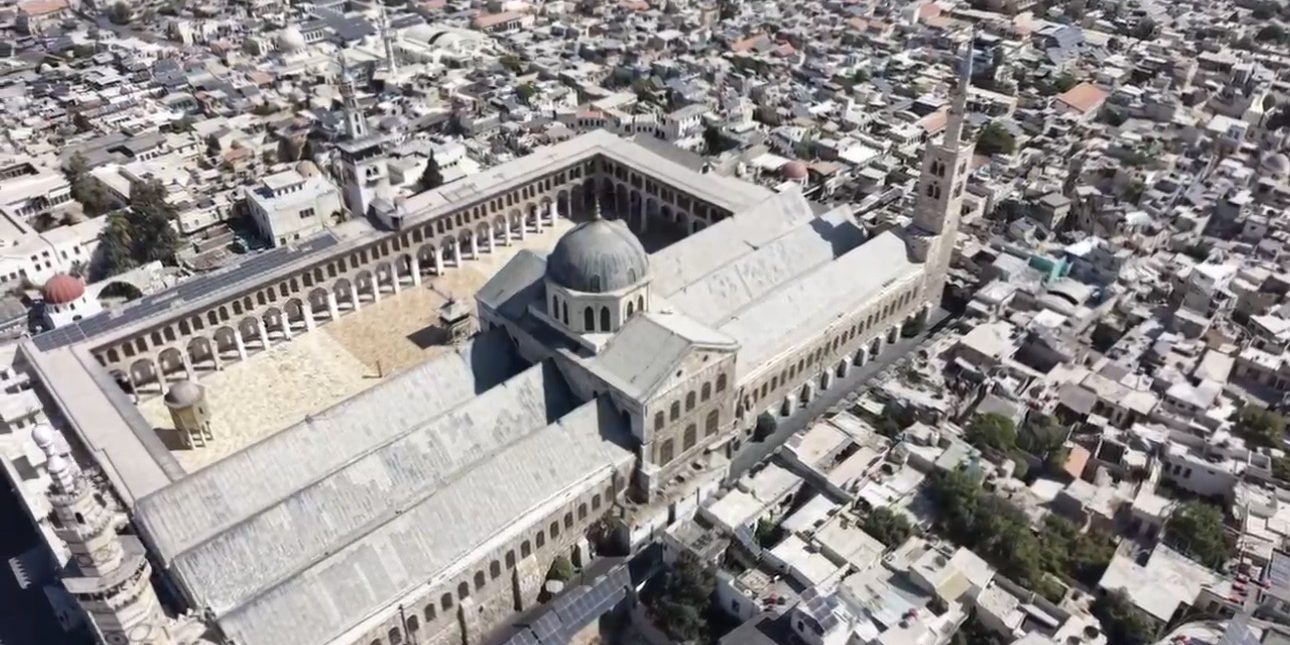
The Umayyad Mosque of Damascus
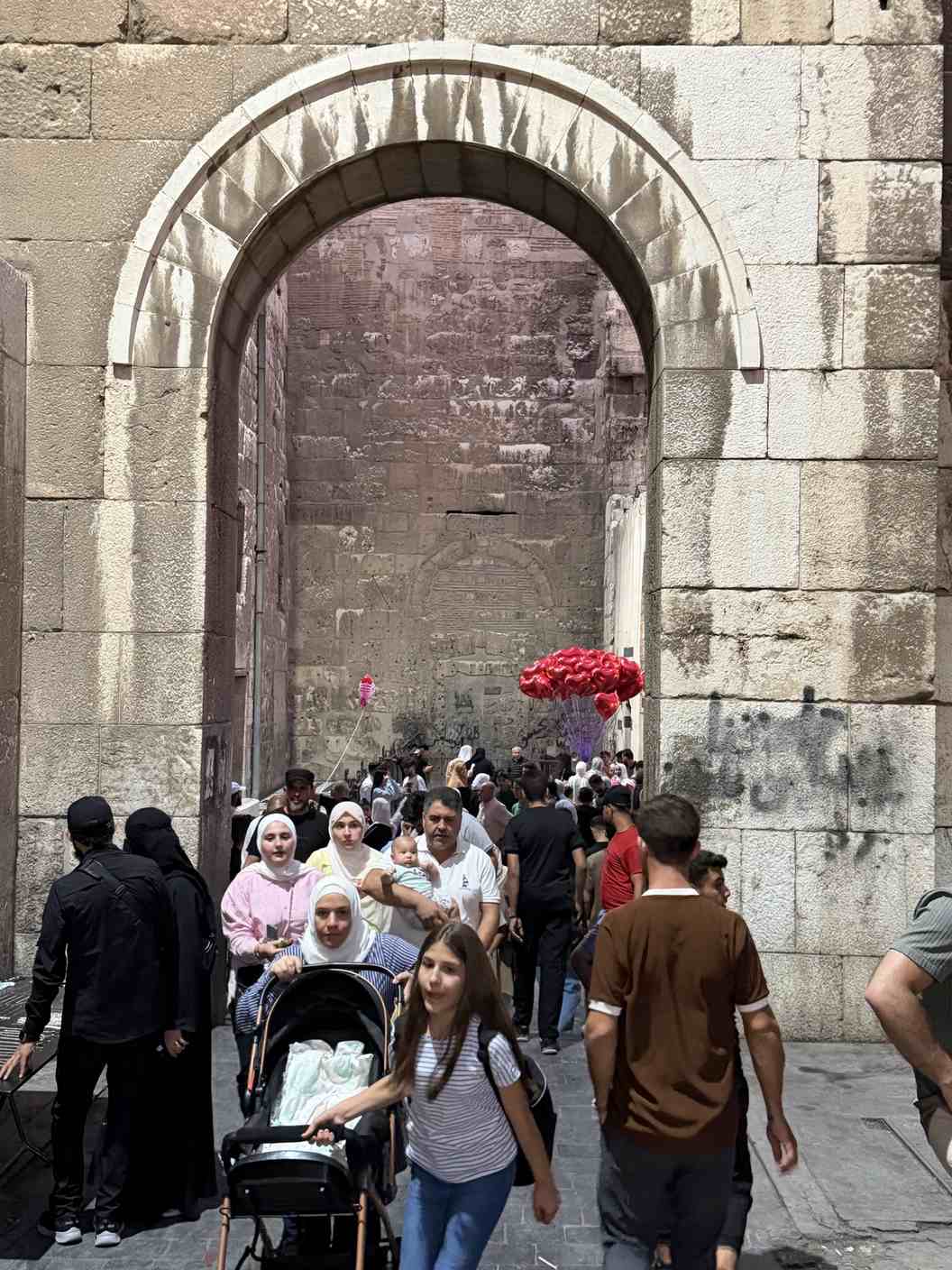
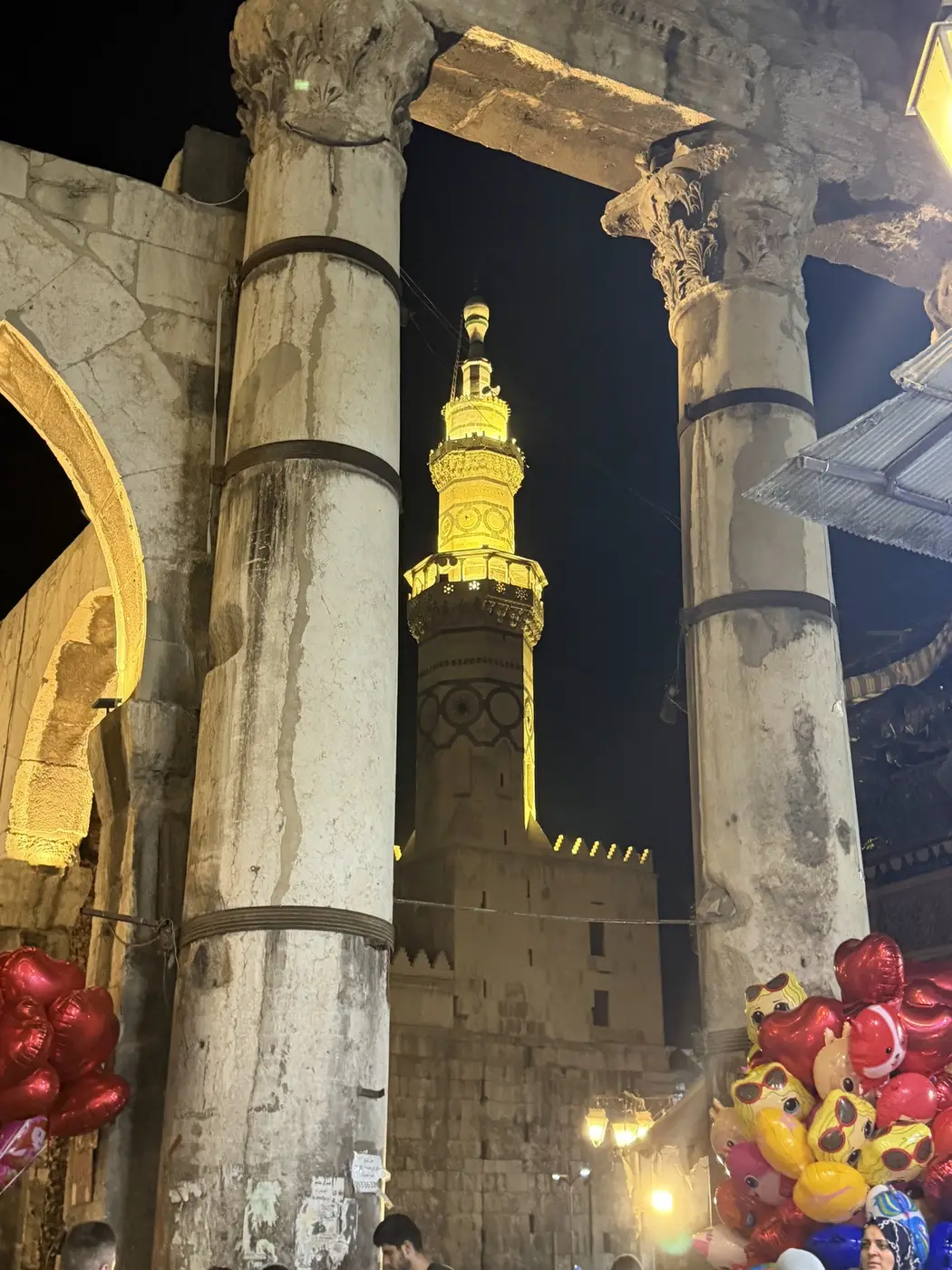
In Old Damascus, the Umayyad Mosque is not set apart from everyday life. Its entrances open near markets, narrow streets and familiar meeting places. This relationship between monument and living city is one of the reasons a visit feels so different from touring an isolated archaeological site.
To understand this landmark, it is worth looking beyond its best-known photograph. The story lies equally in the people who made it, the landscape that shaped it and the ways its meaning has changed.
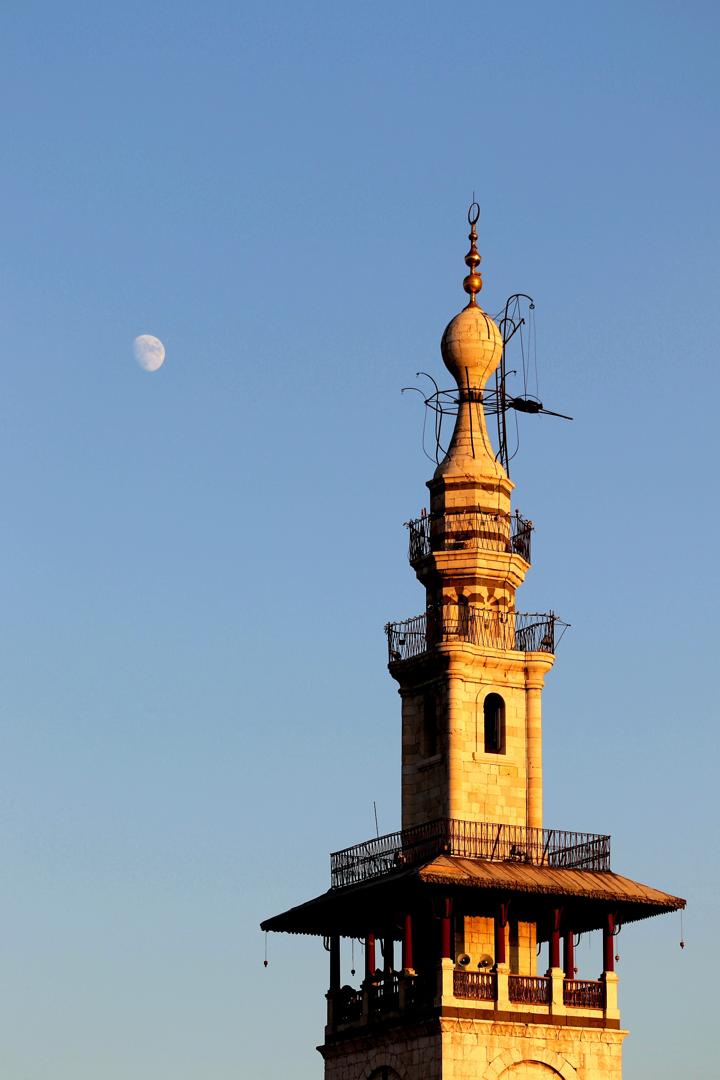
At a Glance
The Heart of an Ancient City
In Old Damascus, the Umayyad Mosque is not set apart from everyday life. Its entrances open near markets, narrow streets and familiar meeting places. This relationship between monument and living city is one of the reasons a visit feels so different from touring an isolated archaeological site.
Damascus has been inhabited through many eras, and the mosque occupies a site whose religious importance predates Islam. Earlier sanctuaries and a Roman temple complex were followed by Christian worship before the great mosque took its Umayyad form.
These historical layers are not a simple sequence of buildings that remain intact underneath each other. The complex was rebuilt and transformed, while the surrounding urban fabric also continued to change.


A Monument for an Umayyad Capital
Caliph al-Walid I oversaw the creation of the great mosque in the early eighth century, when Damascus was the capital of the Umayyad Caliphate. The project expressed religious ambition, political stature and the craft traditions available to a great urban centre.
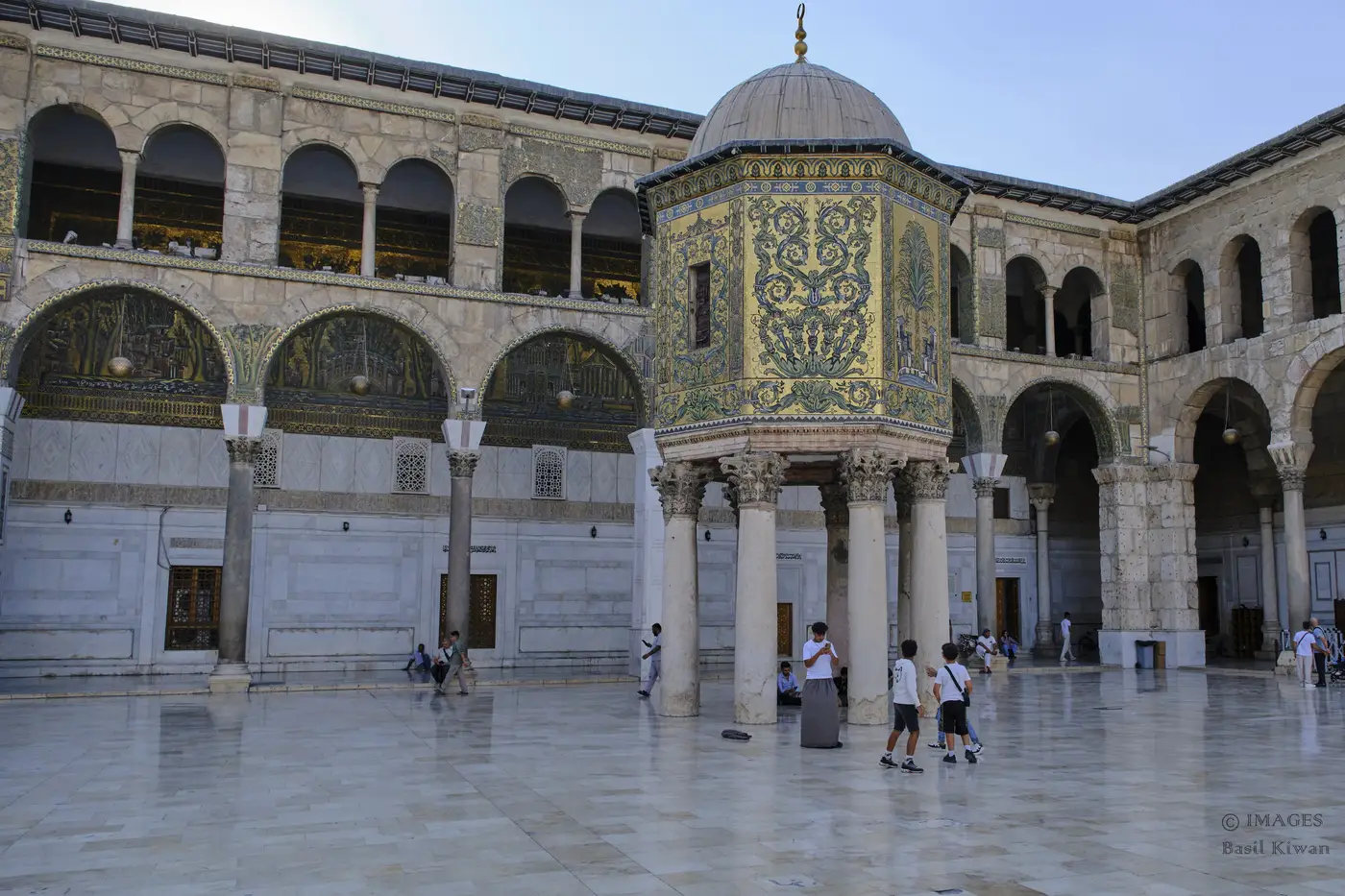
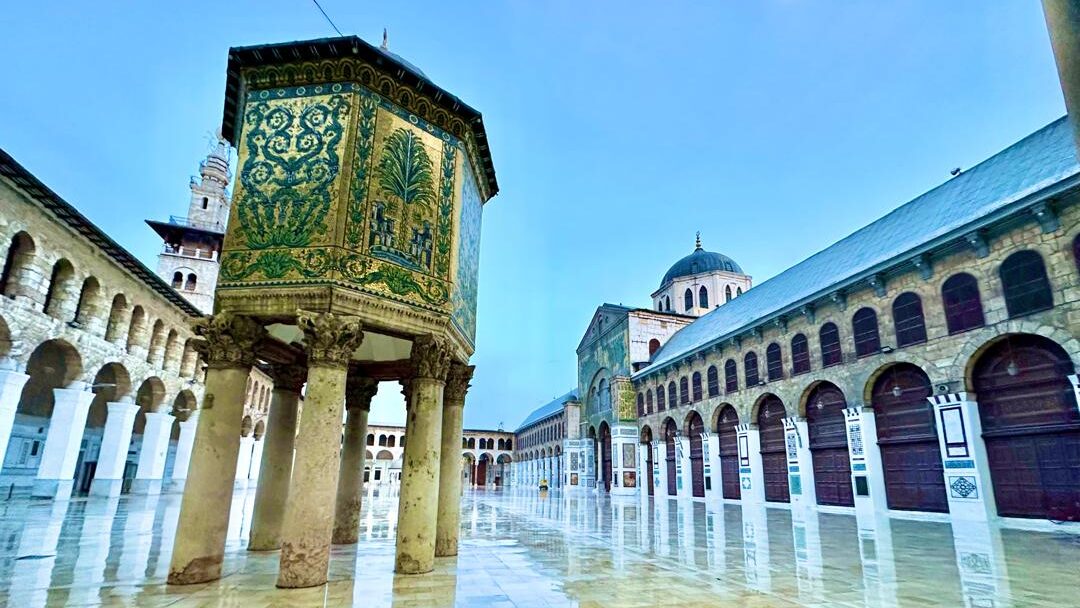
Its large prayer hall and monumental courtyard provided space for communal worship, but the building also helped establish a powerful model for later Islamic architecture. UNESCO recognises it as one of the outstanding achievements of the Ancient City of Damascus.
The building known today is not entirely unchanged from that period. Fires, repairs and rebuilding across centuries shaped its present appearance, leaving an extraordinary continuity of purpose alongside changes in fabric.

Courtyard, Arches and Mosaics
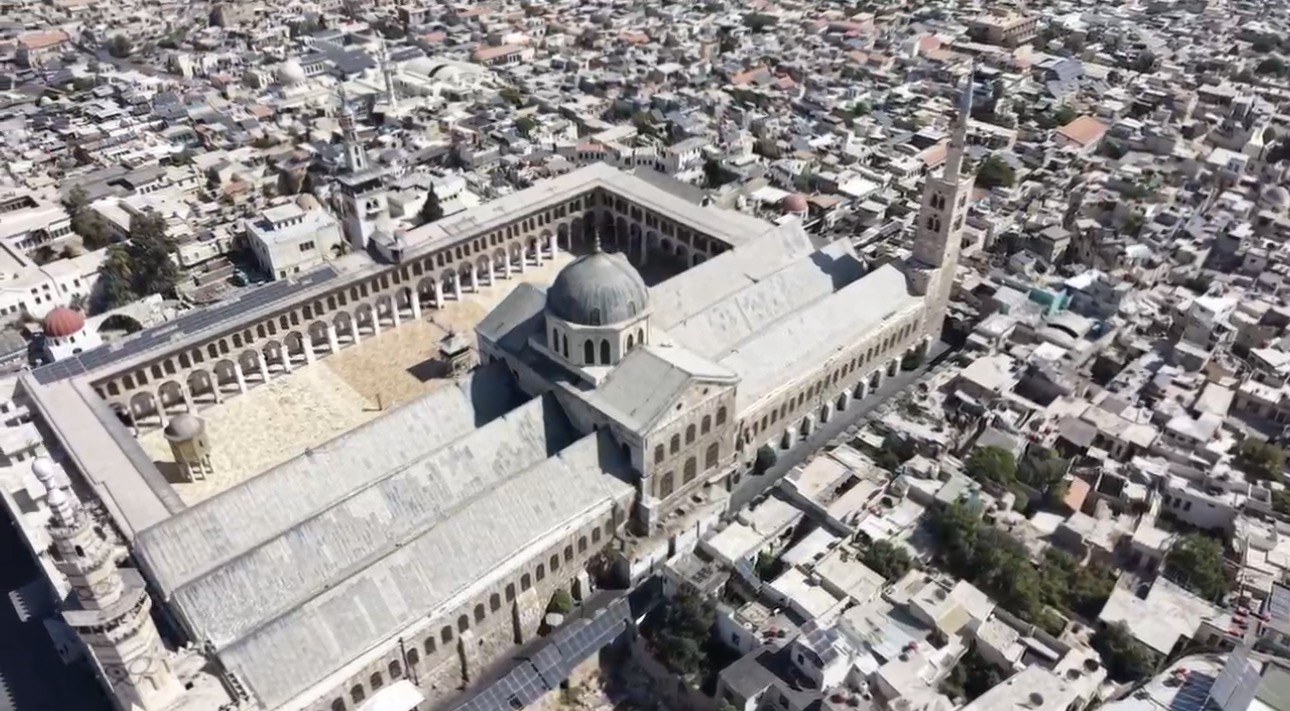
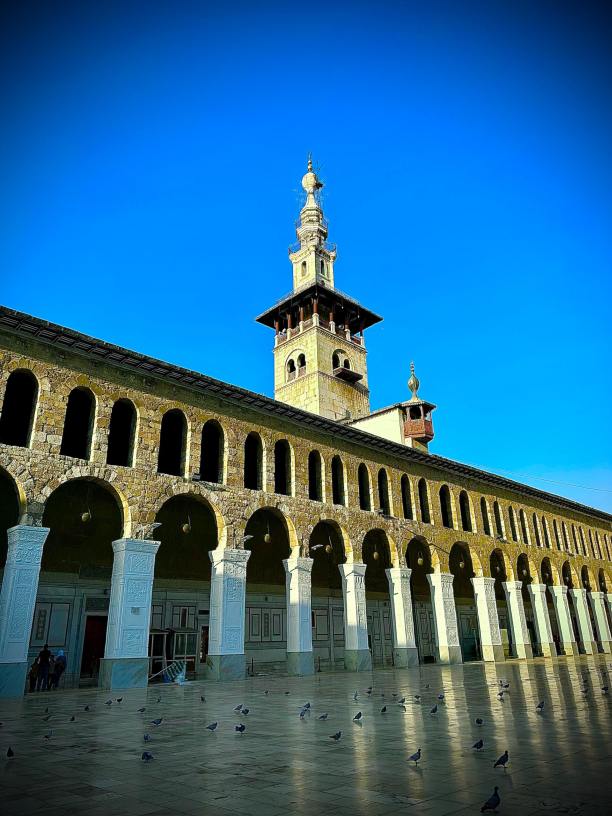
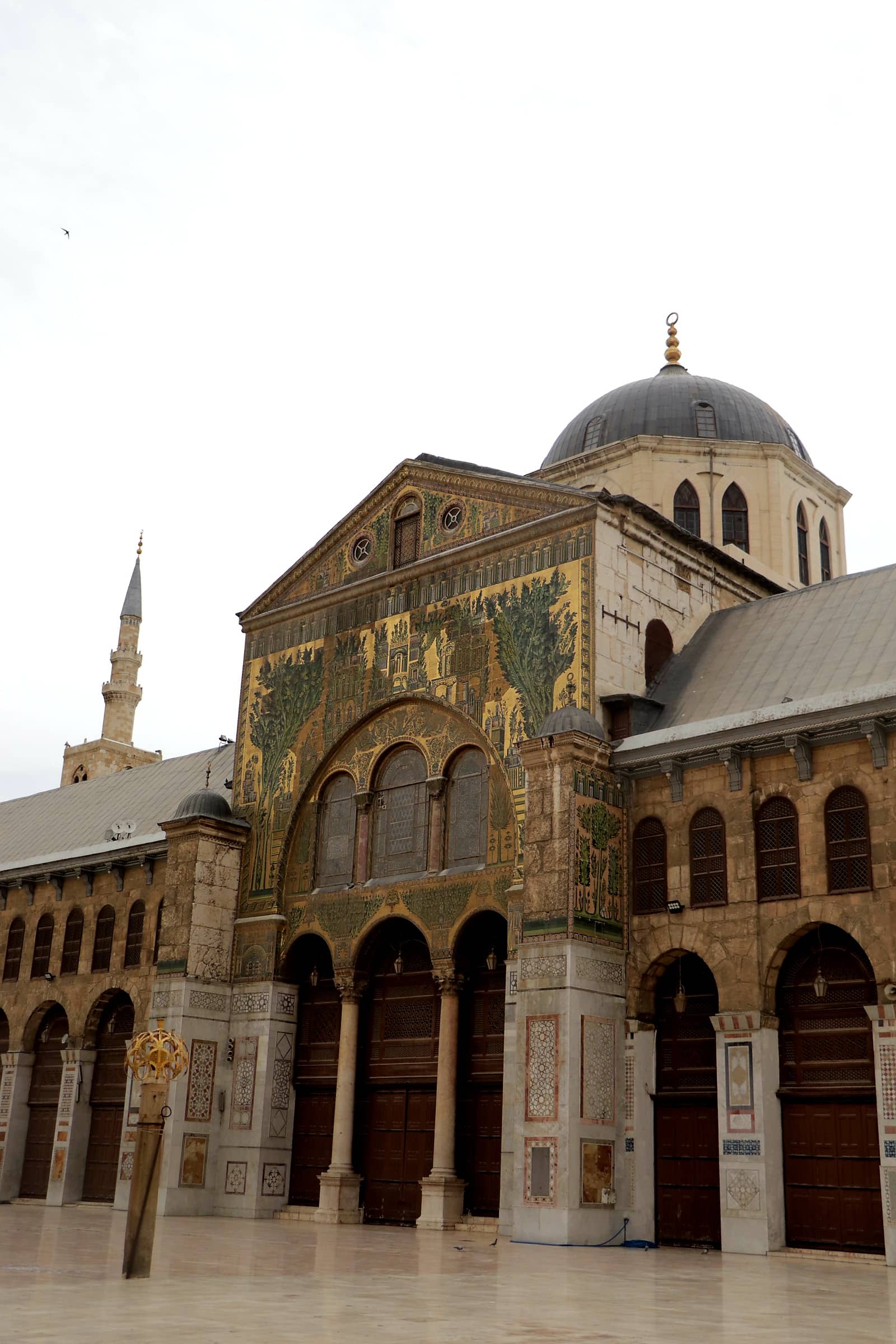
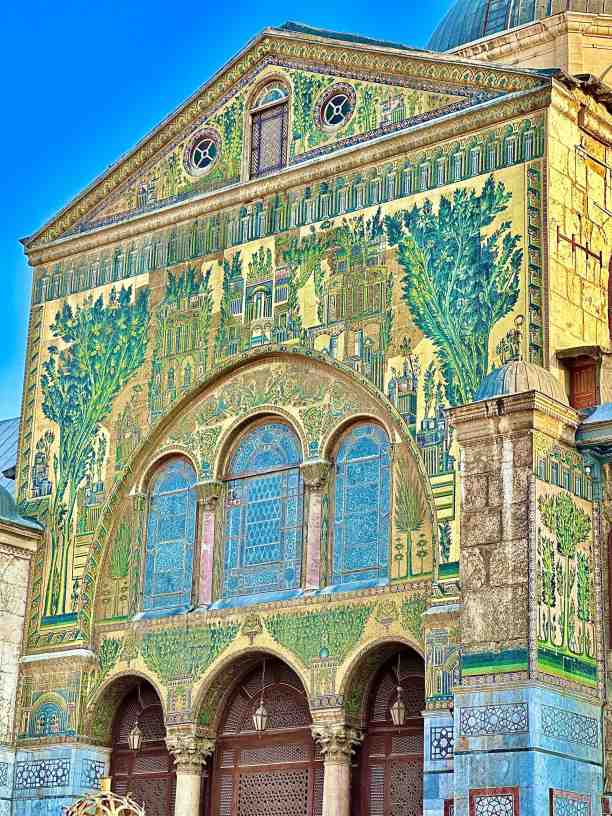
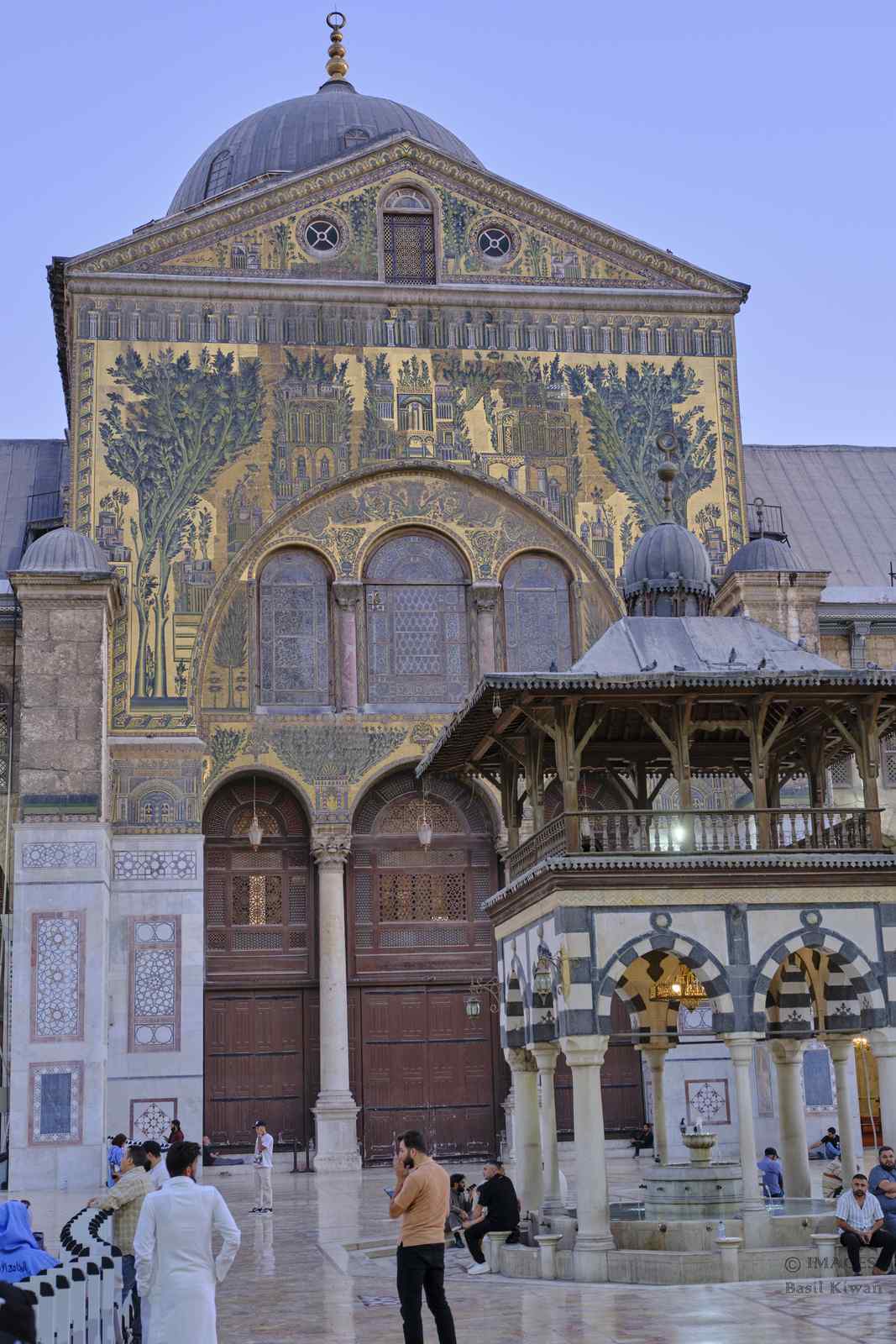
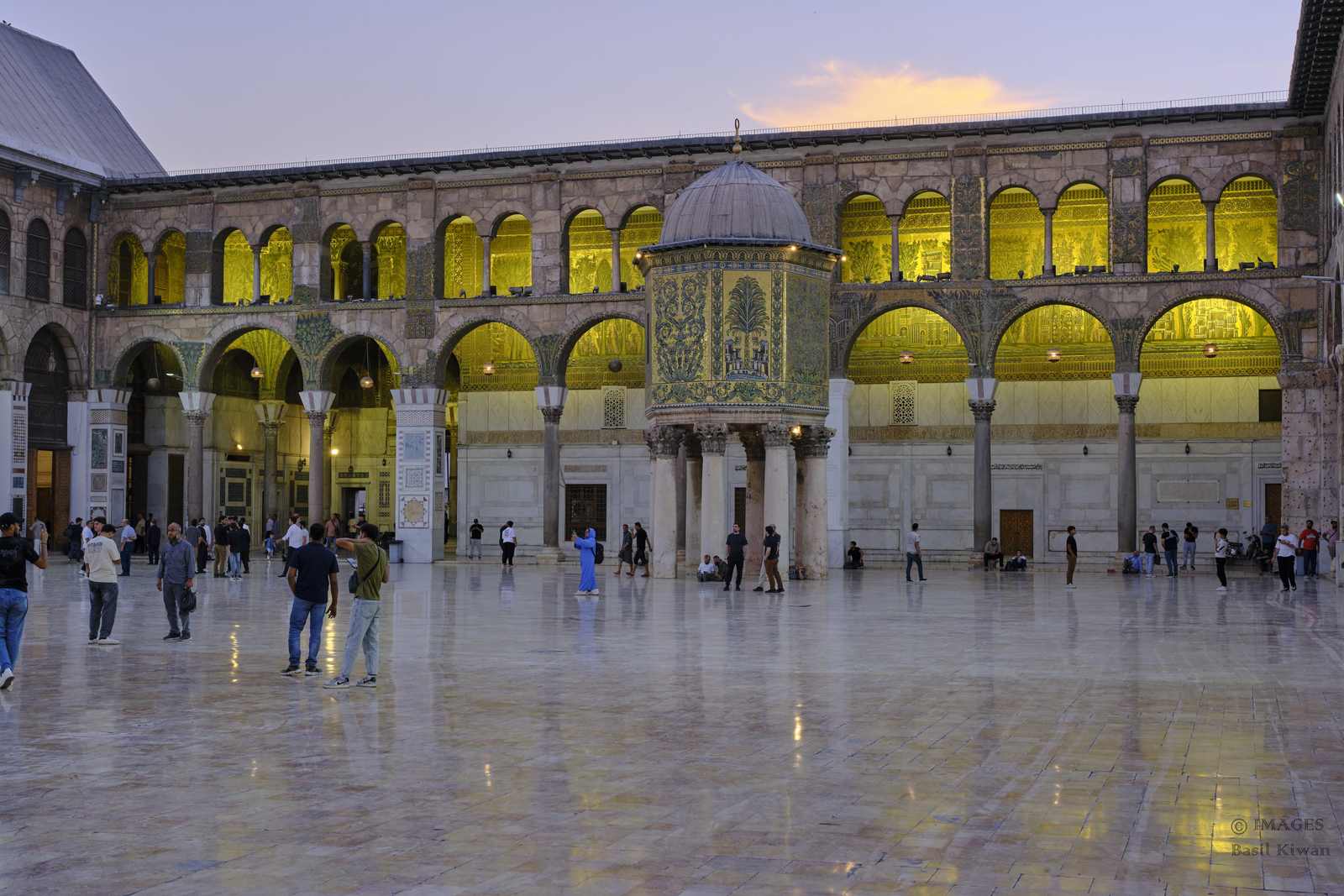
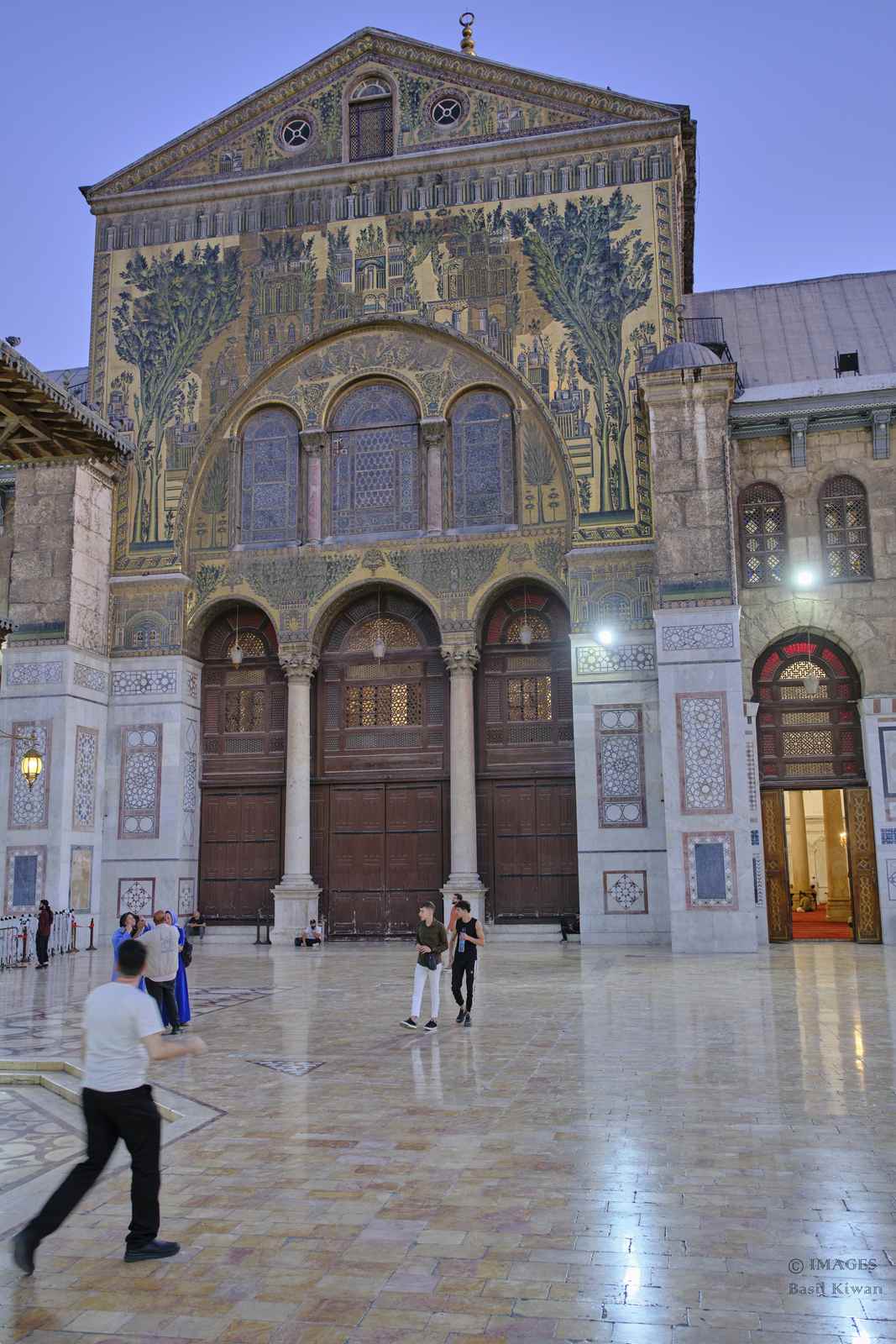
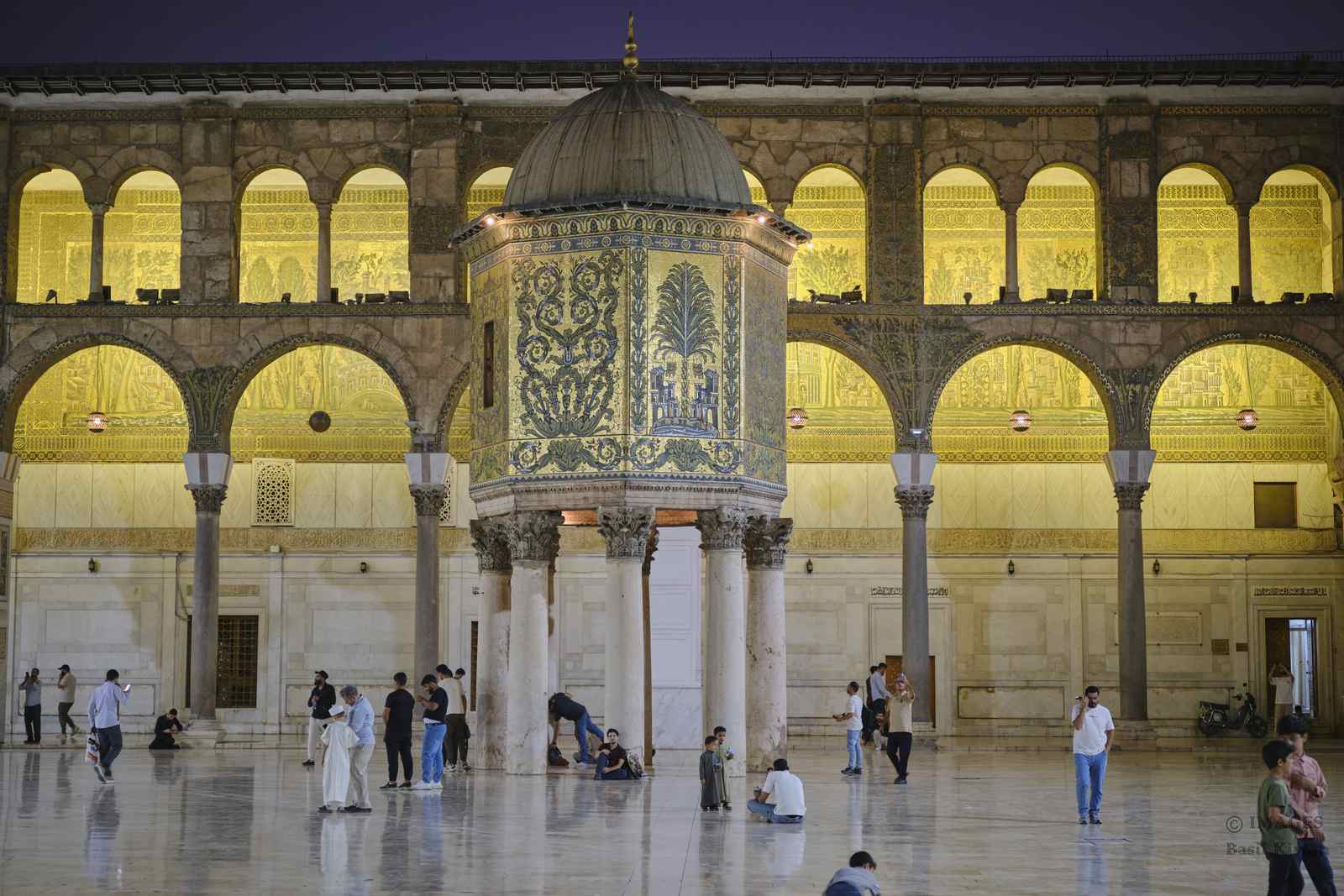
The courtyard reveals the scale of the mosque before any explanation begins. Its open stone surface is framed by arcades and façades, encouraging the eye to travel between architectural details, entrances and the minarets above.
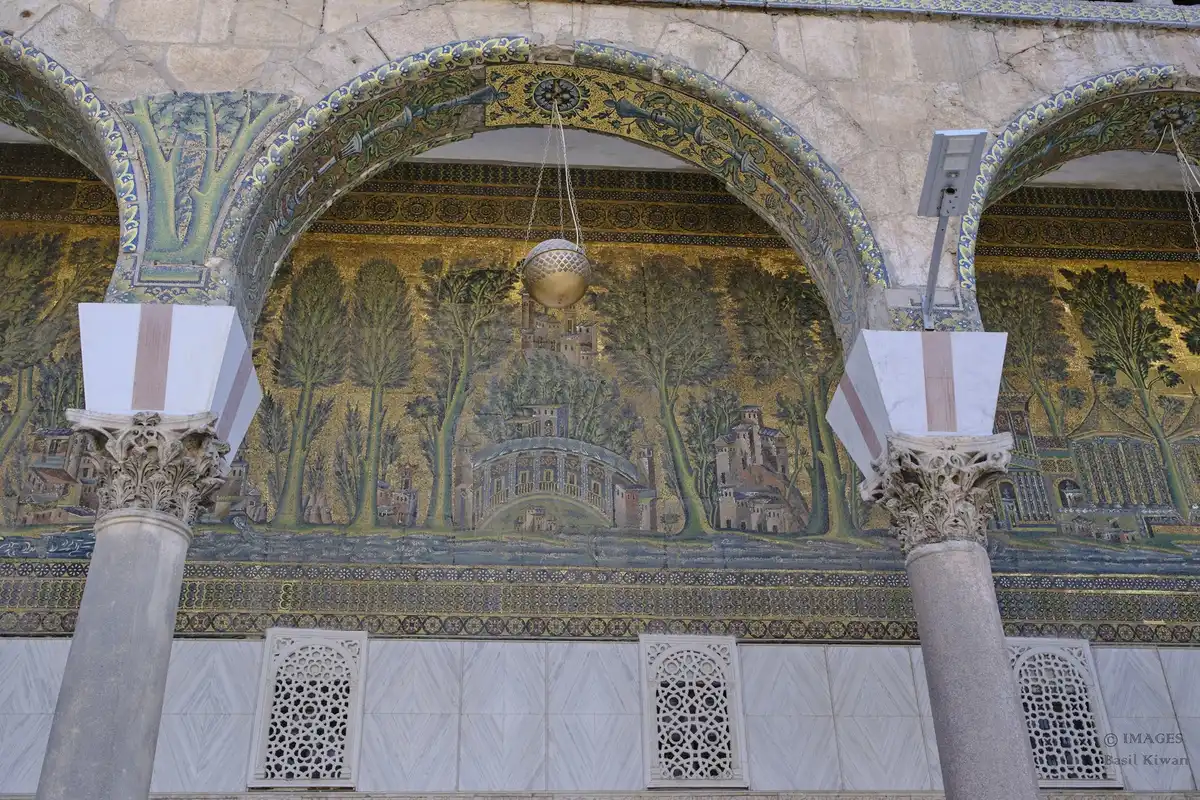
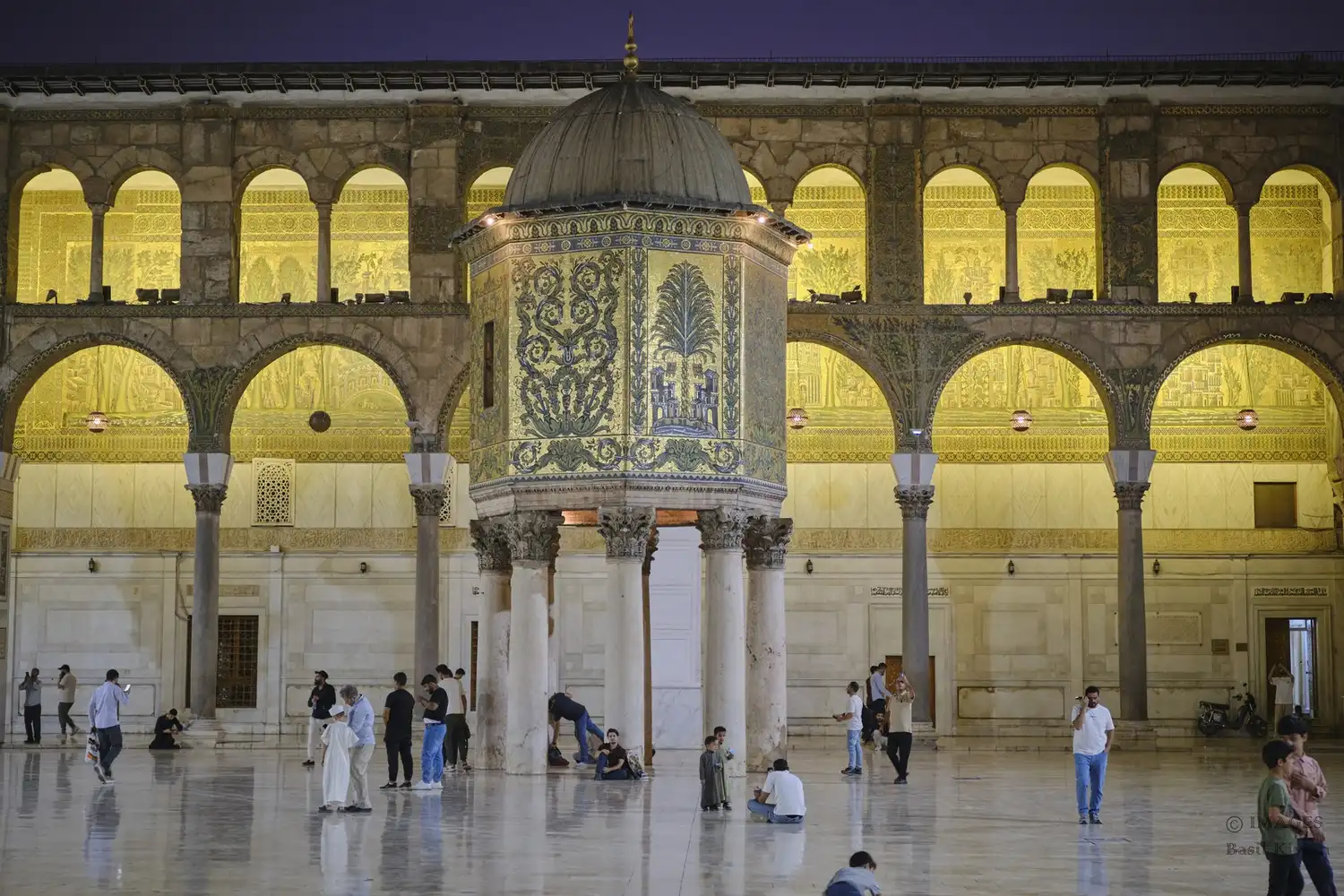
Look particularly closely at the mosaics. Their gold tones, landscapes and architectural imagery reward slow observation. Moving even a short distance can change the way light falls across their surfaces.
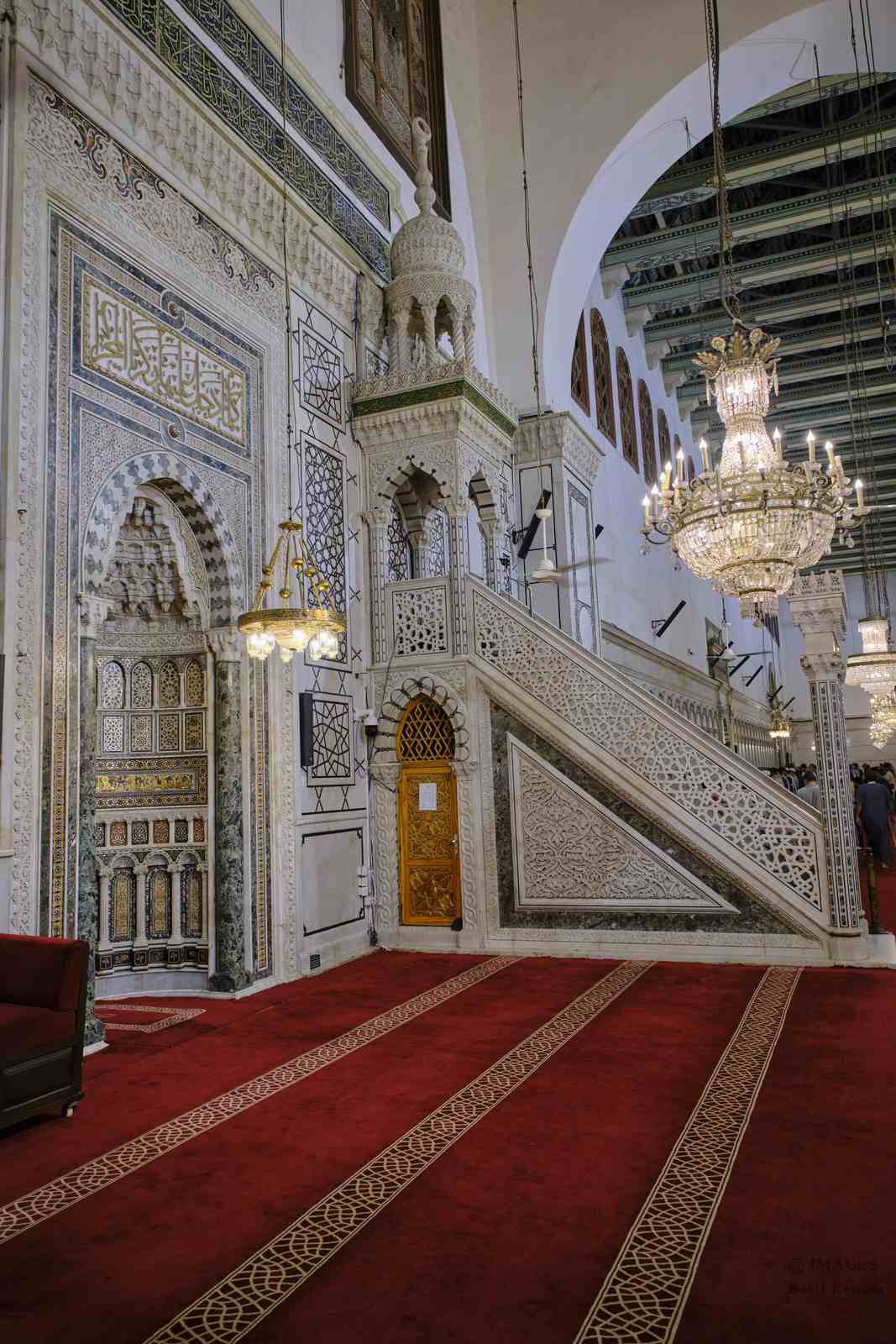
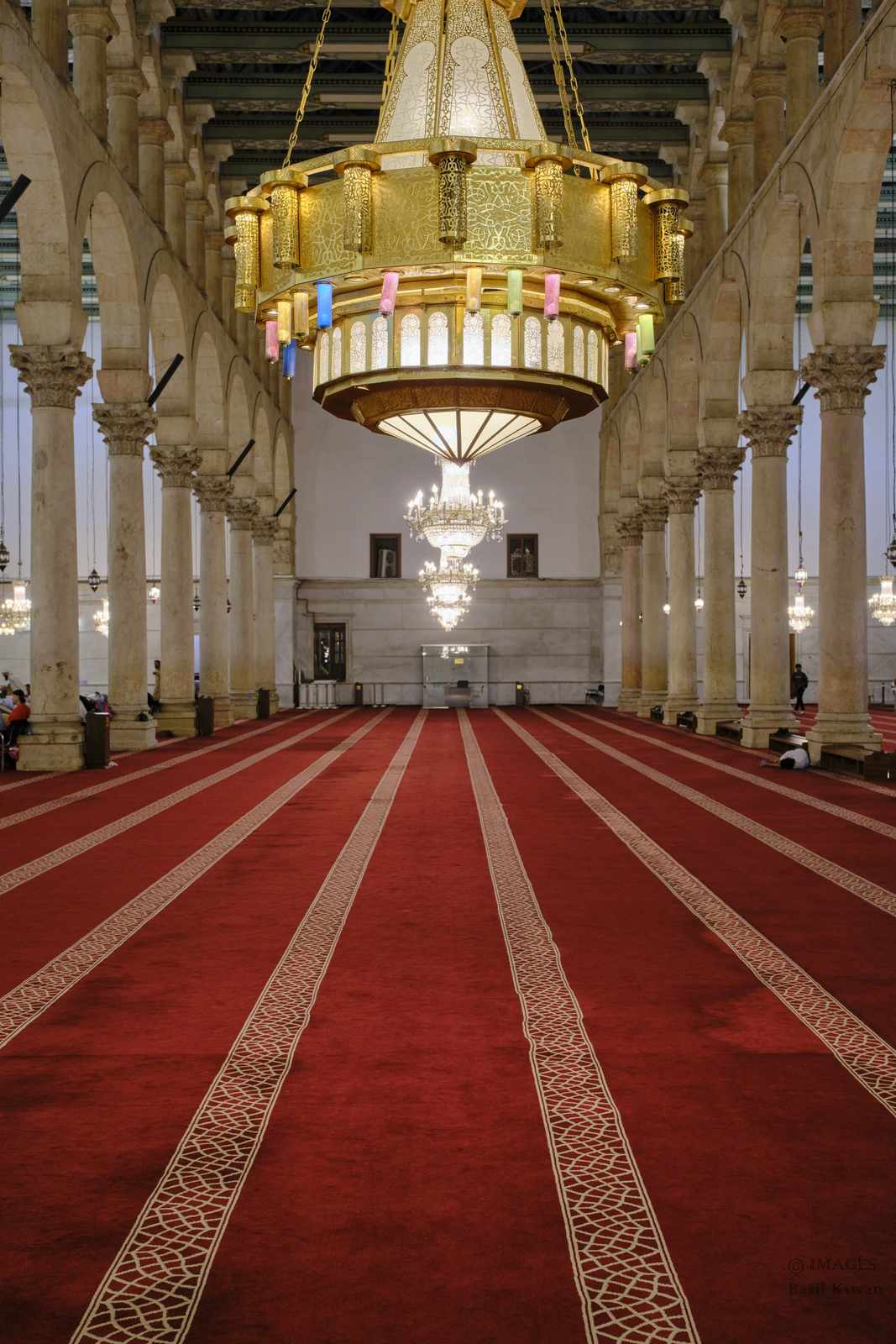
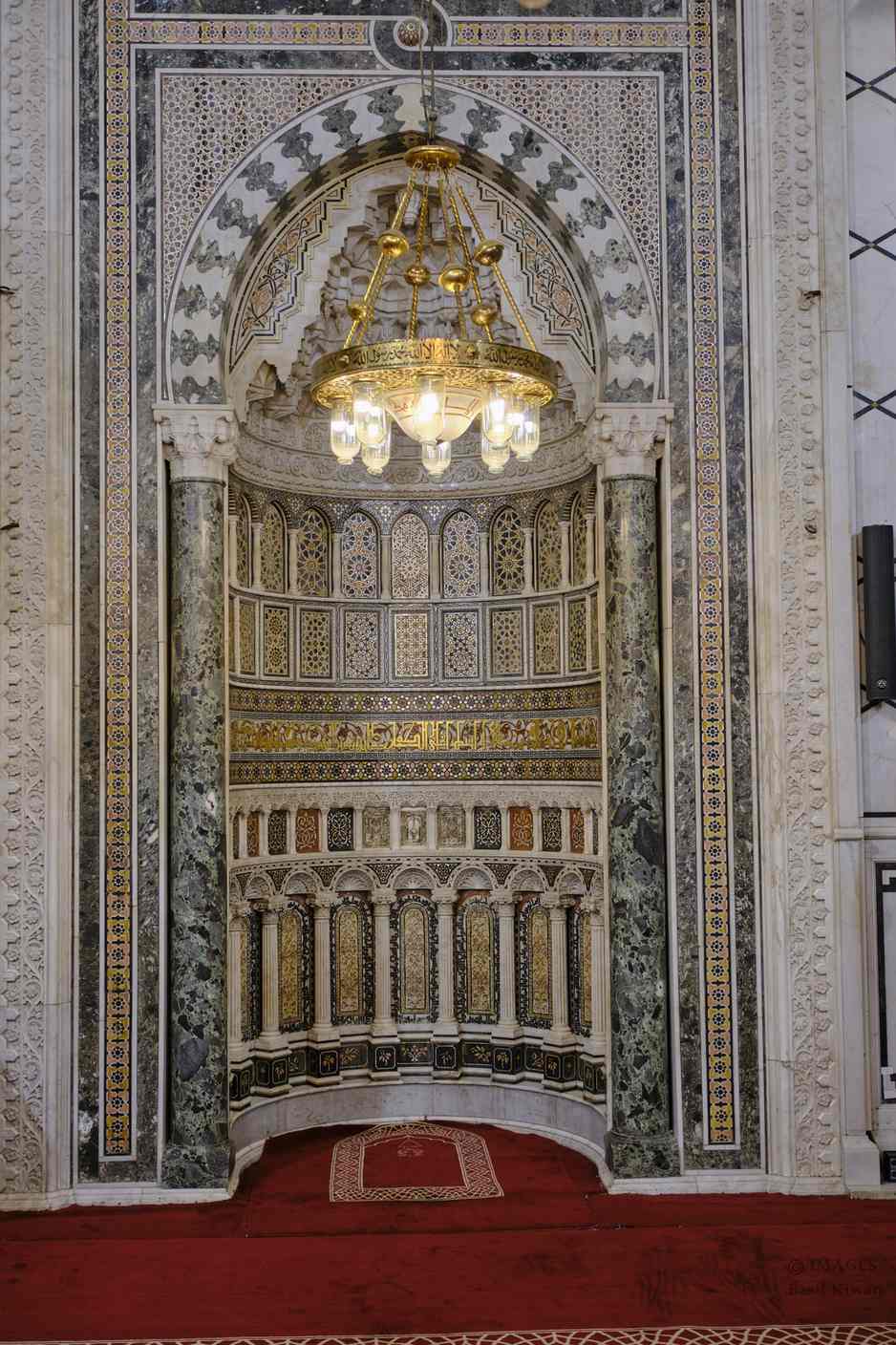
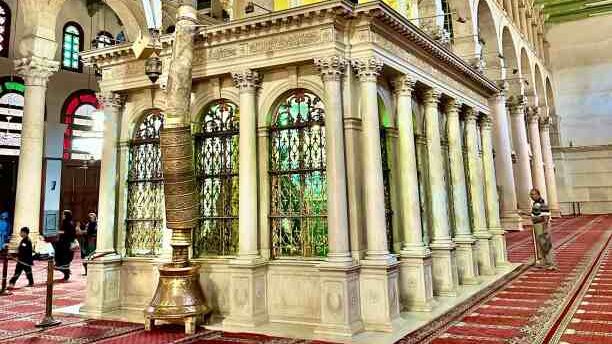
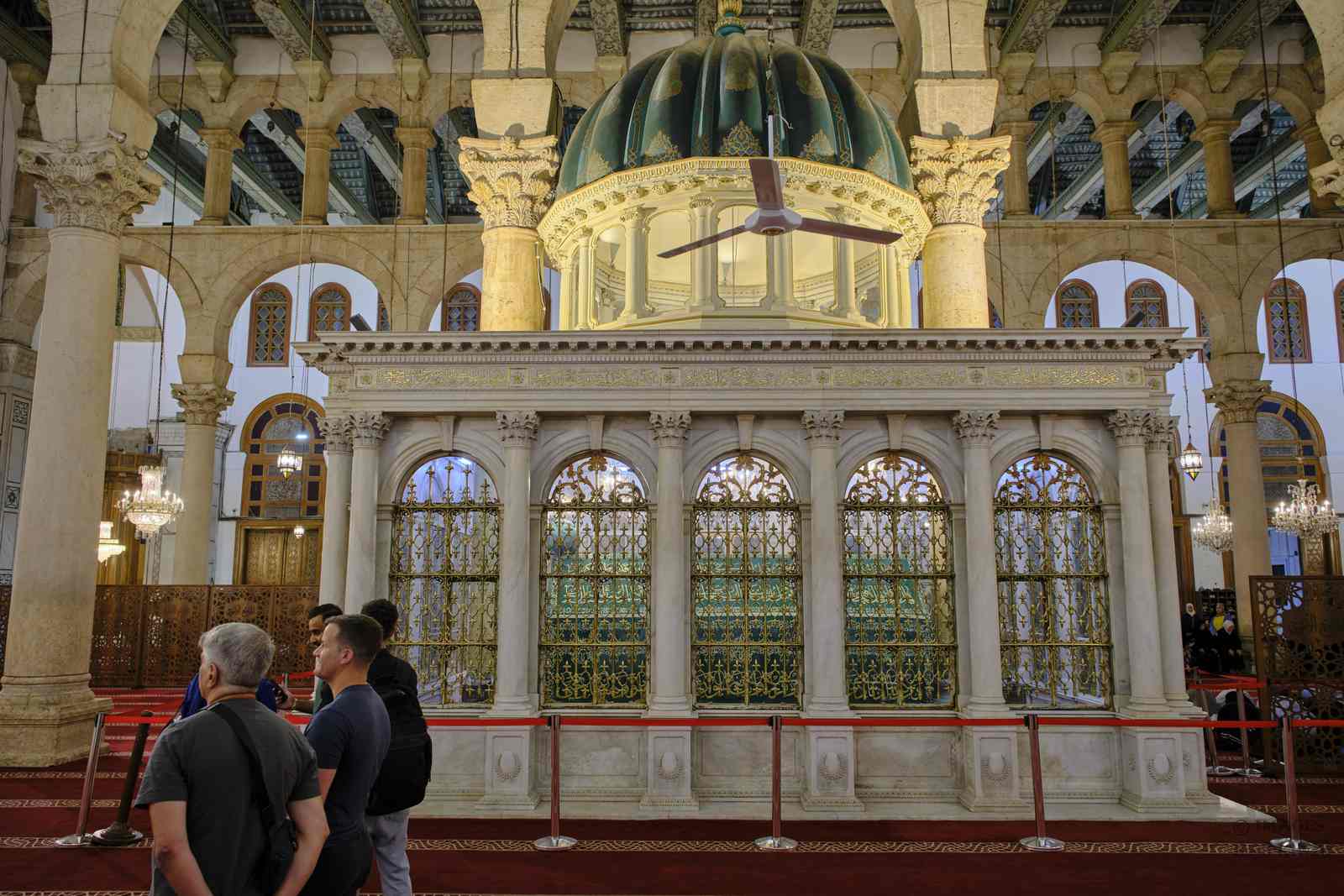
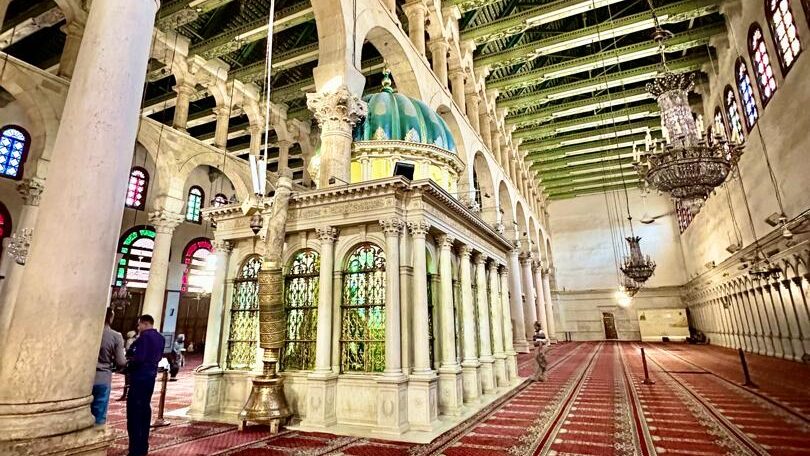
Inside the prayer hall, the monument’s religious purpose becomes especially clear. The shrine associated with the Prophet Yahya, John the Baptist in Christian tradition, adds another layer of significance for visitors from different backgrounds.
A Place That Continues to Live
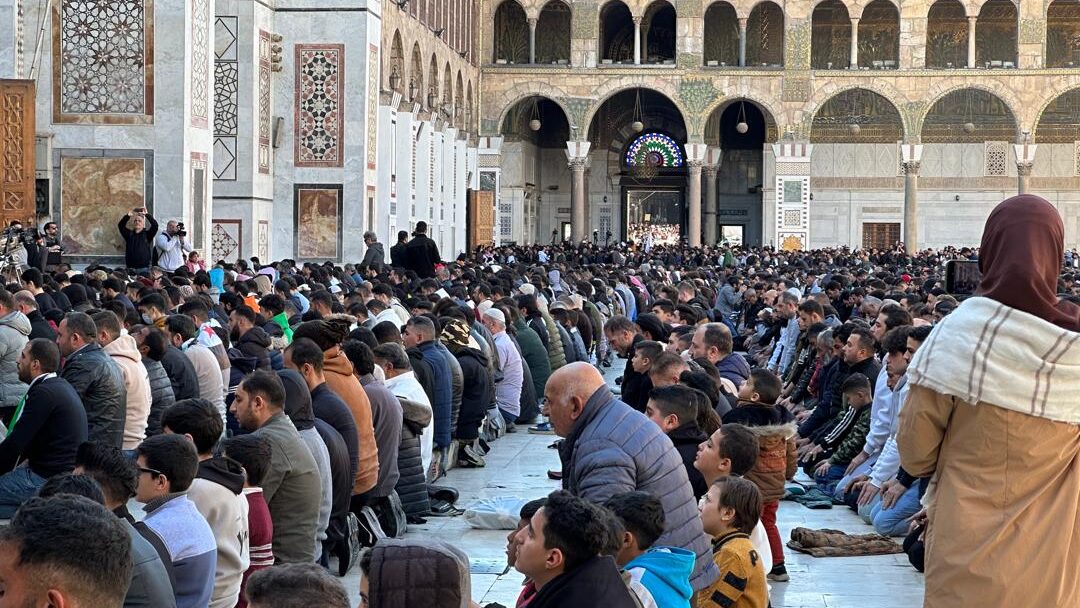
For many Damascenes, the mosque is part of ordinary family and religious life. People gather here to pray, meet and reflect. That ongoing use deserves as much consideration as any historical date or architectural description.
The nearby souqs create a remarkable contrast in atmosphere. A few moments can take a visitor from an expansive sacred courtyard into lively commercial streets, making clear how closely religion and commerce have historically existed in Old Damascus.
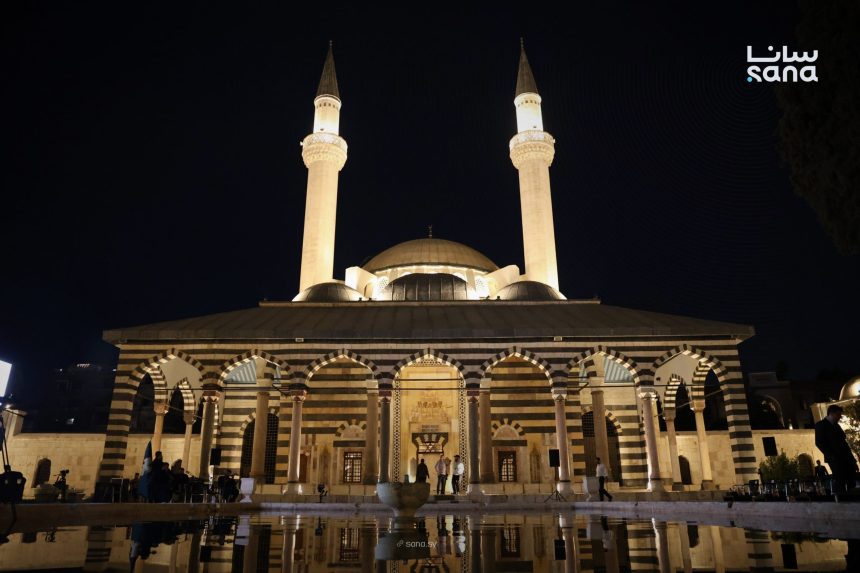
Evening light offers another perspective. The stonework and arcades appear different as the courtyard darkens and illumination begins to define the building’s proportions.
Visiting With Respect
Dress modestly and follow instructions at the entrance, particularly regarding footwear and access to prayer spaces. Visiting hours and arrangements may change around prayers, religious events or maintenance.
Ask before photographing people and avoid interrupting worship. A guide can explain both the site’s chronology and the traditions that continue to make it meaningful.
Consider approaching through Al-Hamidiyah Souq and staying in the historic centre afterward; the surrounding streets are essential to understanding the mosque’s place in the city.
Explore Syria’s historic landmarks with local guides and itineraries designed around their real stories.
Explore Private ToursHistorical reference: Further reading and historical context. Confirm local access conditions before travel.
Explore more Syria landmarks



You might also enjoy
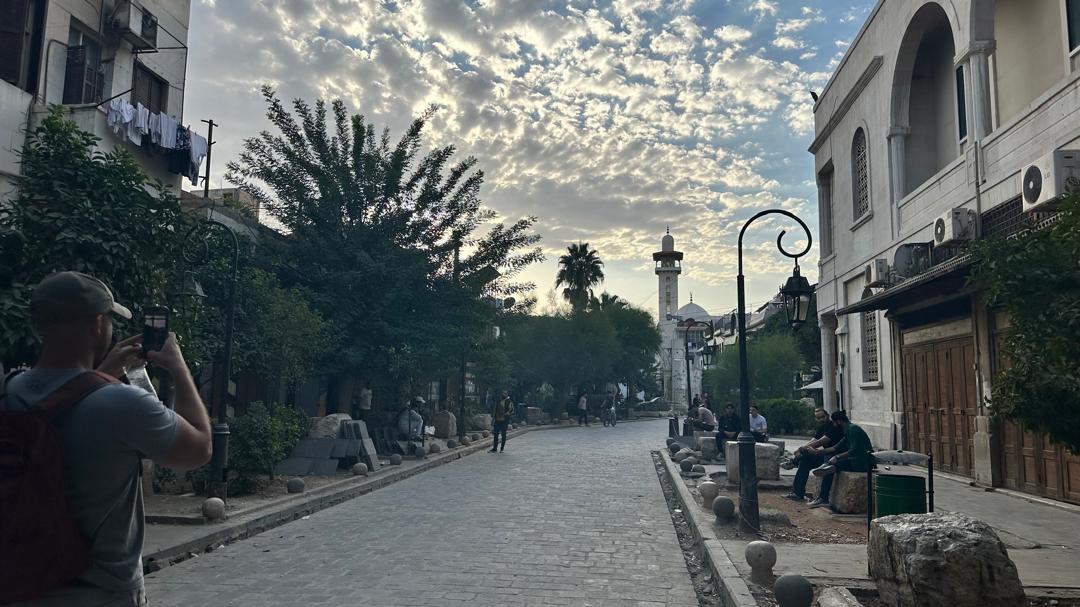 Old DamascusBab SharqiA Roman gateway to the old cityRead the story →
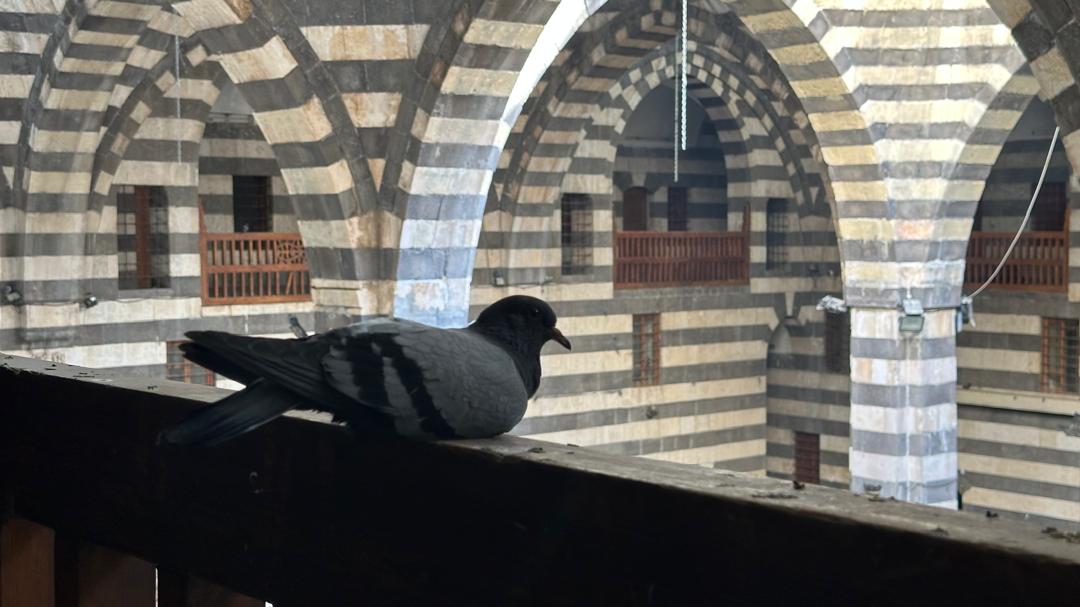 DamascusKhan Asaad PashaA grand Ottoman caravanseraiRead the story →
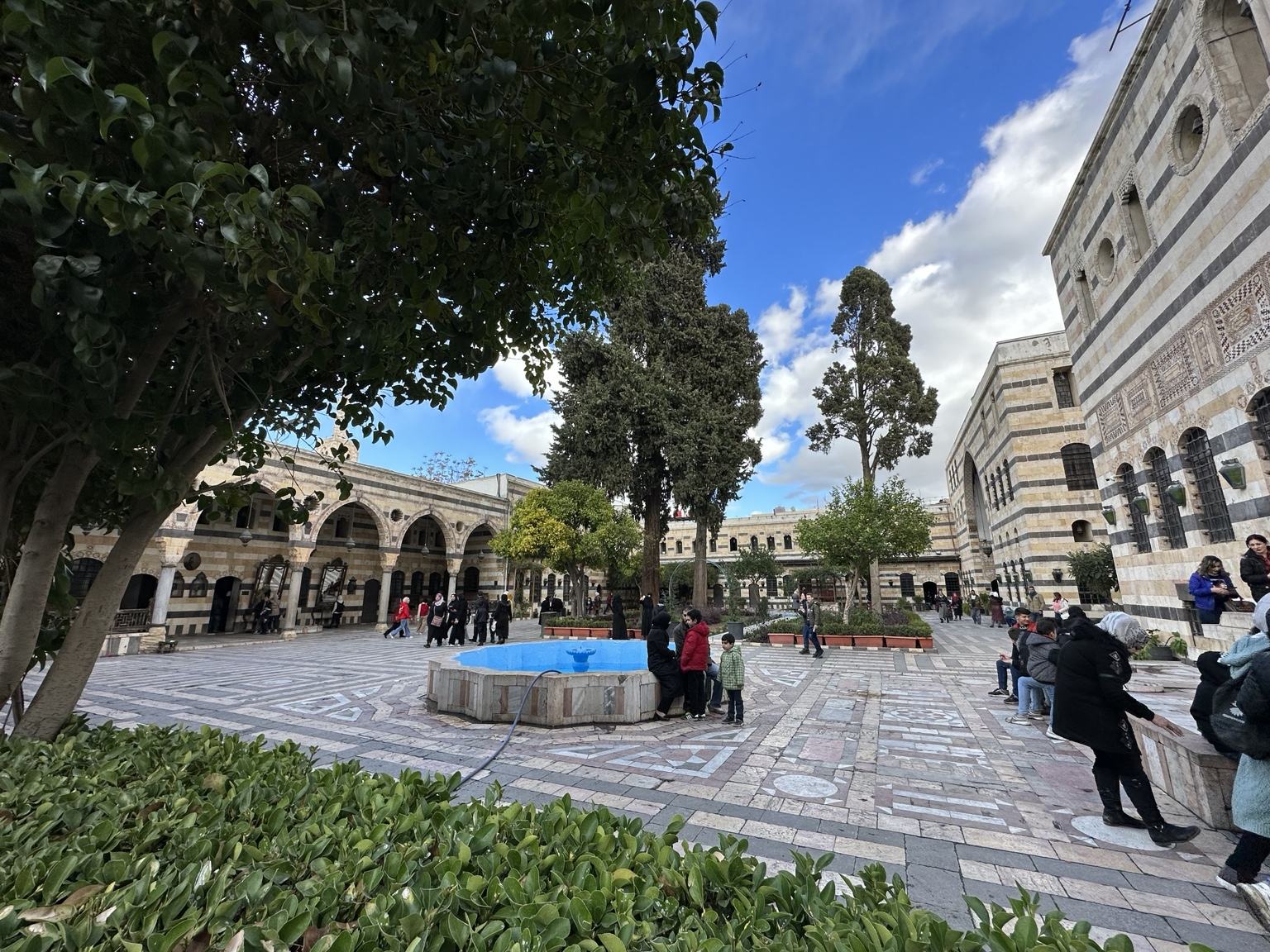 DamascusAzm PalaceThe world beyond a traditional courtyard doorRead the story →
 Ottoman heritageSulaymaniyya TakiyyaAn Ottoman sanctuary for travellersRead the story →