
Visiting Syria in Winter: Weather, Places and Travel Tips
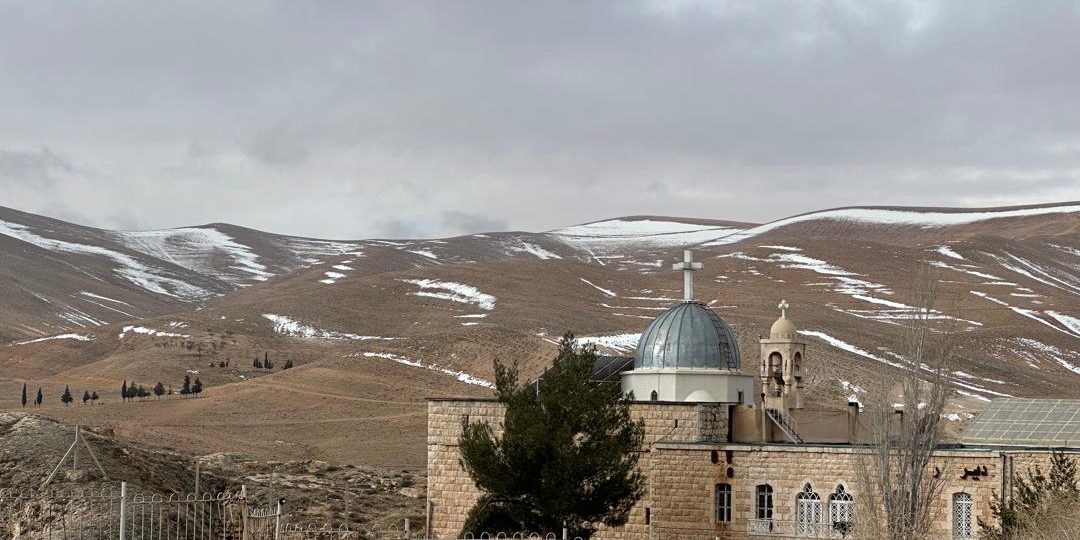
From rain on Damascus’s stone lanes to snow in the Qalamoun Mountains and green Mediterranean hills: winter reveals a side of Syria that many travellers never imagine.
When people imagine Syria, they often see the same familiar picture: sunshine, ancient ruins, lively souqs, perhaps a camel crossing the desert. But what happens when the weather cools, the first rains arrive and the mountains turn white?
Winter brings out details that are easy to miss in hotter months. The metal roof of Al-Hamidiyah Souq becomes a shelter from the rain. A courtyard house feels like a world of its own. The countryside around the coast turns greener, and high mountain villages occasionally wake up beneath snow. The atmosphere changes from one region to another, sometimes within a single day’s drive.
Visiting Syria in winter is not simply summer sightseeing with a heavier jacket. It is a different way to experience the country’s history, landscapes, neighbourhoods and people. This guide explains where to go, what makes each place interesting in the cold season, which experiences are worth planning, and the practical details that matter when travelling between December and February.
Is winter a good time to visit Syria? It can be, particularly for travellers who love historic cities, local culture and more flexible itineraries. Winter is less predictable than spring or autumn: temperatures fall, rain affects outdoor plans, and snow can close mountain routes. But the change of season also gives Syria a distinctive beauty.
What is the weather like in Syria in winter?
Syria’s geography explains a lot of its winter character. The west receives Mediterranean weather, the inland cities have colder nights, the higher mountains can collect snow, and the eastern desert has large day-to-night temperature changes. A single national forecast is rarely enough for a multi-city tour.
Those figures are long-term averages published by the World Meteorological Organization for Damascus and Aleppo, not a forecast for a particular week. In winter, the difference between morning and evening often matters as much as the temperature on the weather app.
The most interesting part is the contrast. You might spend the morning exploring an urban market under a grey sky, then travel into the mountains where the air feels sharper and the roads need greater care. In the coastal region, the same season that cools Damascus brings rain to hillsides, groves and valleys.
December can bring the beginning of a colder stretch, rain and Christmas activities in some communities. January is generally among the coldest months, with a greater chance of mountain snow. February is still winter but can bring slightly longer days and occasional early hints of spring. None of these months guarantees snow or dry weather, so plan around the actual forecast.
Damascus in winter: the city behind its doors
Damascus is a wonderful place to understand how a city adapts to its climate. Its historic markets, thick stone walls, inward-facing houses and courtyards are not simply beautiful scenery. They are part of an urban culture shaped by summers, winters, trade and family life over many generations.
The covered roof of Al-Hamidiyah makes sense when it rains
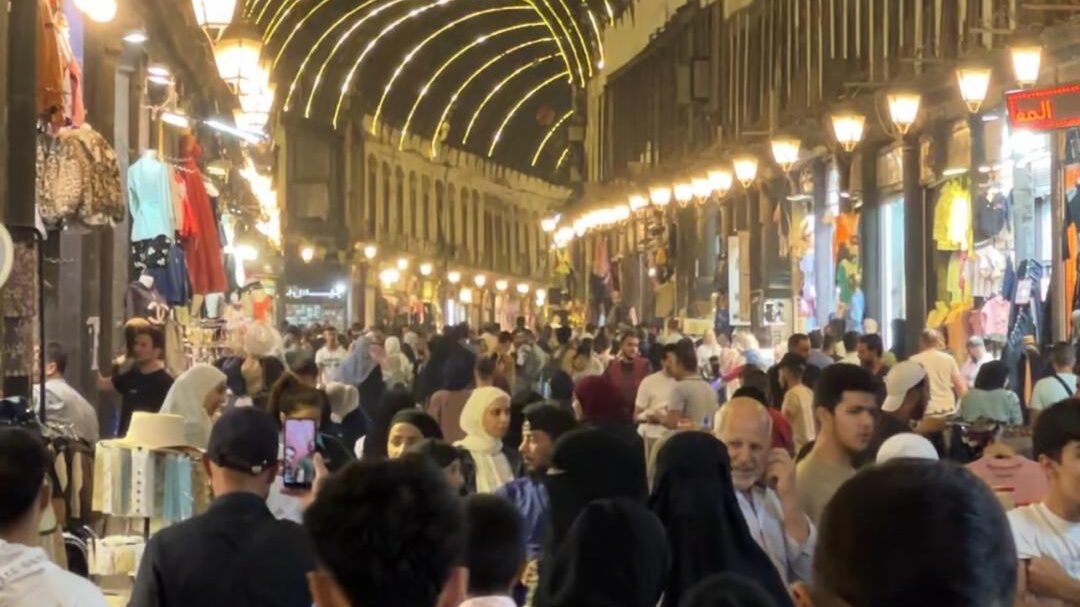
Start at Al-Hamidiyah Souq, one of the city’s best-known covered markets, and walk east toward the Umayyad Mosque. Look up: the metal canopy filters the daylight and provides shelter from winter rain. What looks atmospheric in photographs is also practical architecture. At the eastern end, the remains of the Roman Temple of Jupiter remind visitors how many historical layers stand in one short stretch of Damascus.
Continue to the Umayyad Mosque, a remarkable early Islamic monument that has remained central to the city’s religious and civic life for centuries. Its broad courtyard, mosaics and long history deserve time, not a hurried photo. Dress respectfully and check visiting arrangements, particularly around prayer times.
Go deeper than the main market
From the mosque area, walk toward Al-Nawfara Café, famous for its traditional storyteller, the hakawati. Even when a performance is not scheduled, the setting connects visitors with a part of Damascene social history. Then explore Bzuriyeh Souq, where you can still find spice shops and traditional merchants, and look for the grand courtyard of Khan As’ad Pasha.
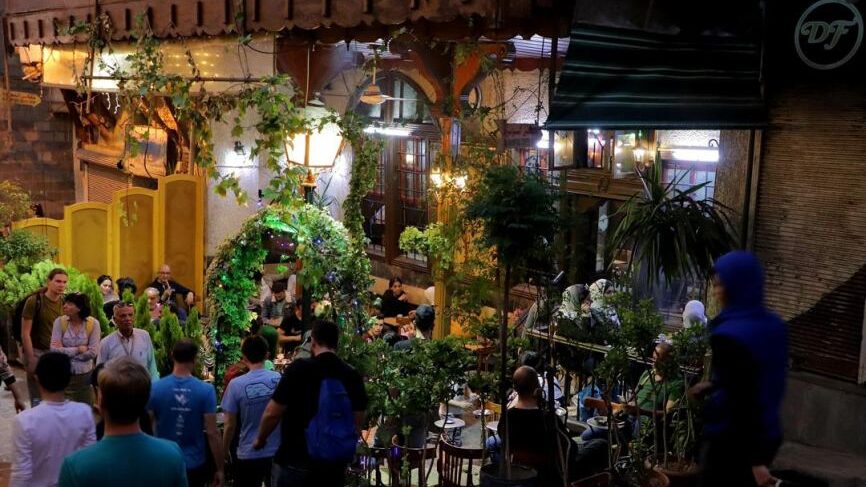
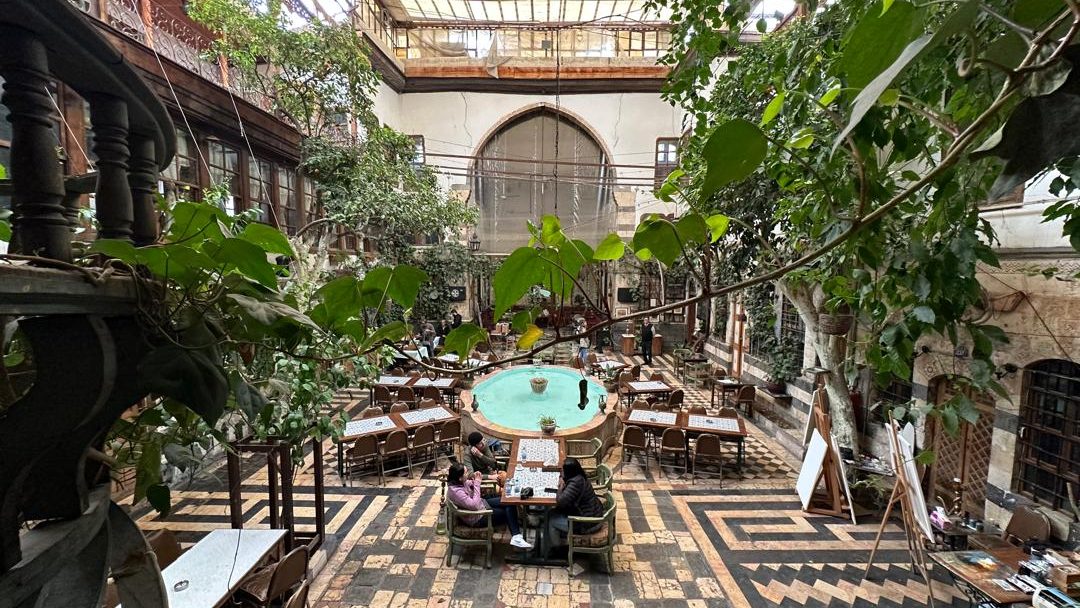
If you have time, add Azm Palace or a traditional house such as Beit Jabri, depending on opening arrangements. The simple street façades and richer interiors reveal an important Damascene idea: the life of the home turns inward, around family spaces, a courtyard and changing light.
Al-Hamidiyah Souq → Umayyad Mosque → Al-Nawfara Café → Bzuriyeh Souq → Khan As’ad Pasha → a traditional courtyard house
Begin in the morning and leave the afternoon flexible. On a rainy day, spend longer inside the markets and historic buildings. On a clear day, extend the walk through Straight Street and the Christian Quarter. See our detailed Old Damascus walking guide for a fuller route. If you prefer an organised experience, explore our Damascus one-day group tour.
One practical winter detail: old courtyard hotels can be atmospheric, but some historic interiors feel chilly. When choosing where to stay in Damascus, ask specifically about reliable heating and hot water rather than judging only by the photographs.
Where Syria sometimes turns white: the mountain villages
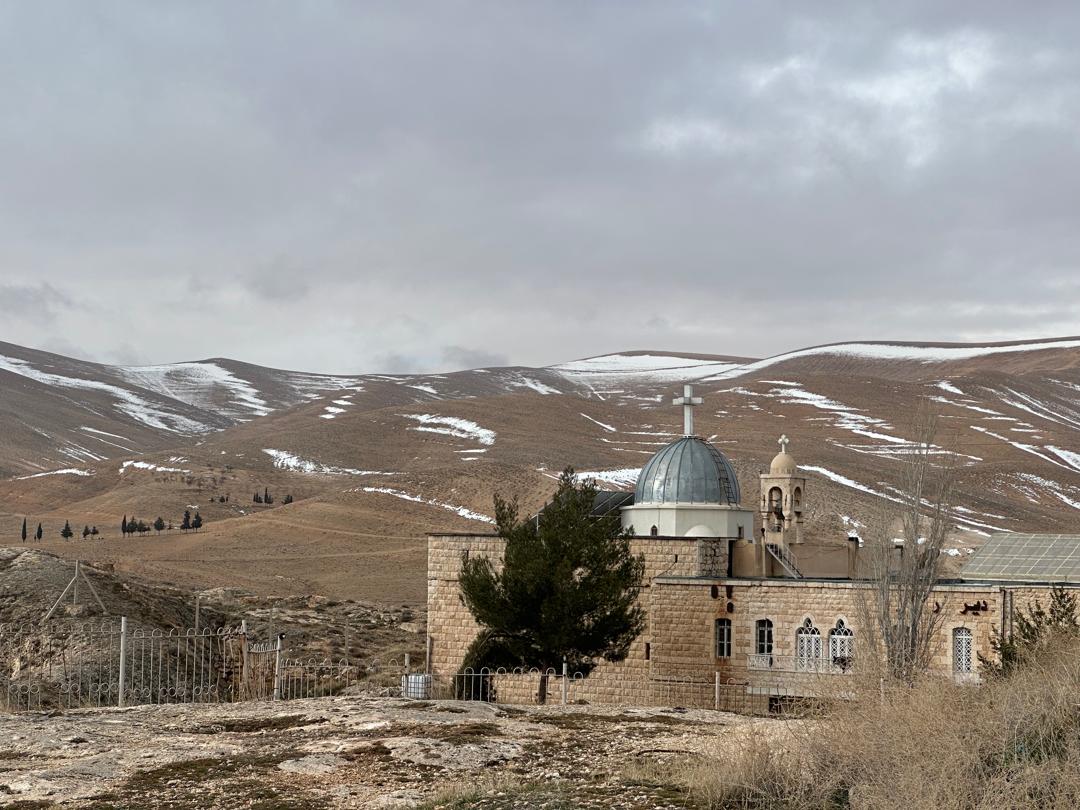
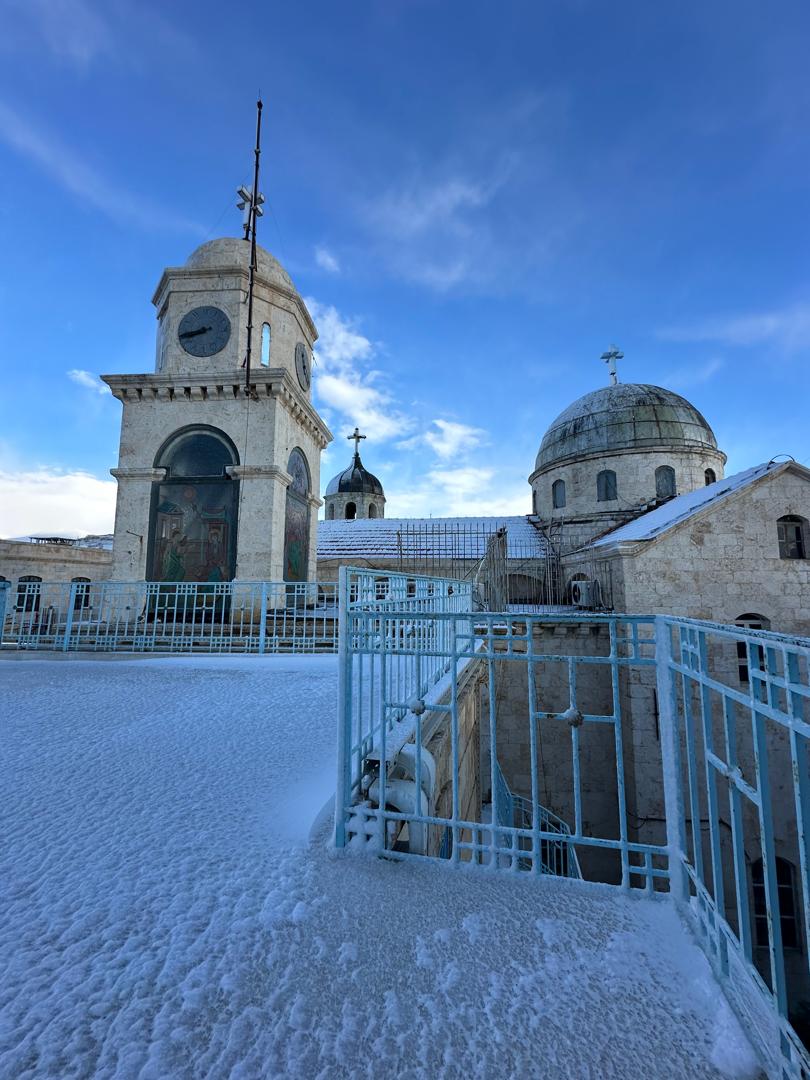
Less than a full day’s journey from Damascus, the landscape can feel entirely different. In the Qalamoun Mountains, villages are built into rocky slopes, and winter sometimes brings snow to rooftops, narrow streets and monastery courtyards. It is one of the most striking seasonal changes visitors can encounter in western Syria.
Maaloula: more than a photograph of snow
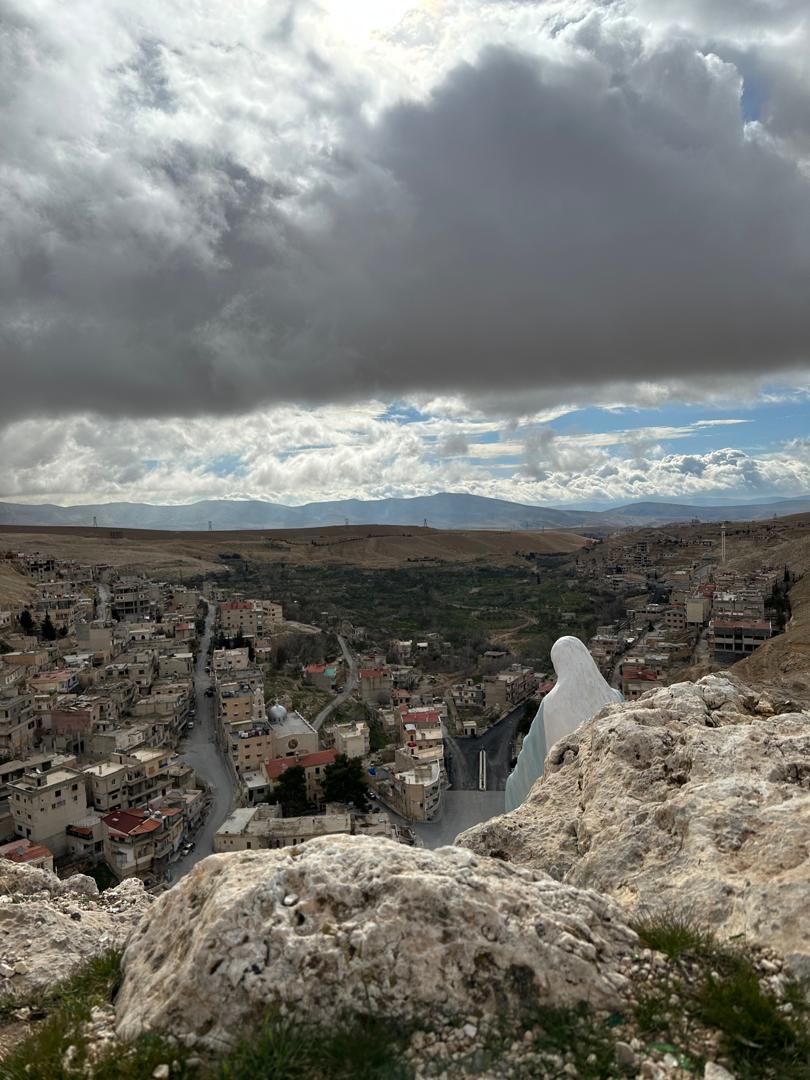
At Maaloula, the story is as interesting as the landscape. The village is known for its association with the Western Neo-Aramaic language and the survival of important Christian traditions. Ask about visiting St Thecla Monastery and the Monastery of Saints Sergius and Bacchus when accessible. Take time to learn why the monasteries, cliffs and local community matter, instead of treating the visit as a quick snowy viewpoint.
Sednaya and the monastery above the town
In Sednaya, the historic Monastery of Our Lady of Sednaya is a pilgrimage site as well as a landmark. If the roads are clear, the elevated setting can be particularly atmospheric in winter. If snow or ice is present, a local driver should make the decision about the journey. There is no photograph worth an unsafe road.
Visitors interested in quieter religious heritage might also consider Mar Musa Monastery, near Al-Nabk, as a separate excursion. It involves a substantial climb up uneven stone steps, and its remote approach requires more care in winter. Do not assume it can simply be added to a Maaloula morning without allowing enough time.
Best plan: Arrange a Maaloula–Sednaya day with a driver familiar with current road conditions. If winter weather makes the mountain route unsuitable, use the day for the historic neighbourhoods, museums or crafts of Damascus instead. You can learn more in our guide to Maaloula.
Aleppo in winter: stone, craft and a city still rebuilding
Winter changes the pace of Aleppo, but its identity is much older than any season. This is a city shaped by trade routes, caravanserais, workshops, religious institutions and families of merchants and craftspeople. A visit makes far more sense when you look beyond a single photograph of the Citadel.
Begin with the Citadel and the Great Mosque
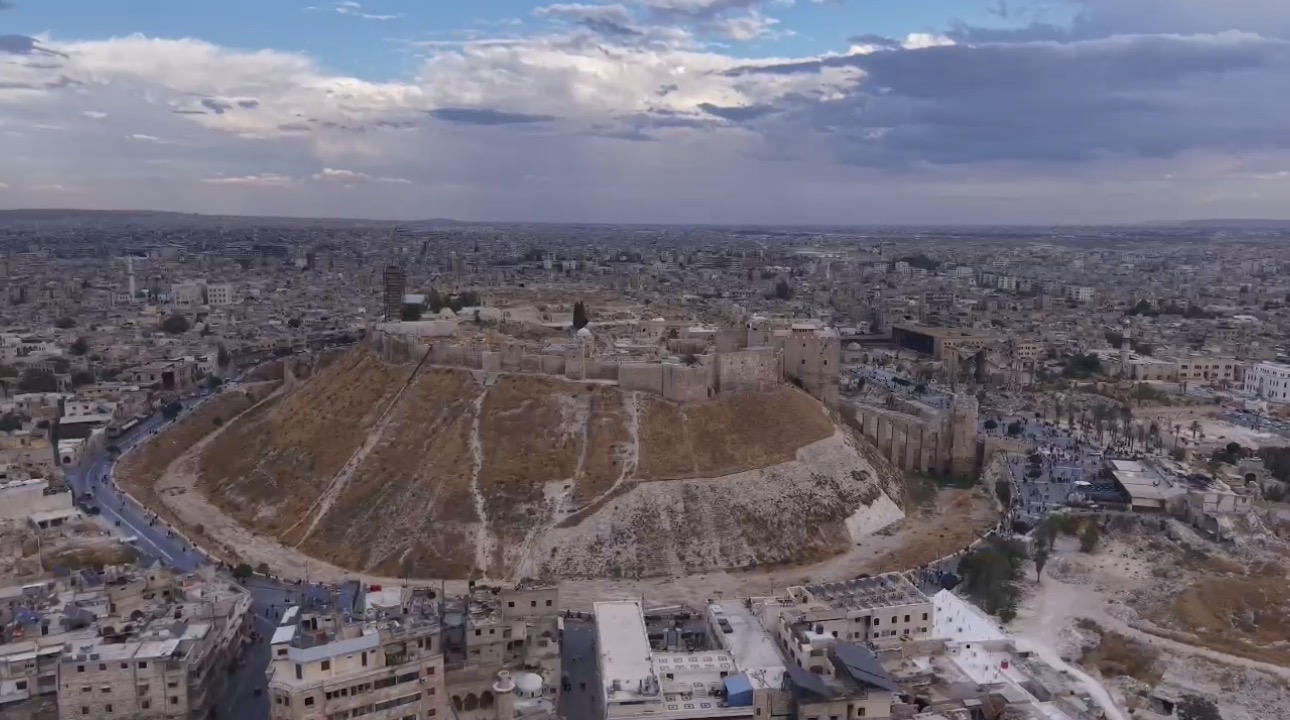
Start with the monumental Citadel of Aleppo, which rises above the old city. Its sloping stone entrance, fortifications and commanding position tell the story of a city that defended itself and traded with the wider region for centuries. On a cold day, give yourself enough time to explore without rushing across slippery stone surfaces.
Continue to the Great Umayyad Mosque, whose history is intertwined with the city’s architectural heritage. Restoration and reopening have made renewed visits possible, but the building remains a living place of worship and visiting arrangements must be respected.
Find the life inside the old markets
Look for accessible stretches of the covered souqs, including the historic Haddadin and Ahmadiya markets where operating. Some sections have undergone rehabilitation after severe wartime damage; others remain affected. Seeing the restored shops alongside areas still being repaired is a more honest understanding of contemporary Aleppo than pretending that everything is unchanged.
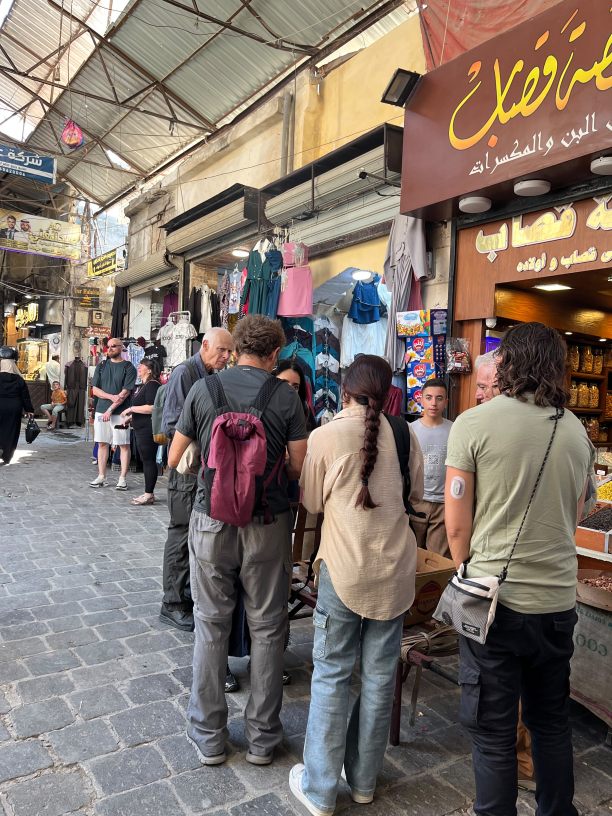
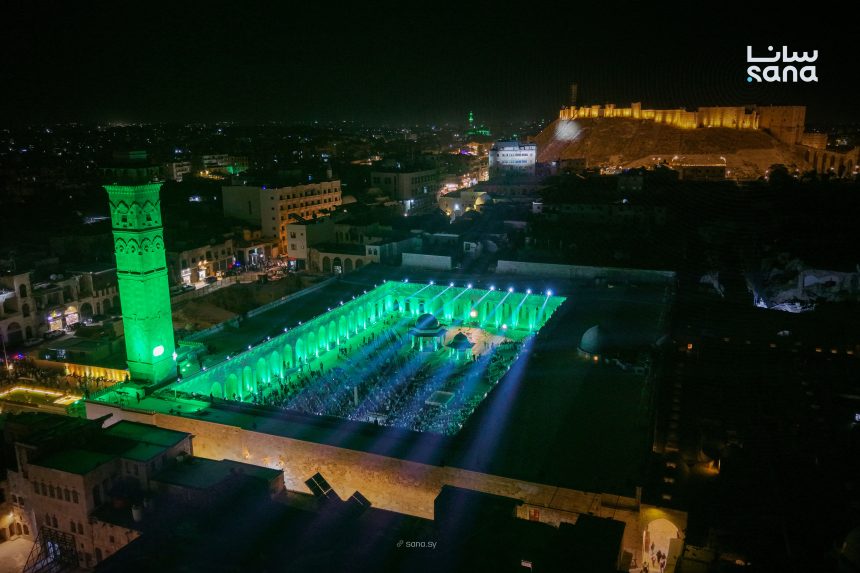
In the Al-Jdeideh quarter, explore traditional houses, churches and courtyards when accessible. Another distinctive local craft is Aleppo soap, traditionally made with olive and laurel oils. Ask your guide where you can see authentic soap-making or meet a knowledgeable seller; workshops are not always open to casual visits.
If the weather is suitable and the route is confirmed, the monastery of St Simeon in the countryside offers another extraordinary chapter of northern Syria’s heritage. It should be planned as a separate excursion, not assumed to be an always-open short detour.
Use daylight for the Citadel, the Great Mosque and available sections of the old markets. Keep the late afternoon for a traditional quarter, a workshop visit or a relaxed stop indoors. Reserve a second day if you want to understand the city rather than merely collect famous landmarks.
Hama and Krak des Chevaliers: water, stone and winter countryside
Between Damascus and Aleppo lies another essential part of Syria’s story: the central corridor of towns, rivers, villages and historic fortresses. Winter can bring a softer, greener landscape to parts of the western highlands, although rain also makes exposed stone sites more demanding.
The wooden norias and the old river city
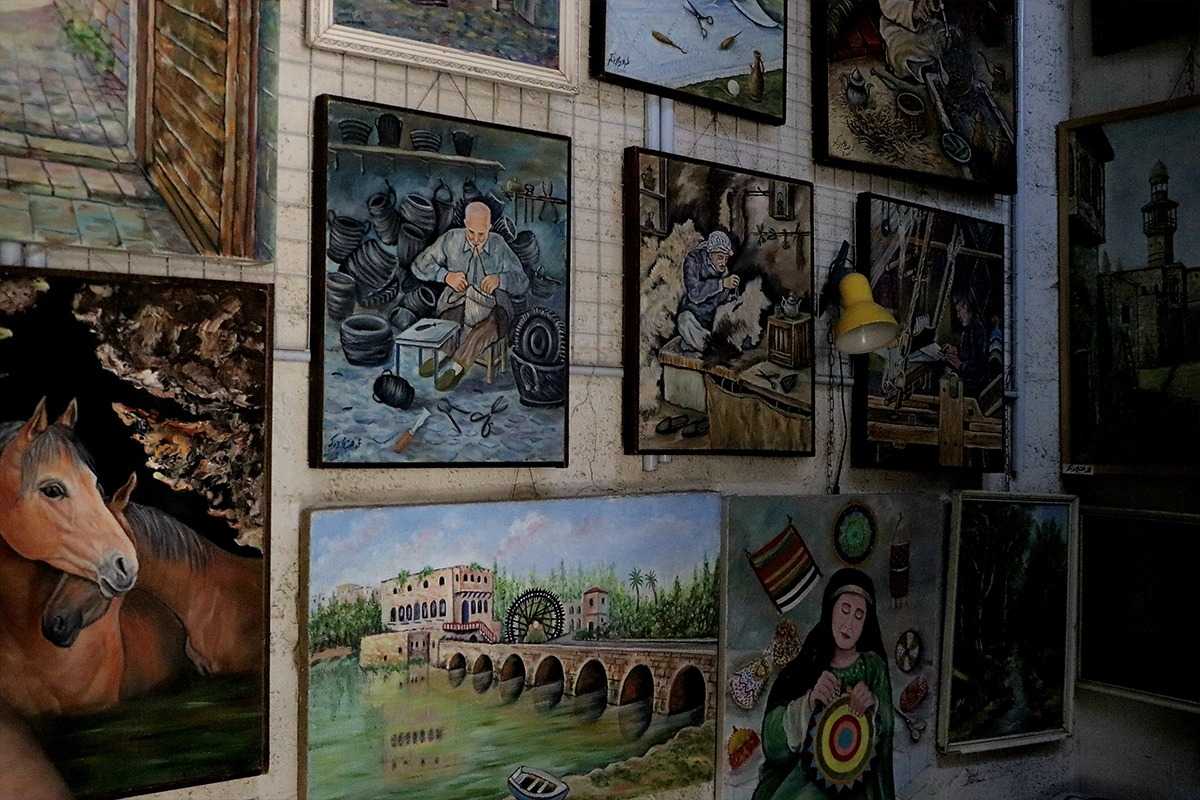
In Hama, stop beside the Orontes River to see the city’s famous wooden waterwheels, known as norias. They were built to lift water from the river into channels serving the town and its surrounding land. Whether a particular wheel is turning depends on water levels and maintenance, but their scale is impressive. If accessible, add Azm Palace in Hama for another look at the region’s urban heritage.
Krak des Chevaliers
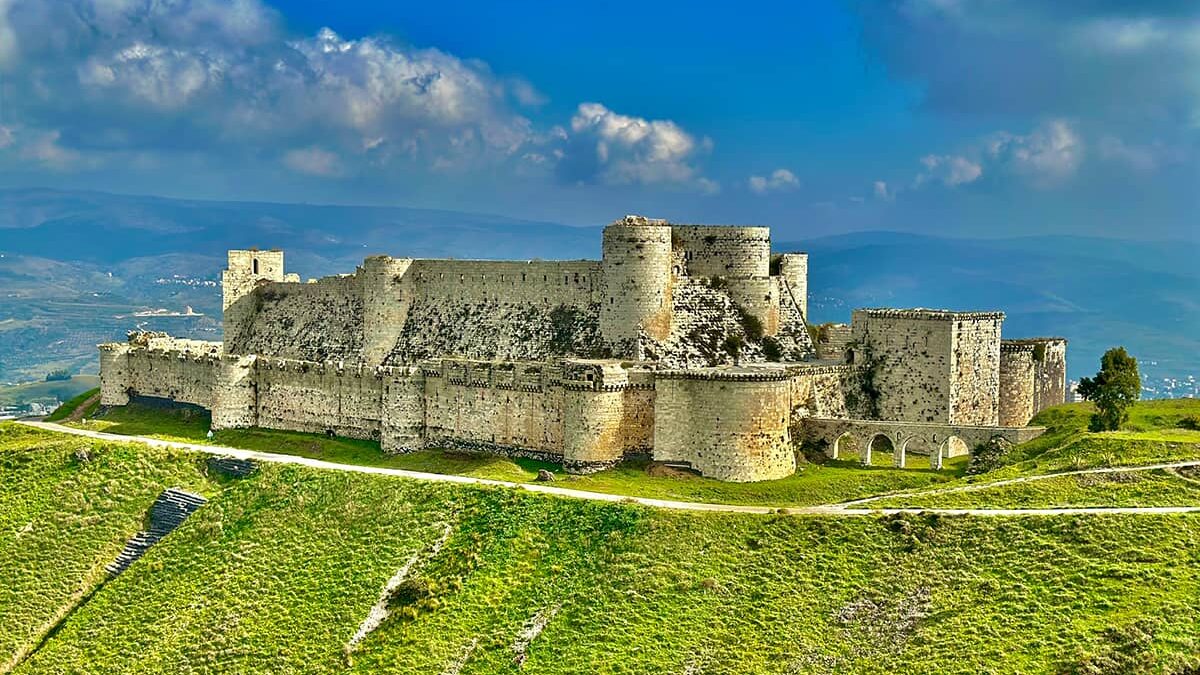
Near Al-Hosn, Krak des Chevaliers occupies a dramatic hilltop position. Its layers of medieval fortification, courtyards and halls are much easier to appreciate when you give them proper time. Winter clouds can make the castle particularly atmospheric, but the flagstones and steps can become slippery after rain.
In the neighbouring Wadi al-Nasara countryside, villages and guesthouses offer a different pace from the cities. A prearranged local visit or lunch can make the region more personal, particularly if your itinerary passes through Homs and heads toward the coast. The route should allow for an early finish rather than a hurried drive after dark.
The Syria many visitors do not expect: a green winter coast
Syria is not simply desert and ancient stone. In winter, the Mediterranean coast around Latakia and Tartous can be green, humid and rainy. The landscape of citrus orchards, olive groves, hills and small towns offers a genuine contrast with inland Syria.
Latakia, Ugarit and the coastal mountains
Begin with Ugarit, near Latakia, if access and weather permit. This ancient city is closely associated with the Ugaritic alphabet, one of the region’s most important contributions to the history of writing. The archaeological setting may feel quiet in the cool season, but it deserves more than a passing stop. If your route extends into the mountains, villages such as Kasab reveal the forested side of northwestern Syria. Mountain roads can be wet, foggy or colder than the city below.
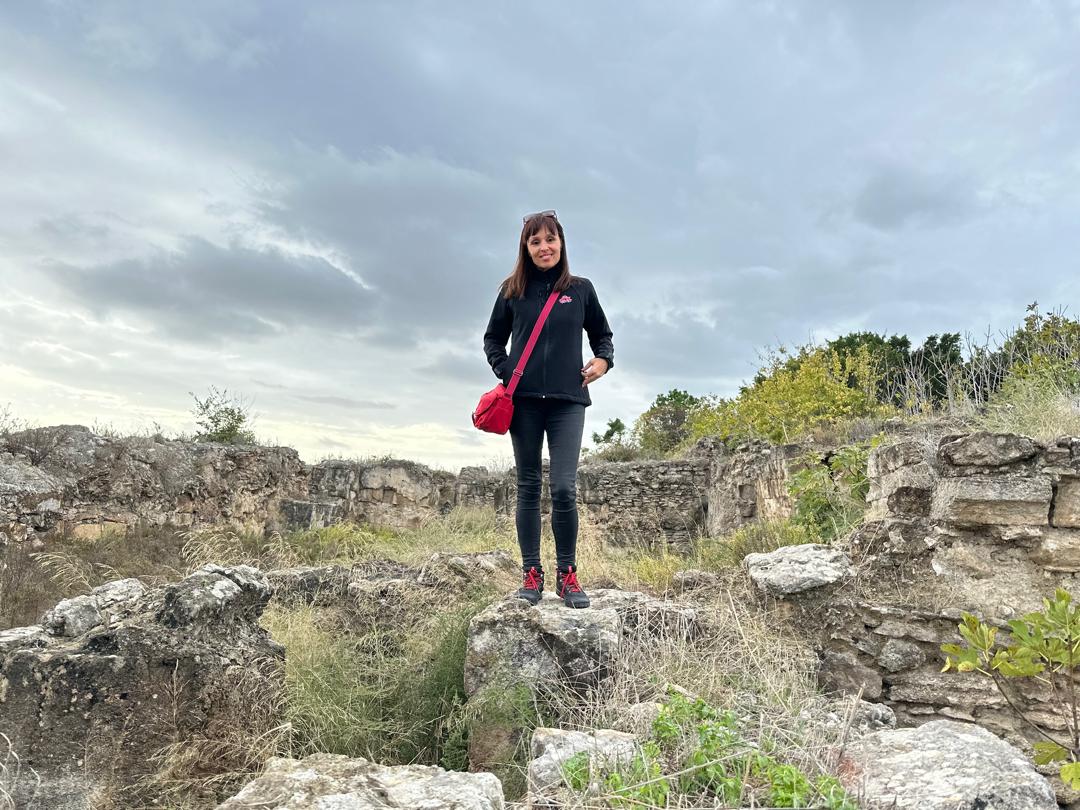
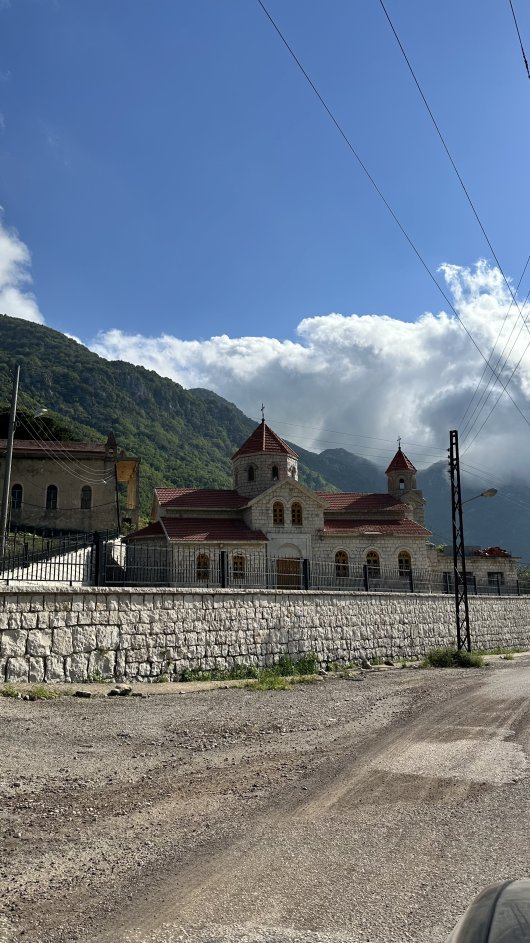
The agricultural calendar also gives winter a distinct local character. In many regions, olive harvesting and pressing stretch into late autumn and early winter, while citrus harvests extend through winter. If a working olive press or small farm visit fits your route, ask your guide to arrange it with the owners instead of assuming it is open for unscheduled tours.
Tartous and the island across the water
In Tartous, walk through the old quarter and along the waterfront when the weather is pleasant. Arwad Island, Syria’s inhabited Mediterranean island, is an intriguing excursion for its maritime history and traditional wooden boat-building. But winter seas can affect boat services. Make the island an option, not an unchangeable promise in the itinerary.

Winter on the coast is not primarily a beach holiday. It is a chance to see another Syria: sea air, rain-washed scenery, villages in the hills and an agricultural landscape that does not match the usual desert stereotype.
Palmyra and Bosra: two very different winter landscapes
For many travellers, the most memorable Syrian monuments stand in open landscapes. Winter can make these exposed places more comfortable than the hottest summer months, but the season brings different challenges: short daylight hours, chilly wind and the need to check access conditions particularly carefully.
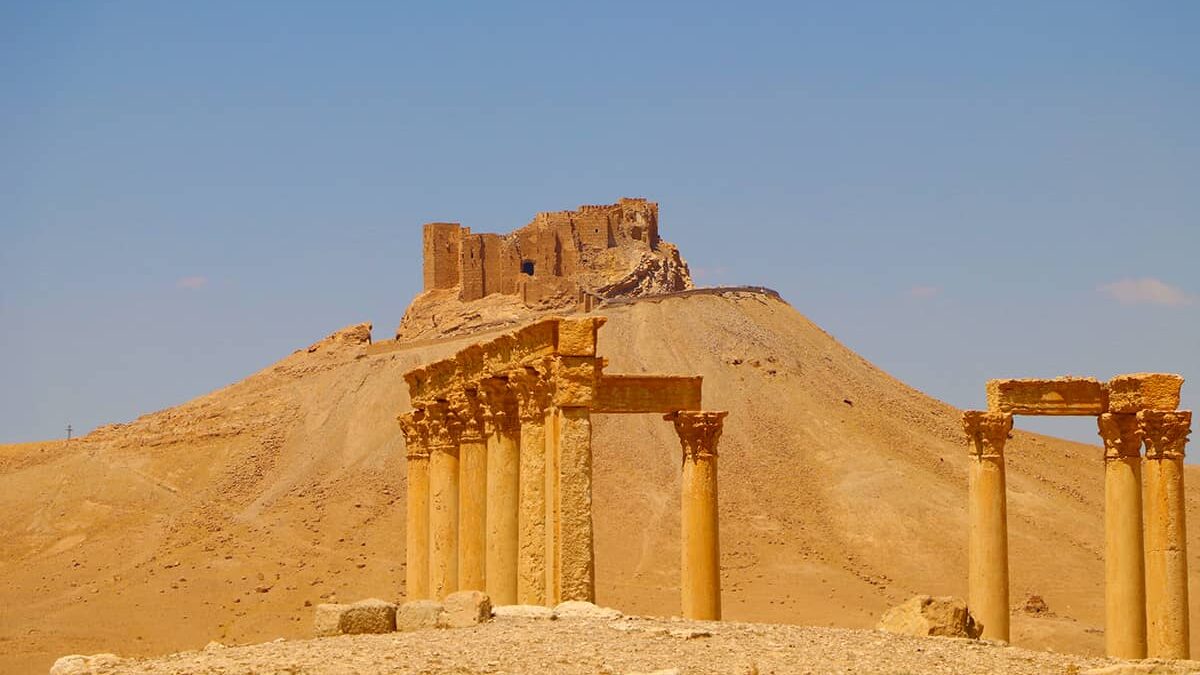
The ruins in softer desert light
The colonnades and monumental remains of Palmyra speak to Syria’s place in the ancient networks linking the Mediterranean with the wider East. A sunny winter afternoon may be suitable for exploring, but the temperature can fall quickly near sunset. Palmyra must be arranged only when current access, the route and the local situation have been confirmed.
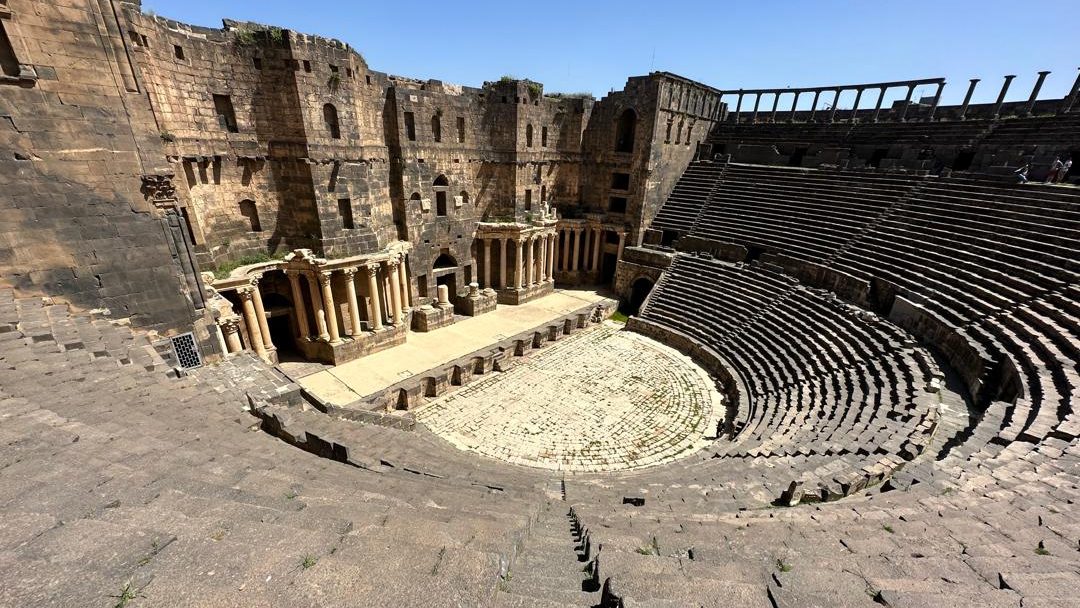
A Roman theatre in black basalt
In the southern Hauran, Bosra is built from dark volcanic stone rather than the paler limestone many visitors associate with Syria. Its great Roman theatre, streets, mosques and other remains help tell the story of an important crossroads city. After winter rain, the contrast between basalt architecture and the surrounding landscape can be striking. Check road and site access before planning the journey.
Both places are best treated as real excursions, with proper travel time and a guide who can explain their heritage. They are not interchangeable photo stops. For more context, see our guide to Bosra and its black basalt architecture.
Christmas, changing seasons and everyday Syrian life
Winter is also part of the social and religious calendar. In Damascus, Bab Touma and Bab Sharqi are important places to experience the atmosphere of the historic Christian Quarter. Around Christmas, churches may hold services and neighbourhoods sometimes feature lights, markets or seasonal gatherings. Aleppo and other communities also have their own traditions. If you are planning a visit for the holiday, see our 8-day Syria Christmas group tour for a trip built around the festive atmosphere and the country’s historic highlights.
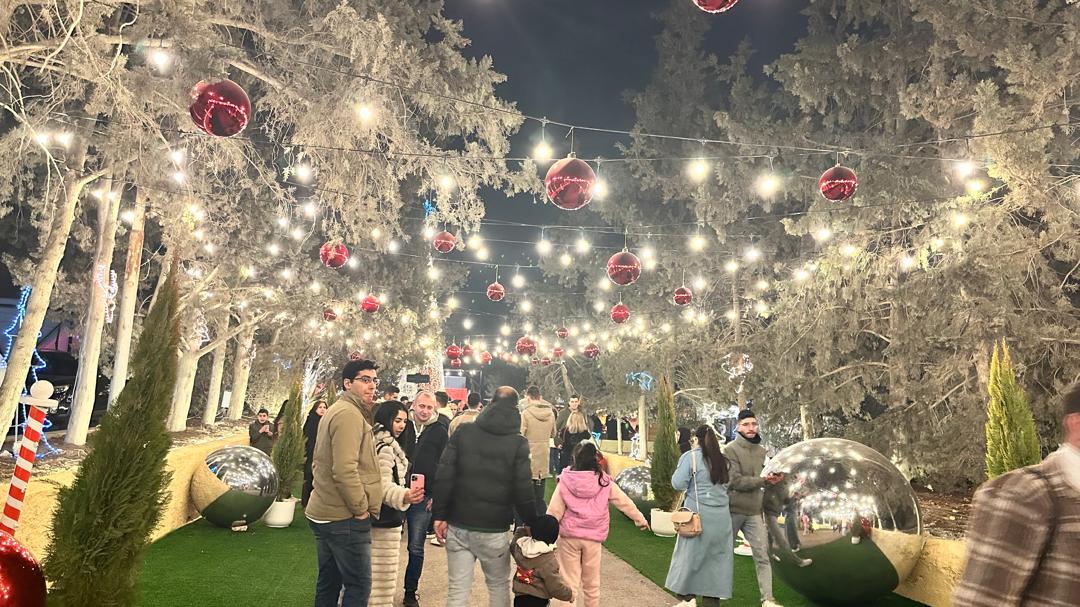
These occasions are meaningful because they belong to living communities, not because they are performances for travellers. Attend a service only when visitors are welcome, dress respectfully and avoid interrupting worship with photographs. Christmas celebrations and outdoor programmes can change from year to year, so always check what has actually been announced for your dates.
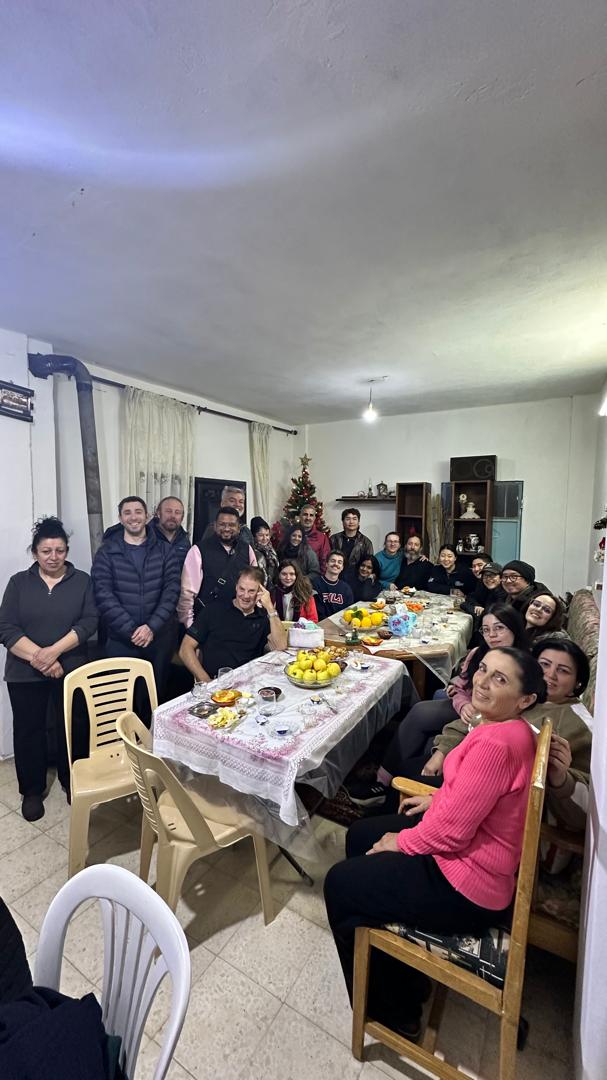
Another important part of Syrian winter life is simply hospitality indoors. Families and friends gather over tea, conversations and shared meals. The Arabic word mouneh refers to pantry provisions made or stored for the months ahead. In Syrian homes, preserved foods connect the seasons: what was prepared in the warmth of summer and autumn is enjoyed during colder days.
Depending on the year, Ramadan can also overlap with winter. Its dates move through the calendar, so it is not a fixed winter celebration. When it coincides with your journey, daytime business hours and the social rhythm after sunset may differ. Check the exact dates and local arrangements rather than relying on a generic seasonal schedule. Our Ramadan group tour offers a concrete example of how to experience that season with local guides.
For planning around religious holidays and opening hours, see our Syria holidays and opening-hours guide.
What does Syria taste like on a cold day?
Food is one part of the winter experience, not the reason for every stop. After a walk through Damascus, you might find harra bi isba’o (حراق إصبعو), a tangy lentil-and-pasta dish with crisp onions, especially satisfying. In a family kitchen, you could encounter kishk (كشك), shishbarak (ششبرك) in warm yogurt sauce or a simple bowl of lentil soup (شوربة عدس). Street vendors may sell roasted chestnuts or sweet potatoes when in season.

Where to enjoy it: Rather than promising that these home-cooked dishes are on every restaurant menu, ask Syrian Guides to arrange a traditional meal in Damascus or a village home when possible. For a short sweet stop, consider Al-Baik in Damascus, Salloura in Aleppo, Al Fawal in Latakia or Latsh in Tartous, and confirm which branch is convenient and what is fresh that day.
For travellers who want a deep dive into the cuisine, our separate traditional Syrian food guide is the better place to explore the full list of dishes. Here, the important point is the setting: a warm meal between history, landscapes and conversations.
How to plan a realistic winter itinerary in Syria
The biggest mistake in a winter itinerary is copying a summer schedule exactly. Outdoor sites close earlier with the daylight, and a route that is fine on a dry day may need to change after heavy rain or snow. A well-designed journey keeps the important heritage stops while leaving room to adapt.
This is a route outline, not a currently confirmed departure. It assumes that access and road conditions permit each visit.
Arrive in Damascus and settle into a hotel with reliable heating. Keep the first evening relaxed.
Al-Hamidiyah, Umayyad Mosque, Bzuriyeh, a historic courtyard and neighbourhood exploration.
Maaloula and Sednaya, weather permitting. Continue toward Homs or stay nearer Damascus depending on the plan.
Krak des Chevaliers and Hama’s norias, with ample time for daylight sightseeing before travelling to Aleppo.
Citadel, Great Mosque, accessible souqs and the old quarters, paced for the shorter winter day.
Traditional neighbourhoods, crafts and, when conditions allow, a separate St Simeon excursion.
Travel back toward Damascus with a suitable stop and enough buffer for possible road delays.
A relaxed departure plan, with confirmed border or airport arrangements and extra time for contingencies.
Would you prefer the Mediterranean or the south? A coastal extension needs additional time for Latakia, Ugarit and Tartous. Bosra or Palmyra should be considered as separately planned excursions when present-day conditions permit. Do not simply squeeze them into the eight days above.
For longer trips, a combination of places is often more satisfying than seeing everything: Damascus for living heritage, the mountains for dramatic geography, Aleppo for urban history, and either the coast or desert for contrast.
Practical advice for visiting Syria in winter
Bring a warm jacket, layers, water-resistant walking shoes, a scarf and a compact waterproof layer. Uneven stone paving becomes slippery when wet.
Historic houses can be beautiful but not all are equally comfortable in winter. Ask about room heating, hot water and any backup arrangements.
Do the outdoor archaeological visits and mountain roads early. Leave evenings for a neighbourhood walk, a cultural visit when available or a relaxed dinner.
Mountain snow, rain, site restrictions and changing local conditions can alter the plan. Confirm routes, opening hours and any permissions shortly before departure.
How do you enter Syria in winter?
Some visitors arrive via Damascus or Aleppo airports; others travel by land from Lebanon or Jordan. The practical route depends on flights, nationality, visa requirements and current border arrangements. Do not rely on last year’s rules. Before booking, check our entry and exit guidance and reconfirm the situation with your operator and the relevant authorities.
Is winter travel in Syria safe?
Weather is only one consideration. Local security conditions, road restrictions, official travel advisories and travel-insurance coverage may affect any itinerary. Consult current official advice for your nationality, make arrangements with experienced local professionals, and do not treat a published itinerary as proof that a particular place is currently accessible.
For additional preparation, see essential information before travelling to Syria and our packing and restricted-items guide.
Frequently asked questions about Syria in winter
Does it snow in Syria in winter?
Yes, snow is possible in the higher mountains and towns such as Maaloula and Sednaya, as well as other elevated regions. It is not guaranteed on specific travel dates, and road conditions should be checked carefully.
Is Damascus worth visiting in January?
Yes for visitors interested in historic cities, covered souqs, architecture and local culture. Expect cool days, cold evenings and a chance of rain. A flexible Old City route works particularly well.
Can I visit Aleppo and Krak des Chevaliers in winter?
They can form part of a winter itinerary, subject to current access and weather. Allocate time for wet stone surfaces, shorter days and the journey between cities.
Is the Mediterranean coast warm enough for a beach holiday?
The coast is generally milder than the inland cities but winter is also a rainy season. It is better for landscapes, archaeology, villages and local life than for guaranteed beach weather.
Can I visit Palmyra in December, January or February?
The desert may be comfortable for part of a sunny winter day, but the air can become cold and windy. Current access, security conditions, transport and permissions need independent confirmation first.
What clothes should I pack for a Syria winter tour?
Bring layers, a warm jacket, sturdy shoes and rain protection. Add warmer clothing for mountain regions and check with your guide about any special excursion requirements.
Is Christmas celebrated in Syria?
Yes, Christian communities in Damascus, Aleppo and other cities hold religious services and may have seasonal neighbourhood activities. The timing and scale of public events vary, so confirm announcements for your dates.
Winter gives Syria a different voice.
The covered markets of Damascus, the monasteries of the mountains, Aleppo’s old stone streets, Hama’s waterwheels and the rain-green Mediterranean countryside each tell a different part of the country’s story. The best winter journey leaves room to listen to all of them.
Explore Syrian Guides toursClimate reference: World Meteorological Organization. Heritage reference: UNESCO World Heritage Centre. Images: Syrian Guides’ existing media library. Travel conditions, site access and holiday programmes should be rechecked before travel.