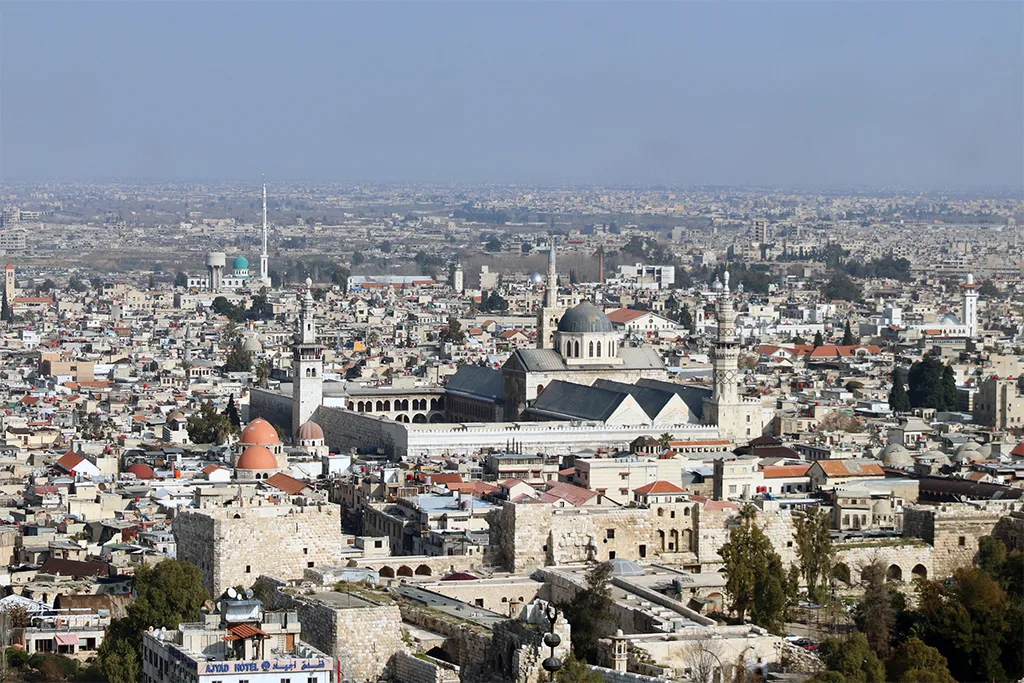
Damascus
Historic city · Inland, dry summers CITY MODEL FORECAST°C
—°
Loading the latest temperature…
Next 24h high—°
Next 24h low—°
Preparing 3-day outlook…
Retrieving weather data…

Sunny courtyard mornings, mountain breezes, winter rain and desert skies. Discover when to travel, what to pack, and what the weather is doing across Syria right now.
Syrian Guides has received a report of heavy rain along the approach to Palmyra today. A separate city forecast indicates light rain is possible in Palmyra today, while other providers forecast drier conditions. The national weather centre reports rain affecting parts of central Syria and the desert region on 7 November. City weather models are not real-time observations of the highway.
Flood-related road damage and repairs were reported in eastern Homs. We cannot confirm the precise wet stretch or a new closure of the main Homs–Palmyra highway. Check local road and rain conditions before setting off.
Based on an incoming road report and published weather and road updates. Dated alert; automatically hidden after 8 November. Eastern Homs road repairs (SANA).
See model-based temperatures in °C or °F and a three-day city outlook. These estimates update when MET Norway data is available, but do not measure rainfall on nearby highways or desert roads. For travel to Palmyra, check the separate road advisory above.
Loading the latest temperature…
Loading the latest temperature…
Loading the latest temperature…
Loading the latest temperature…
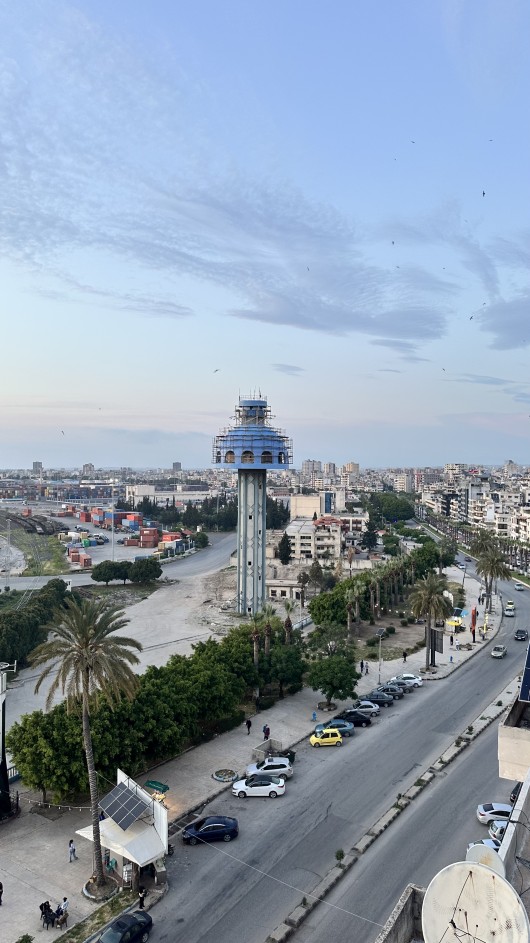
Loading the latest temperature…
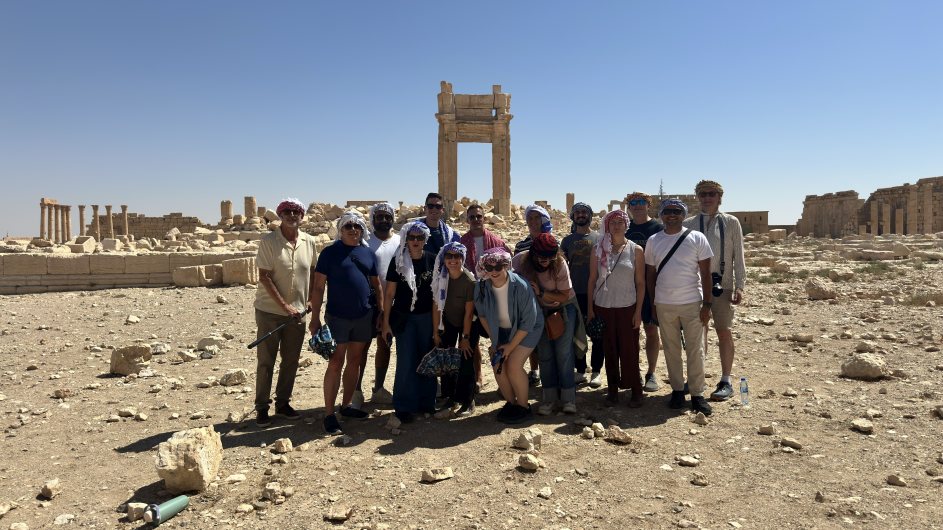
Loading the latest temperature…
The temperatures shown are model forecasts rather than live thermometer readings. Weather can change quickly, especially in winter, so check the forecast before long drives and outdoor excursions.
There is no single weather pattern across Syria. The Mediterranean coast is typically wetter and more humid; Damascus and Aleppo have dry, hot summers; and desert regions such as Palmyra can be particularly harsh in midsummer.

Often the easiest season for multi-city tours: pleasant walking weather, green countryside, and longer days. Bring layers for evenings and higher-altitude stops.
Best for walkingExpect long, hot and dry days inland, especially at desert sites. Plan early starts, midday breaks, plenty of water and sun protection. The coast can feel humid.
Start sightseeing early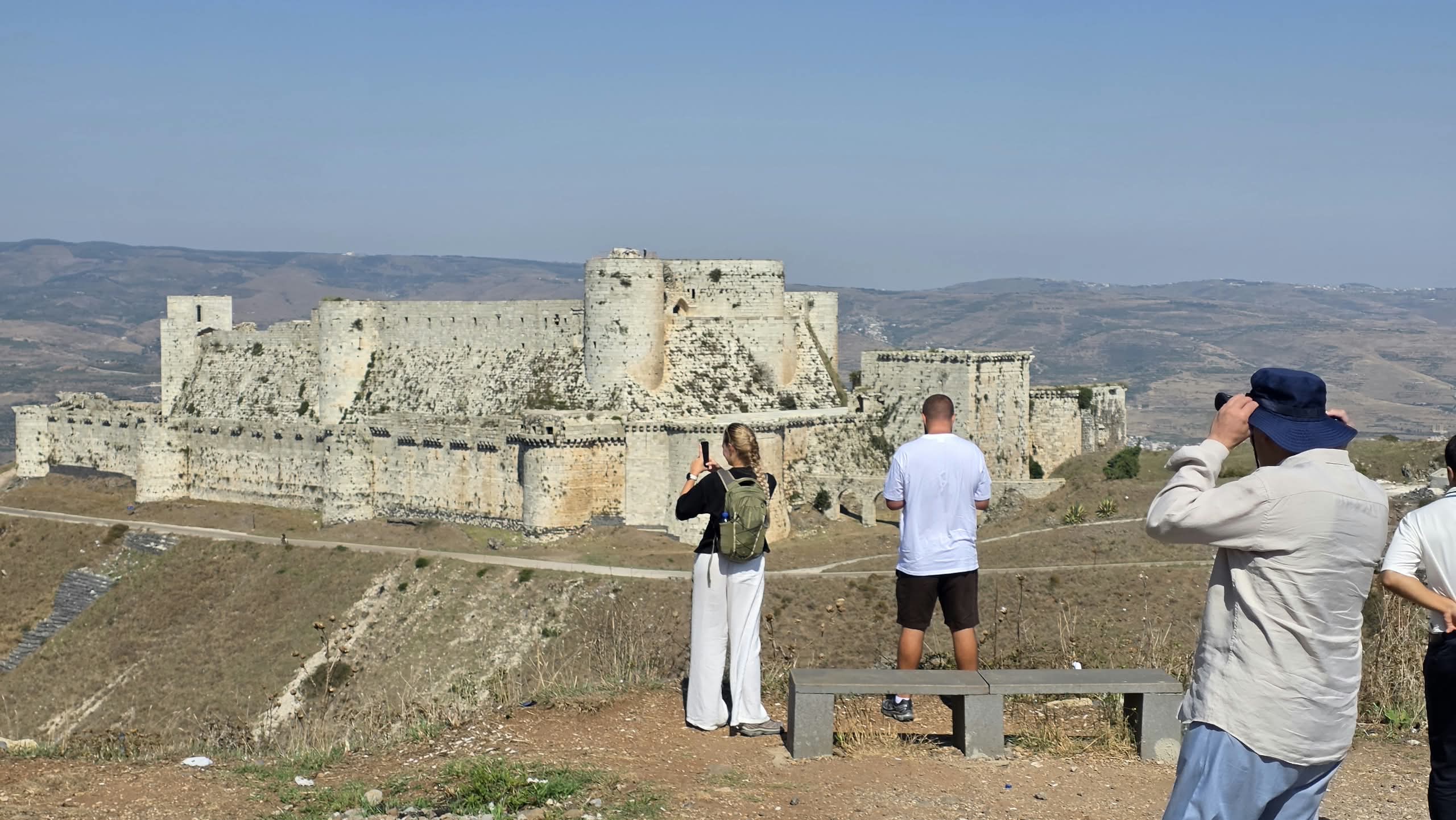
A wonderful period for city walks and open-air monuments. September can still be hot; October is often especially comfortable. Rain becomes more likely later in November.
A favourite for touring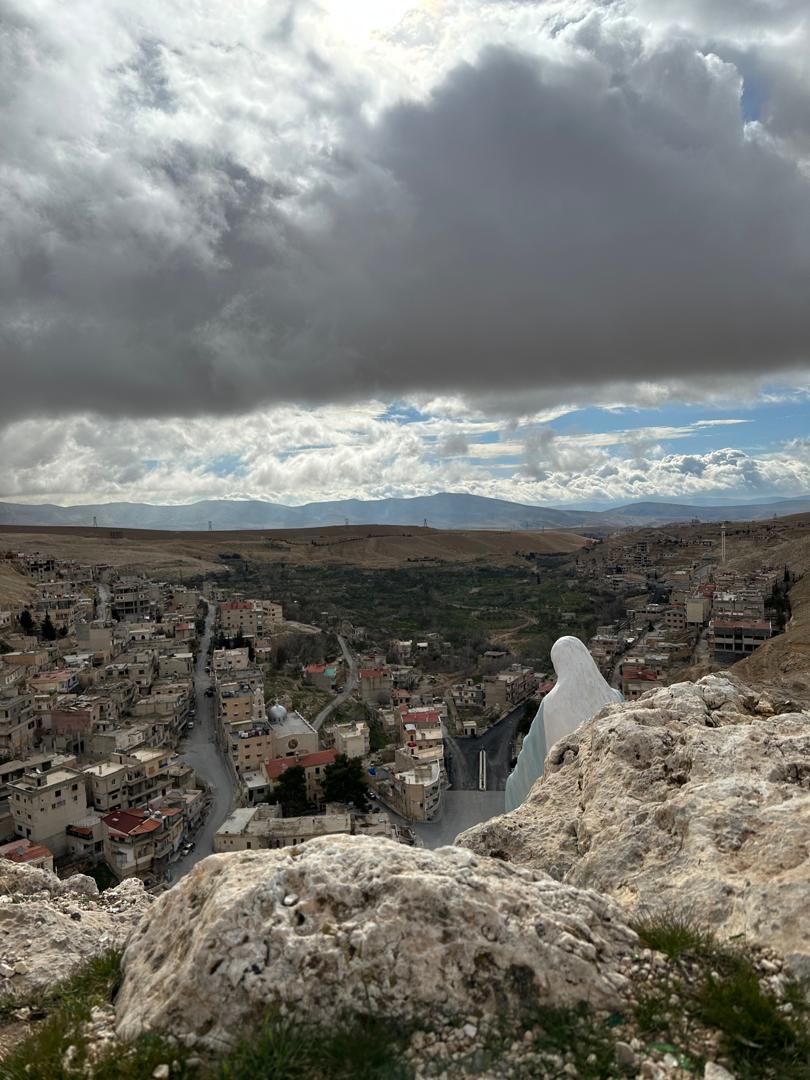
Damascus and Aleppo can be cold after sunset. Rain, mountain snow, and occasional road disruption are possible; the coast is milder but wetter. Pack a proper warm layer.
Pack for cold nightsThese are historical average daily highs and lows in degrees Celsius, not a forecast for your specific travel dates. Damascus and Aleppo are useful reference points, but mountain villages, the coast and the eastern desert will differ.
| Month | Damascus | Aleppo | ||
|---|---|---|---|---|
| High | Low | High | Low | |
| January | 12.6° | 0.4° | 10.3° | 1.7° |
| February | 14.8° | 1.3° | 12.6° | 2.4° |
| March | 18.9° | 3.7° | 16.9° | 5.0° |
| April | 24.5° | 7.0° | 22.6° | 8.9° |
| May | 29.7° | 10.5° | 28.7° | 13.5° |
| June | 34.2° | 14.2° | 33.6° | 18.1° |
| July | 36.5° | 16.9° | 36.2° | 20.9° |
| August | 36.2° | 16.5° | 36.1° | 20.9° |
| September | 33.4° | 13.0° | 33.2° | 17.3° |
| October | 28.0° | 8.9° | 27.0° | 12.4° |
| November | 20.3° | 4.0° | 16.8° | 6.4° |
| December | 14.2° | 1.3° | 11.9° | 3.3° |
Historical city averages: World Meteorological Organization – Damascus and Aleppo. These data use older climatological reference periods and should not be interpreted as present-day readings.
A little preparation makes every courtyard breakfast, souq walk and hilltop viewpoint more enjoyable.
Hat, sunglasses, SPF and a refillable bottle, especially for summer city walks and desert sites.
A light jacket in spring and autumn; a warm coat in winter and for high-altitude villages.
Comfortable, grippy shoes for uneven souq lanes, stone paving, archaeological sites and steps.
From late autumn through winter, consider a compact umbrella or waterproof outer layer.
Many travelers find April, May and October especially pleasant for a multi-city itinerary. March and November can also be rewarding, but spring nights can be chilly and rain becomes more likely later in autumn.
Inland cities frequently have daytime highs above 30°C (86°F) in July and August; Palmyra and other desert locations may exceed 40°C (104°F). Start outdoor visits early, rest during the hottest hours, and drink water regularly.
Yes. Snow occurs at higher elevations in winter, including mountain areas near Damascus, and can sometimes affect road access. Lowland cities are generally less snowy, but winter evenings can still be cold.
No. Damascus has a much drier inland climate and cooler winter nights. Latakia and the Mediterranean coast are more humid, with generally wetter winters and moderated temperatures close to the sea.
No precise day-by-day forecast is reliable that far ahead. Use the monthly averages and seasonal advice for long-range planning, then consult the short-term city forecasts near your departure and during the journey.
Choose a small-group departure or ask us to design a private tour around your interests, preferred dates and pace.