
The stories behind Syria’s landmarks
Aleppo Citadel: A Fortress Above a Thousand Stories
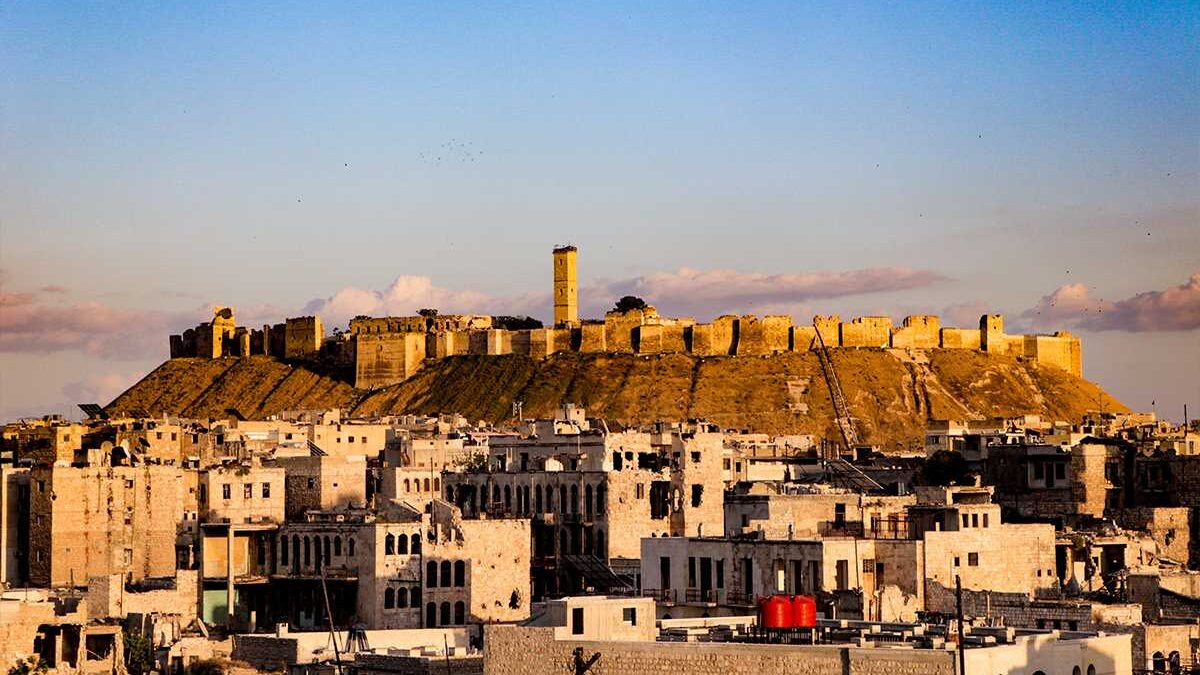
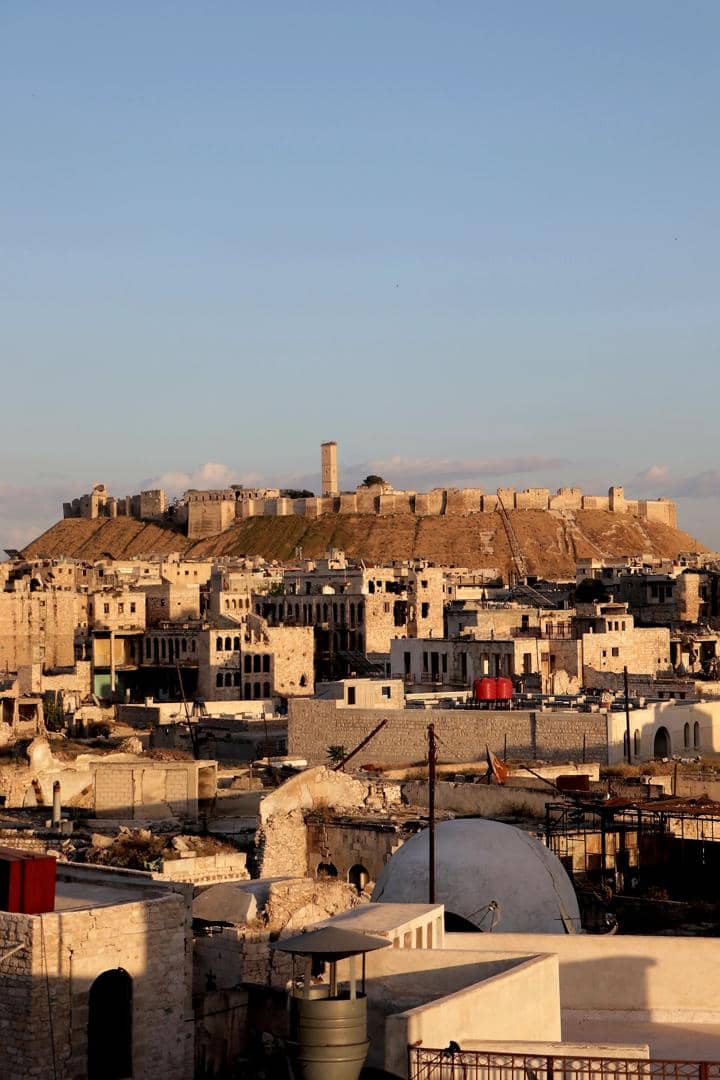
In Aleppo, there is one place you can see from almost everywhere. And once you reach it, you can see almost everything.
Above the old markets and the rooftops of Aleppo, a mighty stone fortress rises from an enormous hill. Its walls look almost impossible to climb. A bridge reaches towards its monumental gateway, while the city carries on with everyday life below.
But the Citadel of Aleppo is more than a castle. It is a whole world: a sacred hill, a military stronghold, a royal residence and a witness to the countless people who shaped Syria’s history.
To understand Aleppo, start by looking up. Then climb.
Aleppo Citadel at a Glance
Before the Fortress, There Was a Sacred Hill
The citadel’s story begins long before medieval armies. Archaeological remains associated with a Temple of the Storm God reveal the hill’s religious importance in the Bronze and Iron Ages. Different civilizations returned to the same elevated place because it mattered to them—and because it offered a commanding position over the surrounding city.
Greek, Roman and Byzantine rulers left their traces, followed by the rulers of medieval Islamic Aleppo. What we see today is not the work of one king or a single century. It is layer upon layer of history, built on a hill that had already been important for thousands of years.
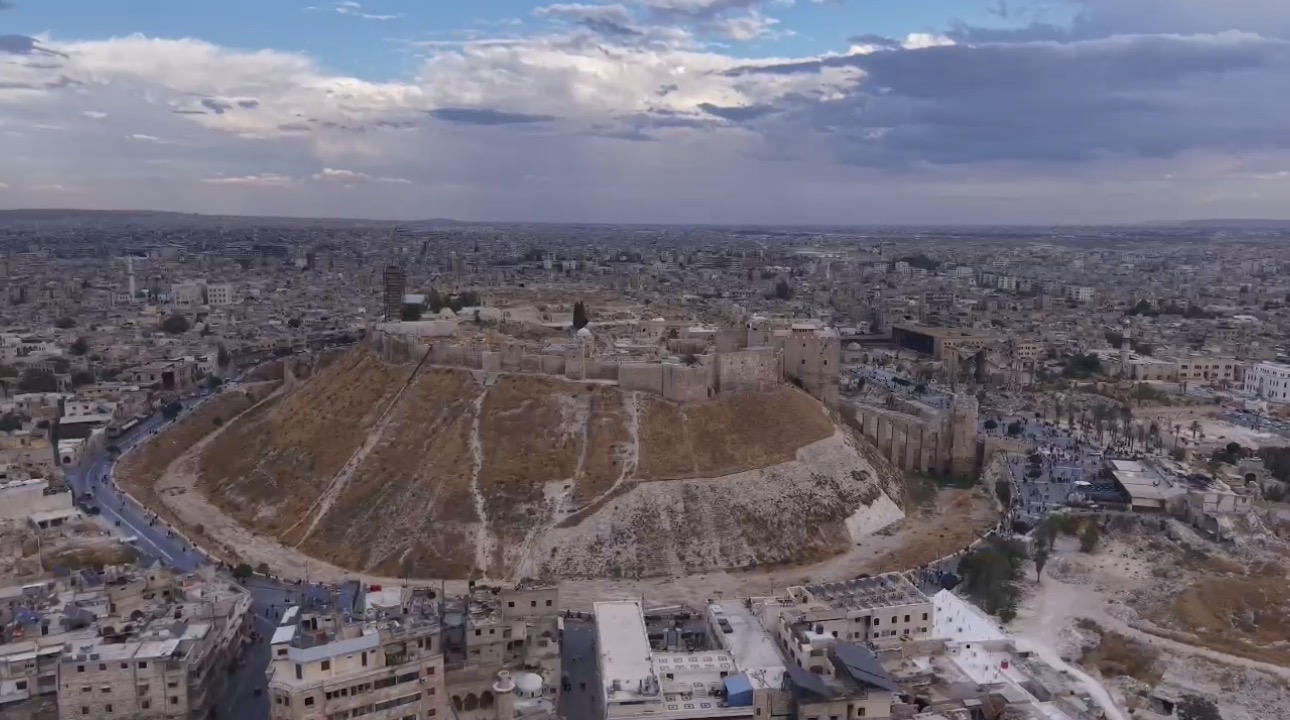
The sloping sides were strengthened and faced with stone, while the surrounding moat made the approach even more difficult. The landscape itself became part of the fortress’s defence.
The Gate That Was Designed to Stop an Army
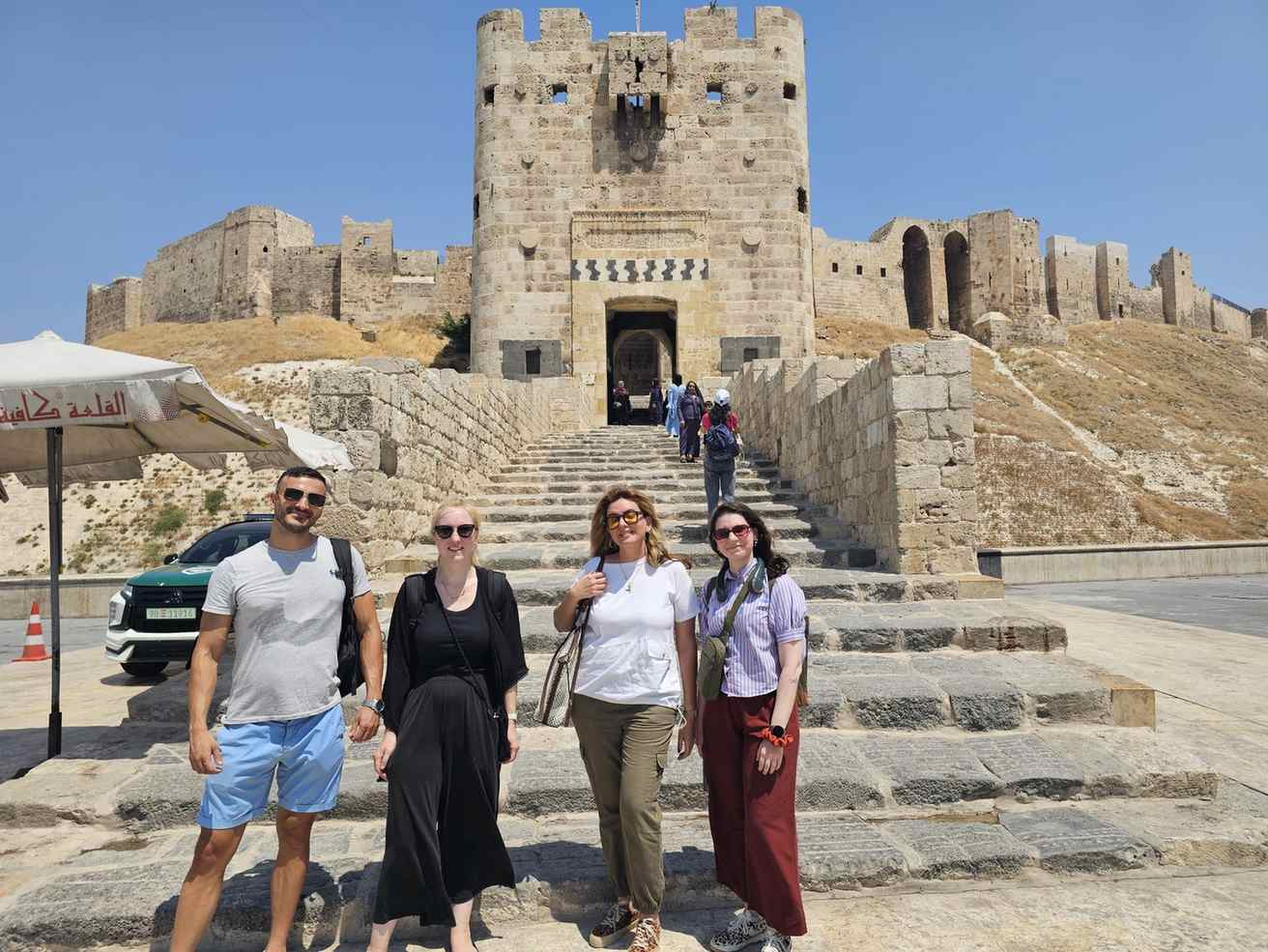
The walk up to the citadel is one of the most memorable introductions to any monument in Syria. You approach across a great stone bridge, climbing towards a fortified entrance high above the old streets.
The designers of this entrance understood that a gate was a fortress’s most vulnerable point.
The bridge, steep ascent and angled passages forced attackers to slow down and change direction. Defenders could protect the entrance from above instead of letting invaders rush straight through.
Much of this dramatic medieval character dates to the Zengid and Ayyubid periods, especially the reign of al-Zahir Ghazi, son of Saladin, who ruled Aleppo from 1186 to 1216.
Pause before entering. The gateway is not just the way into the monument—it is one of the monument’s greatest architectural achievements.

A Fortress That Was Also a Small City
Once through the gate, the citadel reveals a different identity. There were royal rooms, places of worship, baths, storehouses and spaces for the people who lived and worked behind the walls.
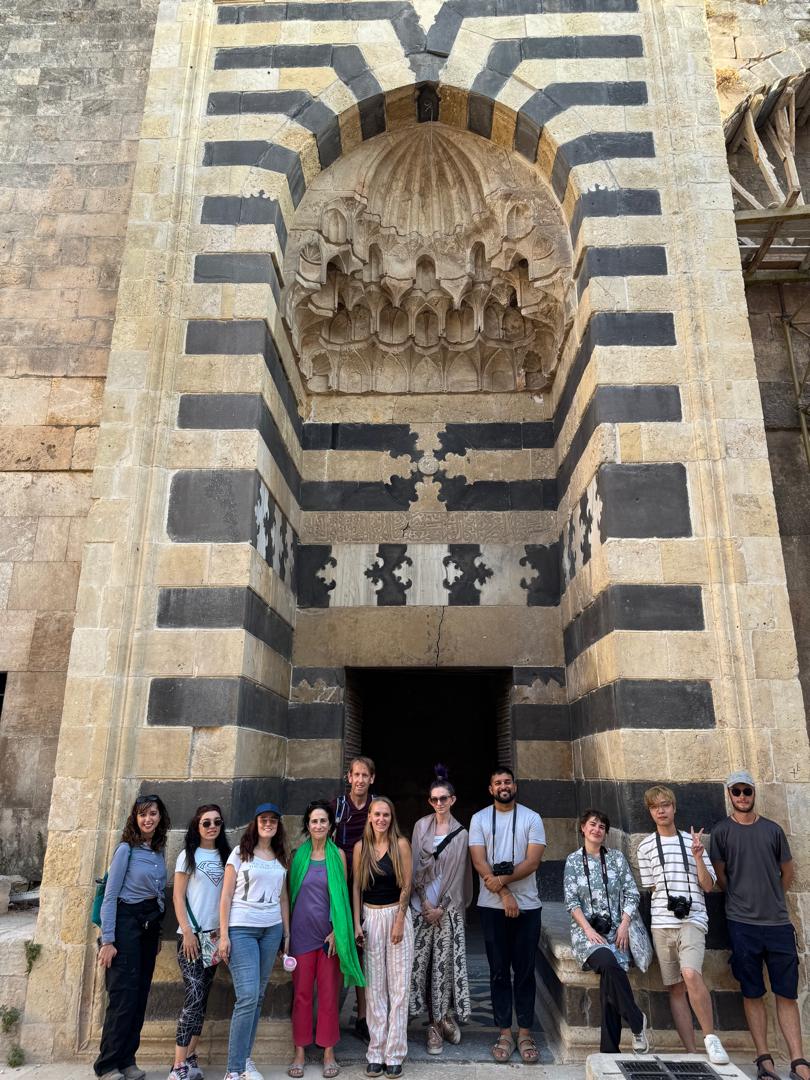
The Ayyubid royal complex reflects the power of Aleppo’s medieval rulers. Decorated stonework and carved entrances remind us that this was also a setting for court life.
The citadel also contains the remains of mosques, a bathhouse and the later Mamluk Throne Hall. Together, they show how rulers adapted the hill to changing military, religious and ceremonial needs.
Not every room has survived intact, and some areas may be restricted during conservation work. Even so, looking closely at the surviving walls makes it easier to imagine the busy world that once existed here.
What makes this place remarkable is that a fortress which looks so simple from far away—walls, towers and a rocky mound—contains so many different chapters of everyday life.
What the Citadel Has Survived
Over the centuries, the citadel experienced sieges, dynastic changes, damage and rebuilding. Its medieval walls and monuments were modified under Ayyubid, Mamluk and Ottoman rulers. The fact that so much survives is extraordinary.
Recent history has been difficult. Years of conflict damaged parts of the citadel and the surrounding Old City, and the February 2023 earthquake caused further harm. Restoration efforts have continued, including work to stabilise historic stonework and preserve the entrance.
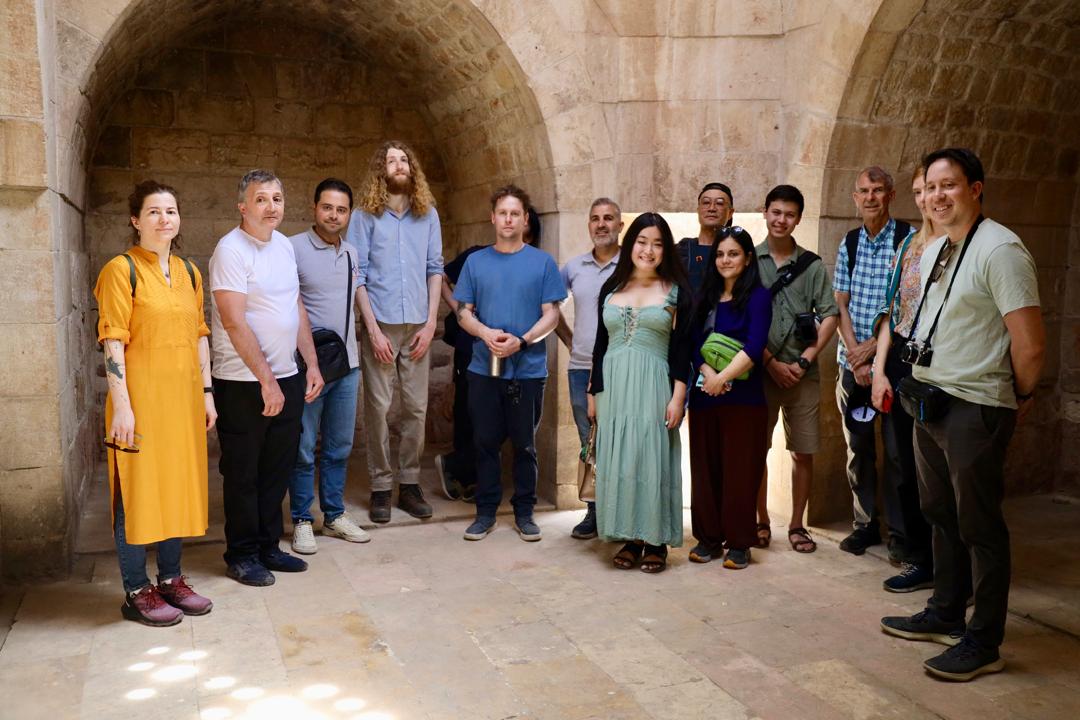
In September 2026, a new interactive interpretation project was launched to help visitors understand several locations inside the citadel through digital displays. As restoration and visitor facilities develop, the exact areas accessible can change.
The citadel is part of the UNESCO World Heritage property Ancient City of Aleppo, inscribed in 1986. The wider property remains on UNESCO’s List of World Heritage in Danger while conservation and recovery continue.
How to Visit Aleppo Citadel
The fortress stands in the centre of Aleppo’s Old City. It is easy to combine with a walk through the historic souqs, the Great Mosque and the traditional neighbourhoods surrounding the citadel.
- Allow time: About 90 minutes to two hours for the walk, architecture and views.
- Wear: Comfortable shoes with good grip. Steps and stone surfaces may be uneven.
- Bring: Water and sun protection, especially in warmer months.
- Accessibility: The steep approach, stairs and uneven ground make access challenging for visitors with limited mobility.
- Check locally: Opening hours, entrance fees, restoration areas and access to individual rooms can change.
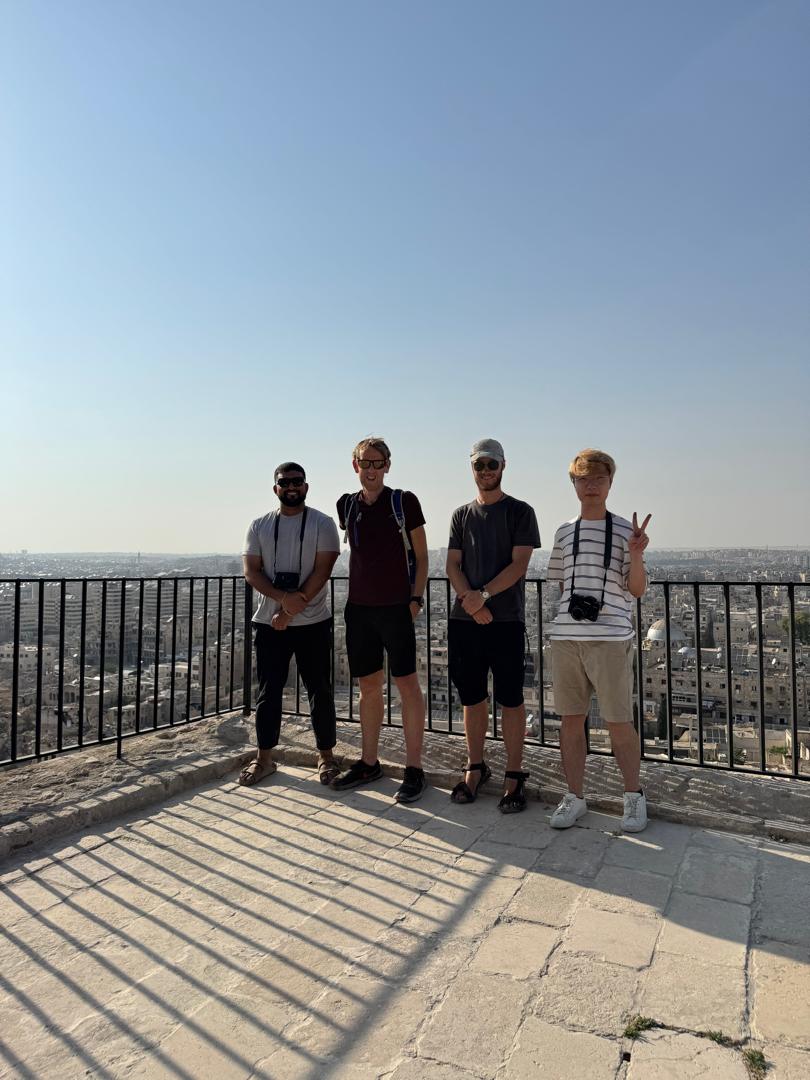
From the higher viewpoints, take a moment to recognise the city below: domes, roofs, old markets and neighbourhoods spread around the hill. With a local guide, the view becomes a story of how people lived, traded and rebuilt Aleppo across many centuries.
Want to discover Aleppo Citadel and the old city with someone who knows the history and the stories behind it?
Explore our Syria tours →One Last Thought
Aleppo Citadel does not ask you to imagine one century. It invites you to walk through many of them—then look out over a city still writing its next chapter.
History and conservation references: UNESCO Ancient City of Aleppo, French Ministry of Culture’s Medieval Aleppo study and 2026 interactive visitor project.
You might also enjoy
 Aleppo travel guideTop Things to See in AleppoPlan the sights, streets and experiences beyond the citadel.Read the story →
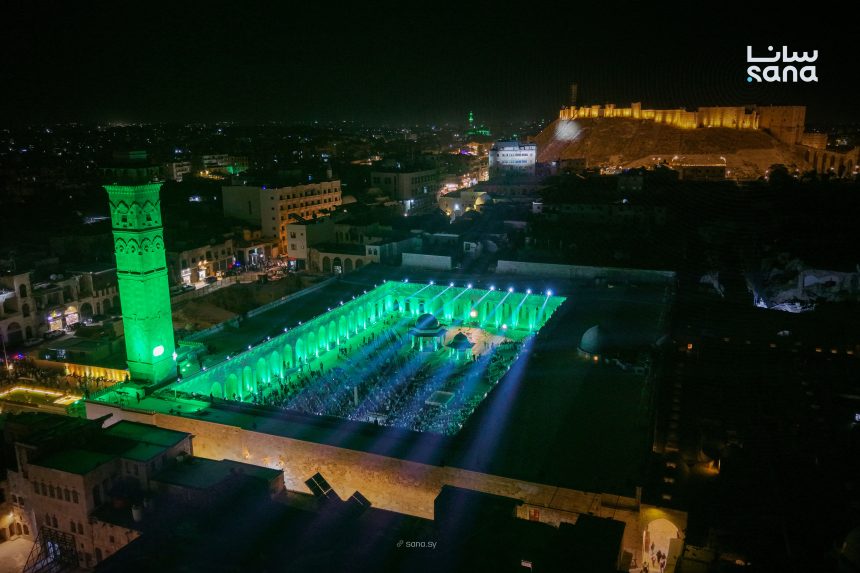 Nearby landmarkAleppo’s Great Umayyad MosqueDiscover another of the city’s most important monuments.Read the story →
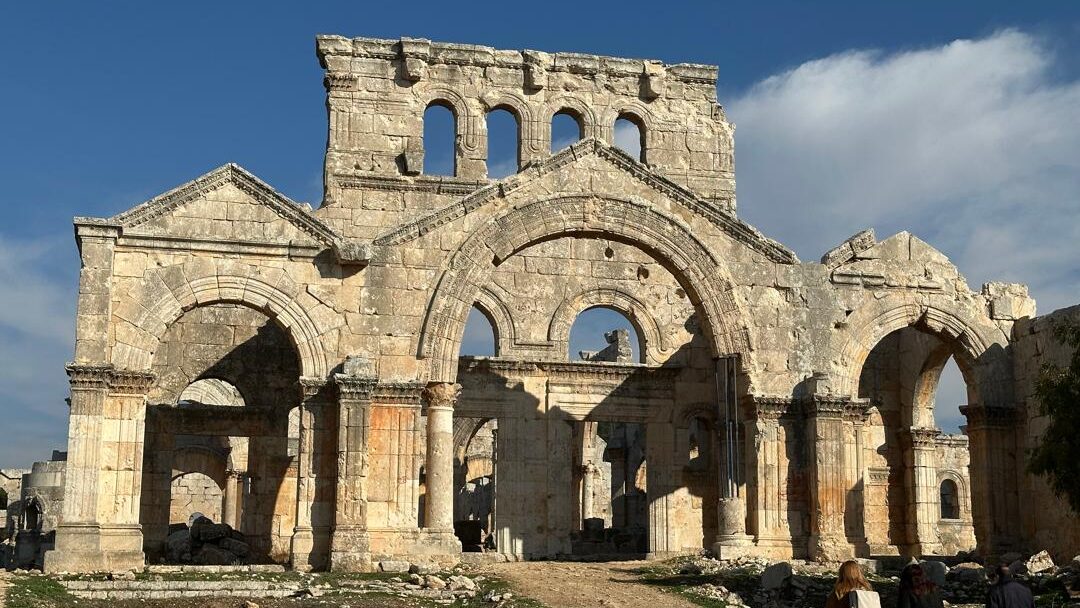 Beyond the citySaint Simeon Monastery ReopensExplore a remarkable early-Christian landmark near Aleppo.Read the story →
 Food and cultureWhy Aleppo Is a Great Food CityExperience the flavours and hospitality of this historic city.Read the story →