
The stories behind Syria’s landmarks
Ugarit in Syria: The City That Wrote Its Own Alphabet
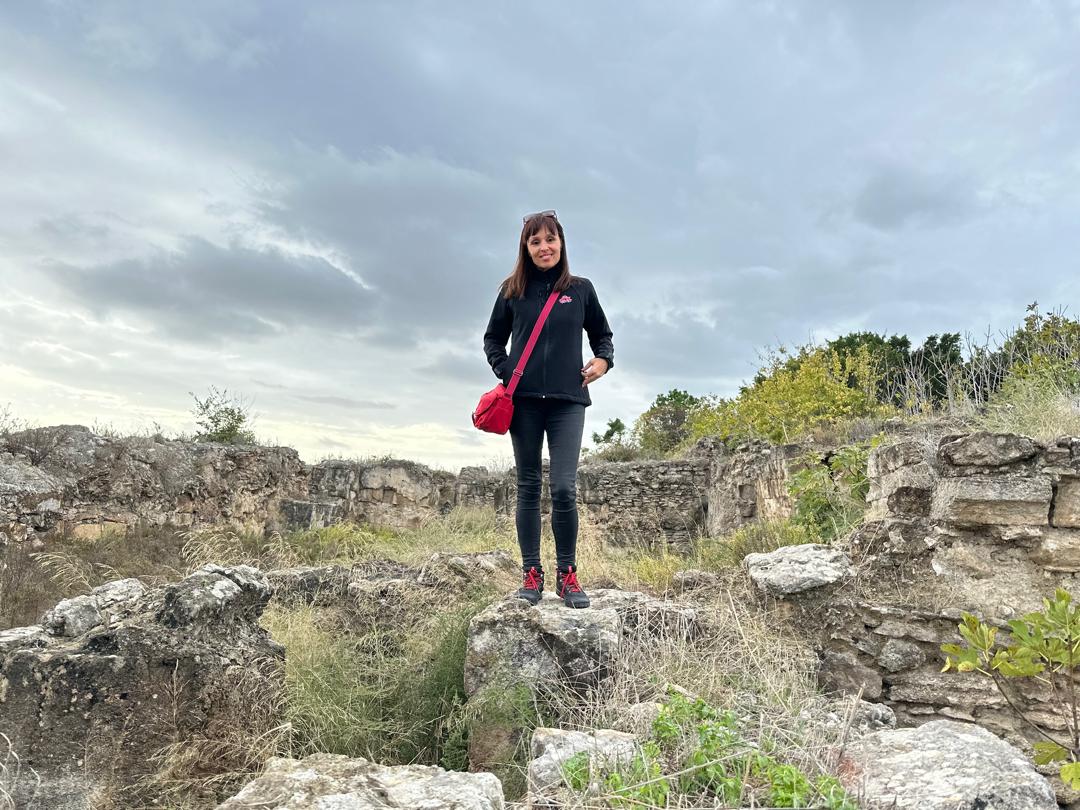
At Ugarit, one of the greatest discoveries is not a towering monument. It is an idea small enough to fit on a clay tablet.
In northern Syria, just outside Latakia, you can walk through the remains of an ancient city where merchants negotiated, kings exchanged letters and scribes pressed tiny wedge-shaped signs into clay. The walls are low today, but the stories they hold are immense.
This was Ugarit, the capital of a wealthy Bronze Age kingdom and home to a remarkable alphabetic writing system. To understand what makes this place special, you need to imagine not only the ruins beneath your feet, but the voices that survived on thousands of tablets.
← Explore more Syrian landmarksUgarit at a Glance
A Small Kingdom Connected to a Very Big World
Imagine the eastern Mediterranean around 3,300 years ago. Ships travelled along the coast, carrying materials, pottery and the news of faraway kingdoms. Ugarit stood close to a natural harbour at Minet el-Beida, with routes leading inland and north toward Anatolia.
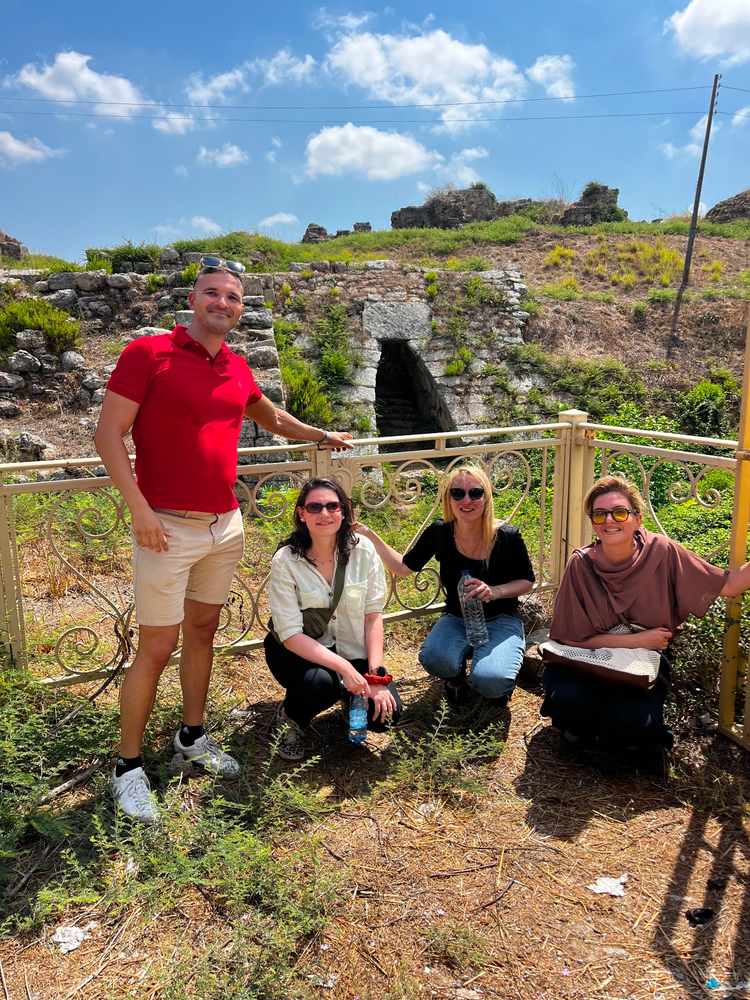
The city grew rich through trade. Its contacts stretched to Egypt, Anatolia, Cyprus and the Aegean, while inland routes connected it with other cities of Syria and Mesopotamia.
Its merchants handled goods such as grain and copper. Palace records tell us about officials, deliveries, payments, diplomatic correspondence and the work of governing a busy kingdom.
People here spoke and wrote more than one language. Ugaritic was local, but scribes also used Akkadian, then a widely understood language of international communication.
Ugarit was not simply a city receiving visitors. It was a place where different cultures constantly met.
As you walk between the foundations today, think of the people who once filled these streets: traders, officials, craftsmen, families and the scribes whose records would eventually reveal their world to us.
What a Palace of Almost 100 Spaces Tells Us
At first glance, the remains of the royal palace may look like a maze of low walls. Yet this was one of Ugarit’s most impressive buildings, covering roughly 6,000 square metres with nearly a hundred ground-floor spaces. There were courtyards and reception rooms, storage areas and spaces connected with royal administration.
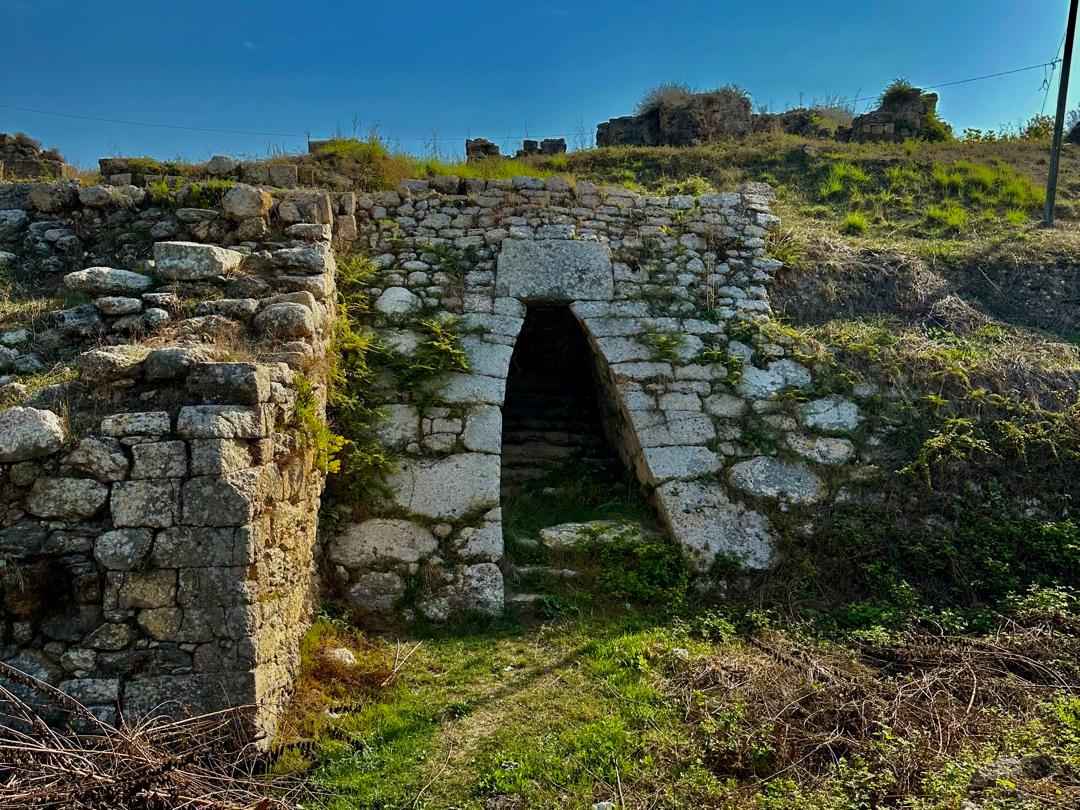
Some of the most valuable discoveries were not ornaments or grand statues. They were clay tablets from palace archives. Letters, legal documents and lists have helped archaeologists reconstruct the movement of goods, the decisions of rulers and the everyday responsibilities of officials.
Stand among the palace walls and imagine them rising above you. The stones that remain largely mark the lower storey; stairs found in the complex show that upper floors once existed. The city was much taller and busier than it looks today.
The temples of Baal and Dagan, as well as residential districts, are other reminders that Ugarit was not only a royal centre. It was a living city, with faith, family life and commerce woven together.
Thirty Small Signs, an Extraordinary Discovery
For many visitors, this is the reason they first hear about Ugarit. Its scribes used a system of wedge-shaped marks pressed into clay. But unlike many other cuneiform systems, which depended on much larger sign inventories, the Ugaritic script used an alphabet of around 30 signs.
The letters were made with a stylus on clay tablets. The system was primarily consonantal, so scholars often describe it more precisely as an alphabetic cuneiform abjad.
Did Ugarit invent the first alphabet? No. Earlier alphabetic writing existed elsewhere in the Near East. Ugarit’s achievement was developing and using a distinctive alphabetic cuneiform system, leaving exceptional evidence of how such writing worked in the Late Bronze Age.
The surviving tablets preserve personal letters, business dealings, myths, prayers and much more. It is as if a small window into ordinary human conversation has remained open for more than three millennia.
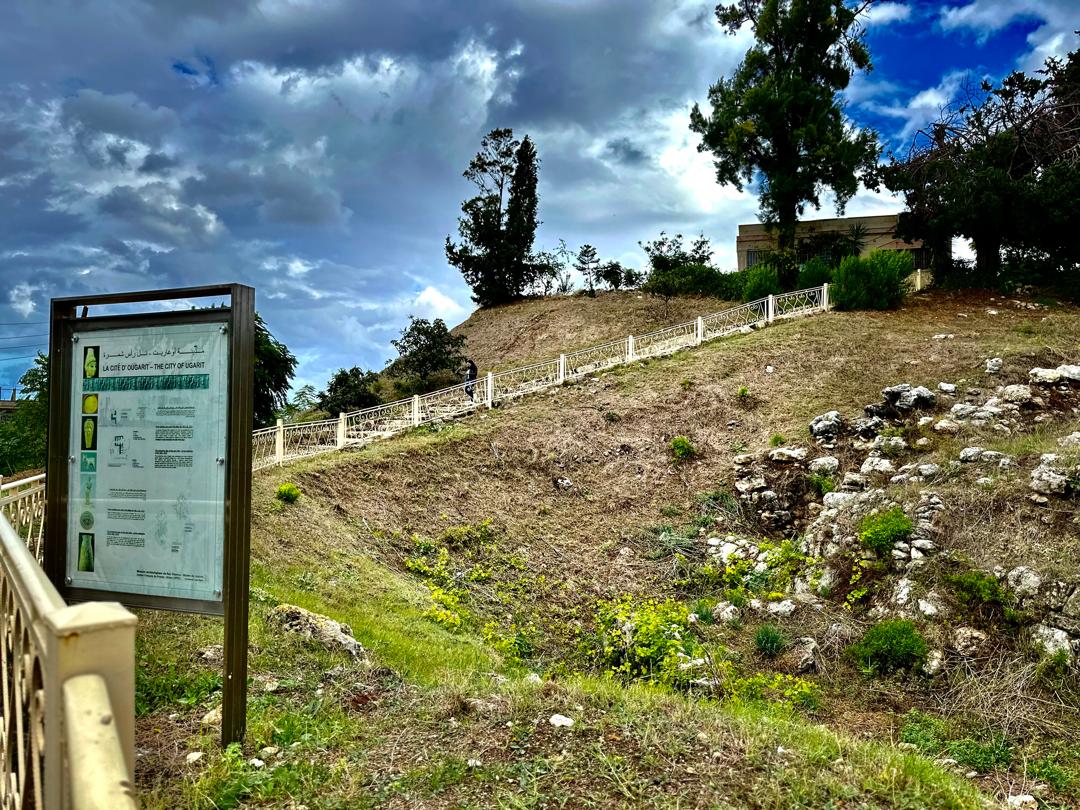
For more about ancient writing in Syria, see our story Syria’s Gift to the World: The First Alphabet. The Ugaritic system is a fascinating chapter of that much longer history, not the beginning of every alphabet used today.
Ugarit Also Preserved One of the Oldest Written Songs
Writing was not only for trade and administration. Archaeologists at Ugarit also discovered clay tablets containing Hurrian hymns, including the celebrated Hymn to Nikkal. Dating to around the second millennium BCE, the surviving text includes words and instructions related to musical performance.
Not with certainty. Scholars have proposed different ways of interpreting the notation, and the versions performed today are reconstructions. Still, the tablet offers a remarkable glimpse of ancient musical knowledge: someone here wanted a song to outlive the moment it was sung.
That is what makes Ugarit so human. We know its people not only through the stones they built, but through records of what they wrote, believed, bought, feared and possibly sang.
How an Ancient Capital Was Lost—and Found Again
Ugarit’s final decades coincided with upheaval across the eastern Mediterranean. Cities and kingdoms faced invasions, disrupted trade and political collapse. Ugarit was destroyed around the turn of the 12th century BCE, but the exact combination of causes remains debated.
Thousands of years later, an ancient tomb was found near the coast in 1928. Excavations began in 1929 and gradually revealed the palace, houses, temples and extraordinary archives. A forgotten city’s name and stories came back into view.
Visiting Ugarit Near Latakia
The archaeological site is at Ras Shamra, roughly 10–12 kilometres north of Latakia, set just inland from Syria’s Mediterranean coast. It works well as a stop during a broader visit to Latakia and the coastal region.
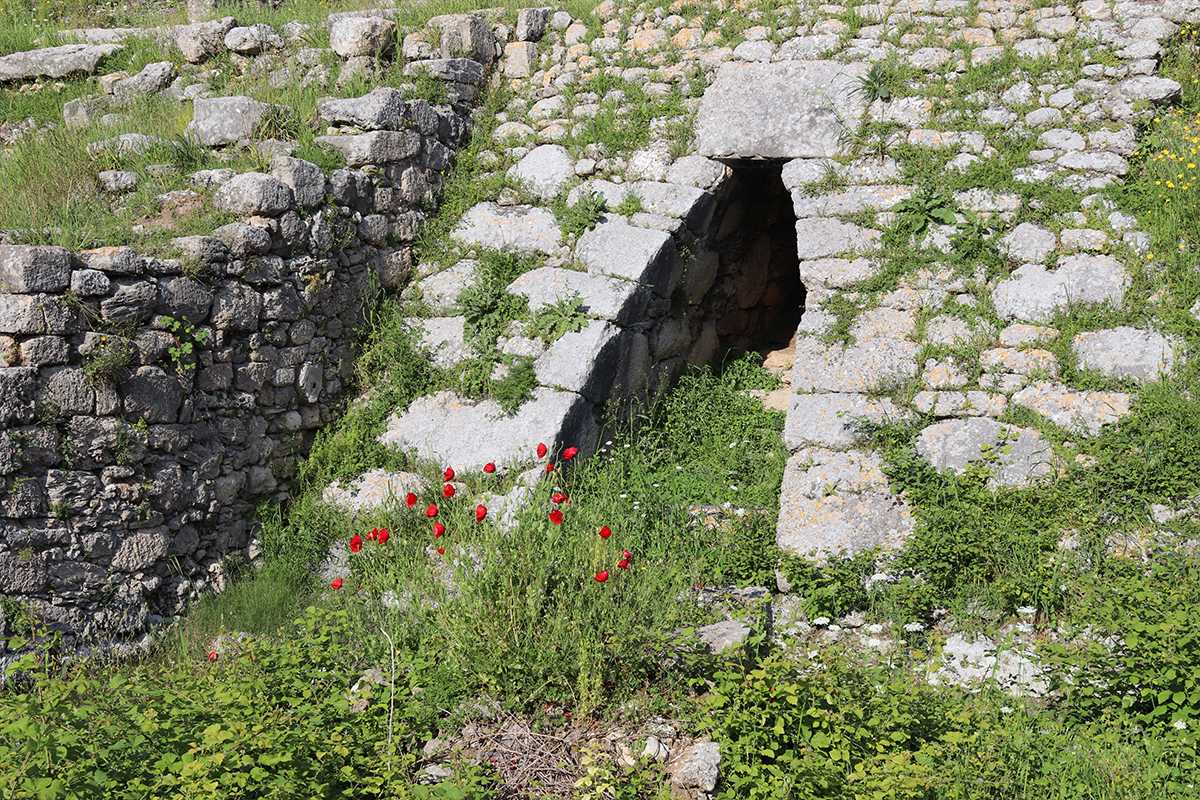
- Allow: Roughly 60–90 minutes to explore the remains without rushing.
- See: The royal palace area, ancient streets, residential foundations and remains of religious buildings where access permits.
- Wear: Sturdy walking shoes. Paths and surviving stones can be uneven.
- Bring: Water, a hat and sun protection; exposed parts of the site have limited shade.
- Accessibility: The uneven archaeological ground may be challenging for some visitors.
- Check: Local opening arrangements, access restrictions and any entrance fees before travelling.
Ugarit is a place where a good explanation makes a difference. Without its history, you might see only foundations. With the story of the palace, the tablets and the coastal trade routes, you begin to see the city again.
Want to explore Ugarit and more of Syria’s remarkable past with local guides?
Explore our Syria tours →For other historic places to combine with your trip, explore our Syria Landmarks directory and practical attractions guide.
One Last Thought
A palace can fall. A trading city can disappear. Yet a few marks pressed into clay can still carry its people forward for thousands of years. That is the wonder of Ugarit.
Historical references: French Ministry of Culture: Ugarit–Ras Shamra, The Metropolitan Museum of Art, National Museum of Damascus: alphabet tablet, and research on the Hurrian hymn.
You might also enjoy
 Words and writingSyria’s Alphabet StoryExplore another chapter in the history of early writing.Read the story →
 Archaeology newsAn Ancient Alphabet on DisplayDiscover why a tiny tablet from Ugarit attracts so much attention.Read the story →
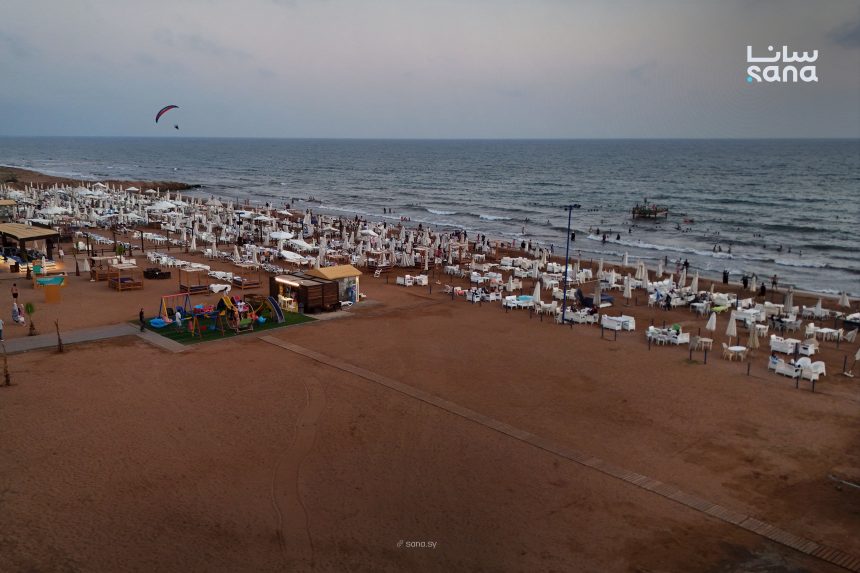 The Syrian coastBeyond the Archaeological SitesExplore a different side of the region around Latakia.Read the story →
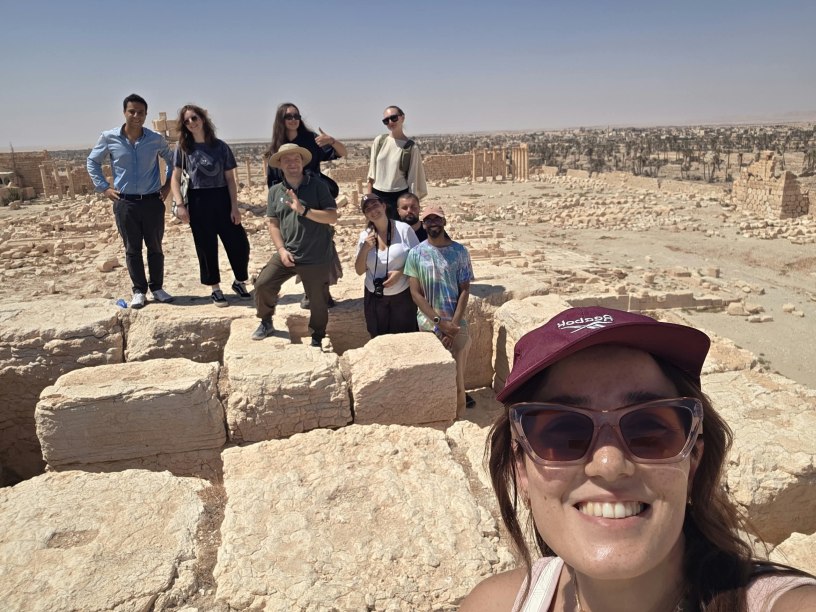 Plan your itineraryMore Syria AttractionsFind more remarkable sites to add to your journey.Read the story →