
The stories behind Syria’s landmarks
Great Mosque of Aleppo: A Sacred Heart Rebuilt
There are places in Aleppo where the past is not behind glass. It is part of daily life.
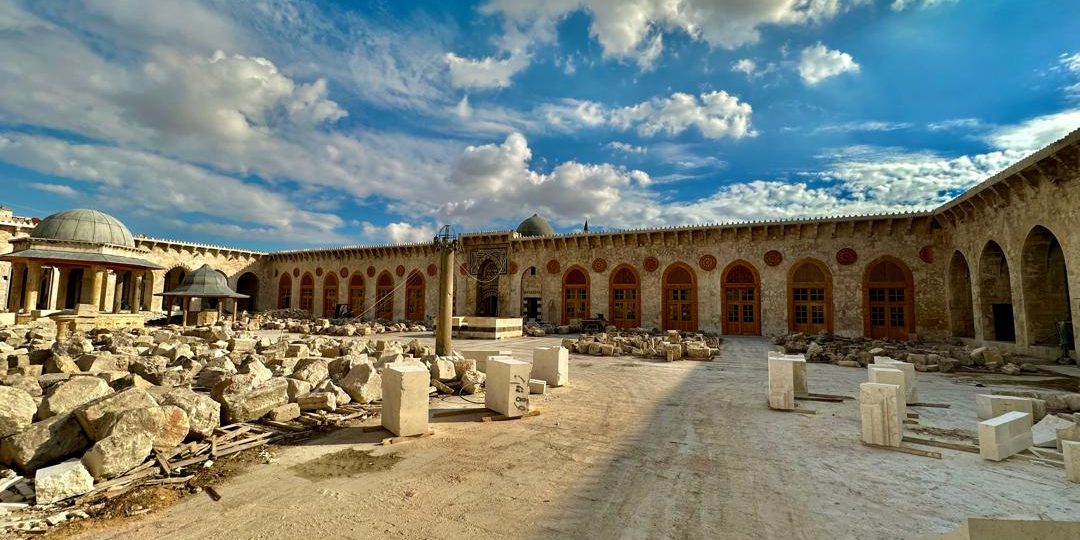
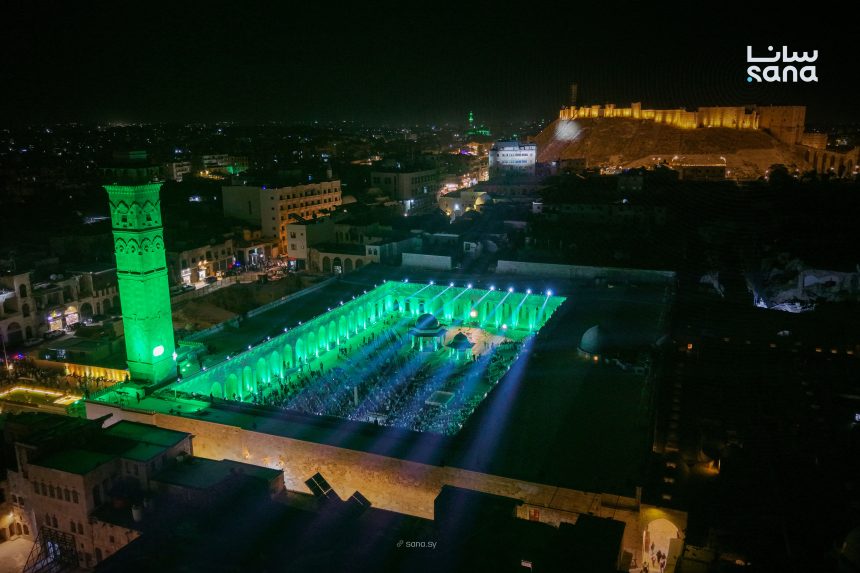
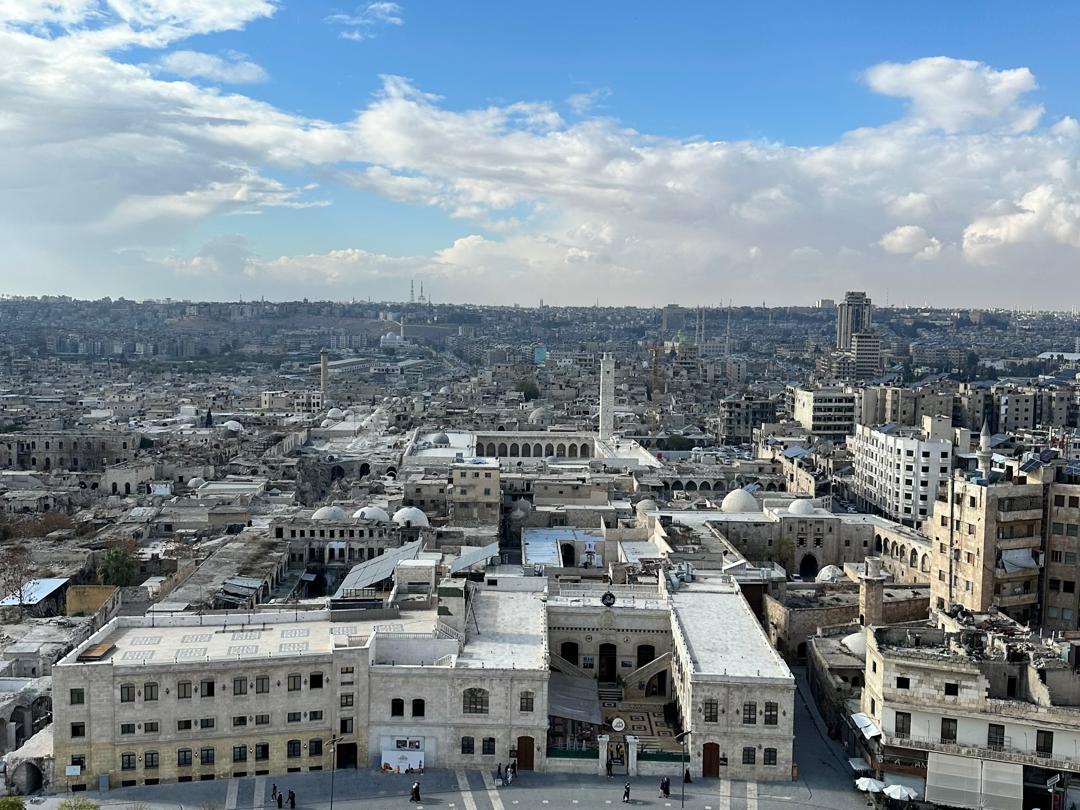
In the heart of Old Aleppo, not far from the great markets, a mosque has gathered the life of the city around it for more than a thousand years. Its courtyard is an open-air meeting of stone, sunlight and human stories.
The Great Mosque of Aleppo, often called the Umayyad Mosque, was founded in the early eighth century. But the building seen today was shaped by generations of later builders and restorers as Aleppo grew, suffered and changed.
After severe wartime destruction, the mosque reopened on 8 October 2026. This return made international headlines, but for Aleppo residents its importance reaches beyond tourism: the mosque is also a functioning place of worship.
← Explore all Syria landmarksThe Great Mosque at a Glance
Where Aleppo Gathered to Pray
Aleppo was already an important city when the Umayyads established a great congregational mosque here in the early 700s. Its position near busy streets and markets was no accident. The main mosque helped define the rhythm of the city.
Much of the surviving historical character reflects later rebuilding. Medieval rulers repaired the mosque after fires, natural disasters and invasions, leaving details that cannot all be assigned to one period.
As you approach from the souqs, notice how the noise of trading streets gives way to a calmer architectural space. This transition between commerce and worship has been part of city life for centuries.
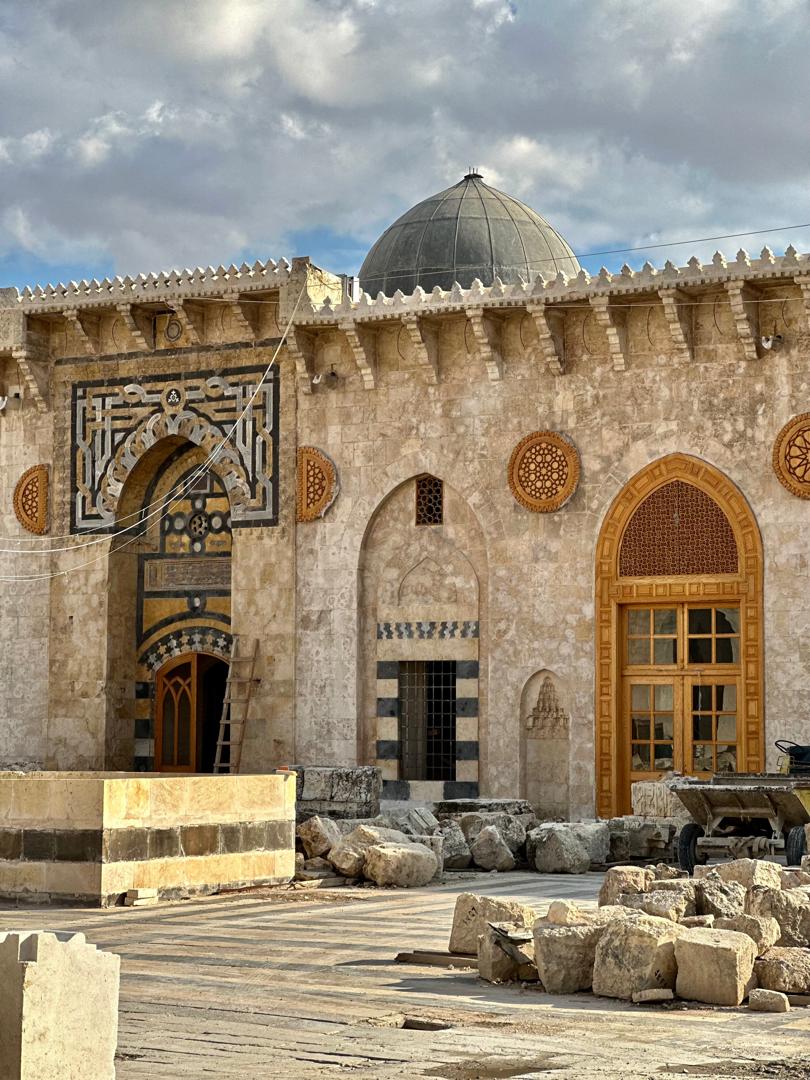
The courtyard is one of the most memorable spaces. Its geometric patterns of pale and dark stone create an unusually graphic setting beneath the open sky.
Look beyond the main gate. The arcades provide shade and help frame the prayer hall, while carved stone elements reflect the work of craftsmen from different periods.
When people are praying, remember that this is not simply an open-air museum. Allow worshippers space and time, and follow directions about which areas visitors may enter.
The Minaret That Disappeared in 2013
One of the mosque’s greatest monuments was its square Seljuk minaret. The dated inscriptions record construction between 1090 and 1096, and its elegant carving made it a landmark of Islamic architecture.
In April 2013 the historic minaret collapsed during fighting. Parts of the courtyard, arcades and nearby structures also suffered severe damage during the conflict.
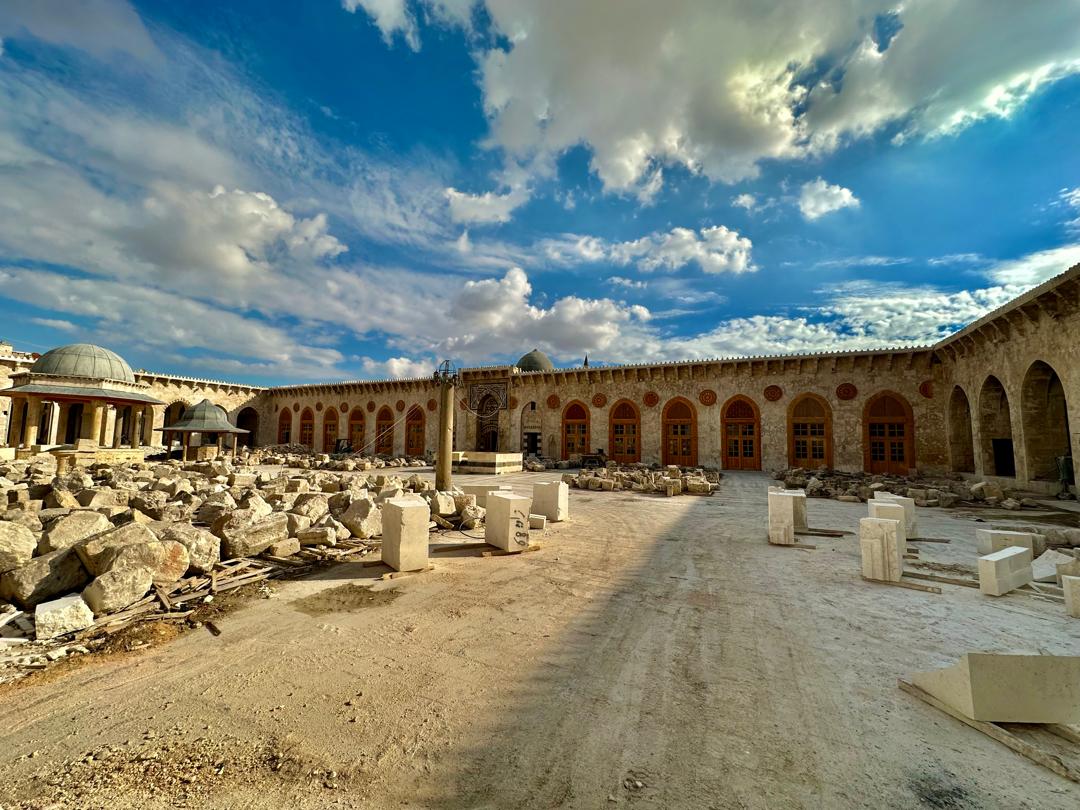
The loss was felt well beyond Aleppo. It was damage to a building at the centre of the UNESCO-listed Ancient City of Aleppo, but also to a place connected with the memories of generations of residents.
Restoration specialists subsequently documented recovered stones and worked to rebuild the historic features. Reports from the October 2026 reopening described renewed arcades, paved areas, ablution facilities and reconstruction of the minaret incorporating salvaged original stones.
The work is a reminder that restoration means far more than making a building look new. It requires evidence, careful decisions and respect for what survived.
What the 2026 Reopening Means
The mosque reopened to worshippers and visitors on 8 October 2026, following years of repair. People returning to pray there connect it with community life as well as heritage.
Because the mosque is part of Aleppo’s living Old City, a visit works best together with the historic souqs and the nearby citadel. The city’s major landmarks were never isolated: traders, residents and religious communities moved between them every day.
Reopening does not necessarily mean that conservation is complete or that every corner of the mosque is continuously accessible. Prayer times, restoration work and local arrangements can affect visiting.
For travellers, the most rewarding approach is to understand the mosque as a cultural and religious place with an unfinished story of recovery.
The contrasting stone patterns are easy to miss when you are looking at the prayer hall and minaret. They are one of the site’s most immediate visual pleasures.
How to Visit the Great Mosque of Aleppo
Plan your walk through the old market area, and remember that access to an active mosque is different from visiting a conventional museum.
- Allow approximately 30–60 minutes, depending on access and whether you visit with a guide.
- Wear modest clothing appropriate for an active mosque; additional covering may be requested.
- Remove shoes when directed, and respect restricted prayer areas.
- Avoid photographing worshippers without permission.
- Check locally for visiting hours, particularly during prayers and religious occasions.
- Continue on foot through nearby souqs or visit Aleppo Citadel to understand the city’s historic centre.
Discover Aleppo’s historic streets and monuments with a local guide.
Explore our Syria tours →One Last Thought
The Great Mosque is remarkable because it has endured as both a beautiful historic building and a place people continue to use. Its restoration is another chapter, not the end of its story.
Sources: Syrian Heritage Archive · October 2026 reopening report · UNESCO Ancient City of Aleppo.



Keep exploring
You might also enjoy
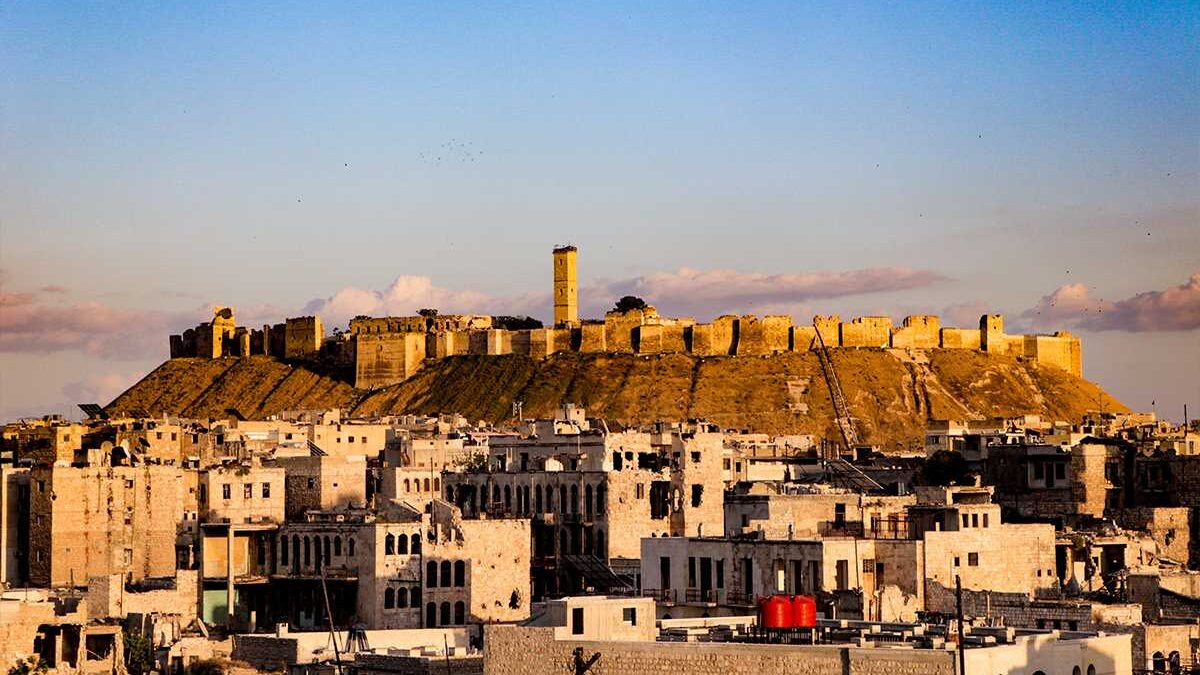 Nearby landmarkAleppo CitadelA fortress above the souqs and rooftops of the old city.Read the story →
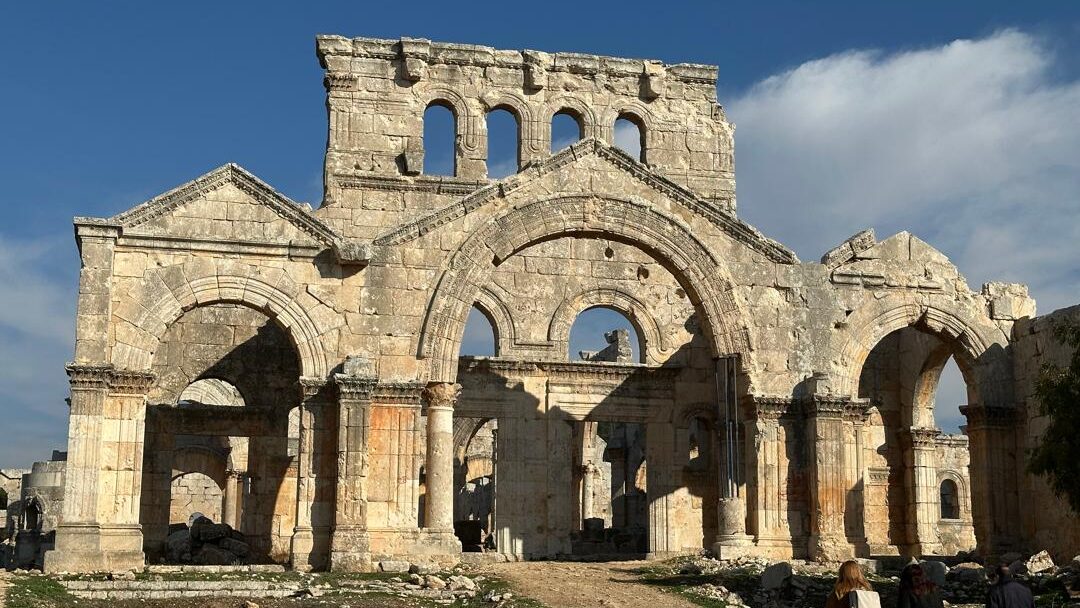 Beyond AleppoSaint Simeon MonasteryThe remarkable early Christian site outside Aleppo.Read the story →
 Culture & foodAleppo’s Food HeritageDiscover the local flavours that make the city famous.Read the story →Plan your visitTop Sights in AleppoOther experiences to add to your time in the city.Read the story →