
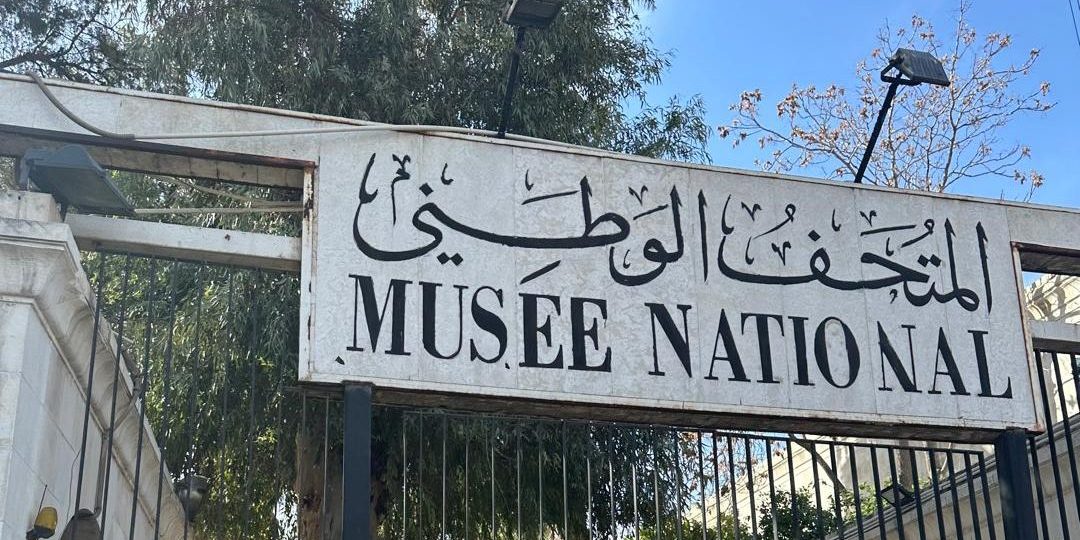
National Museum of Damascus: Syria’s History Under One Roof
Imagine walking through several thousand years of Syrian history in one afternoon—from the first cities to the art of Roman Palmyra and beyond.
The National Museum of Damascus is one of the most valuable introductions to Syria’s history. Its collections connect the monuments visitors see across the country with the people who made, used and left behind the objects recovered from them.
The museum’s story is not limited to a single civilisation. Tablets from ancient cities, sculptures from Palmyra, mosaics, painted walls and works of Islamic art help visitors piece together a much larger picture.
It is especially rewarding before travelling onward to Ugarit, Palmyra, Bosra or the north. A small object behind glass can make the ruins of an ancient city feel far more human.
At a Glance
A Museum Built Around Syria’s History
The museum’s earliest collections were established in 1919. As excavations expanded, the institution outgrew its original quarters and moved to its current home in Damascus during the 1930s.
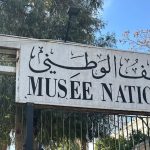
One of the first things to notice is outside: the entrance includes the reconstructed façade of Qasr al-Hayr al-Gharbi, an Umayyad-period desert palace. In this case, part of a historic building became part of a new museum building.
The façade is a reminder that Syria’s museums do not preserve only small portable objects. They also protect architectural elements whose original sites might be difficult to maintain or visit.
Inside, galleries have traditionally covered prehistoric Syria, the ancient Near East, Classical antiquity, Islamic art and later cultural material. The availability of individual rooms can change, so ask what is open at the time of your visit.
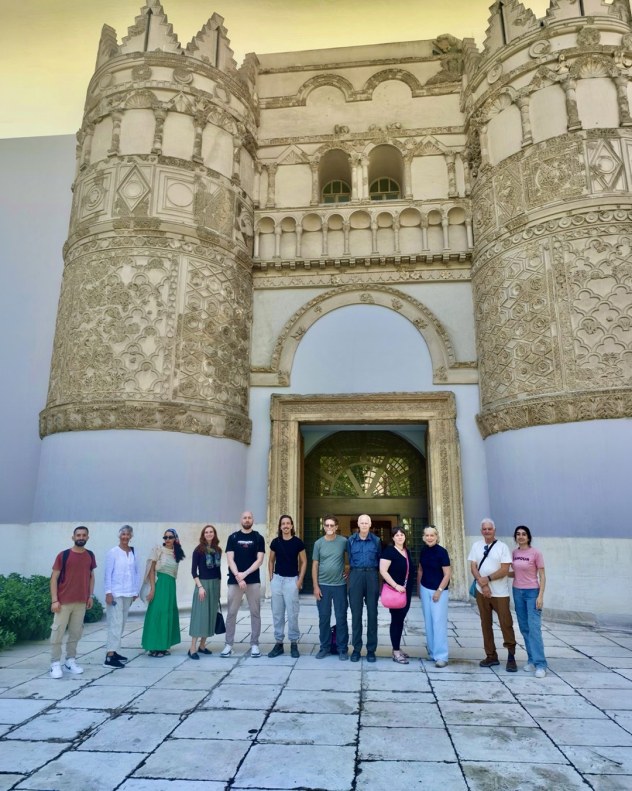
The entrance makes a fitting introduction: one building’s architectural history now frames another building’s cultural mission.
Notice the relief details before walking inside. They are not a modern decorative imitation invented for the museum’s façade.
A visit with a local guide helps connect the museum to places you may see later, from the old city of Damascus to archaeological sites elsewhere.
Tablets, Painted Walls and Roman Mosaics
Among the most internationally significant holdings are objects from the ancient cities of Ebla, Mari and Ugarit. Their tablets and inscriptions transformed modern understanding of Bronze Age Syria.
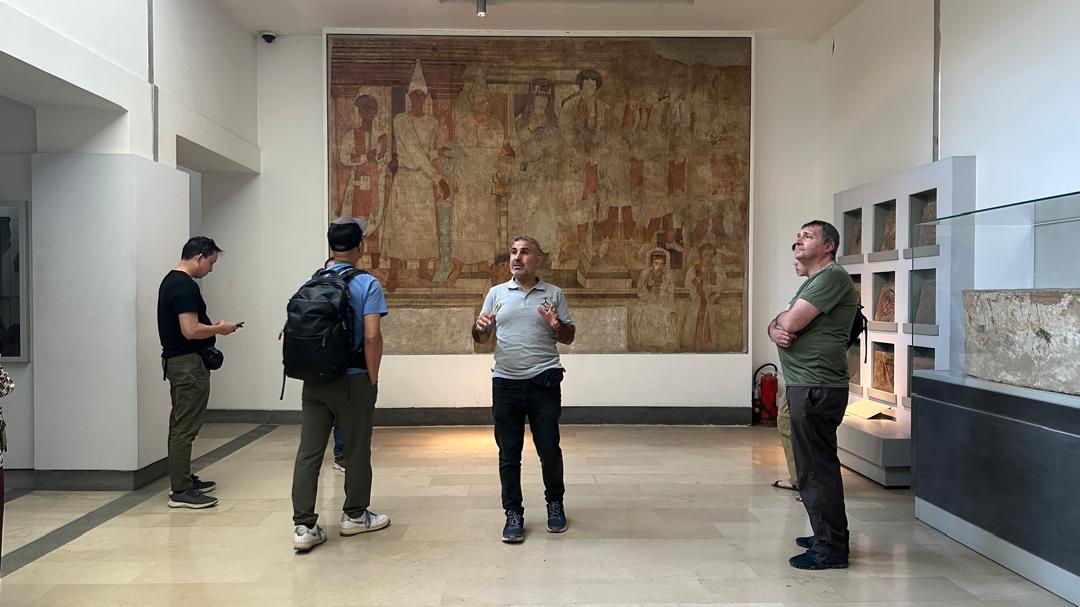
The museum has also preserved materials from Dura-Europos, the city on the Euphrates whose painted buildings provide extraordinary evidence of the religious diversity of Roman Syria.
Another major theme is Palmyra. Funerary reliefs, sculpture and objects connected with the desert city preserve a remarkable record of trade, social identity and artistic life.
The Classical galleries contain sculpture and mosaics, while other sections bring visitors closer to the traditions of the Islamic centuries. The objects look very different, yet together they help explain why so many cultures have passed through this country.
Why the Display Can Change From One Visit to the Next
During years of conflict, many museum objects were moved to storage for protection and galleries were closed or reconfigured. The institution subsequently reopened in stages, and its exhibition programme continues to evolve.
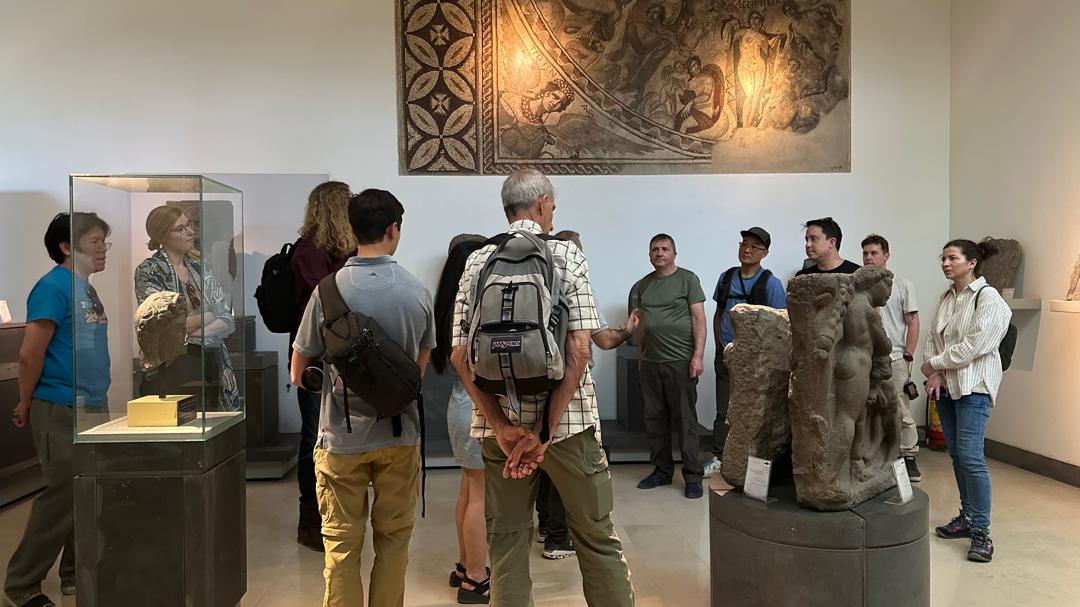
Visitors should distinguish between the museum’s collection and the objects actually displayed on a particular day. A famous tablet, a particular sculpture or a room may be unavailable even when the museum is otherwise open.
In October 2026, the museum hosted an exhibition exploring the local Syrian workers involved in excavations at Dura-Europos. It is a useful example of how museums can present not only ancient objects, but also the people whose labour helped recover them.
These contemporary exhibitions remind us that archaeological heritage is never just the story of foreign expeditions or ancient kings. It also involves Syrian communities, researchers, conservators and museum staff.
If one object is central to your visit, ask in advance whether it is on display rather than relying on an outdated online checklist.
Start with the ancient Near East, then move toward later periods. That sequence turns a collection of individual objects into an understandable journey through Syrian history.
How to Visit
The National Museum is in central Damascus near the historic Takiyya al-Sulaymaniyya. It is worth giving the galleries time rather than treating the museum as a quick indoor stop.
- Allow about 90 minutes to two and a half hours, depending on the galleries open and your interest in archaeology.
- Ask which halls and temporary exhibitions are available before planning a route through the collections.
- Check current opening hours and ticket prices with the museum or a local guide; these have changed over time.
- Ask before taking photographs, since restrictions may differ between rooms or exhibitions.
- Leave time to look at the historic entrance façade and any accessible sculpture in the museum garden.
- Choose a few themes—writing, Roman Syria or religious art—rather than trying to examine everything at the same pace.
- Combine the museum with the nearby historic centre or use it to prepare for travel to Ugarit, Palmyra and other sites.
Explore Syria beyond the guidebooks with our local guides.
Join our tours →One Last Thought
The great advantage of the National Museum is perspective. A temple, a tablet and a painted wall may come from very different places, but together they tell the larger story of Syria.
Latest Syria news
- Syria Entry Update: Visa Pre-Approval for All Nationalities by Air and Land
- National Museum of Damascus: Syria’s History Under One Roof

- EU Passport Holders: Visa Approval Before Air or Land Travel to Syria
- U.S. Passport Holders: Visa Approval Required Before Entering Syria
- Beit Jabri Damascus: A Courtyard Where Old Syria Lives


You might also enjoy
 Syrian coastUgarit and Its AlphabetA city remembered through tabletsRead the story →
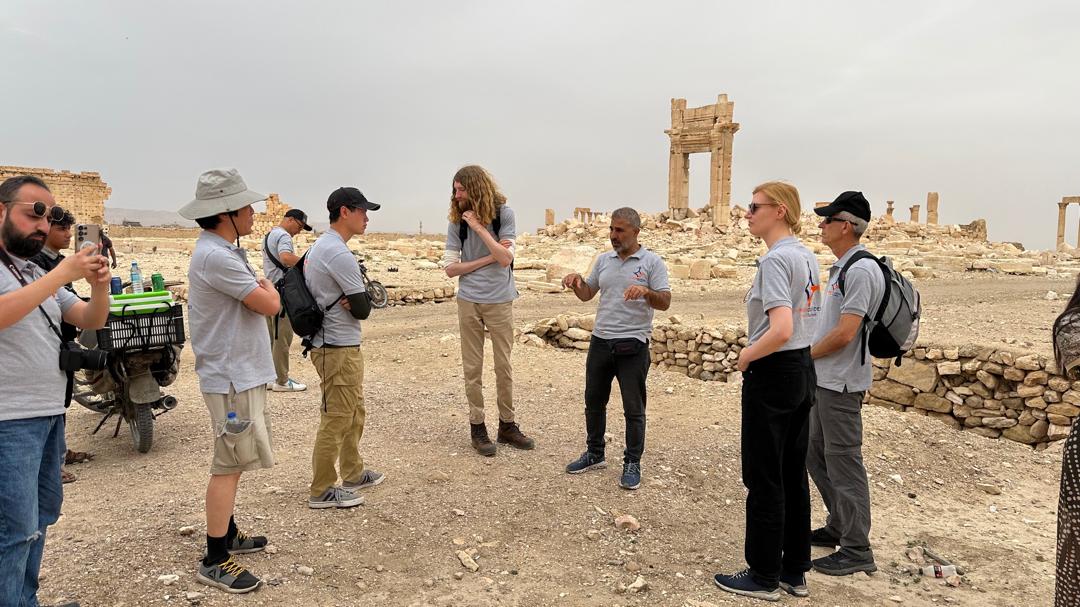 PalmyraTemple of BelA site linked with museum collectionsRead the story →
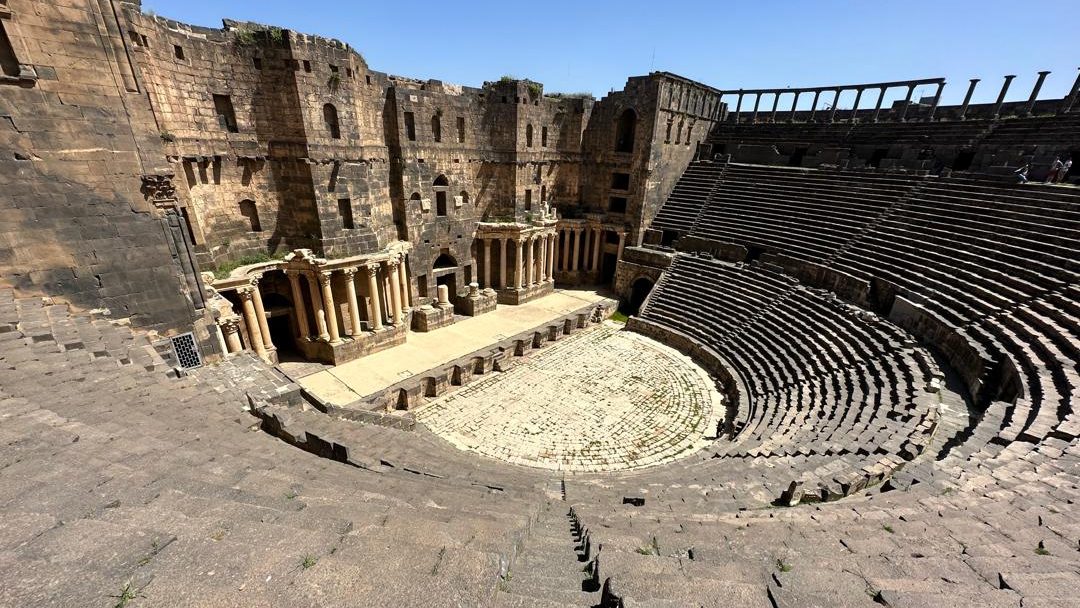 Southern SyriaBosra Roman TheatreAncient Syria beyond the galleriesRead the story →
 Our collectionDiscover Syria’s LandmarksExplore historic places across the countryRead the story →