
The stories behind Syria’s landmarks
Saint Ananias Chapel: Damascus Beneath the Streets
In Damascus, some of the biggest stories are found in the smallest places.
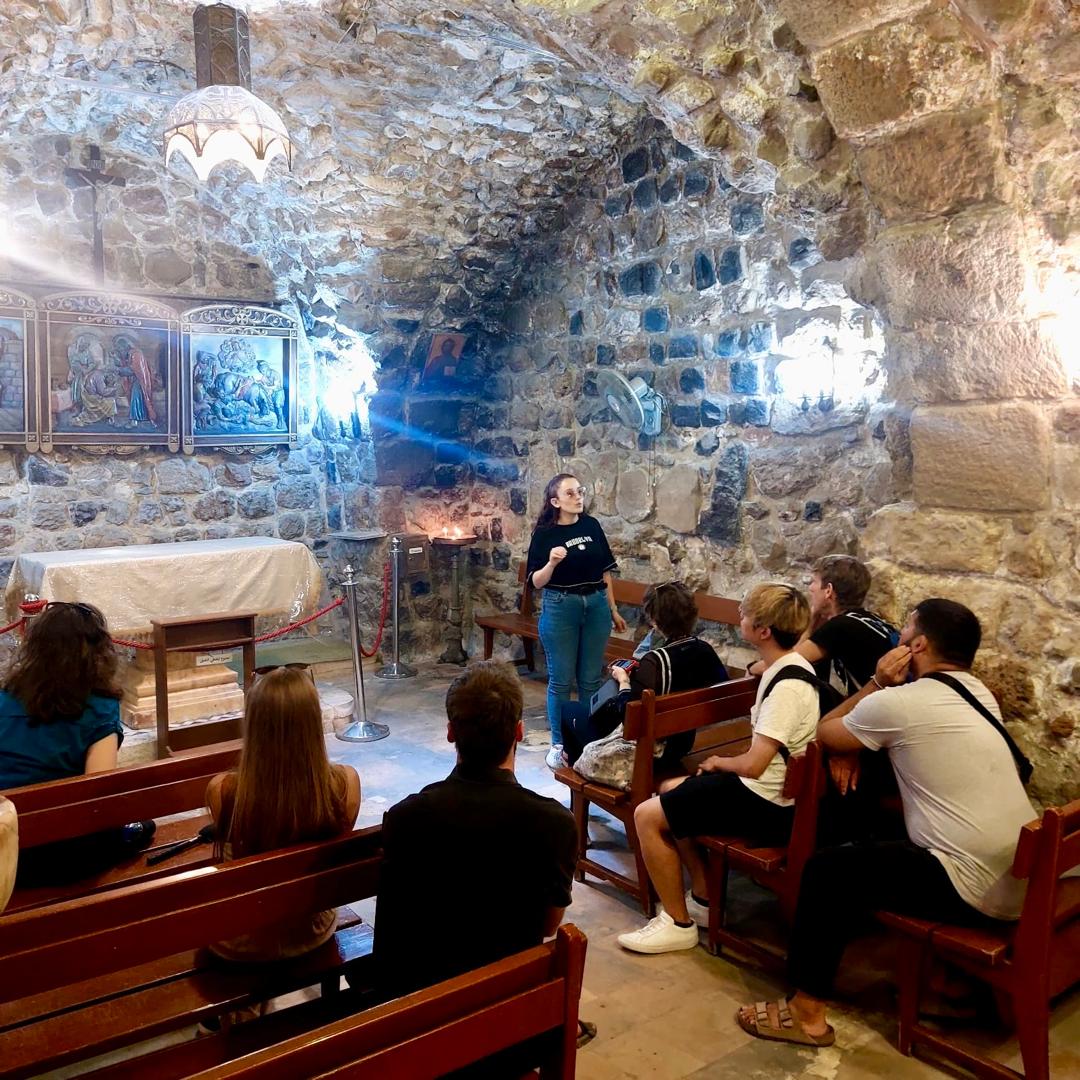
Not far from Straight Street and Bab Sharqi, an ordinary doorway leads you down below the streets of the Old City. There are no enormous domes or grand marble halls waiting here. Instead, you find rough stone walls, a modest altar and the hush of a tiny underground chapel.
According to Christian tradition, this place is linked to Ananias, the disciple who helped a blinded traveller named Saul of Tarsus. That traveller would become Paul the Apostle, and his journey would help shape the history of Christianity.
Saint Ananias Chapel at a Glance
The Man Who Welcomed a Stranger
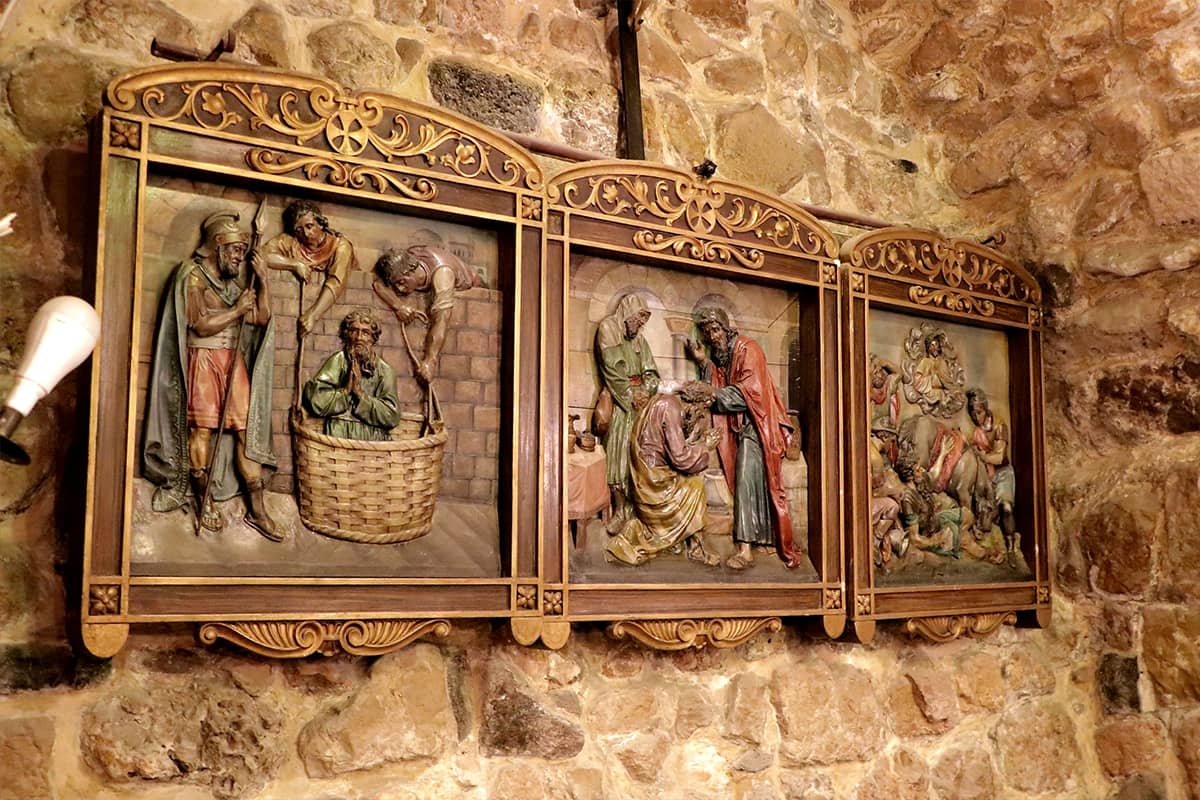
In the Book of Acts, Saul travels to Damascus intending to arrest followers of Jesus. On the road, he experiences a sudden encounter that leaves him unable to see. His companions lead him into the city, where he spends three days without sight.
Then a disciple called Ananias receives an extraordinary task: visit Saul, the very man whose arrival had frightened the Christian community.
According to Acts 9, Ananias finds him at the house of Judas on a street called Straight, places his hands on him and helps him regain his sight. Saul is subsequently baptised.
Why is this chapel associated with the story? Local Christian tradition identifies the site with the home of Ananias. The biblical account does not establish that this surviving underground room was the exact place where the events occurred, so its significance is rooted in centuries of devotion and remembrance.
For believers, it is a deeply moving story of courage, forgiveness and a life transformed. For visitors of any background, it is a fascinating reminder that Damascus was part of the story of Christianity from its earliest days.
Why Do You Have to Walk Down to Reach It?
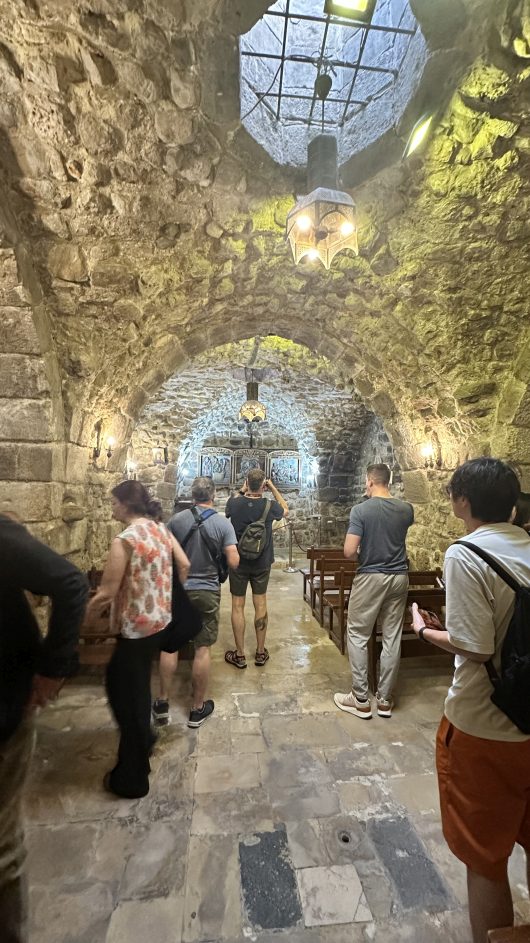
One of the most memorable parts of visiting the chapel happens before you even reach the altar: you descend a narrow staircase beneath the modern street.
Damascus has been occupied, rebuilt and reshaped for centuries. Over time, newer streets and buildings rose above older levels of the city. The chapel’s underground position gives you a striking sense of that long history.
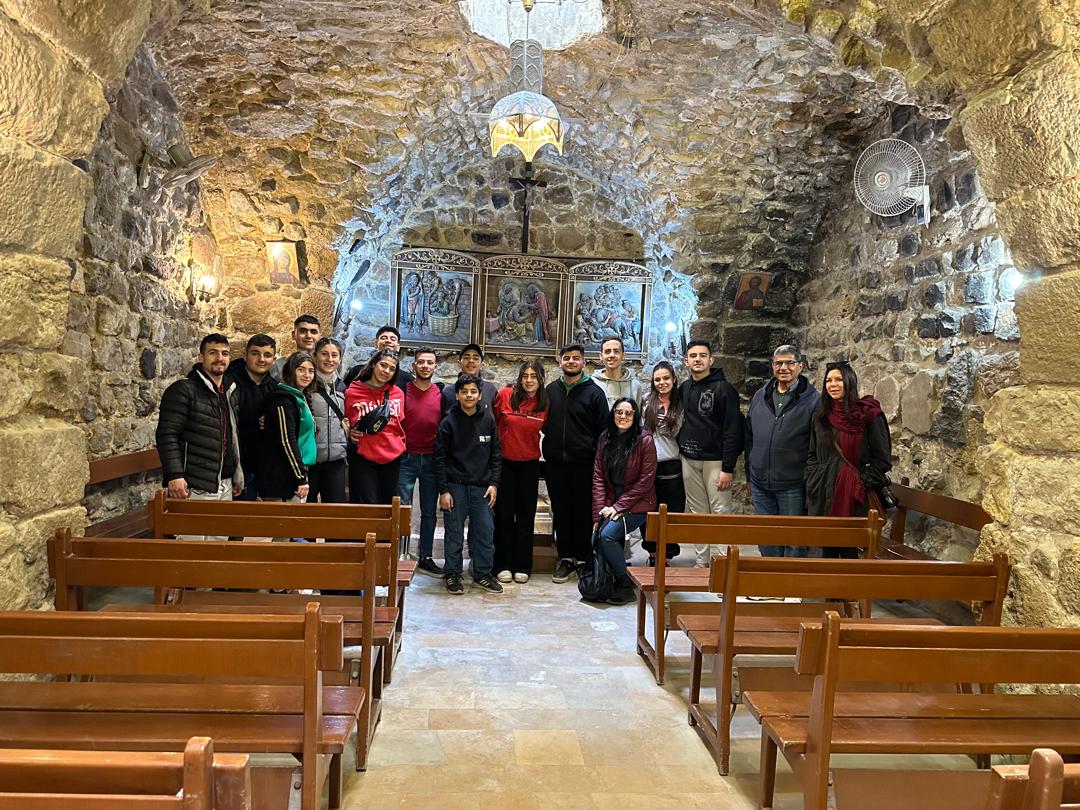
The chapel consists of small stone rooms with vaulted surfaces, religious images, benches and a simple altar. Its power comes not from size or ornament, but from atmosphere. Unlike the grand churches and mosques nearby, this is a place where silence can become the most memorable part of a visit.
An Ancient Tradition, a Chapel Rebuilt Many Times
The story of Ananias belongs to the first century. The building visitors enter today has a longer and more complicated architectural history, and should not be described as an unchanged first-century house.
Historical research and heritage documentation connect the site with early Christian and Byzantine remains. Over the centuries, the sacred place was repaired, repurposed and restored. The Franciscan Custody of the Holy Land, which cares for the shrine, records reconstruction in 1867 and another renovation in 1973.
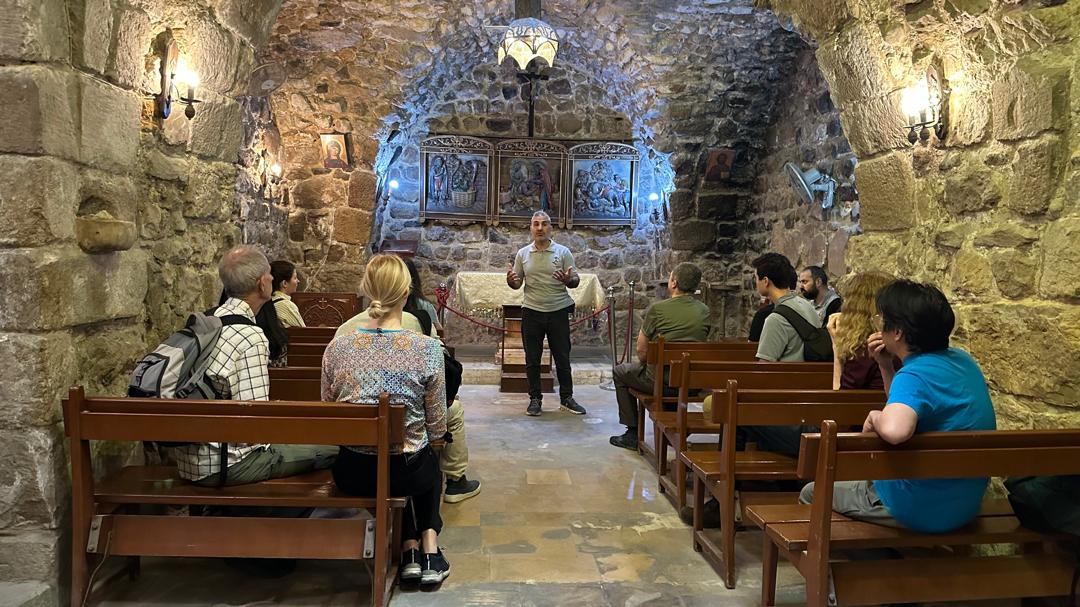
This is not merely an archaeological landmark. It remains a religious place, and the Christian community of Damascus continues to give its story meaning today.
How to Visit the Chapel of Saint Ananias
The chapel lies in the eastern part of Old Damascus, close to Straight Street and Bab Sharqi. It fits naturally into a walk through the historic Christian quarter.
Allow about 20–30 minutes, or longer if you want time for quiet reflection.
- Getting inside: Be prepared for a narrow staircase leading down to the chapel.
- Accessibility: The steps may be difficult for people with limited mobility; check arrangements before visiting.
- Respect the setting: Dress modestly, speak quietly and ask before taking photographs, particularly during services.
- Opening arrangements: Times, access and any fees or donations can change, so check locally.
- Nearby: Explore Bab Sharqi, Straight Street and the wider Christian quarter.
To learn how the story of Ananias connects with the city’s Roman-era street plan, read our guide to Straight Street in Damascus. You can also explore the Damascus Road story of Saint Paul.
Want to see this chapel alongside Damascus’s historic churches, gates and everyday neighbourhood life?
Explore our Damascus tour →One Last Thought
Some places impress you because they are enormous. Saint Ananias Chapel stays with you for exactly the opposite reason: a quiet room beneath an ancient city, remembering a moment that changed one man’s life and reached far beyond Damascus.

Historical context: CyArk’s documentation of Ananias Chapel and the Franciscan Custody of the Holy Land. The identification with Ananias’s home is a religious tradition, not an archaeological certainty.
You might also enjoy
A story of faithThe Damascus Road JourneyThe remarkable biblical story of Saul and his transformation.Read the story →  Nearby historic streetStraight Street After 2,000 YearsWalk the Roman street named in the story of Saul.Read the story →
 Walking itineraryOne Perfect Day in DamascusA simple route through some of the city’s unforgettable places.Read the story →
 Christian heritageThe Syrian Popes Who Led the ChurchAnother surprising chapter in Syria’s Christian history.Read the story →