
Bakdash Ice Cream: The Sweetest Tradition in Old Damascus
In a busy market in Old Damascus, a simple dessert has become a piece of living cultural history—one that you can hear being made before you taste it.
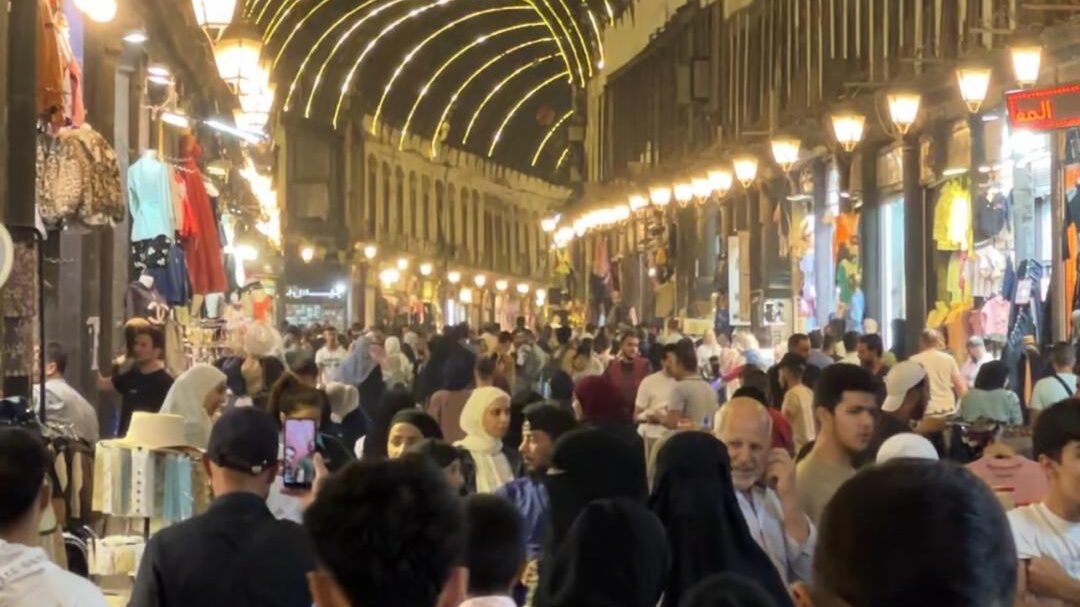
Walk through the covered Al-Hamidiyah Souq and you will find the famous Bakdash ice cream shop, where a dense, stretchy treat called booza has become a tradition for generations.
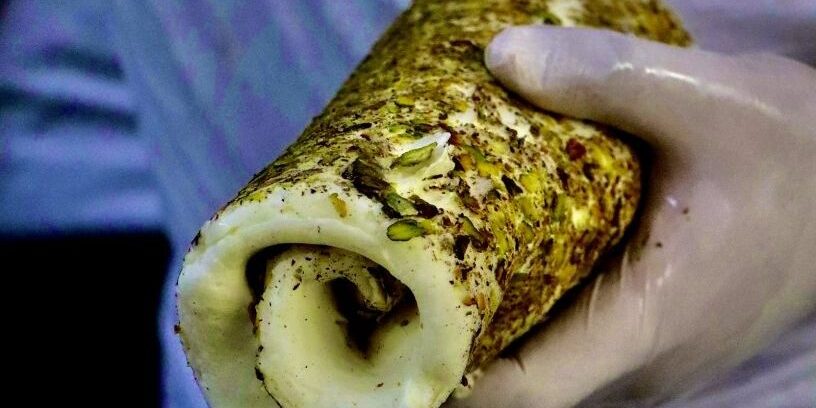
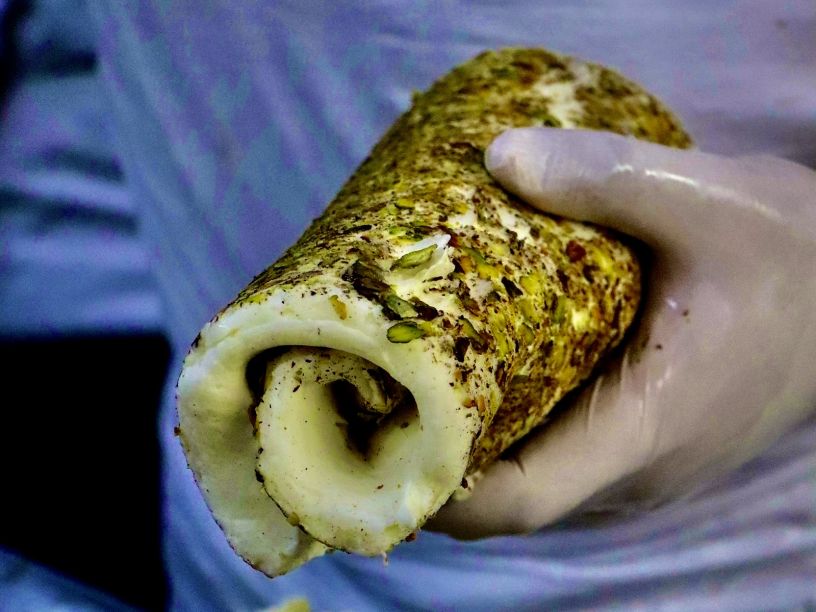
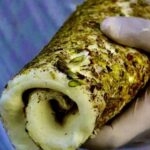
The dessert looks familiar at first: pale ice cream with a thick coating of crushed pistachios. Yet when you taste it, the texture is different. It is chewy, elastic and aromatic, with a consistency that comes from the ingredients and the way the mixture is worked.
Bakdash is one of Damascus’s most recognisable food stops, but its story reaches beyond one shop. Traditional booza belongs to a wider culinary heritage shaped by Syrian ingredients, local techniques and the pleasure of meeting friends around something sweet.
For travellers, this is an experience best approached without rushing. Part of the fun is seeing the work behind a small serving.
At a Glance
What Makes Syrian Booza Different?
Unlike many familiar ice creams, booza is made to be dense and stretchy. Traditional recipes use milk along with mastic, an aromatic resin, and sahlab, a starch historically obtained from orchid tubers.
These ingredients help give the frozen mixture its characteristic texture and fragrance. Rosewater or other flavourings may also appear in regional recipes, but the exact proportions and preparation methods vary from shop to shop.
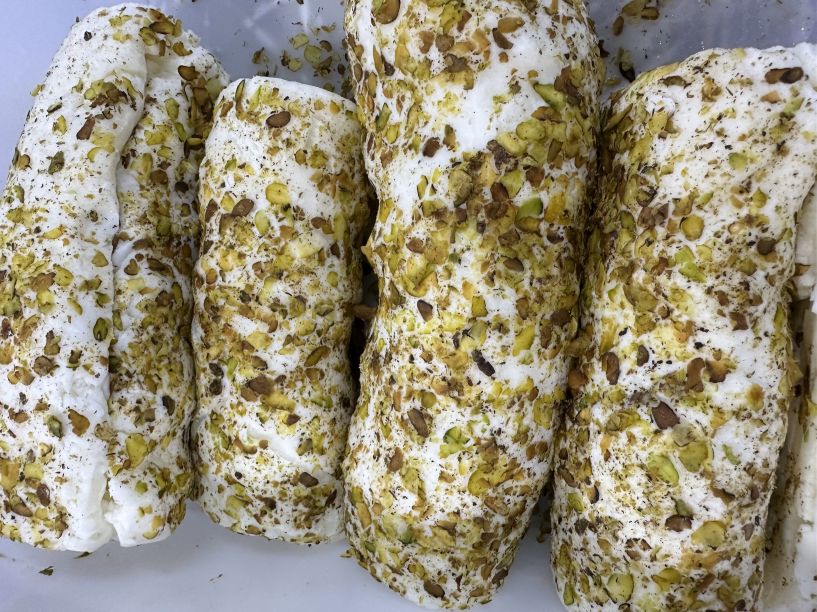
Once prepared, the ice cream is often covered with crushed pistachios, adding colour, crunch and a distinct nutty flavour.
The resulting dessert can be sliced, rolled or served in portions that hold their shape more firmly than ordinary scooped ice cream.
It is worth asking how the product is made rather than assuming the technique or ingredients are identical in every Syrian ice-cream shop.
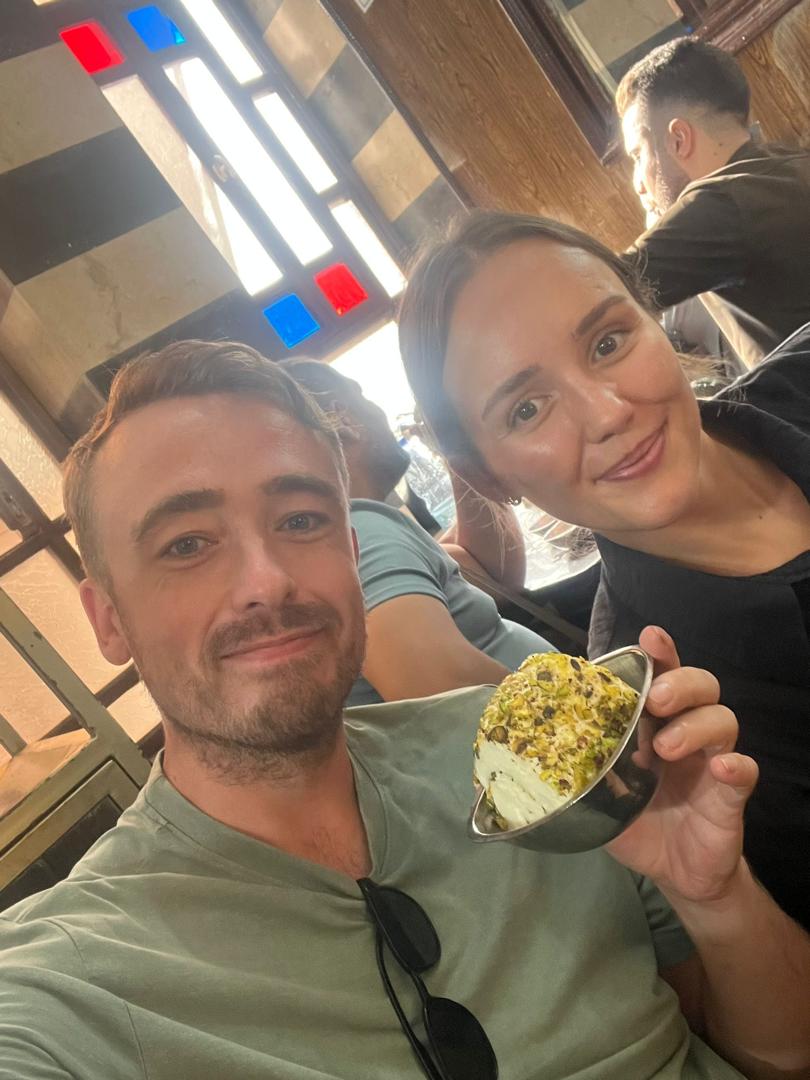
Trying booza with other travellers is part of the experience: the stretchy texture and generous pistachio covering nearly always start a conversation.
Look at the way the serving holds together. That unusual consistency is one reason the dessert is famous far beyond Damascus.
Some visitors expect a scoop of ice cream like those served elsewhere. Booza feels more like a confection as well as a cold dessert.
Why the Wooden Mallets Matter
One of the distinctive sights associated with Bakdash is the traditional practice of pounding the mixture with heavy wooden mallets. The rhythmic work helps make the frozen dessert dense and pliable.
The pounding is not simply a performance invented for tourists; it is part of the craft and history of producing this style of ice cream.
The London Museum’s study of Syrian booza highlights the contribution of both mastic and sahlab, as well as the technique of pounding to create a dense texture.
Although modern refrigeration has transformed how frozen desserts can be made, traditional preparation is remembered as a skill passed between generations.
When you see a maker working the ice cream, watch the controlled repetition. What looks effortless often requires practice to manage texture, temperature and timing.
A Family Shop in the Heart of the Souq
The history of Bakdash is commonly traced to the late nineteenth century. In a 2015 interview, a member of the Bakdash family told The Irish Times that the business began in 1895; other references cite 1885. The safest description is therefore a late-Ottoman establishment with more than a century of family history.
The shop sits within Al-Hamidiyah Souq, where visitors can discover clothes, sweets, household goods and other traditions of the city.
Stopping for booza is often part of a larger walk toward the Umayyad Mosque. This makes the dessert a natural link between food, architecture and the everyday social life of Damascus.
The city’s recent decades have been challenging, yet shared rituals of shopping and eating have continued. Food is one way people preserve identity and recognise familiar places.
Bakdash is well known, but do not turn every visit into a photo shoot. Enjoy the dessert, watch respectfully and remember that the shop serves local customers as well as visitors.
Taste the dessert slowly: first notice the pistachio, then the mastic aroma and finally the unusually chewy texture. That combination is what sets booza apart.
How to Visit
Bakdash is inside Al-Hamidiyah Souq in Old Damascus, making it a convenient stop when walking from the western entrance toward the Umayyad Mosque.
- Allow roughly 20–30 minutes, with extra time if the shop is busy.
- Ask about current portions, ingredients and prices rather than relying on old online menus.
- Tell staff about any nut, dairy or other food allergies before ordering.
- Photograph the makers only when welcomed, and avoid blocking service to customers.
- Enjoy the ice cream while exploring the souq, but be considerate in crowded passages.
- If you want to see the traditional pounding, ask whether it is being done at the time of your visit.
- Combine the stop with the Umayyad Mosque, Damascus Citadel or other Old City landmarks.
Discover the stories and places of Syria with local guides.
Join our tours →One Last Thought
Bakdash shows that a city’s heritage does not always come with a stone entrance and a plaque. Sometimes it arrives in a small portion, covered with pistachios.
Latest Syria news


You might also enjoy
 DamascusAl-Hamidiyah Souq WalkHistoric shopping streets of DamascusRead the story →
 CultureBeit Jabri CourtyardEnjoy another slice of Damascene lifeRead the story →
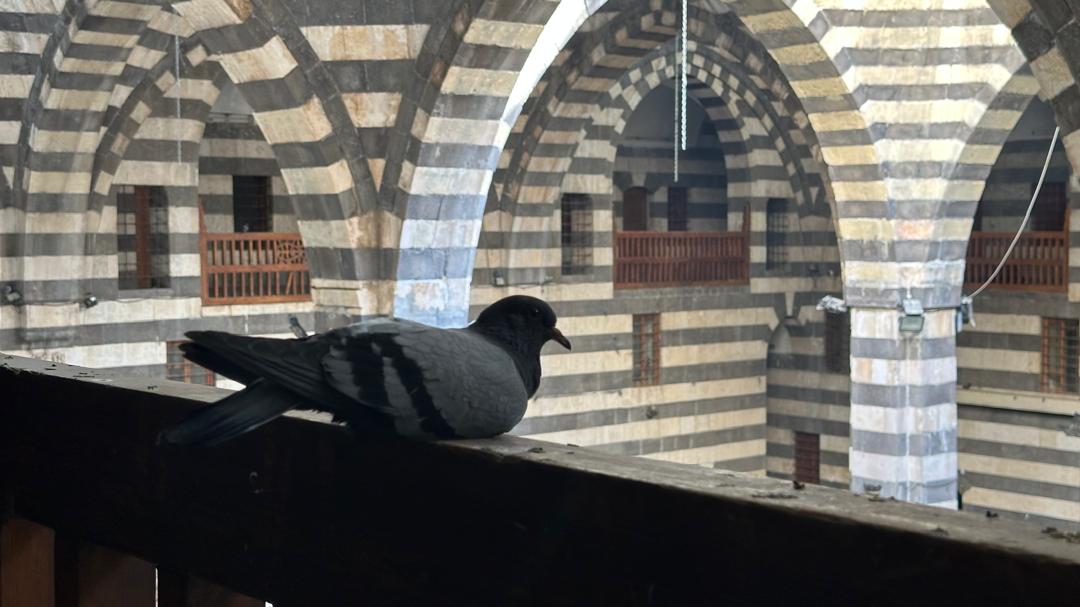 Old CityKhan Asaad PashaHistoric trade and hospitalityRead the story →
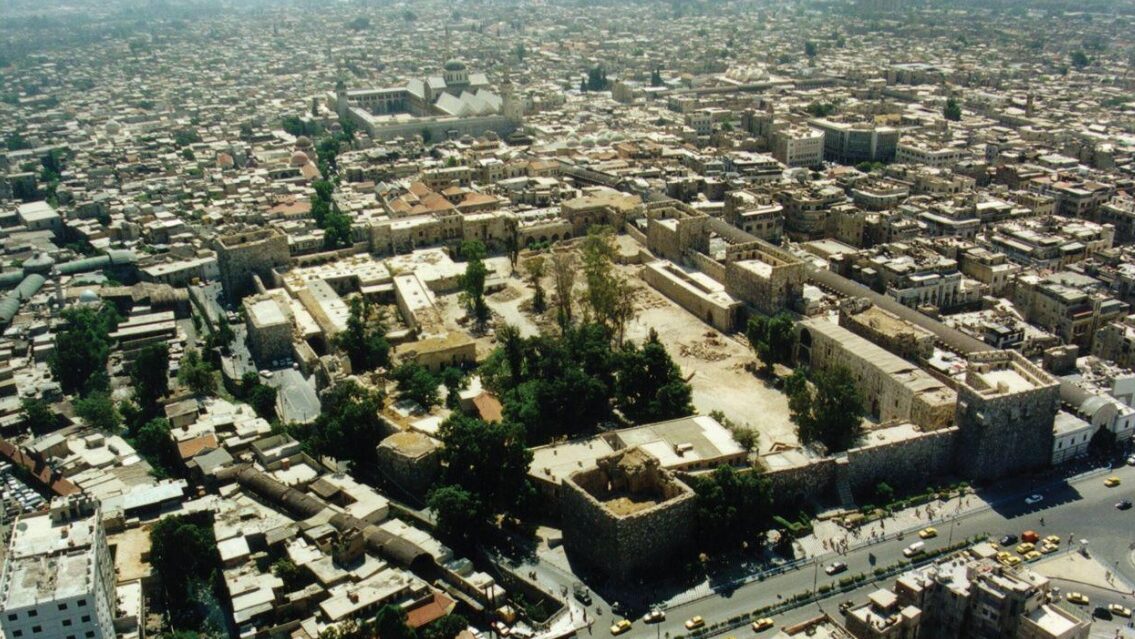 Explore furtherDiscover SyriaMore stories of Syria’s places and traditionsRead the story →