
Serjilla in Idlib: Life in Syria’s Ancient Stone Village
Some ruins make you imagine kings and battles. Serjilla invites a different question: how did an ordinary family live here fifteen centuries ago?
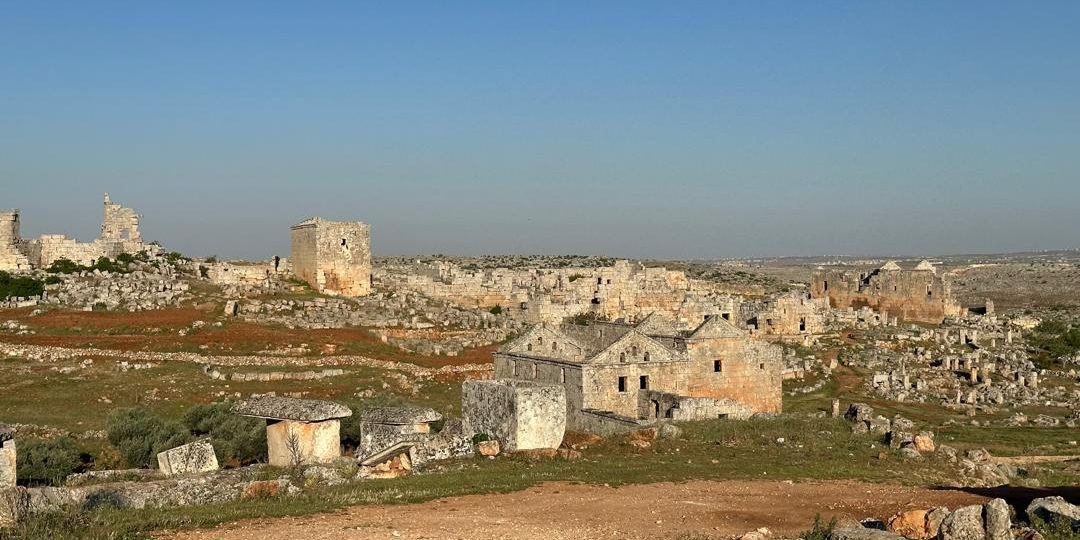
In the limestone hills of Idlib, the ancient village of Serjilla is still full of houses with walls and doorways that are immediately recognisable. A visitor can imagine a family crossing a courtyard or a farmer returning after working the fields.
Serjilla belongs to the Ancient Villages of Northern Syria, a remarkable UNESCO World Heritage landscape covering dozens of settlements in the Limestone Massif. It is sometimes described as part of the ‘Dead Cities,’ but that nickname can hide something essential: these were lively rural communities, not cities that were mysteriously struck by a single catastrophe.
Walk slowly and the ruins become less like a collection of stones and more like a neighbourhood. The buildings make sense when you begin to think about food, water, farming, family and the people who shared these spaces.
At a Glance
The Village That Was Built for Everyday Life
Many of Syria’s famous archaeological places began as capitals, garrisons or pilgrimage centres. Serjilla was different. It was a rural settlement whose prosperity depended on the surrounding land and its connections to neighbouring villages.
The limestone hills supported orchards, grain cultivation and olive production. Stone was both an agricultural constraint and a building resource: residents used local material to construct homes, agricultural buildings and public facilities.
UNESCO describes the wider heritage landscape as evidence of agriculture, water management and rural communities during the transition from Roman antiquity to Byzantine Christianity. Understanding the relationship between village and land is as important as identifying individual buildings.
Serjilla’s preservation is extraordinary because ordinary houses survive alongside public spaces. Not every settlement provides so clear a picture of rural life in late antiquity.
The most revealing sights are often ordinary doorways, stairs and rooms. These were homes, not temples designed to impress a distant ruler.
Try to imagine two floors where only some upper walls remain: different rooms could have been used for storage, work and family life.
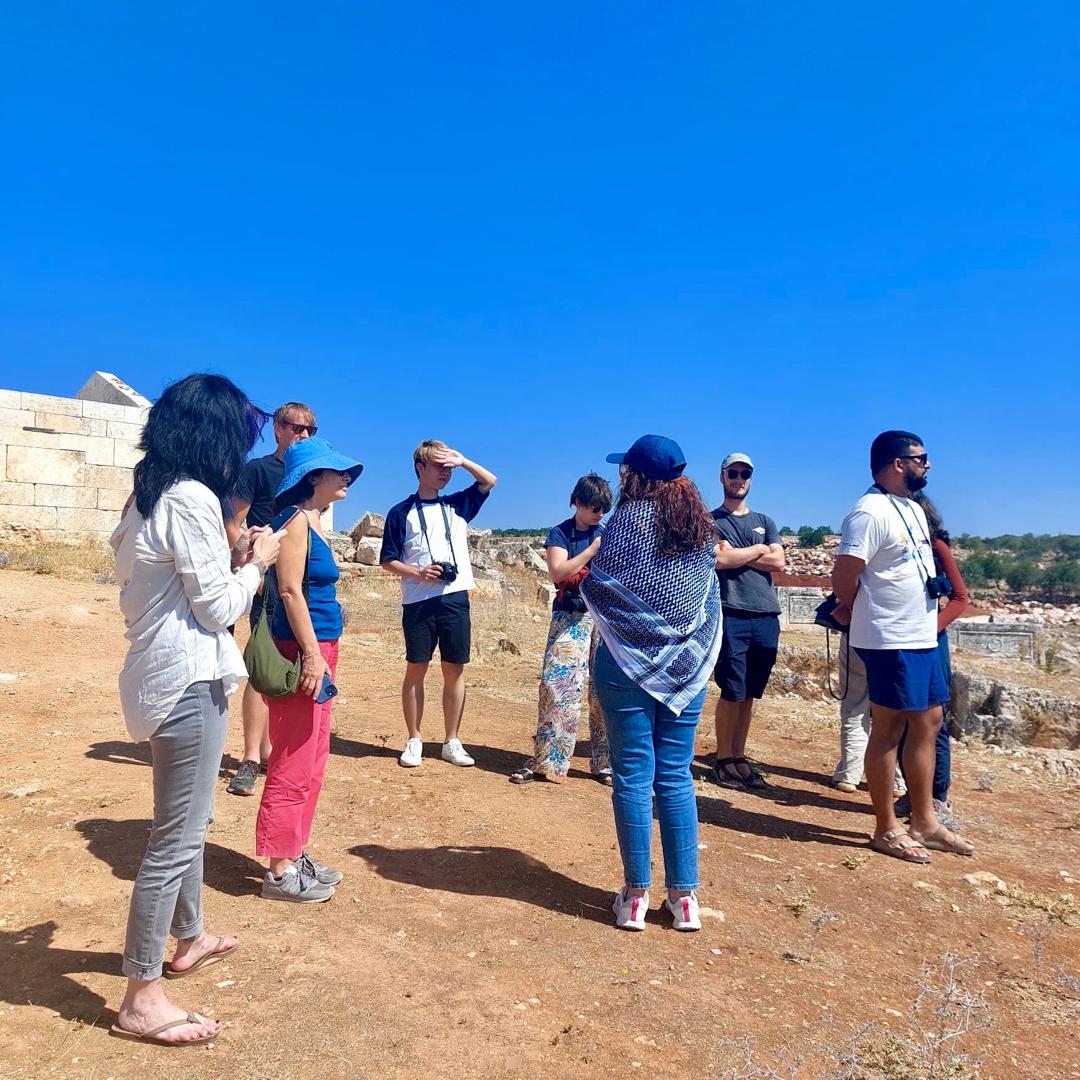
Visitors travelling with Syrian Guides can compare the buildings with other nearby villages to see how common building methods produced different neighbourhoods.
Bathhouses, Houses and the Logic of Limestone
One of Serjilla’s distinctive features is its well-preserved public bathhouse, evidence that rural settlements could support amenities visitors might otherwise associate with larger towns.
The baths were part of a network of daily activities. They required fuel, water, maintenance and organisation, reminding us that a village community was more complex than a group of isolated houses.
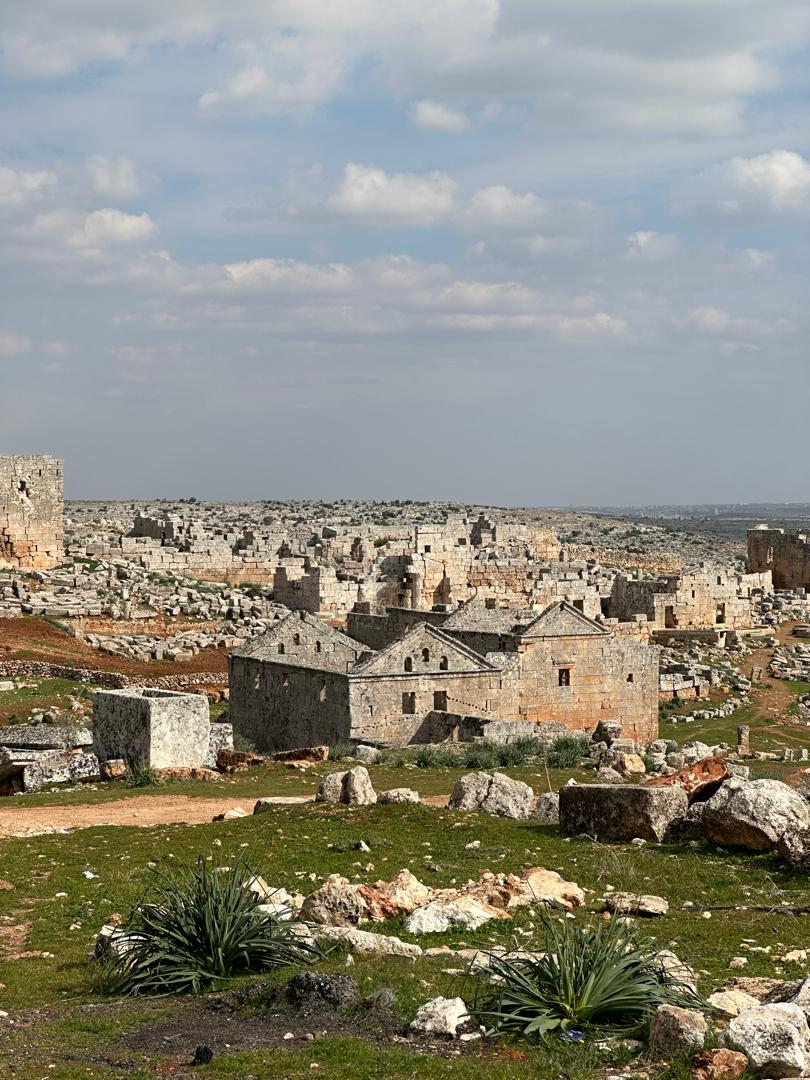
Look at the stone joints and door surrounds. Local builders used limestone with care, often creating regular walls and recognisable domestic layouts. Many buildings survived because they were constructed in strong stone rather than materials that disappear more quickly.
The village also contains remains of other public and economic structures. It is important not to label every ruin with certainty: some building identifications are based on archaeology and can be revised as research advances.
Stepping back from the individual houses, the surrounding hills explain the settlement’s position. The village belonged to a working agricultural landscape.
Why These Villages Were Eventually Abandoned
The ancient villages of northwestern Syria did not all disappear at the same moment. UNESCO dates abandonment of the broader group mainly to the eighth through tenth centuries, after centuries of changing economic and political conditions.
Scholars discuss shifts in trade, agriculture, settlement patterns and regional power. There is no good reason to reduce every village’s history to one dramatic invasion or one earthquake.
Serjilla remains an archaeological site, while other places nearby continue as modern settlements. That difference is especially clear at locations such as Qalb Lozeh, where an ancient church stands near the homes of people living today.
The modern period brought new pressures. Conflict, looting, weather and limited maintenance can affect stone buildings even when they have survived for centuries. UNESCO and Syrian heritage workers continue to document the region’s condition.
Careful visits help people value this heritage, provided travellers respect local communities and avoid walking over unstable remains.
Serjilla is best experienced as a village, not a pile of monuments. Look for doors, courtyards and paths before trying to identify the most impressive facade.
How to Visit
Serjilla lies in the Idlib countryside within the Limestone Massif. Road access and local safety arrangements can change, so include it only in an itinerary confirmed by knowledgeable local guides.
- Allow roughly 60–90 minutes, including time to examine domestic buildings and the bathhouse.
- Wear sturdy shoes: the old ground contains loose stones, steps and uneven surfaces.
- Do not climb walls or enter structures that appear unstable or are restricted.
- Bring water, sun protection and any needed supplies; facilities should not be assumed.
- Ask locally whether nearby roads, archaeological sectors and visitor areas are open.
- Photograph carefully without disturbing the stones or moving archaeological fragments.
- If combining Serjilla with other villages, allow extra travel time and treat every stop as a separate place with its own history.
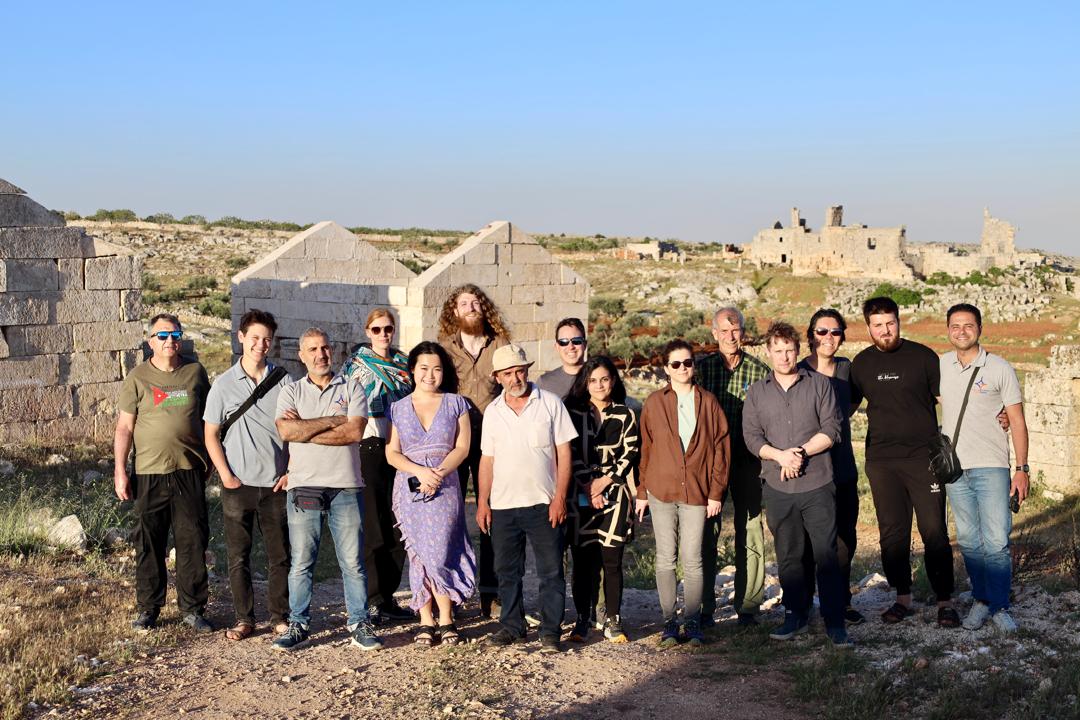
Discover these stories with local guides who know the places and people behind them.
Explore our Syria tours →One Last Thought
Serjilla gives us something rare: not the palace of a great ruler, but the possibility of looking into the ordinary routines of people whose world disappeared long ago.
Latest Syria news
- Royal Jordanian Updates Syria Airport Entry Rules: What Travellers Need to Know

- Palmyra Heritage: Floods Reveal More of a Known Umayyad Canal
- Damascus Flight Update: SunExpress Launches and Etihad’s Daily Schedule
- Serjilla in Idlib: Life in Syria’s Ancient Stone Village
- Palmyra’s Monumental Arch: A Landmark Lost and Remembered

You might also enjoy
 Syrian coastUgarit’s Ancient CityA Bronze Age city, far older than SerjillaRead the story →
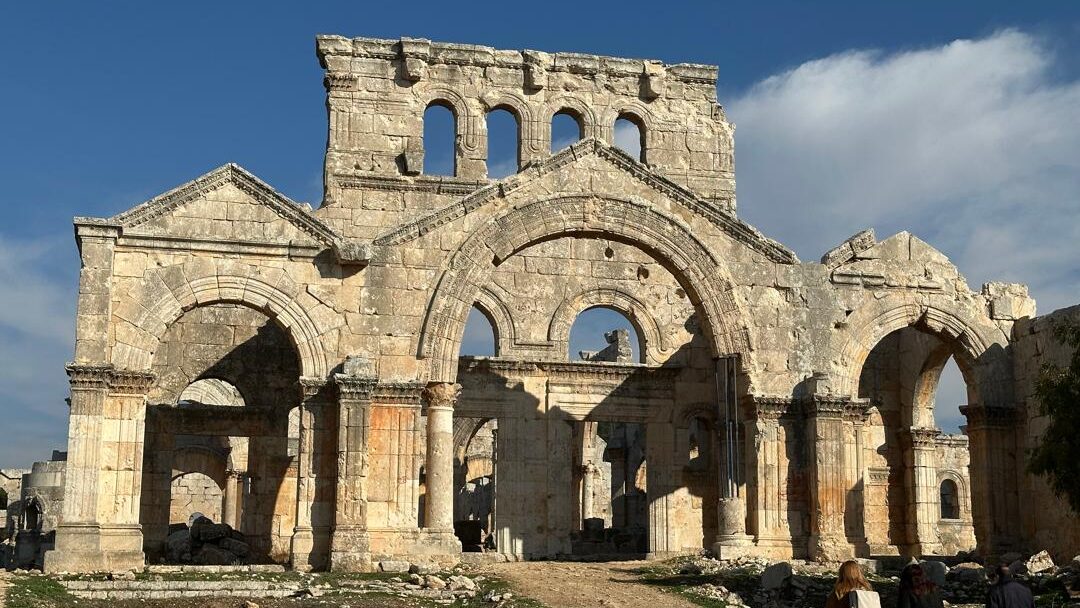 Northwestern SyriaSaint Simeon MonasteryAn early Christian pilgrimage complexRead the story →
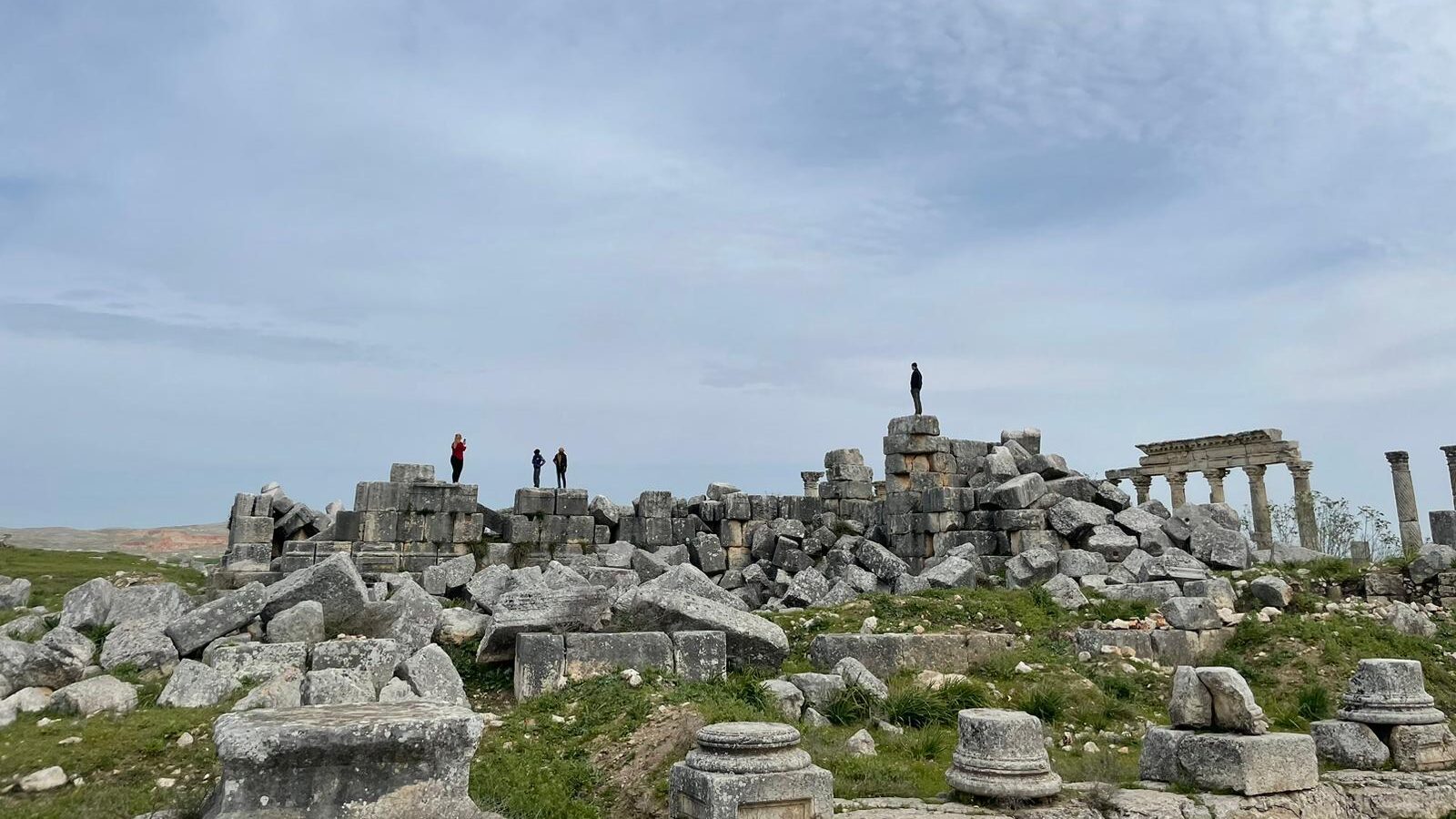 Near HamaApamea’s Great StreetA very different ancient settlementRead the story →
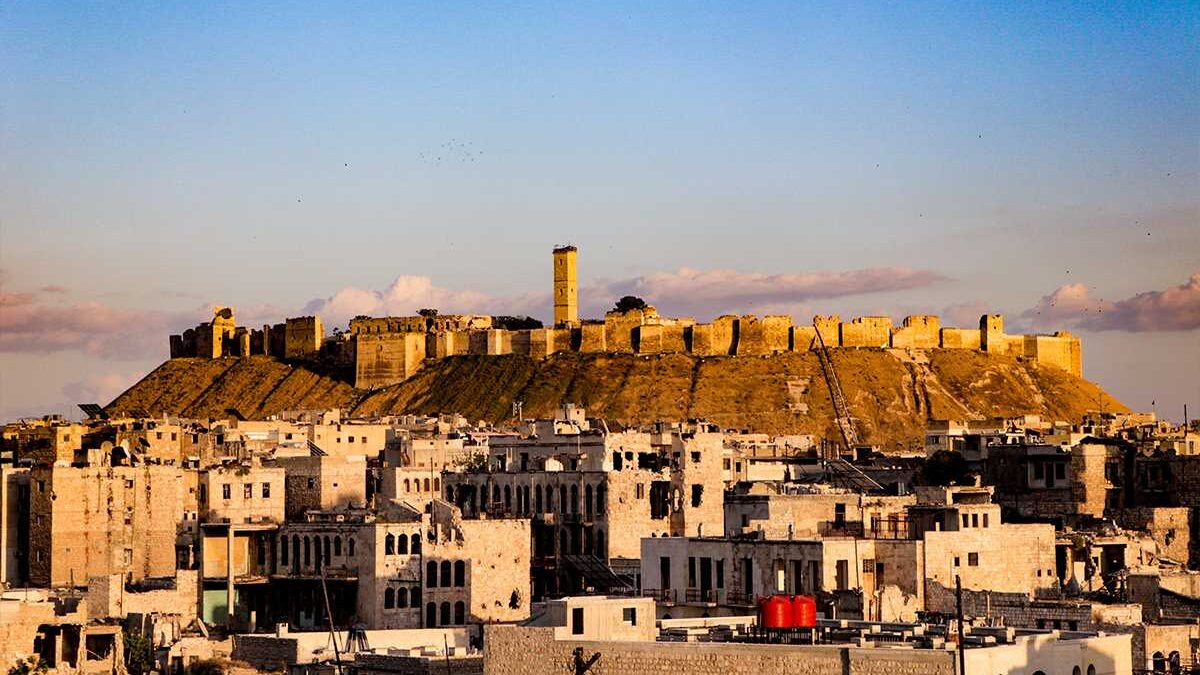 Explore furtherDiscover Syria LandmarksMore remarkable sites across the countryRead the story →