
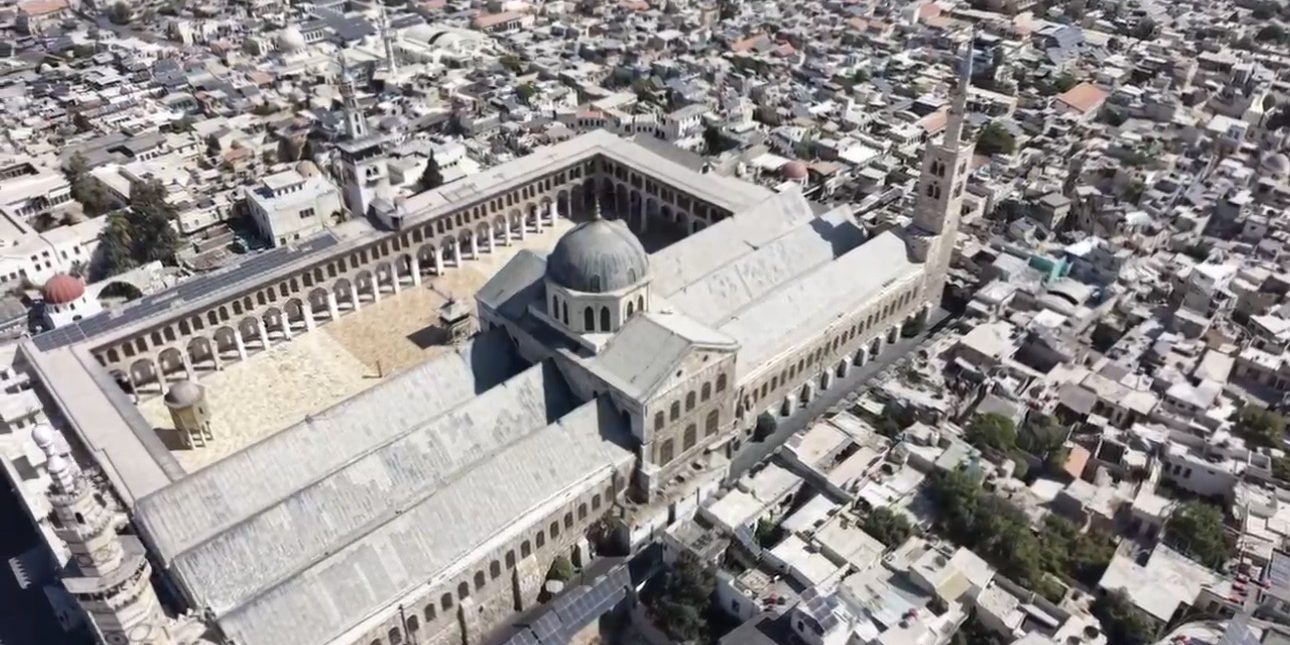
12 Best Places to Visit in Syria on Your First Trip
From the courtyards of Damascus to desert Palmyra, mountain monasteries, basalt cities and the Mediterranean coast: these are the places that give a first-time visitor the clearest sense of Syria.

Damascus Old City
For most travellers, Damascus is where Syria begins to make sense. The Old City is compact enough to walk, but dense enough to reward several days: Al-Hamidiyah Souq, Straight Street, old Christian quarters, khans, courtyard houses, small workshops and cafés all sit within the same historic fabric.
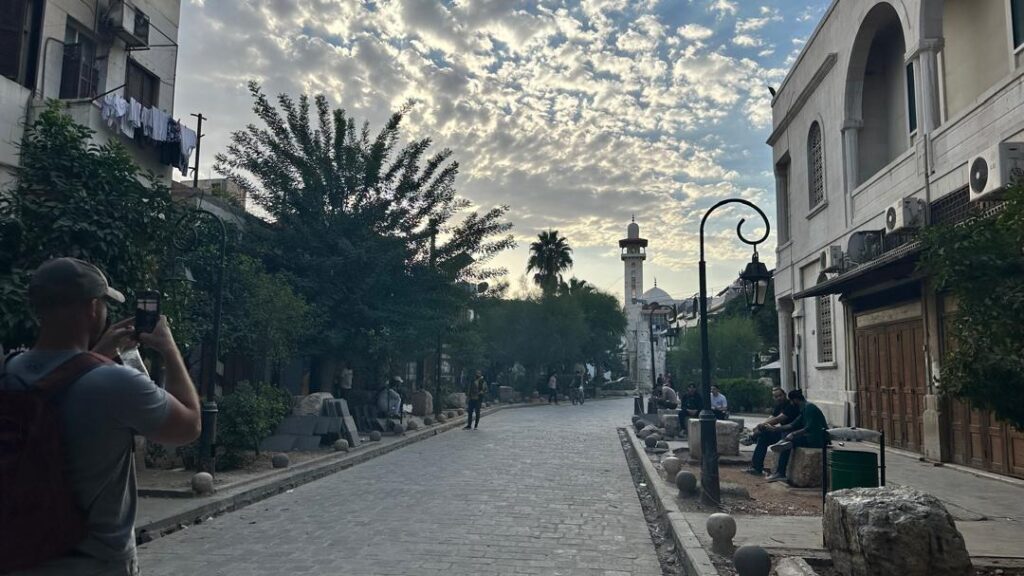
Do not treat it as a monument checklist
The strongest Damascus experience comes from moving slowly between the famous sites. Step into a traditional house, watch craftsmen at work, stop for coffee, then return to the lanes in the evening when the character of the city changes again.
The Umayyad Mosque
The Umayyad Mosque deserves more than a quick stop inside a Damascus walk. Its courtyard, mosaics, prayer hall and long religious history make it one of the defining buildings of the city.
Visit it as part of the neighbourhood around it: the souqs, Al-Nawfara Café, Bzuriyeh and the historic lanes all help explain why the mosque still feels central to Damascus rather than isolated from it.

Maaloula
North of Damascus, Maaloula is where geography, language and religious heritage meet. The village climbs into the Qalamoun Mountains, Western Neo-Aramaic is still associated with the community, and monasteries sit against a dramatic rock landscape.

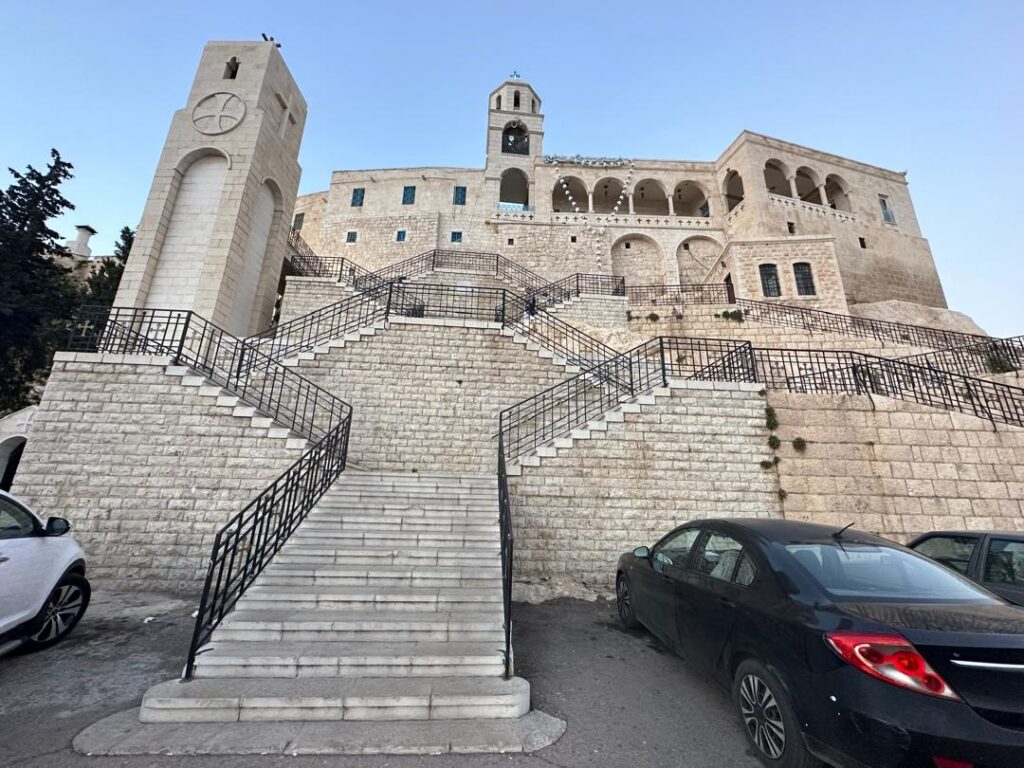
Route it intelligently: Maaloula and Sednaya fit naturally into the same mountain day from Damascus.
Sednaya
The Monastery of Our Lady of Sednaya is one of the country’s important Christian pilgrimage sites. The elevated setting, old town and religious life make Sednaya more meaningful when visited with some context rather than as a short photo stop.
Aleppo Old City and Citadel
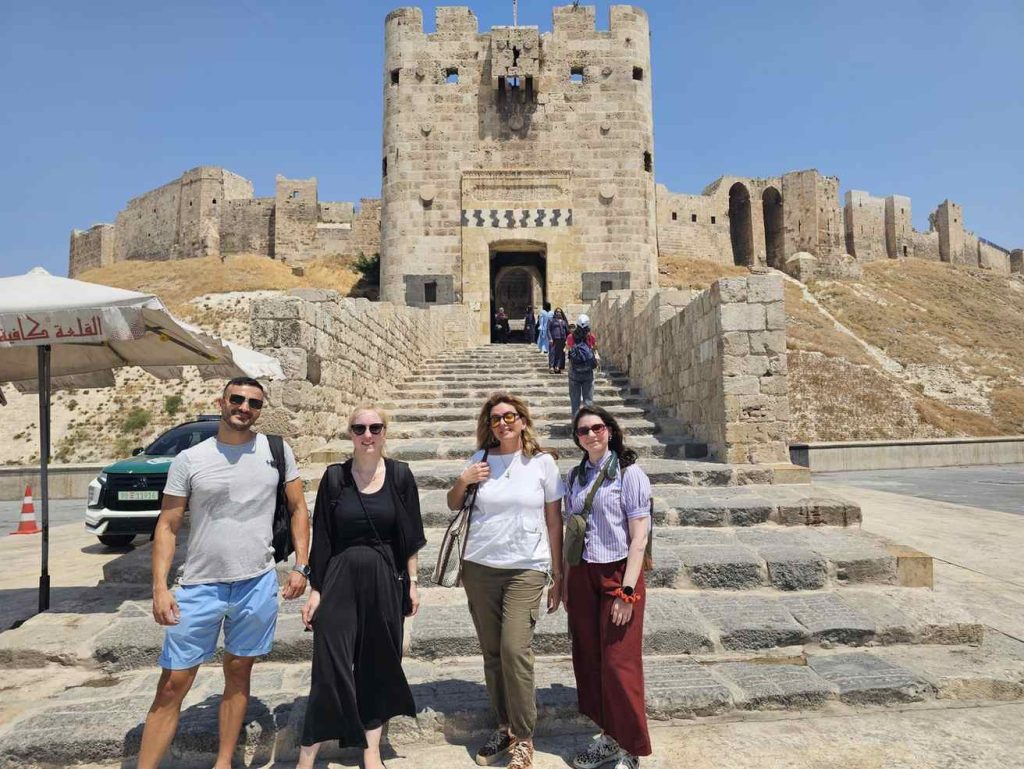
Aleppo is too layered to reduce to one monument. The Citadel is extraordinary, but the city comes alive through old souqs, khans, churches, mosques, food traditions and workshops.
Add a laurel-soap workshop if possible. It turns the visit from “seeing old Aleppo” into understanding one of the crafts that still defines the city.
Saint Simeon
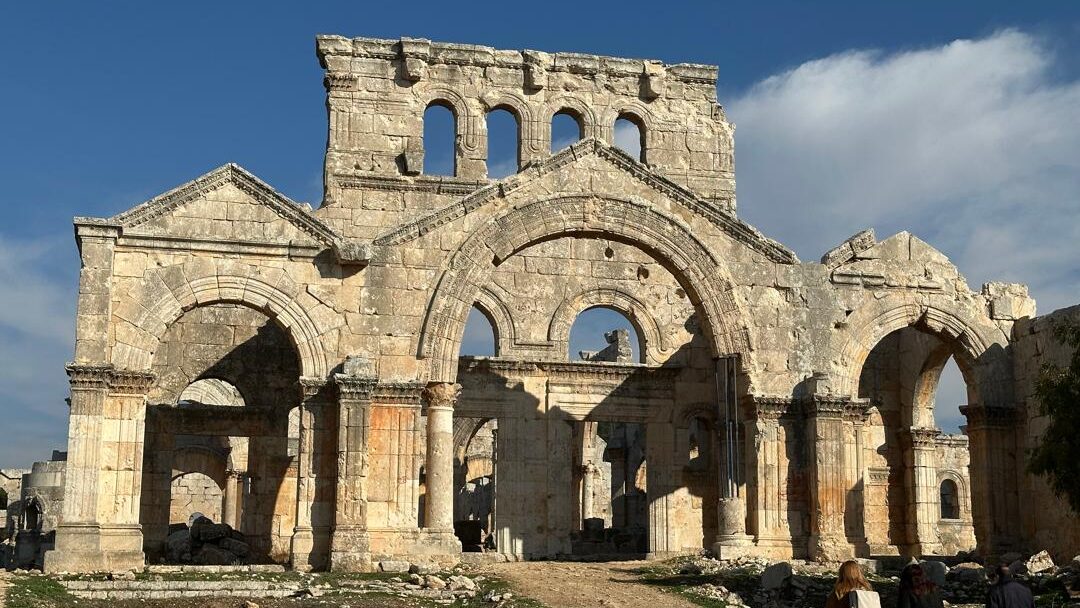
Northwest of Aleppo, the Church of Saint Simeon sits in open countryside and feels very different from the urban monuments of Damascus or Aleppo. The scale of the ruined complex and the story of Saint Simeon Stylites make it one of Syria’s most distinctive early Christian sites.
It works best as an extension from Aleppo when road and site access allow.
Hama and the Norias
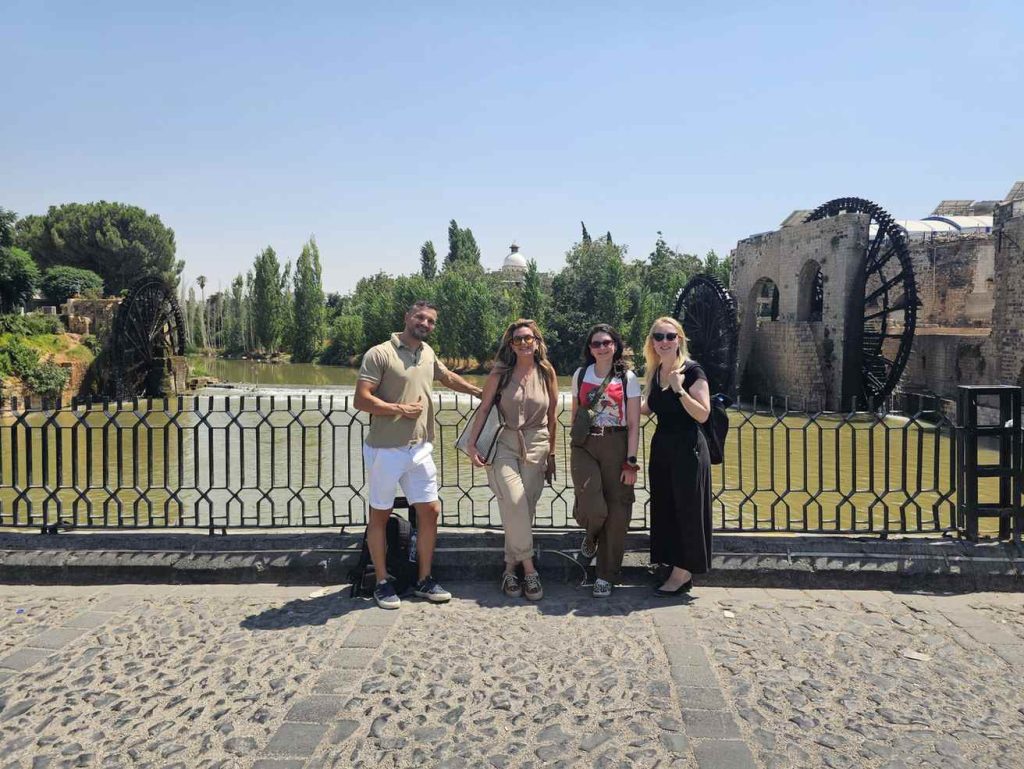
Hama is best known for its giant wooden waterwheels along the Orontes River. For a first itinerary, it usually works better as a well-paced stop between regions than as a long stay.
Walk by the river, see the norias close up and use the stop as a change of pace between the country’s larger historic cities.
Krak des Chevaliers
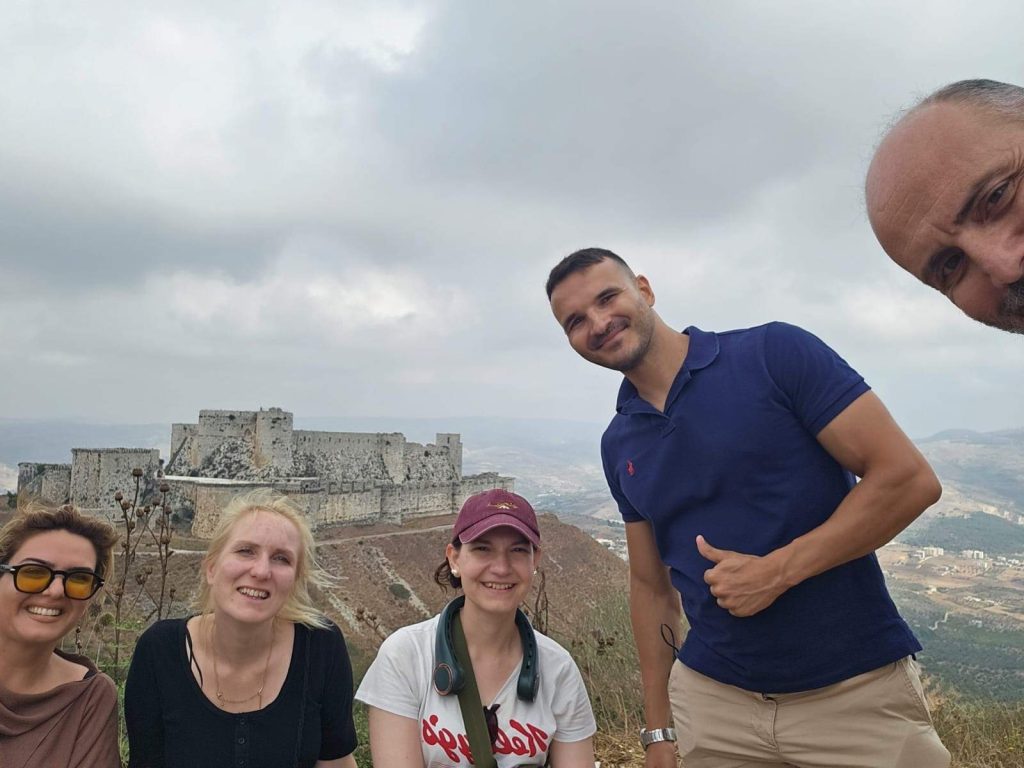
The castle’s outer walls are impressive from a distance, but the real scale only becomes clear inside: vaulted halls, courtyards, defensive passages and views over the surrounding hills.
Krak fits naturally into a central-Syria route and can be paired with Homs, mountain villages or a winery stop depending on the direction of travel.
Palmyra
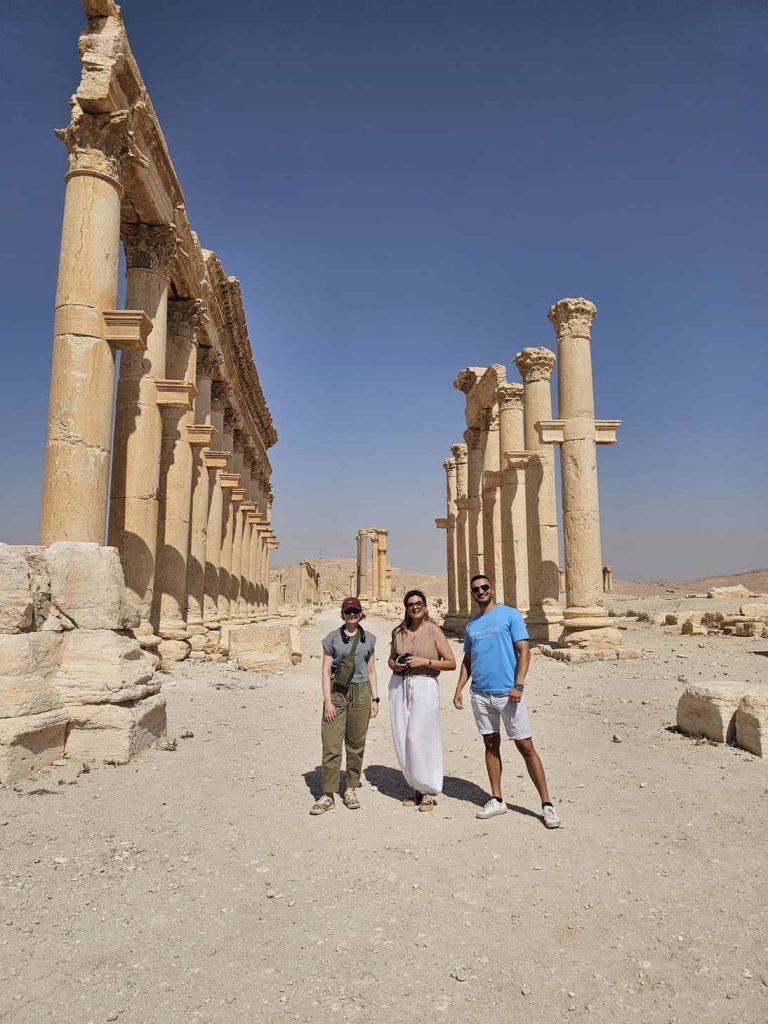
Palmyra is one of Syria’s defining archaeological landscapes. The city’s importance came from trade and movement between the Mediterranean world, Mesopotamia and Persia, and that wider context is what makes the surviving ruins meaningful.
It is also a place where the surrounding emptiness matters. Give the site time rather than treating it as a sequence of surviving monuments.
Practical: access procedures can change, so confirm the route shortly before travelling.
Bosra
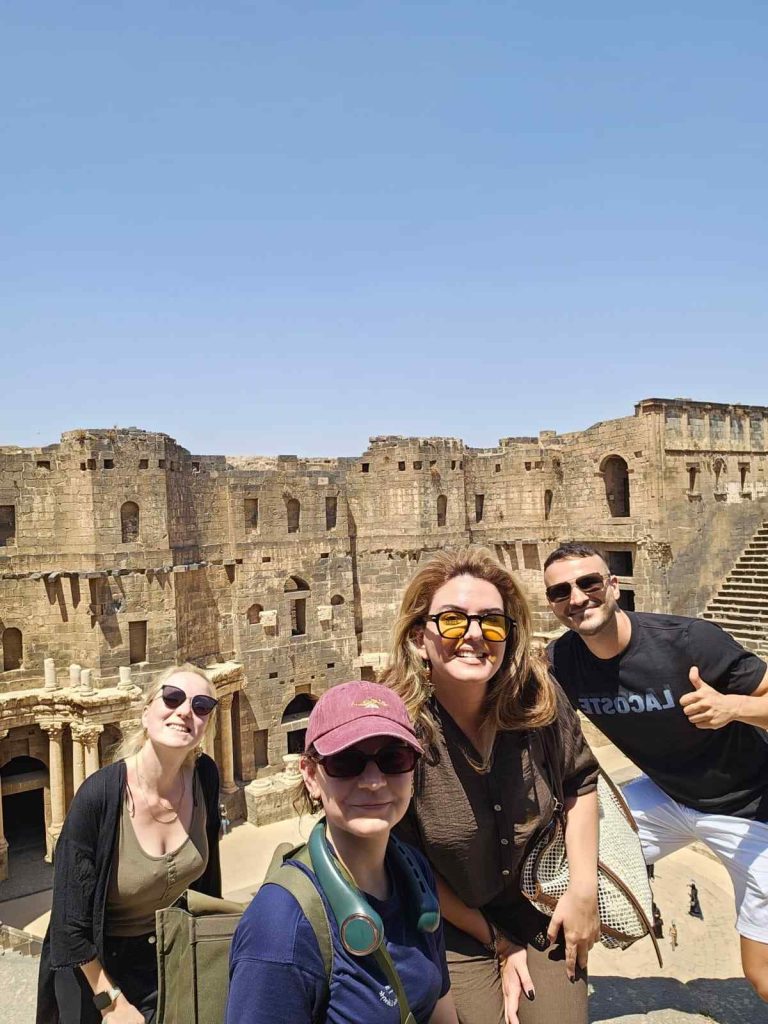
Southern Syria offers one of the country’s most spectacular ancient buildings: Bosra’s Roman theatre. Its dark basalt construction gives the monument a completely different visual character from the pale limestone sites found elsewhere.
Do not leave immediately after the theatre. The basalt old town around it is an important part of the visit.
Arwad Island
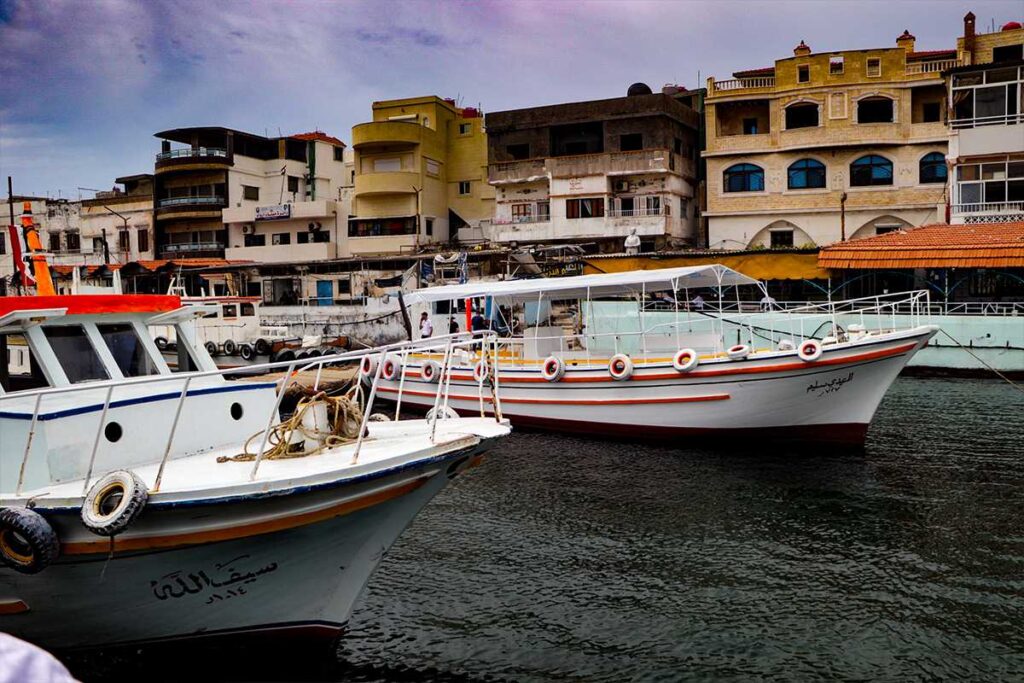
Arwad adds a completely different mood to a Syria itinerary. A short boat ride from Tartus brings you to an inhabited island of narrow lanes, stone houses, fishing boats and maritime traditions.
It is strongest as part of a coastal extension rather than as a rushed detour from Damascus.
Ugarit and the Syrian Coast
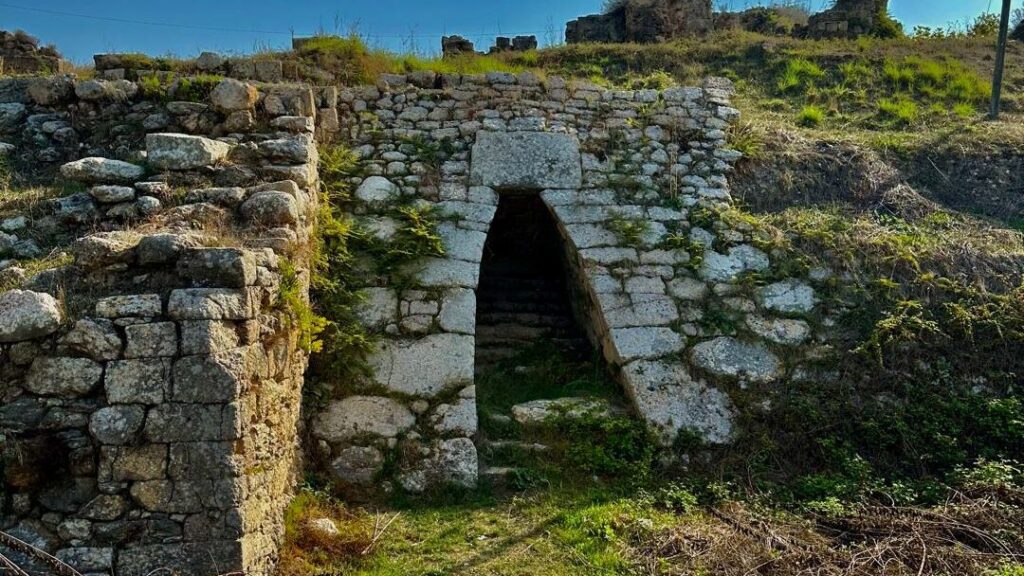
Near Latakia, Ugarit is one of the most important archaeological sites for understanding the ancient eastern Mediterranean and the development of alphabetic writing.
Pair the site with Latakia, nearby mountain scenery or other coastal stops so the coast feels like a region rather than a single archaeological detour.
How many days should a first trip take?
Seven to ten days is the sweet spot for most first-time visitors. Shorter trips should stay focused; longer trips can add regions without turning every day into a transfer.
Build the route around your time, not around a checklist
Entry procedures, driving times and access to some sites can change. A good itinerary should be built around the current situation and the pace you actually want.
Explore group tours Plan a private tour