

12 Best Things to Do in Aleppo
Aleppo is not one sight. It is a city of citadel walls, old souqs, soap workshops, churches, food traditions and neighbourhoods that make more sense when explored slowly and with context.
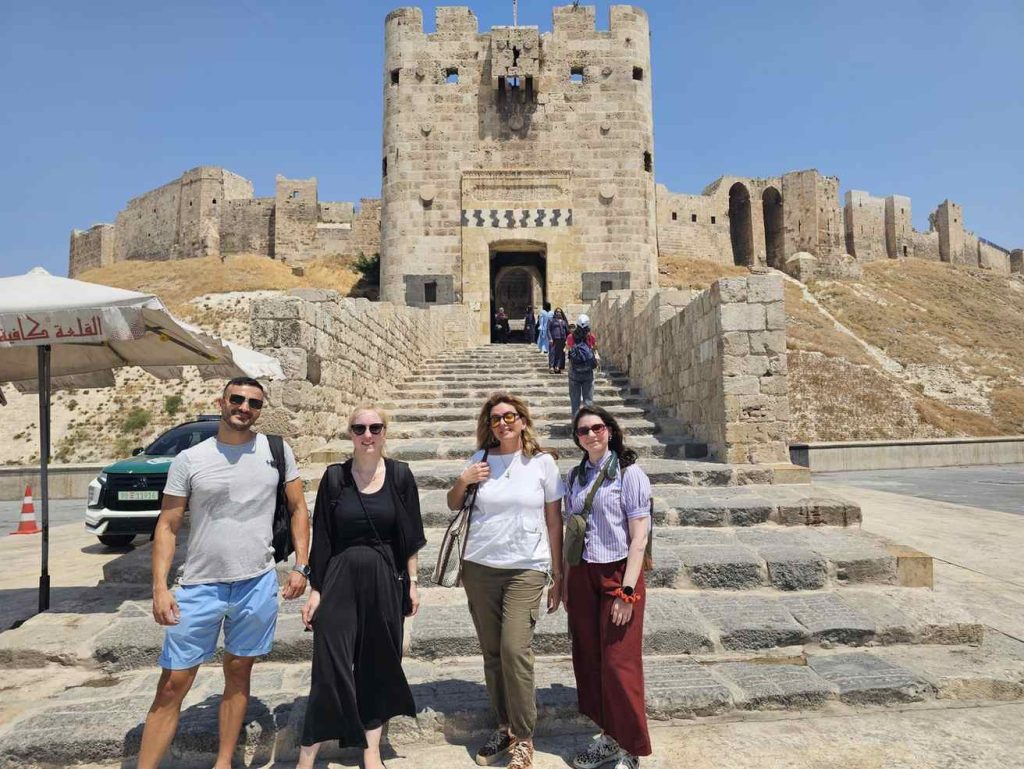
Climb Aleppo Citadel
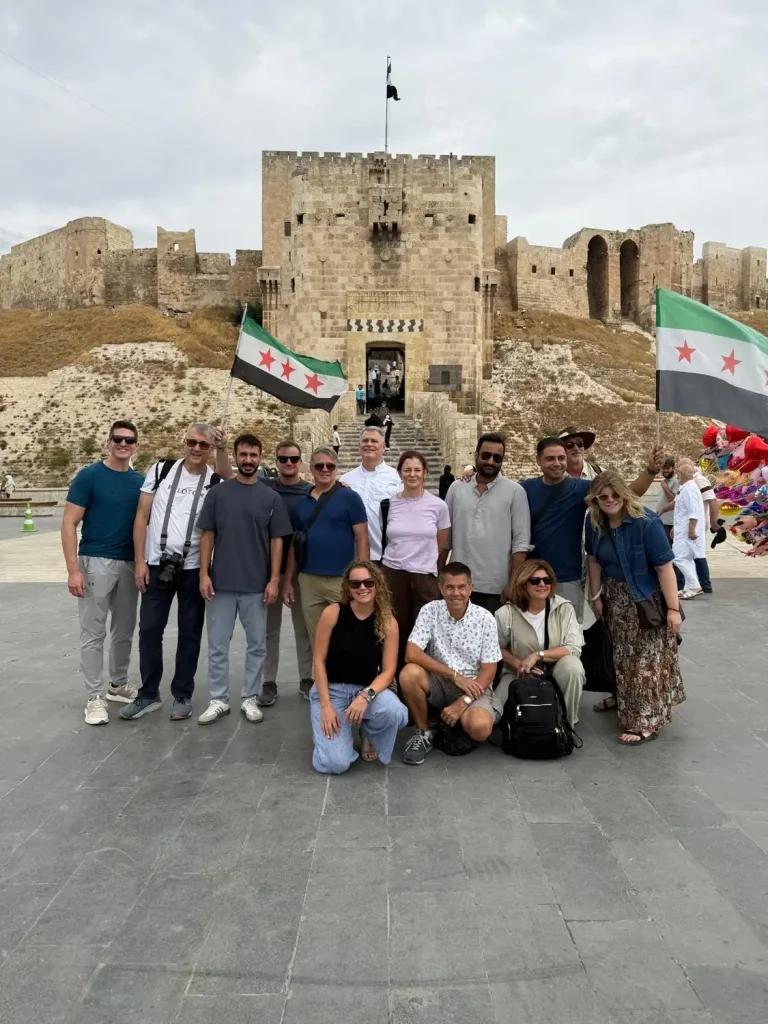
The Citadel is the city’s great landmark and the best place to understand Aleppo’s scale. The fortified hill has been occupied and reshaped across centuries, and the entrance bridge alone gives a strong sense of its defensive power.
Do not rush straight to the highest viewpoint. Walk through the gates, courtyards and interior spaces first, then use the panorama to connect what you have seen with the Old City below.
Walk through the Old City souqs
Aleppo’s historic market streets are essential to the city’s identity. Even where restoration and rebuilding are still visible, the souqs show how trade, craft and daily life were woven into the urban fabric around the Citadel and Great Mosque.
Move slowly through the lanes and pay attention to workshops, old shopfronts and the transition between restored sections and areas still carrying traces of the war.
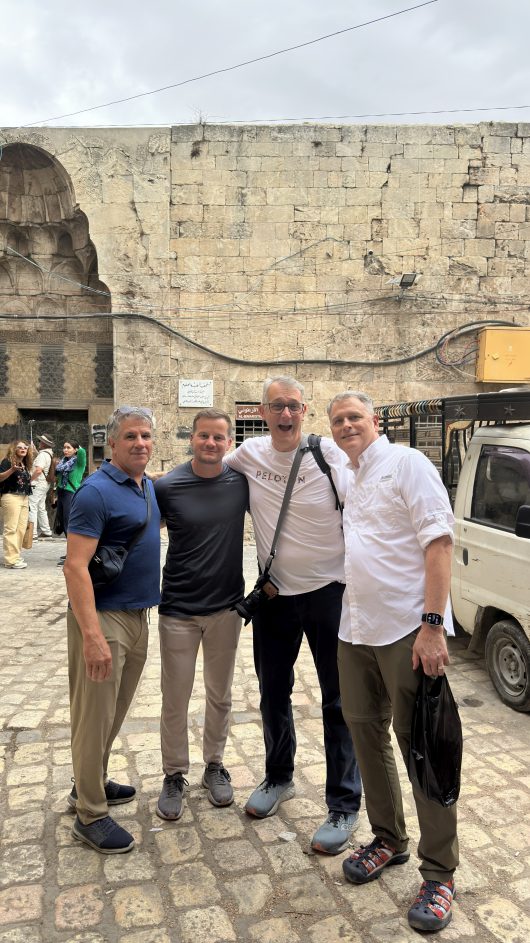
Visit the Great Umayyad Mosque of Aleppo
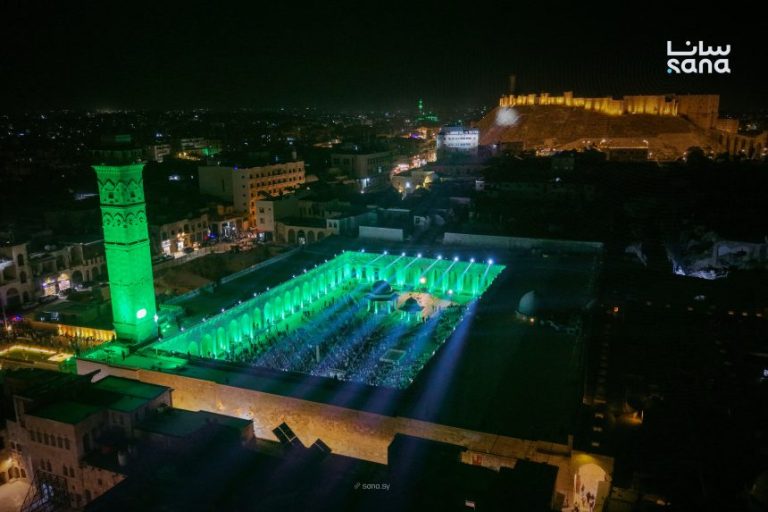
The Great Mosque is one of the key monuments of Aleppo’s Old City. Its long history, large courtyard and restored architecture make it a natural counterpart to the Citadel.
Because the mosque has undergone major restoration after wartime destruction, it is also a place to think about how heritage is reconstructed and returned to everyday religious life rather than simply preserved as a ruin.
See Aleppo soap being made
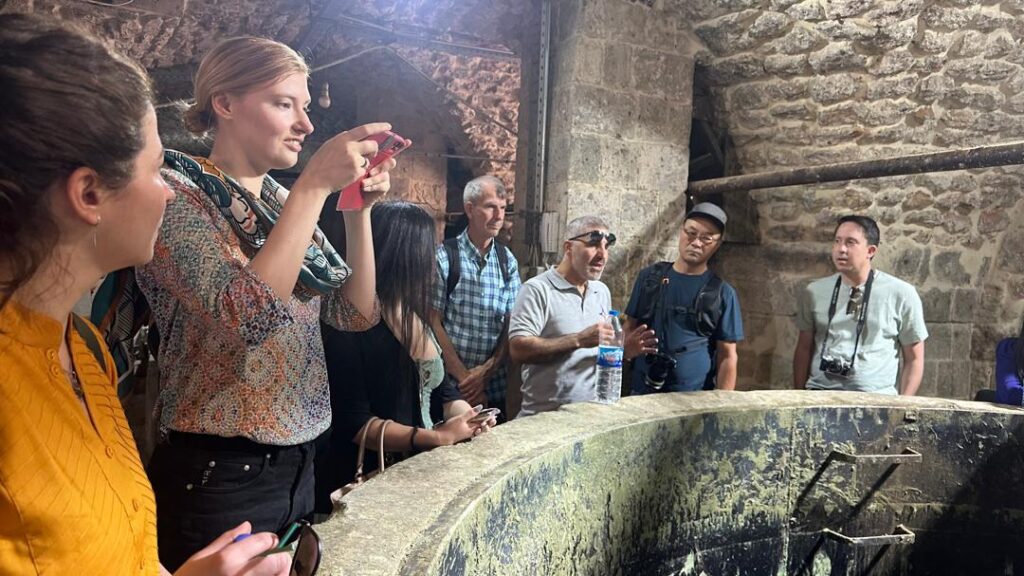
Laurel soap is one of Aleppo’s best-known products, but the experience becomes much more interesting inside a working factory. You can see how olive oil and laurel oil are cooked, poured, cut, stamped and then left to cure.
Ask about the percentage of laurel oil, how long the soap ages and why the colour changes during the curing process. A factory visit turns an ordinary souvenir into a living craft tradition.
Explore Jdeideh and the Christian quarter
Jdeideh offers a different side of Aleppo, with churches, stone houses, quiet lanes and restored heritage buildings. The district reflects the city’s long Christian presence and its close relationship with Armenian and other communities.
Spend time walking rather than only visiting one church. The neighbourhood’s architecture, courtyards and small squares give it a distinct atmosphere from the commercial heart of the Old City.

Step inside an old Aleppine house
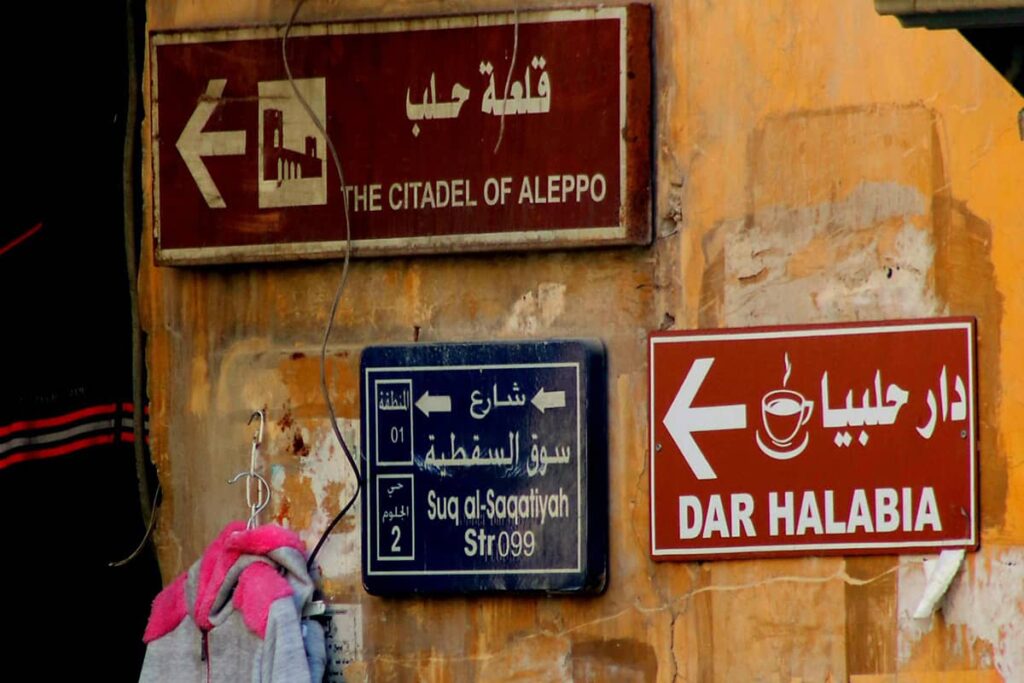
Historic houses in Aleppo are built around privacy and courtyards, much like traditional Damascene homes but with their own local character. Staying in or visiting a restored guesthouse helps you understand the city beyond public monuments.
Look at the stonework, interior layout and relationship between rooms and courtyard. These spaces make Aleppo’s domestic architecture much easier to imagine as lived experience rather than museum history.
Try Aleppo’s famous cherry kebab

Kebab karaz, or cherry kebab, is one of the dishes most strongly associated with Aleppo. The combination of grilled meat and sour cherry sauce is distinctive, rich and immediately different from kebab styles found elsewhere in Syria.
Order it as part of a proper Aleppine meal rather than as a quick snack, and pair it with other local dishes so you can understand why Aleppo is considered one of Syria’s great food cities.
Stop for street food
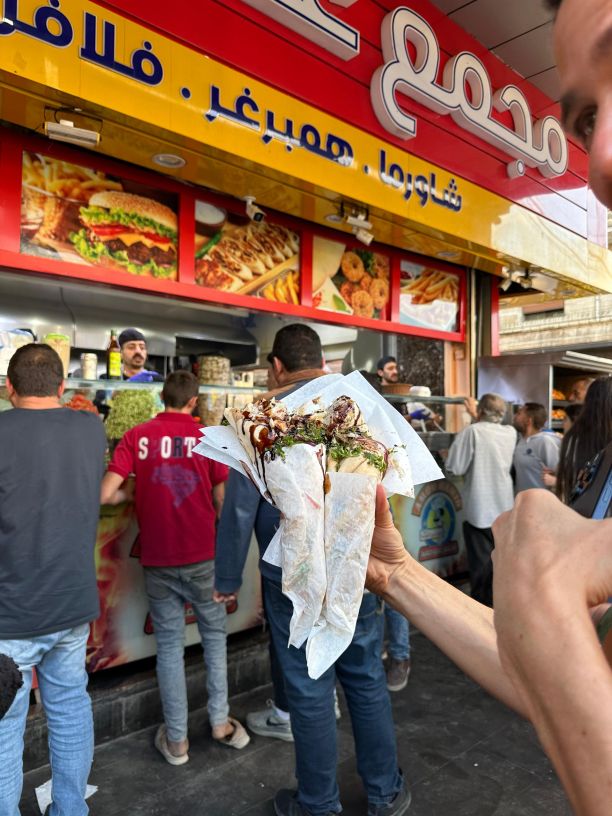
Not every meal in Aleppo should be formal. A falafel stop, a quick sandwich or a simple local breakfast gives you a different feel for the city and breaks up a long sightseeing day.
Places with a strong local following are often more memorable than restaurants designed only for visitors. Eat where people are actually stopping between work, shopping and daily errands.
Taste Aleppo’s Armenian food traditions
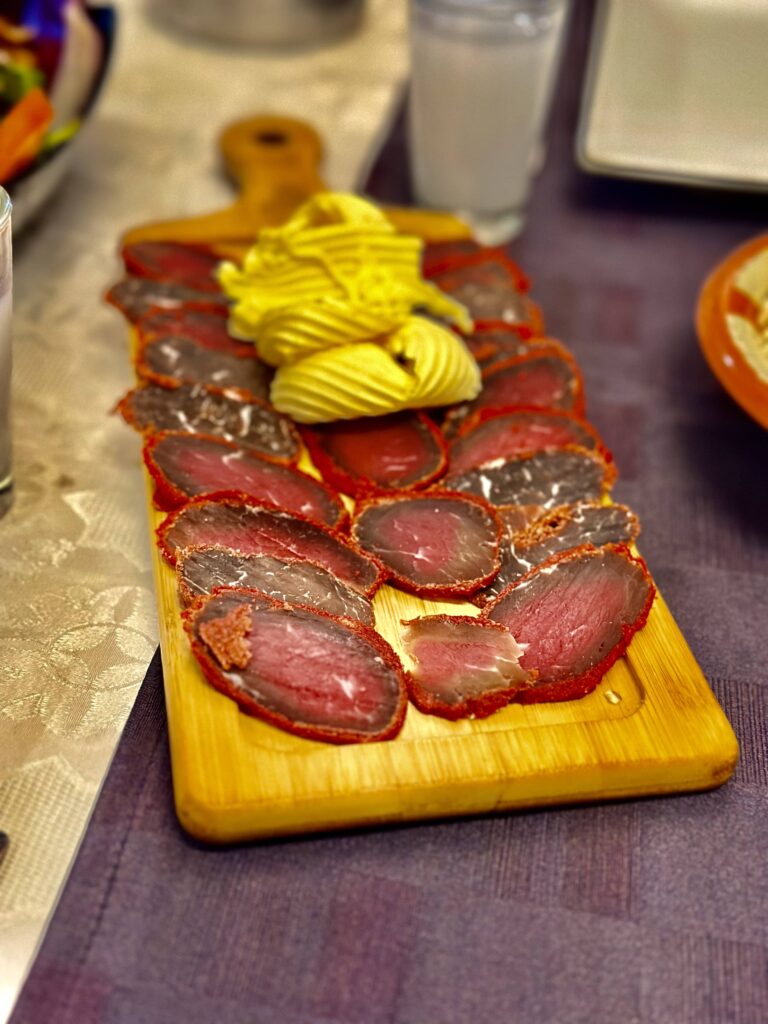
Aleppo’s Armenian community has had a deep influence on the city’s food culture. Basterma, sausages, pastries and other specialties add another layer to what makes eating in Aleppo so interesting.
Seek out places where these foods are part of everyday community life rather than treated as novelty dishes. Food is one of the easiest ways to understand the city’s cultural diversity.
Find a viewpoint over the Old City

A high viewpoint helps connect the Citadel, mosque, souqs and surrounding neighbourhoods into one city. From above, Aleppo’s dense historic core becomes much easier to read.
Late afternoon is especially good, when the light softens and the city’s stone architecture begins to glow. It is also an ideal moment to pause after a full day of walking.
Make the trip to Saint Simeon
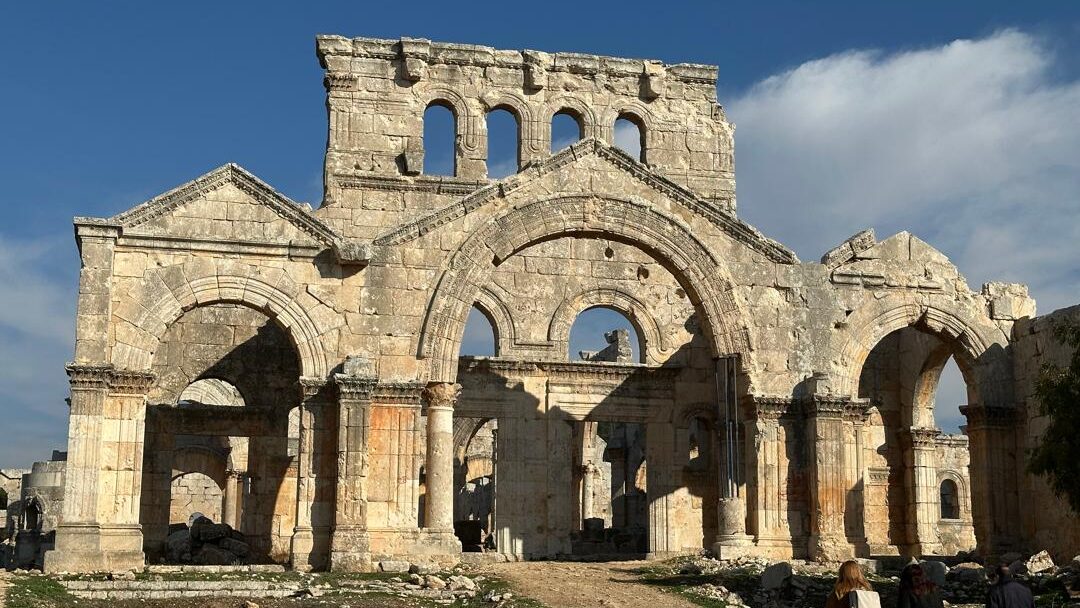
Saint Simeon sits outside Aleppo, but it is one of the strongest additions to a city stay. The vast early Christian complex was built around the pillar associated with Saint Simeon Stylites and stands in open countryside far removed from the urban density of Aleppo.
Allow enough time for the drive and for walking the site slowly. The landscape is part of the experience, not just the ruins themselves.
End with a long Aleppine dinner

Aleppo deserves one meal where you stop counting sights and simply eat. Order several dishes to share, ask what the restaurant is known for and let the meal become part of the day rather than an afterthought.
For many travellers, the food is what makes Aleppo linger in memory: strong flavours, regional specialties and a culinary identity that is as important as the city’s monuments.
How to spend one excellent day in Aleppo
Morning: Citadel → Great Mosque → Old City souqs.
Afternoon: soap factory → Jdeideh → old house or viewpoint.
Evening: street-food stop followed by a proper Aleppine dinner.
See more than the Citadel
Our Syria itineraries combine Aleppo’s headline landmarks with soap workshops, food traditions, neighbourhood walks and the local context that turns a city visit into an experience.
See upcoming group toursPlan a private tour