
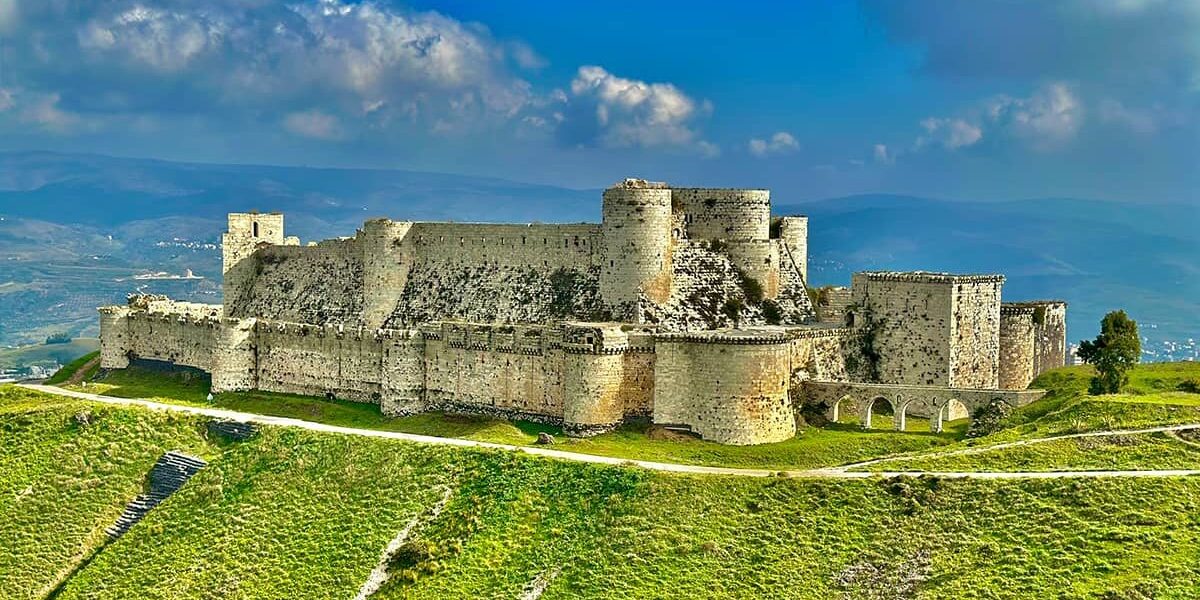
Krak des Chevaliers
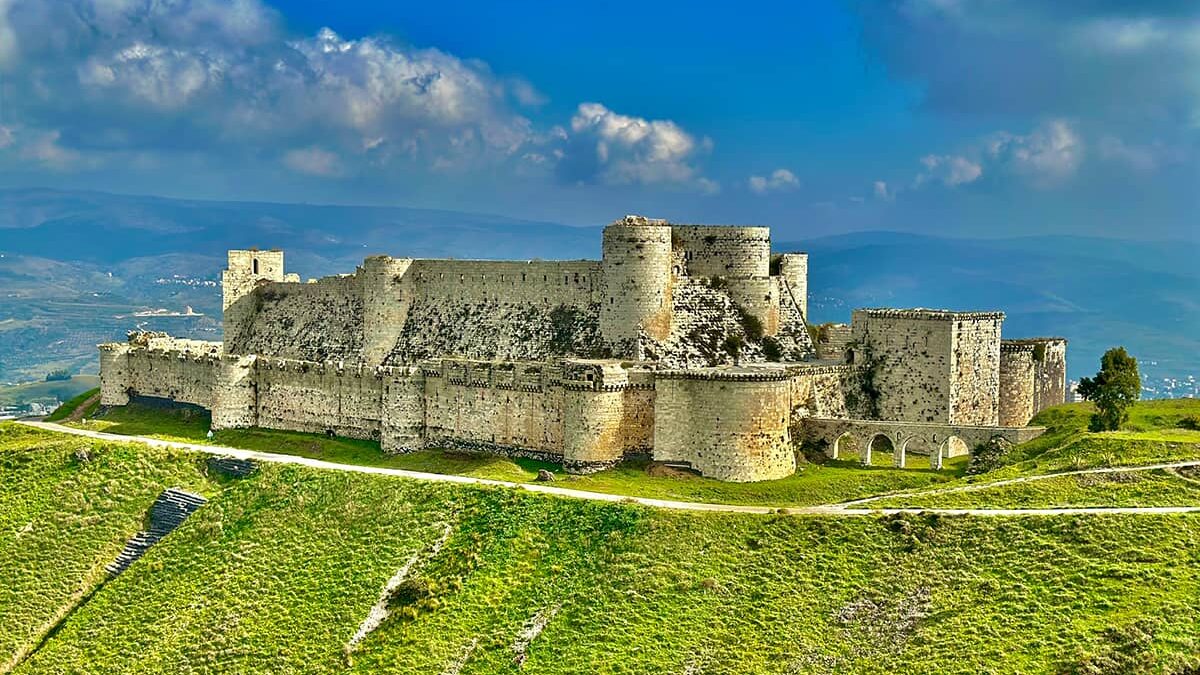
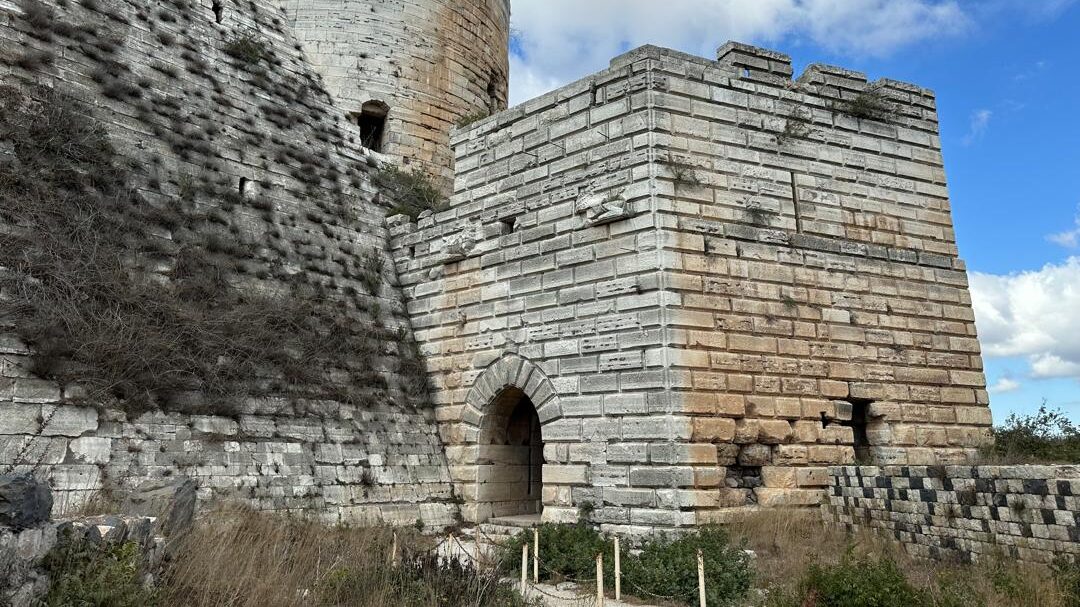
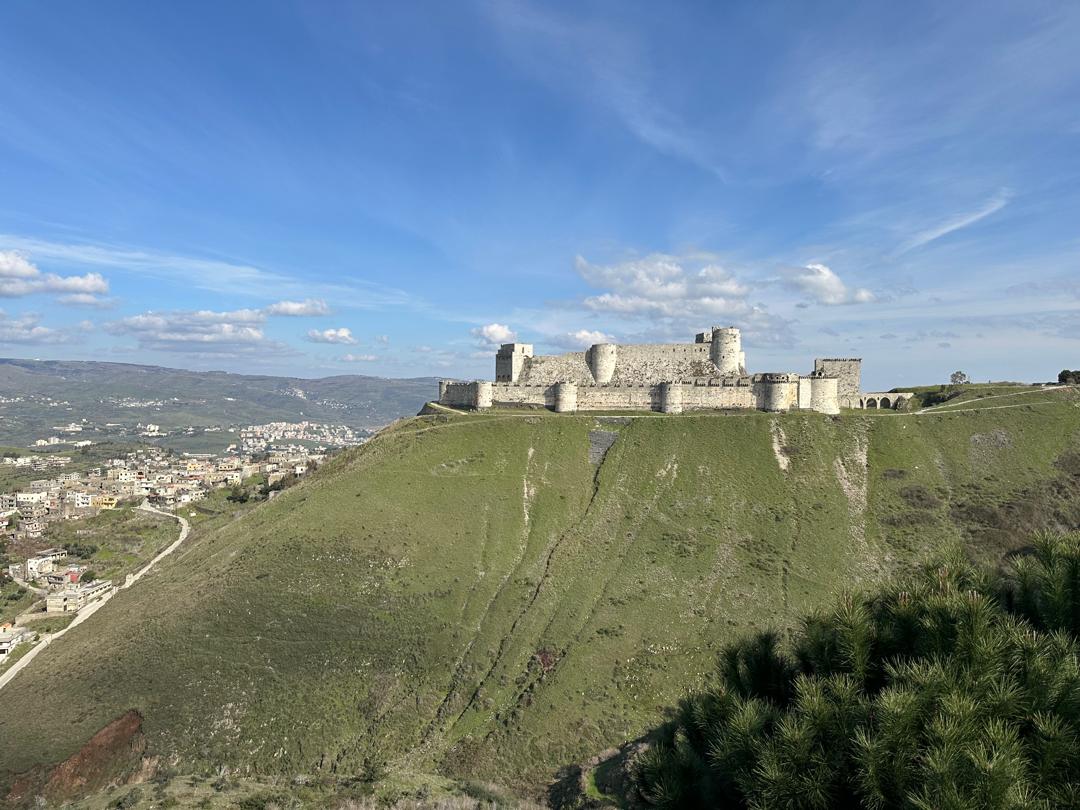
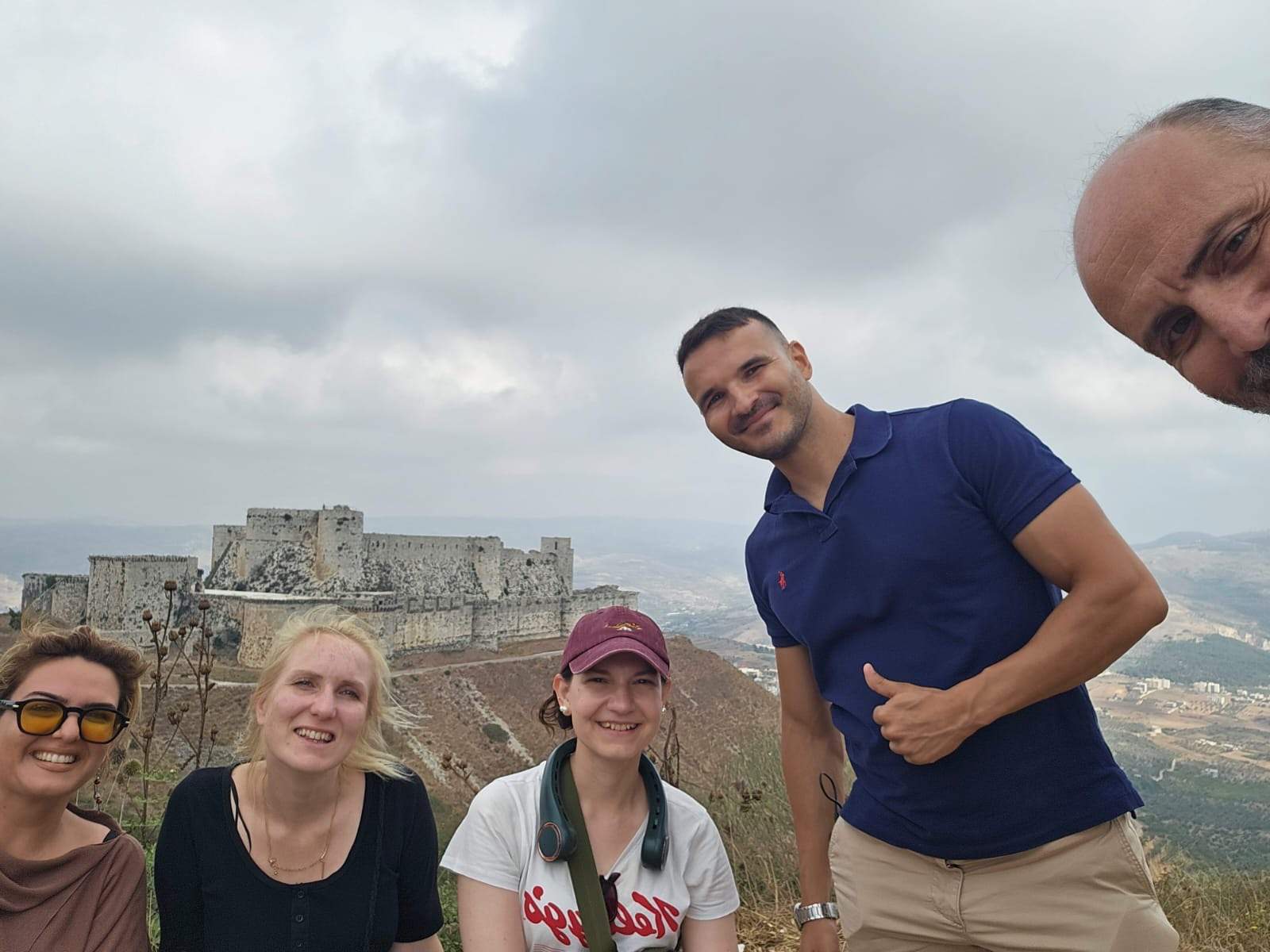
The first encounter with Krak des Chevaliers is often from below: an extraordinary mass of stone rising above the countryside. Its commanding position was no accident. The hill overlooked routes connecting the Syrian interior to the Mediterranean coast, making control of the ridge strategically valuable.
To understand this landmark, it is worth looking beyond its best-known photograph. The story lies equally in the people who made it, the landscape that shaped it and the ways its meaning has changed.
At a Glance
A Castle That Commands the Landscape
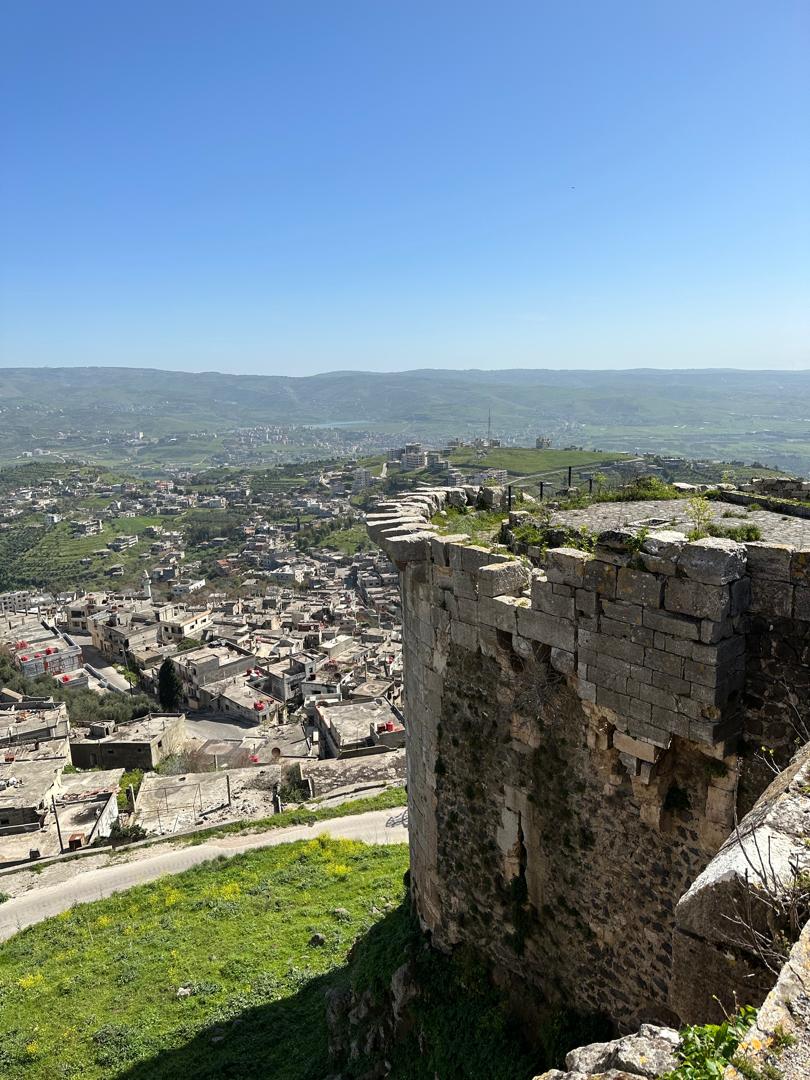
The first encounter with Krak des Chevaliers is often from below: an extraordinary mass of stone rising above the countryside. Its commanding position was no accident. The hill overlooked routes connecting the Syrian interior to the Mediterranean coast, making control of the ridge strategically valuable.
The castle was never simply a romantic silhouette. It was a place designed to withstand danger, store provisions, shelter people and maintain a functioning community inside walls. Looking at it in these terms helps visitors understand why corridors, water installations and everyday spaces matter as much as towers.
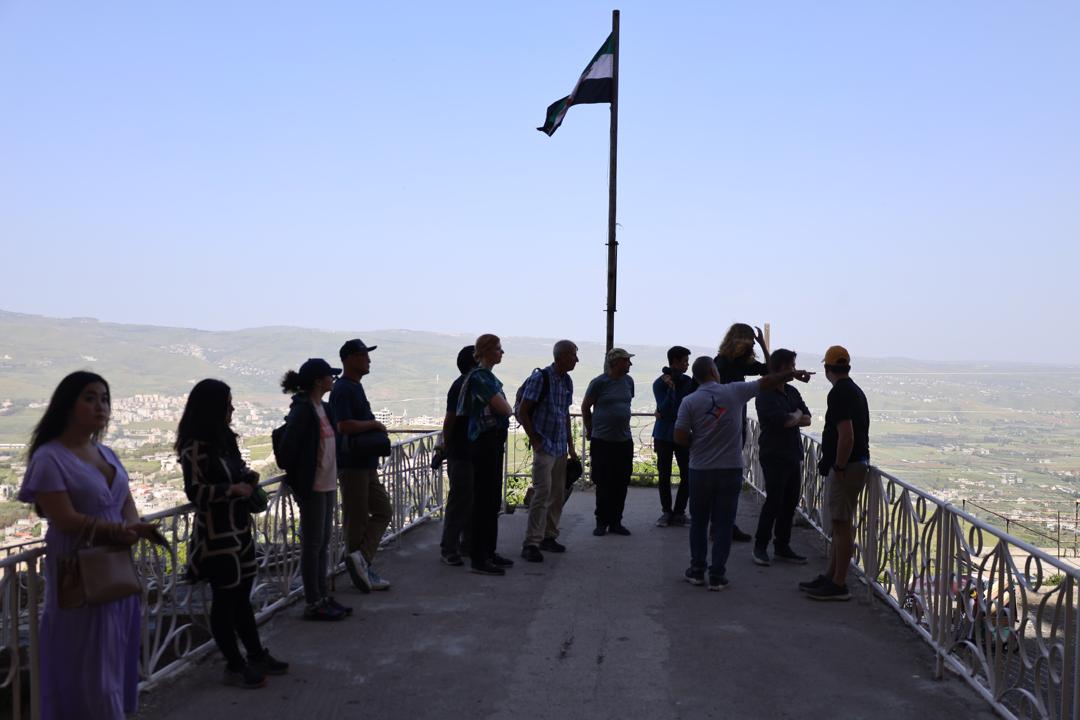
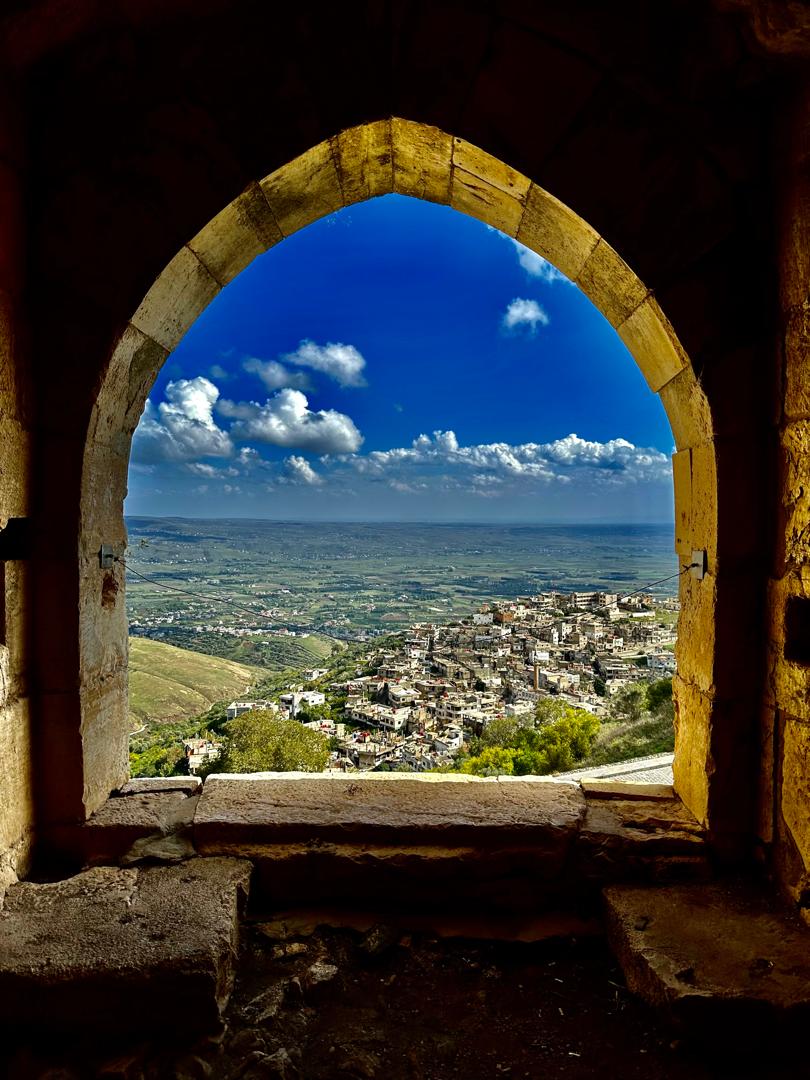
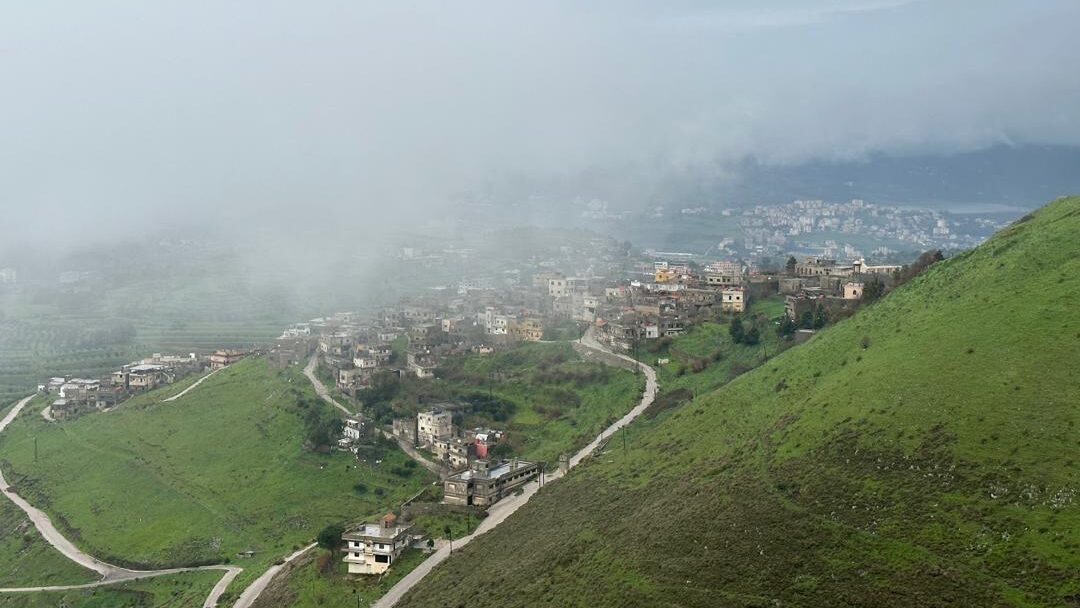
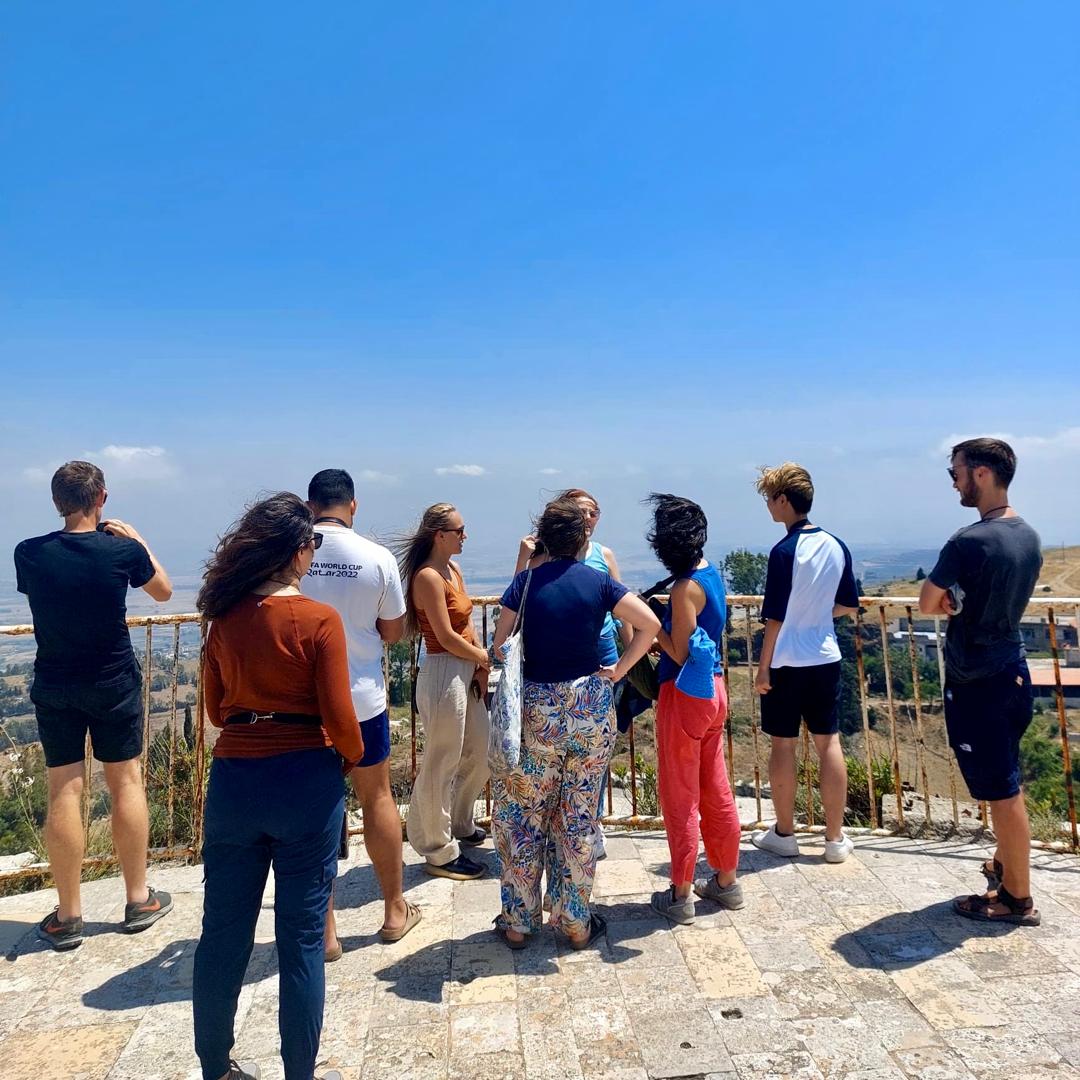
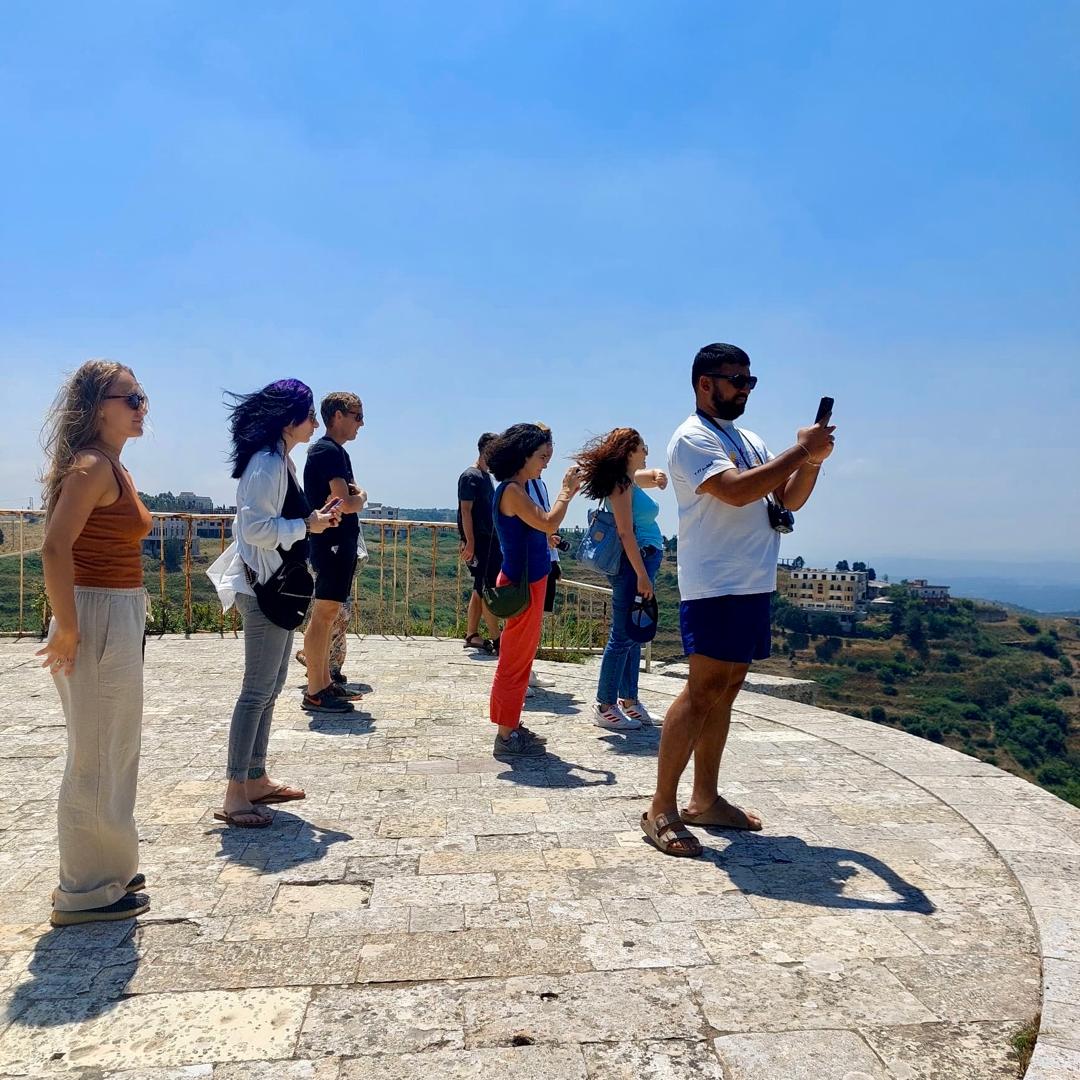
The surrounding region remains part of the experience. From elevated viewpoints, the landscape begins to explain the decisions of those who built and repeatedly modified the fortress.

From Hospitallers to Mamluks
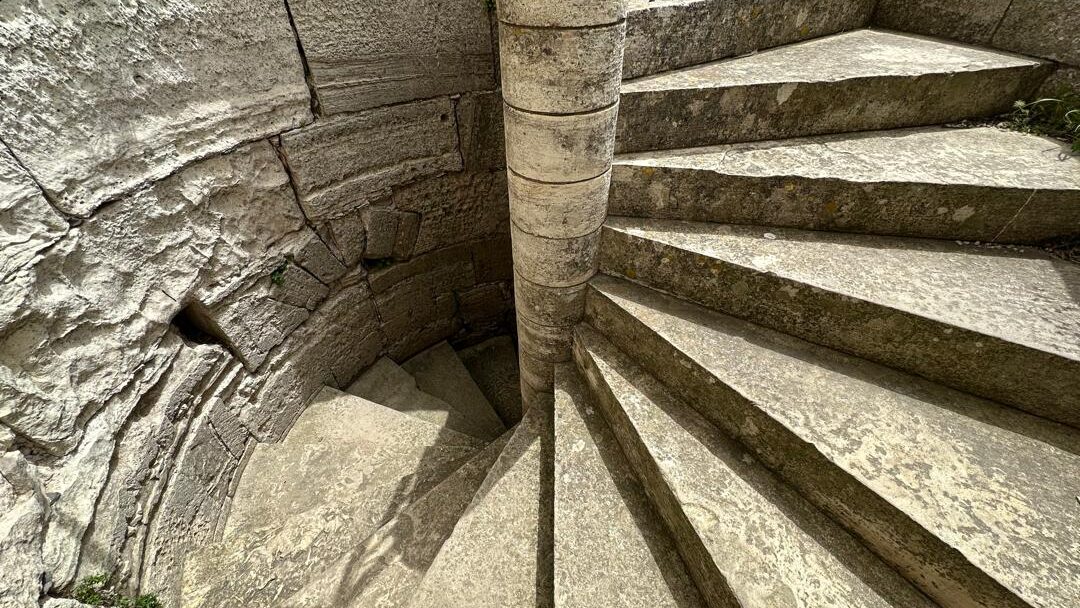
The Knights Hospitaller, a religious-military order, transformed the stronghold into one of the region’s most elaborate medieval castles. UNESCO identifies their major construction period as 1142 to 1271. The careful stonework speaks to extensive resources and considerable technical expertise.
The Hospitallers did not inhabit an empty frontier. Their building programme unfolded amid changing alliances, rival political powers and established communities across Syria. Its architecture should be read within that complex regional history rather than as an isolated European monument.
In 1271 Sultan Baybars captured the castle for the Mamluks. Further fortification and adaptation followed. As a result, parts of the castle reflect different historical phases; not every masonry wall belongs to the same rulers or the same century.
Why Its Defences Were So Impressive
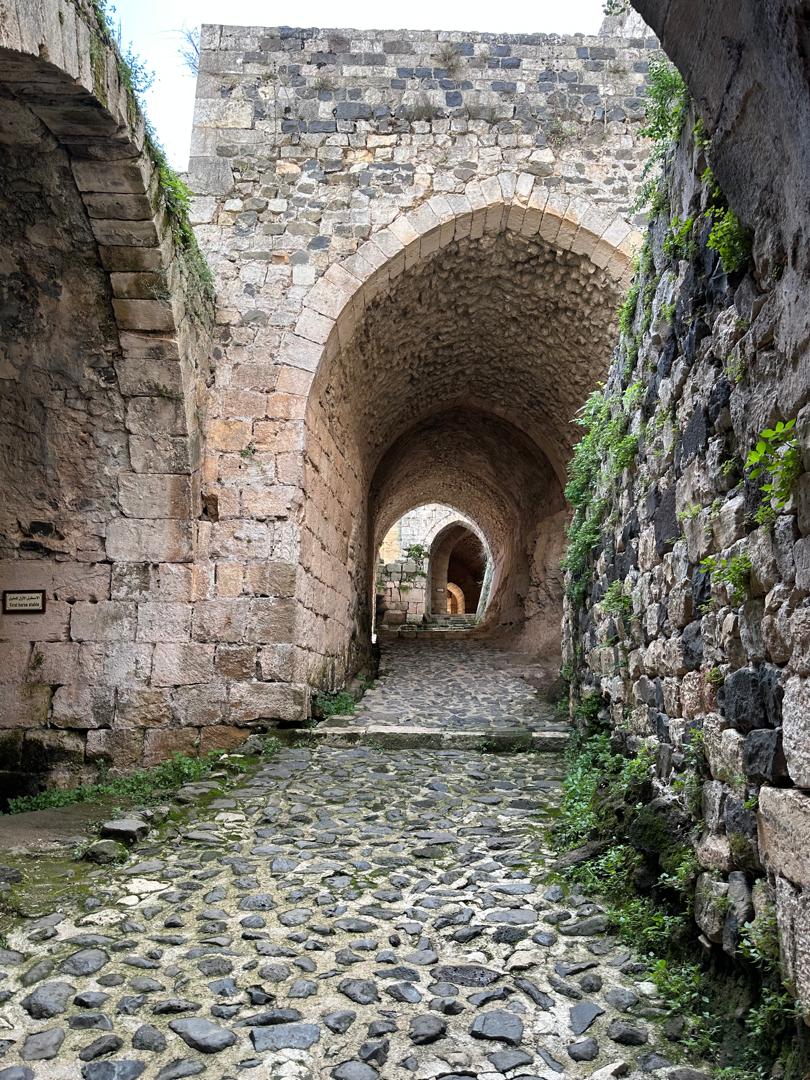
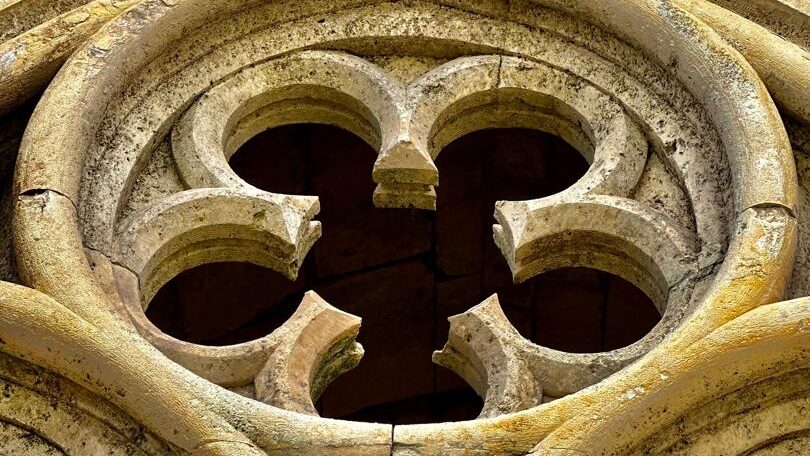
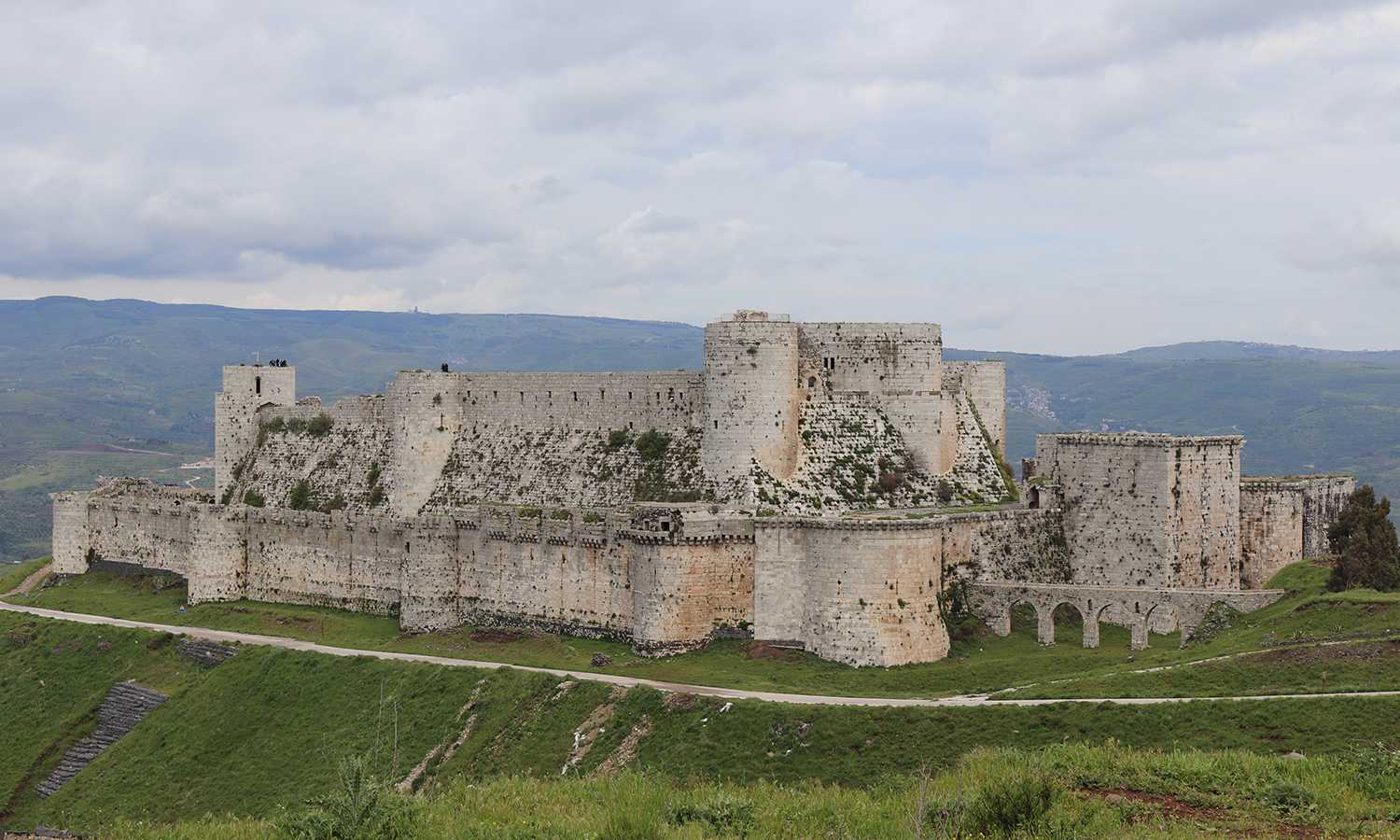
Krak is organised around successive defensive systems, with walls, controlled gateways and an inner stronghold. An attacker would have found the approach difficult to navigate, while defenders could use high positions and narrow passages to their advantage.
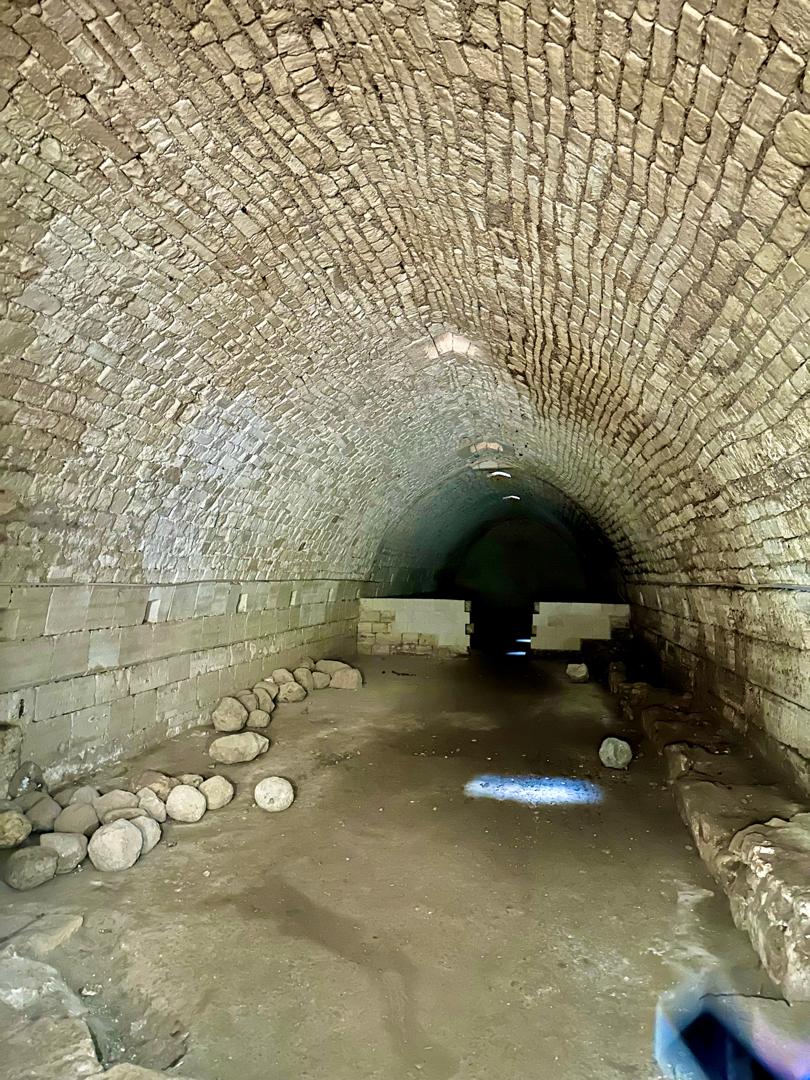
The structure also reveals the logistical side of siege warfare. Water, food, storage and access between levels were essential. A fortress could not survive merely because its walls were thick; it required a working system that supported everyone inside.
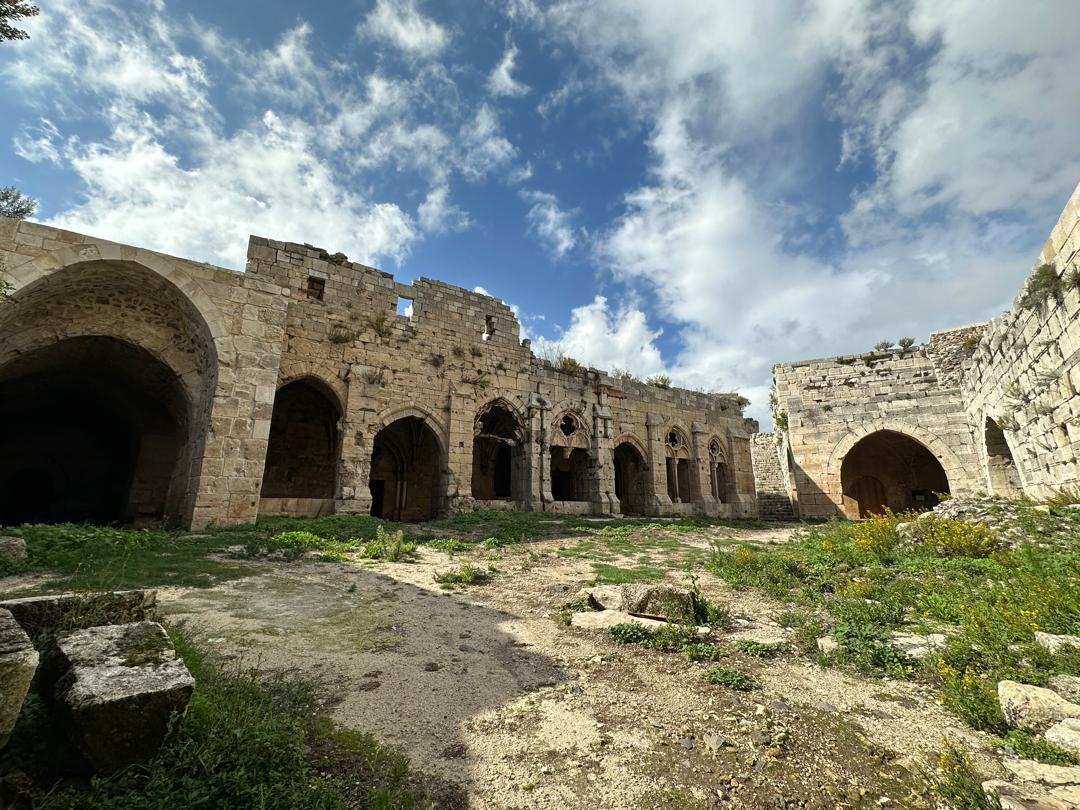
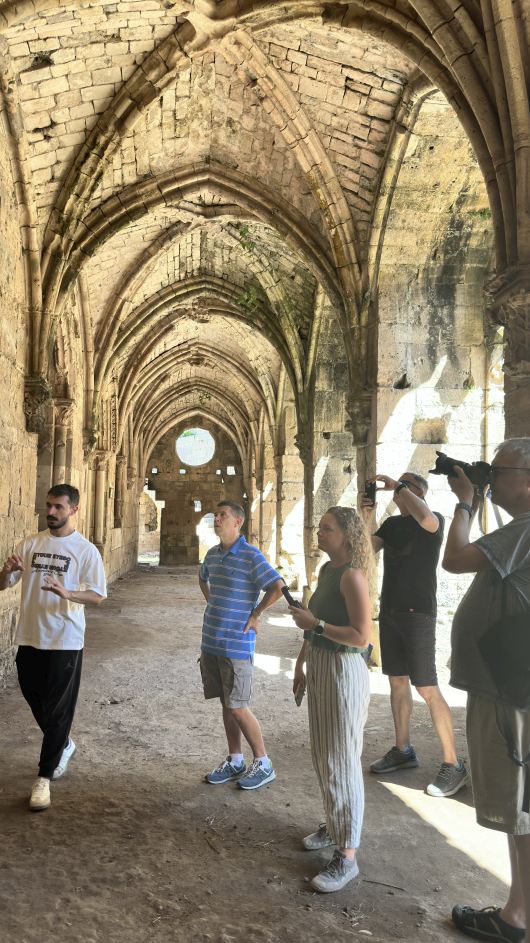
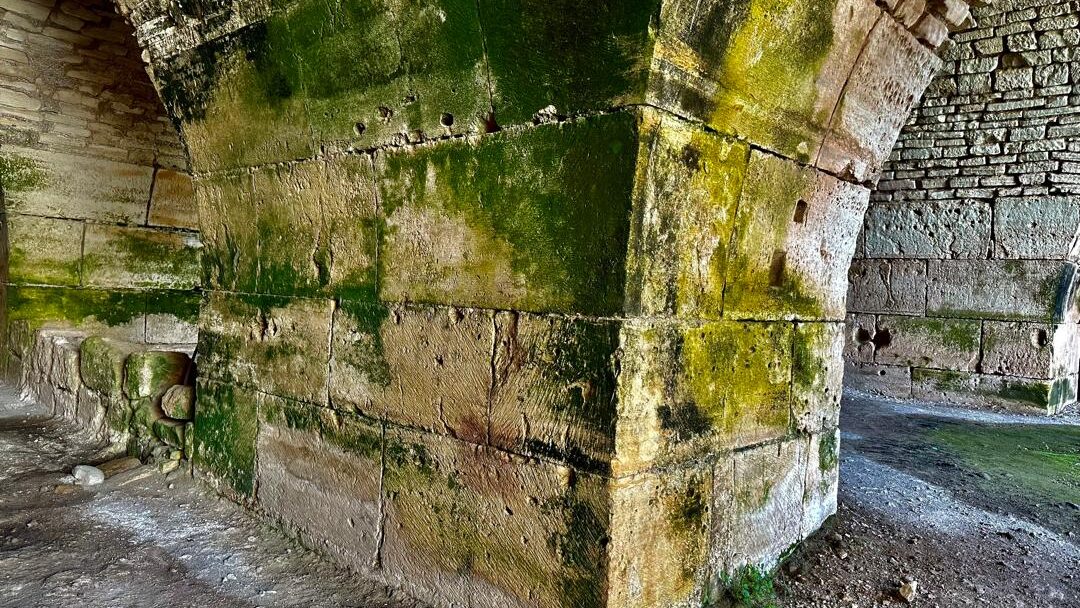
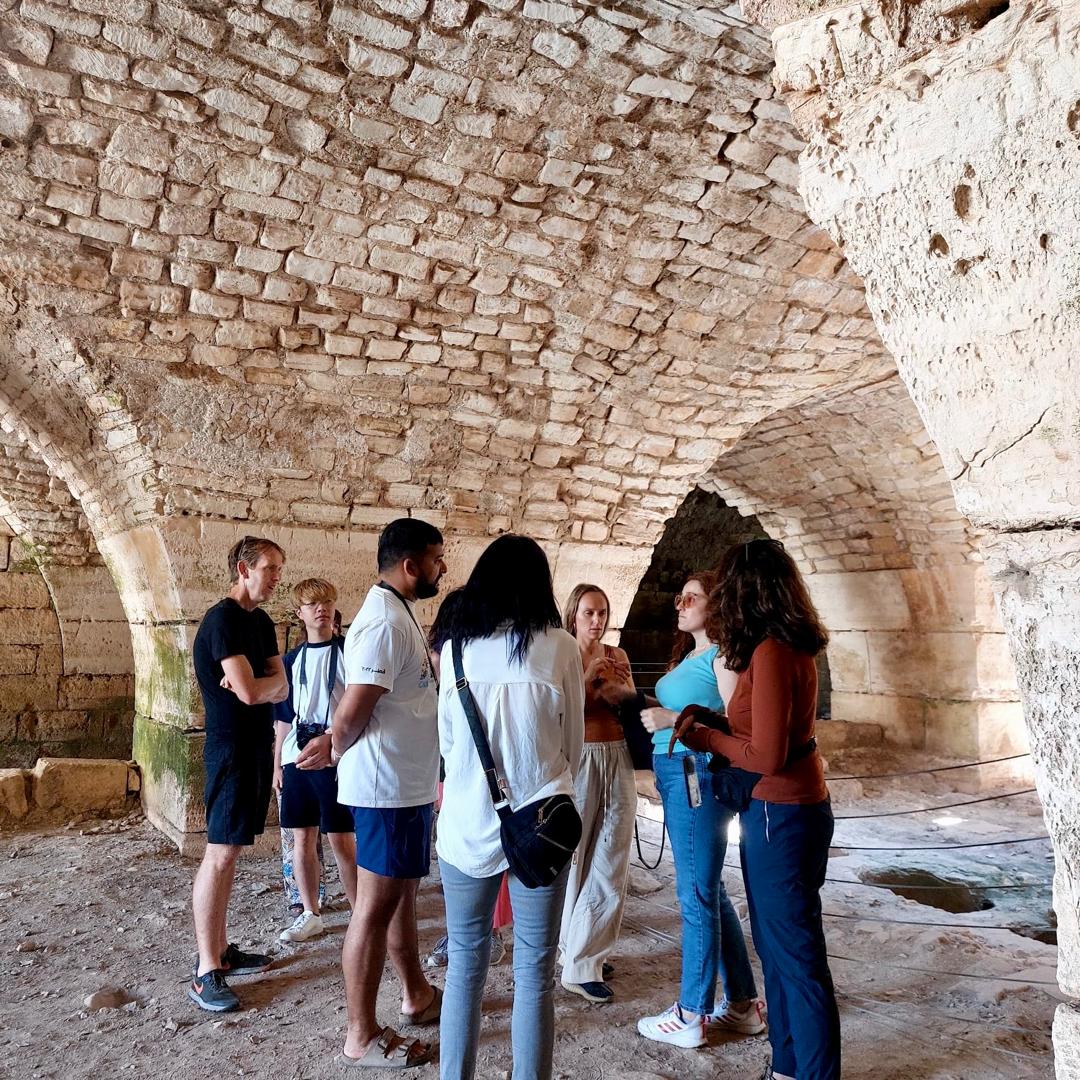
The enormous vaulted halls are among the most atmospheric spaces. Their arches and massive supports are beautiful, but they also demonstrate the practical capabilities of medieval masonry. Stand quietly and imagine the sounds of work, footsteps and daily routines rather than battle alone.
A Shared Architectural History
UNESCO lists Krak des Chevaliers together with Saladin Castle because both illustrate the evolution and exchange of defensive architectural ideas in the region. Byzantine, Frankish, Ayyubid and Mamluk histories intersect in Syria’s surviving fortifications.
The fortress has also witnessed modern conflict and conservation challenges. Damage and restoration form part of its contemporary story; visitors should follow marked access routes and respect any closed areas.
One of the most rewarding questions to ask a guide is not simply who won a particular siege, but how successive communities adapted the same spaces to different needs.
How to Explore It
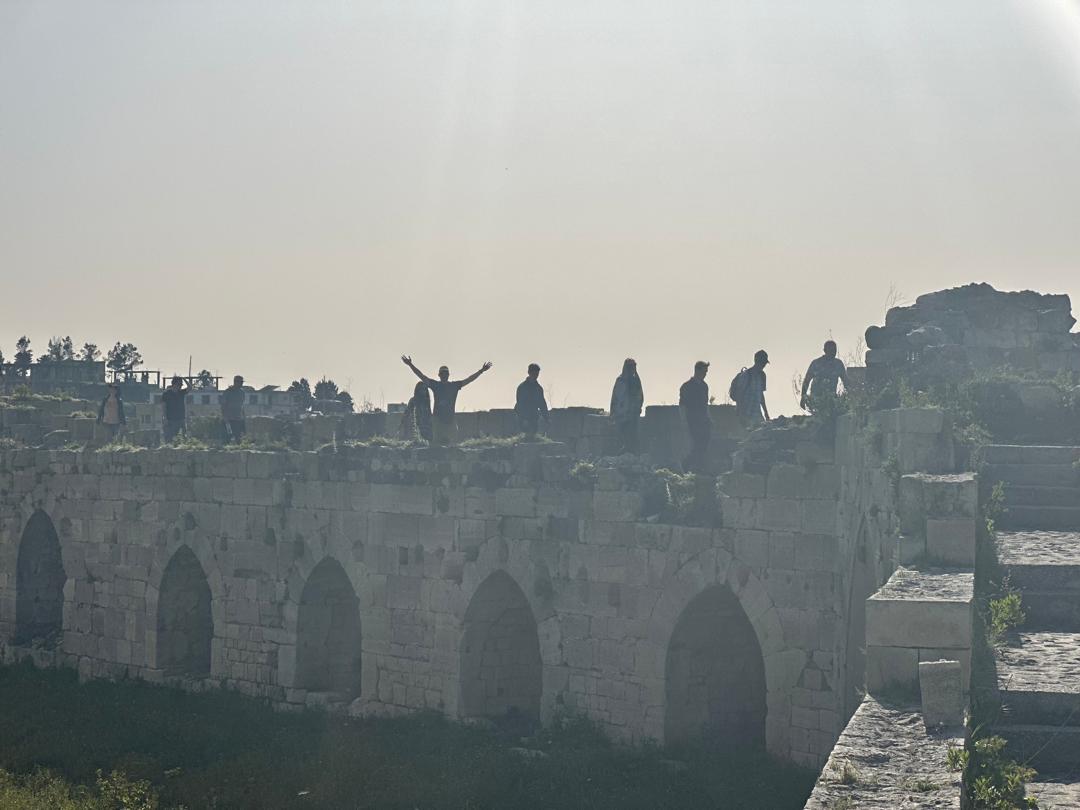
Allow at least a couple of hours to move through gates, courtyards, passages and halls at a measured pace. Wear footwear with grip: surfaces are often uneven or slippery, and stairways can be steep.
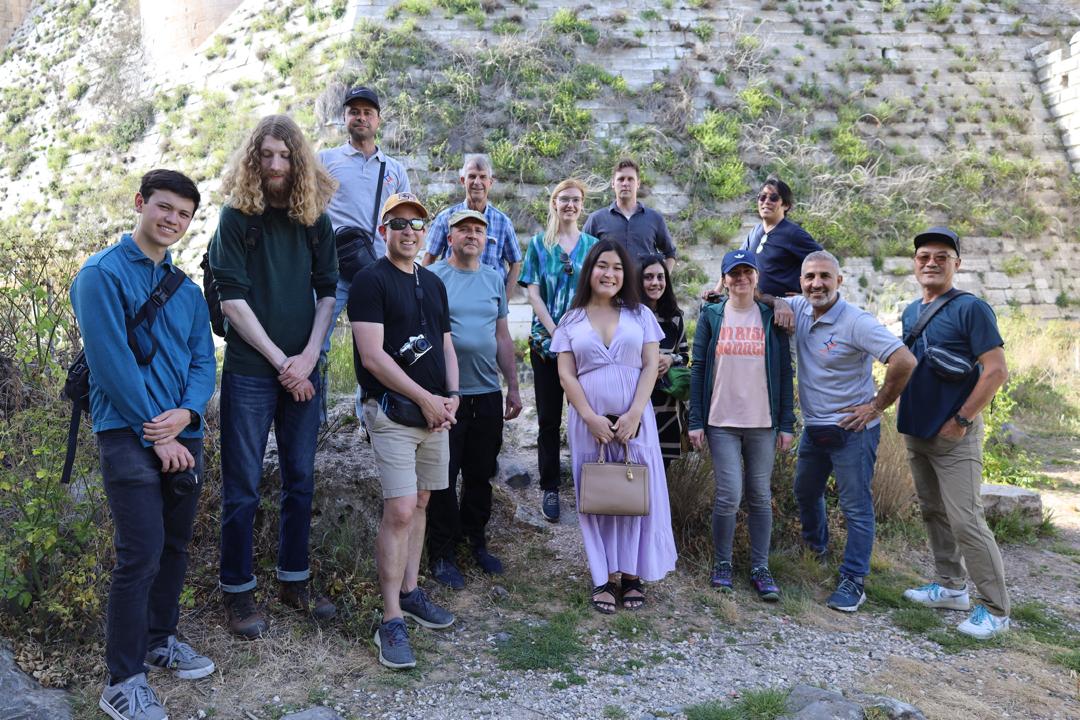
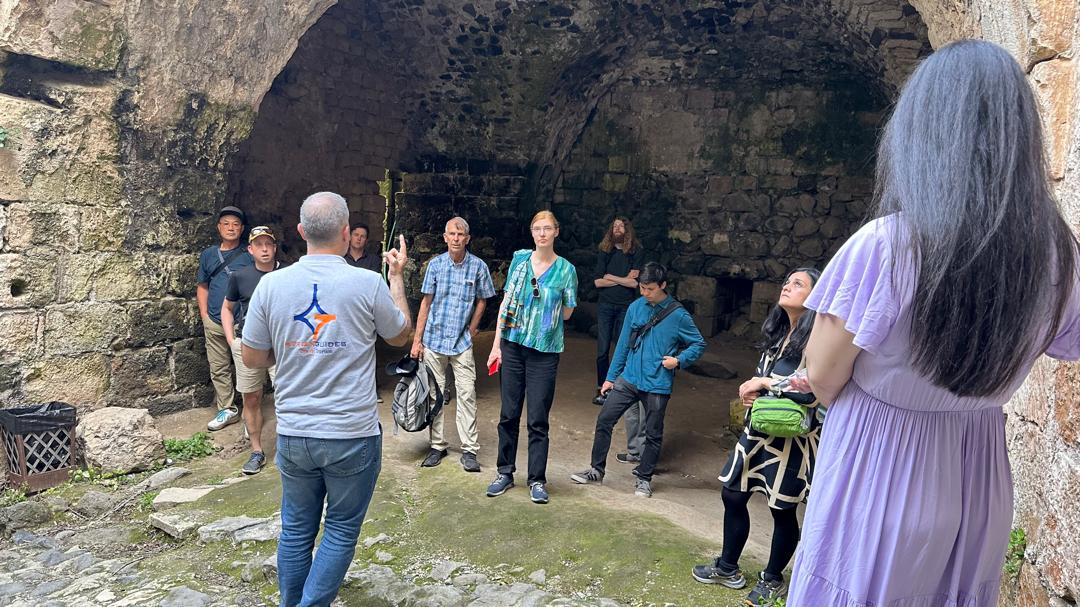
A knowledgeable local guide can distinguish building phases and point out features that otherwise appear to be ordinary stone. Check current visiting arrangements before departure, particularly when combining the castle with Homs and the Valley of Christians.
The best photographs often come from pauses that show both layers of architecture and the surrounding landscape. Avoid climbing onto unprotected or fragile masonry for a better viewpoint.
Explore Syria’s historic landmarks with local guides and itineraries designed around their real stories.
Explore Private ToursHistorical reference: Further reading and historical context. Confirm local access conditions before travel.
Explore more Syria landmarks




You might also enjoy
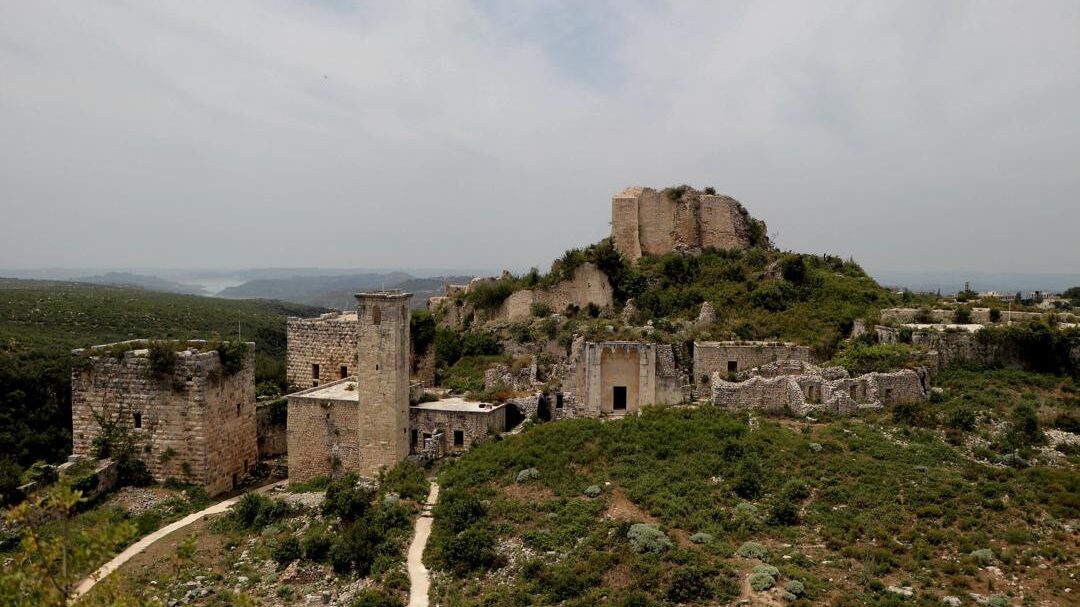 CastleSaladin CastleAnother extraordinary fortress in western SyriaRead the story →
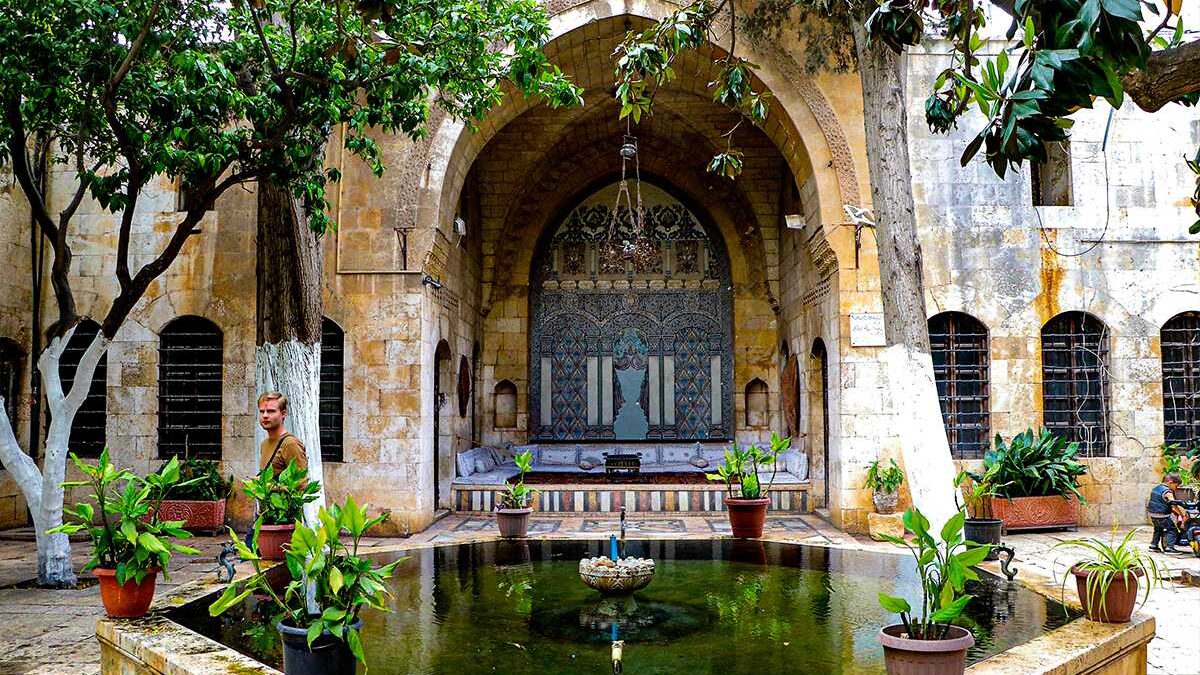 HamaAzm Palace in HamaHistoric architecture beside the OrontesRead the story →
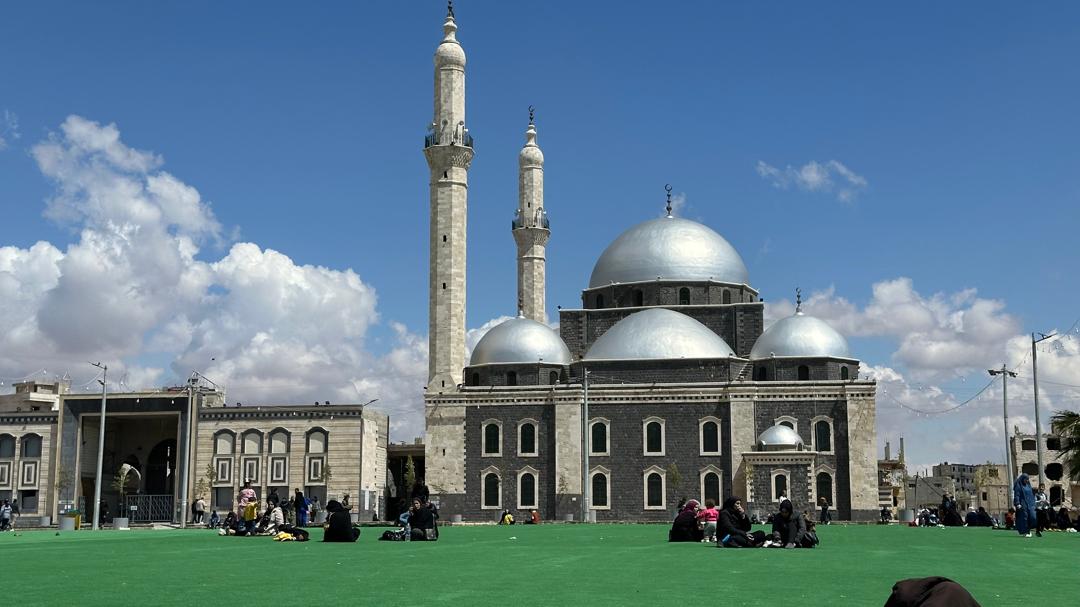 HomsKhalid ibn al-Walid MosqueOne of Homs’s most recognisable landmarksRead the story →
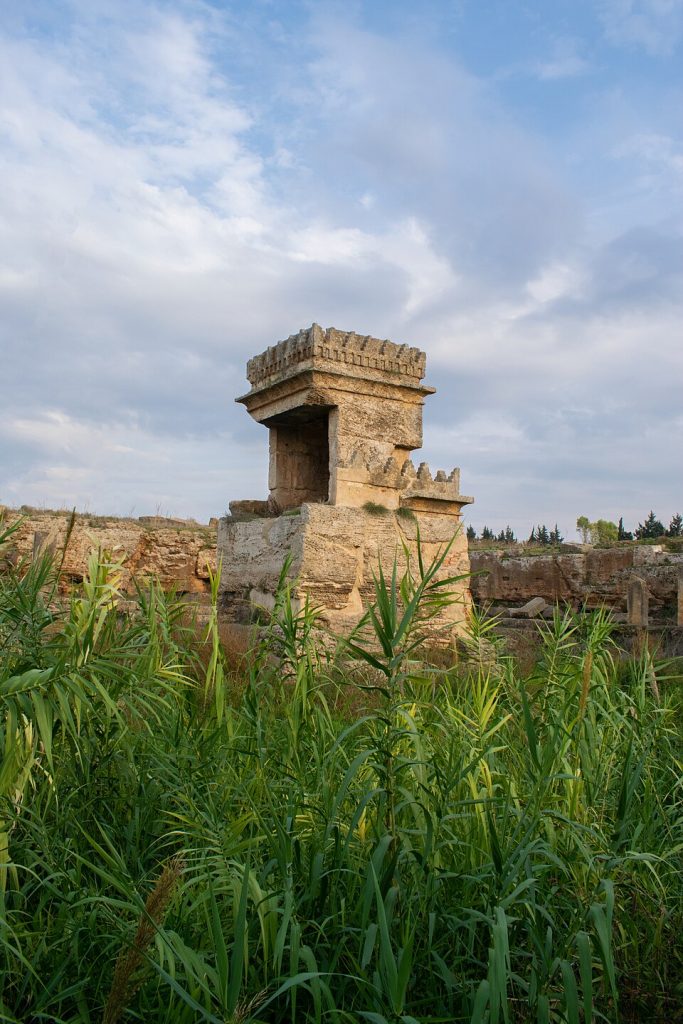 MediterraneanAmrit SanctuaryA Phoenician site near TartusRead the story →