
15 Syrian Foods You Have to Try
Syrian food changes from city to city and from family to family. This list is not a ranking; it is a practical introduction to the dishes, spreads, breakfasts, street foods and sweets that help travellers understand Syria through its table.
Kibbeh
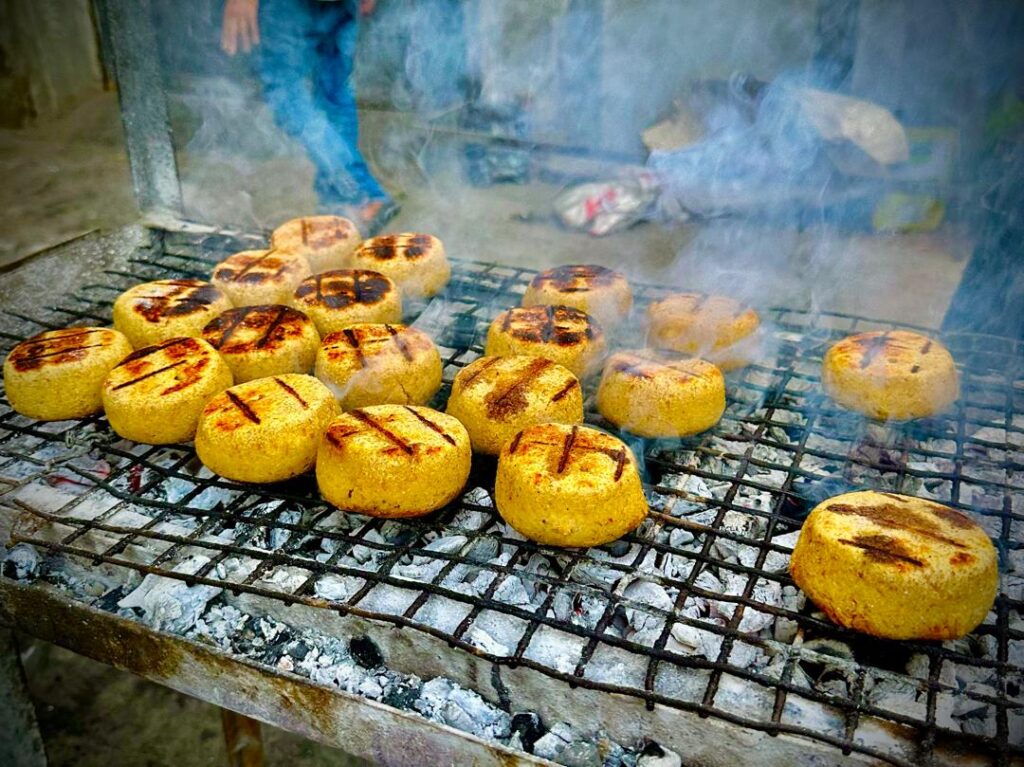
Kibbeh is one of the most important families of dishes in Syrian cooking. The base is usually bulgur and finely minced meat, but the final form can be fried, baked, grilled, cooked in yoghurt or served raw.
Do not assume you have “tried kibbeh” after one version. In different parts of Syria you may encounter crisp torpedo-shaped kibbeh, grilled kibbeh mishwiyeh, yoghurt-based preparations or richly seasoned raw kibbeh. Each version has a different texture and purpose at the table.
Muhammara
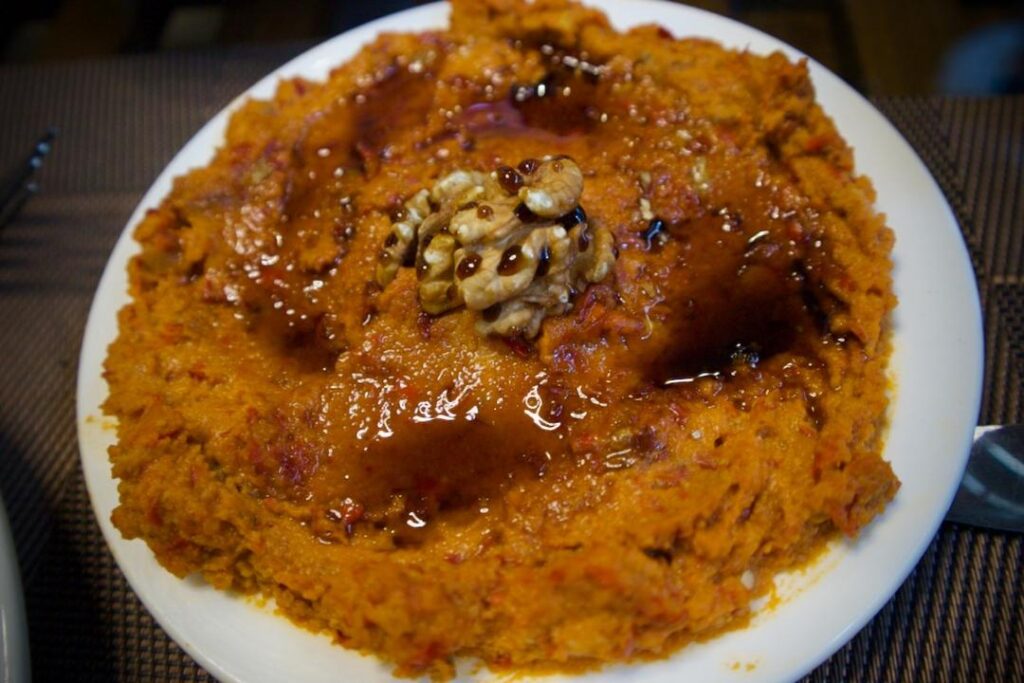
Muhammara is a rich red pepper and walnut spread strongly associated with Aleppo. It combines sweetness, acidity, nuttiness and a gentle heat, often with pomegranate molasses and breadcrumbs helping create its thick texture.
It is usually served as part of a mezze table with bread, but it is worth tasting slowly on its own first. Good muhammara has balance: it should not taste only sweet, only spicy or only of walnuts.
Fattoush

Fattoush is a fresh salad built around vegetables, herbs and pieces of toasted or fried flatbread. What makes it distinctive is the contrast between crisp bread and juicy vegetables, usually sharpened with sumac and a tangy dressing.
It works especially well beside grilled meat or richer dishes because it brings acidity and freshness to the table. The exact balance changes from kitchen to kitchen, which is part of the point.
Makdous
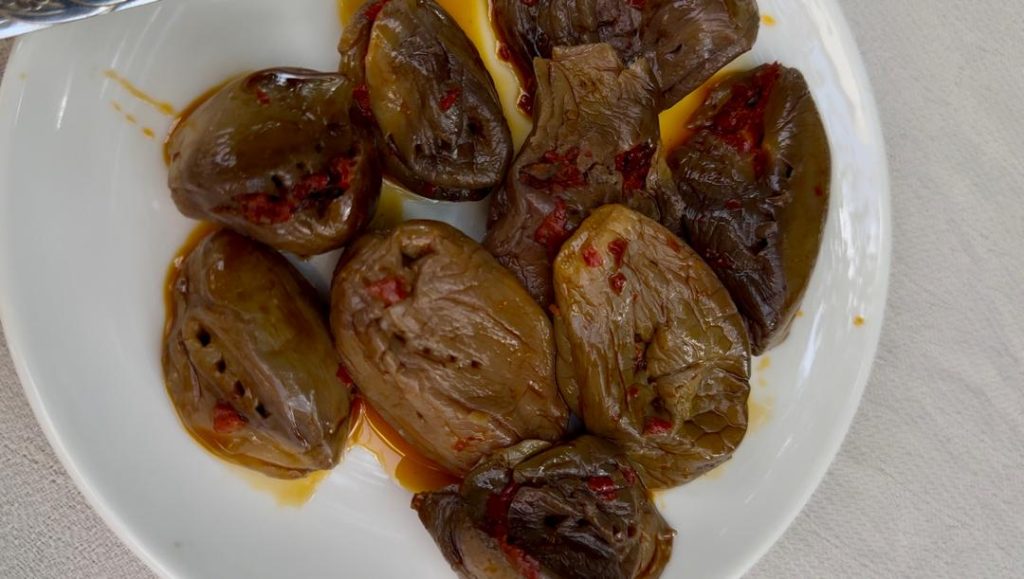
Makdous is small eggplant stuffed with walnuts, red pepper and garlic, then preserved in olive oil. It is one of the most characteristic elements of a Syrian breakfast table and has a flavour that is salty, tangy, nutty and rich at the same time.
Try it with bread, labneh, olives and tea rather than by itself. Families often prepare large quantities for the year, so homemade makdous can vary noticeably in saltiness, spice and texture.
Shawarma

Shawarma is familiar around the world, but eating it in Syria is a different experience. The meat is shaved directly from the rotating spit and wrapped quickly with a small number of ingredients so the flavour stays focused.
In Damascus, a good shawarma stop is less about sitting down for a long meal and more about speed, heat and freshness. Eat it immediately while the bread is still warm and the contrast between crisp edges and juicy meat is at its best.
Falafel
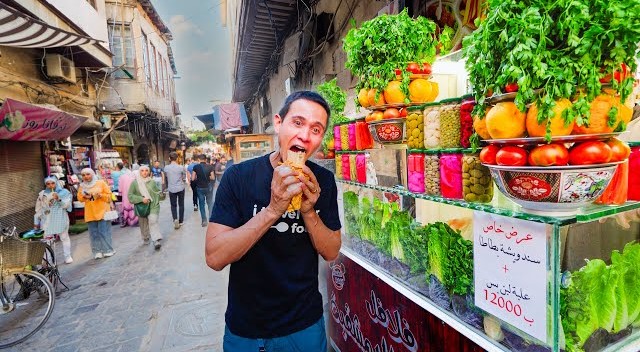
Falafel is one of the easiest Syrian street foods to eat while exploring. Freshly fried pieces are tucked into bread with vegetables, pickles, herbs and sauces, creating something inexpensive, quick and satisfying.
The key is freshness. A falafel sandwich should be assembled while the falafel is still hot and crisp rather than sitting prepared for a long time. Local shops with a constant queue are usually a good sign.
Manaqeesh

Manaqeesh are flatbreads baked with toppings such as zaatar, cheese, minced meat or pepper mixtures. They are common for breakfast and as a quick meal throughout the day.
A zaatar manousheh fresh from the oven is one of the simplest and most satisfying things to eat in Syria. The best versions are thin enough to remain light but sturdy enough to fold and eat while walking.
Hummus
Hummus may be internationally familiar, but Syrian hummus is worth trying in context: freshly prepared, spread across a plate, topped simply and eaten with warm bread as part of a larger table.
Pay attention to texture. Good hummus should be smooth without becoming heavy, with enough tahini and lemon to give it depth. It is not usually the star of a Syrian meal, but it anchors the mezze around it.

Mutabbal
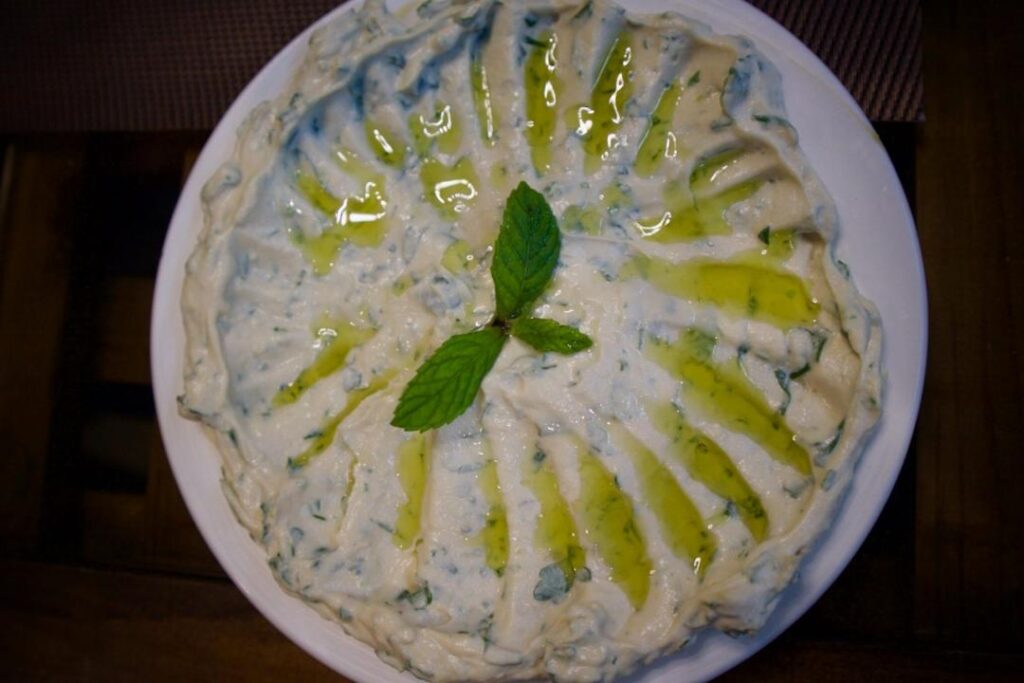
Mutabbal is a smoky eggplant and tahini spread. The eggplant is usually charred first, giving the dish its defining flavour before it is mixed with tahini, lemon and garlic.
If you enjoy baba ghanoush, mutabbal is a useful reminder that eggplant dips across the region are not all the same. In Syria, the balance between smoke, tahini and acidity can vary considerably from one restaurant or household to another.
Kebab Karaz

Cherry kebab is one of Aleppo’s signature dishes. Small pieces of kebab are served with a dark sour-cherry sauce that is sweet, tart and intensely fruity.
The combination may sound unusual if you are used to savoury grilled meat, but that contrast is exactly what makes the dish distinctive. It is one of the clearest examples of Aleppo’s preference for complex sweet-sour flavours.
Fatteh
Fatteh is a layered dish built around bread, chickpeas and yoghurt, often finished with nuts, butter or other toppings. The pleasure comes from the contrast between crisp, creamy and soft textures.
It is often eaten earlier in the day and can be surprisingly filling. Different kitchens prepare it differently, so treat the name as a family of related preparations rather than one fixed recipe.

Freekeh

Freekeh is young green wheat that is roasted, giving it a smoky, nutty flavour. In Syrian cooking it may appear beside meat or chicken, often with nuts and a richly seasoned stock.
It is particularly worth trying if you want something beyond the better-known mezze and street foods. The grain itself has character, and a good freekeh dish feels both rustic and deeply satisfying.
Labneh at a Syrian breakfast
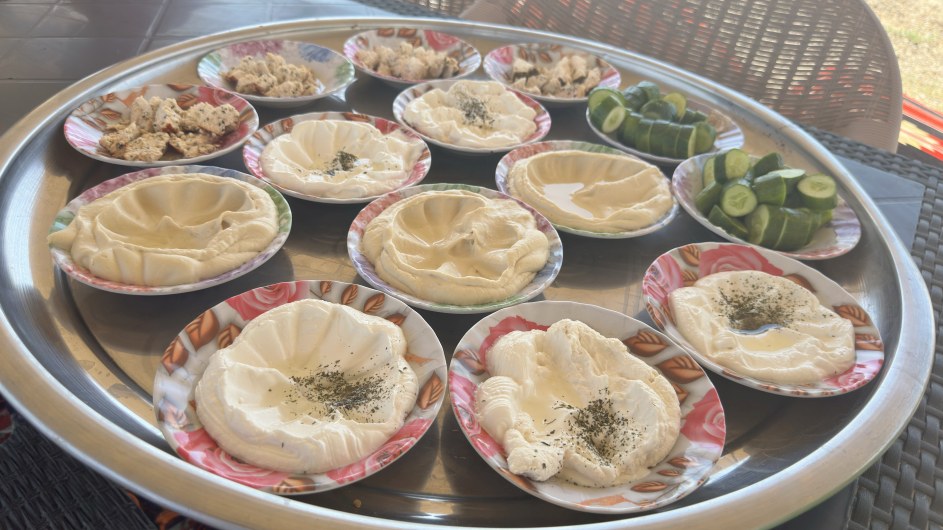
Labneh is strained yoghurt, thick and tangy, usually served with olive oil and eaten with bread. It may look simple, but it is one of the most important parts of an everyday Syrian breakfast.
Try it as part of a table with makdous, olives, cheese, vegetables and tea. Breakfast is one of the best meals for travellers because it shows how people actually eat at home rather than only what appears on restaurant menus.
Nammoura
Nammoura is a semolina cake soaked in syrup, dense enough to feel substantial but usually cut into small pieces because of its sweetness. It is often topped with a nut and served with coffee or tea.
This is the kind of dessert that makes more sense in a pastry shop than after a huge restaurant meal. Buy a small piece, eat it fresh and compare it with other syrup-based sweets around you.
Pistachio-filled Syrian sweets
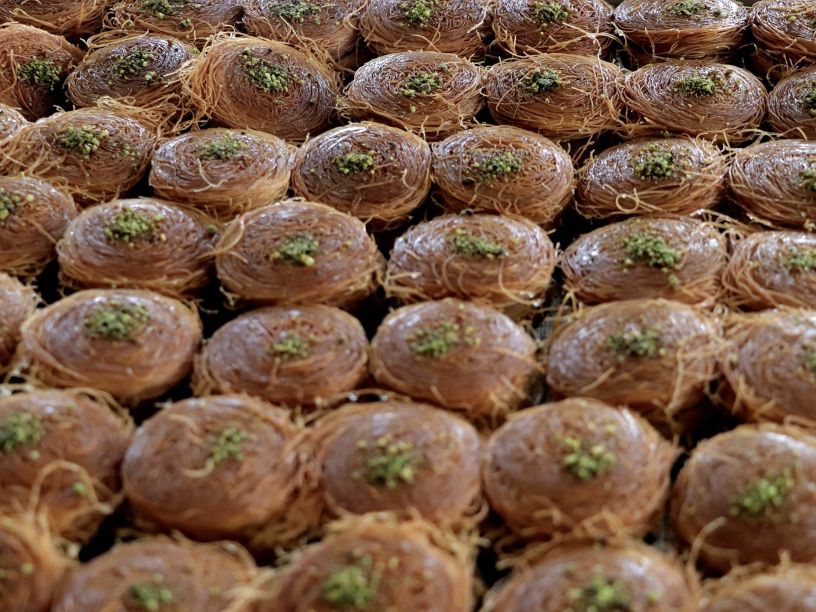
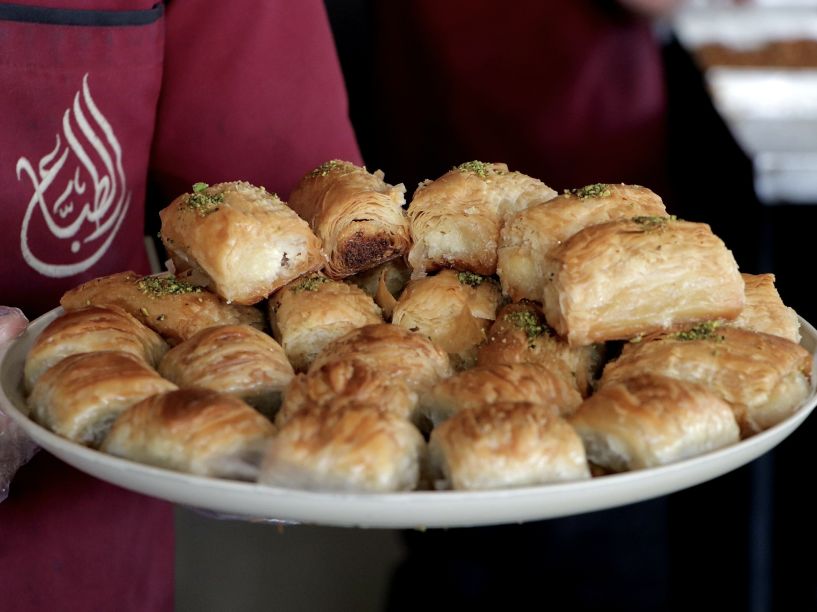
Syrian pastry shops are full of pistachio, filo, nuts, syrup and clarified butter in different combinations. Rather than trying to memorise every name, point to several small pieces and build your own tasting plate.
The best shops balance sweetness with the flavour of the nuts and pastry. Try different textures: something crisp and layered, something dense with pistachio, and something softer or syrup-soaked.
How to eat your way through a day in Syria
Breakfast: labneh, makdous, vegetables and manaqeesh.
Lunch: mezze with hummus, mutabbal, muhammara and fattoush, followed by kibbeh or freekeh.
Street stop: shawarma or falafel.
Dinner or Aleppo special: kebab karaz.
Sweet finish: nammoura and pistachio pastries.
Food should be part of the route, not an afterthought
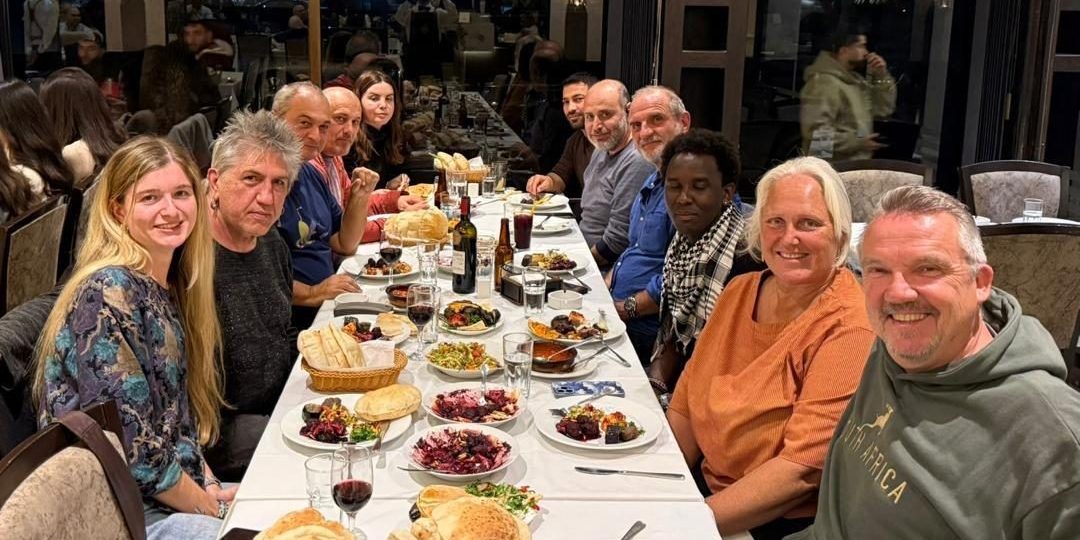
Our tours include local food stops and regional meals alongside the historic sites, so travellers experience Syria through markets, kitchens and shared tables as well as monuments.
See upcoming group toursPlan a private tour