
Damascus Citadel: The Fortress Beside the Souq
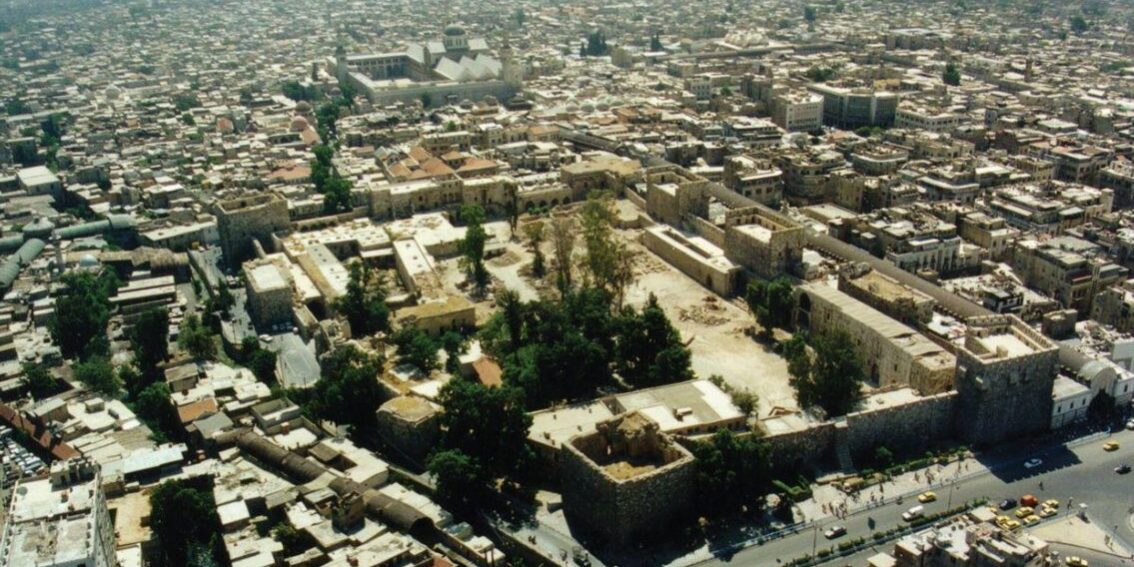
Unlike Aleppo’s famous hilltop citadel, Damascus keeps its great fortress almost level with the streets—right beside one of the city’s busiest markets.
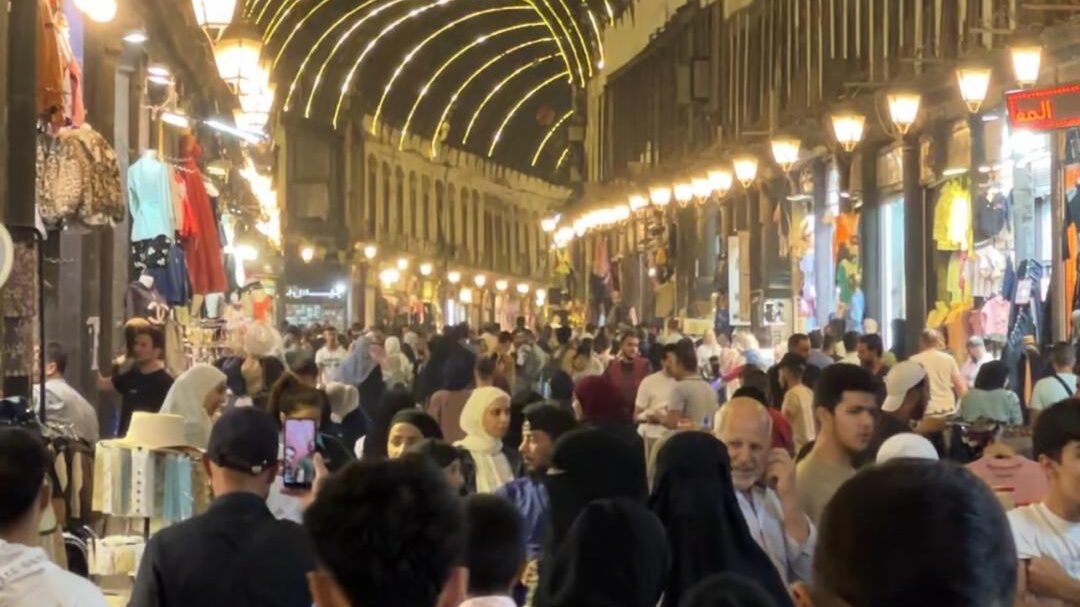
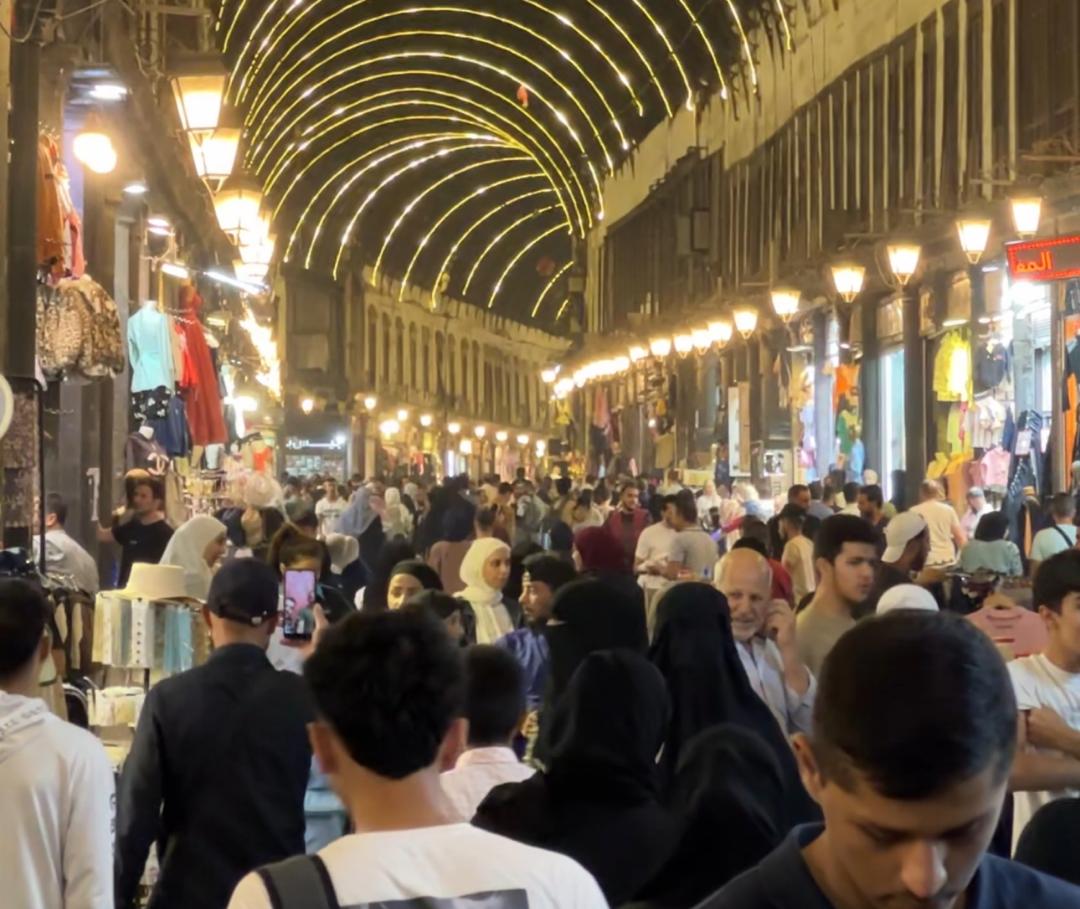
Stand near the western edge of Old Damascus and you can encounter two very different worlds within a few steps. One is the covered al-Hamidiyah Souq, a place of shopping, conversation and everyday movement. The other is the high stone exterior of Damascus Citadel.
The citadel is not a romantic castle isolated on a mountain. It is a compact fortified complex woven into the city itself. Its walls were built to protect rulers, manage military power and hold strategic ground inside a capital that was already ancient.
That contrast makes the monument fascinating. Rather than searching for a panoramic hilltop view, visitors need to imagine the fortress as a self-contained city inside Damascus’s defensive network.
At a Glance
A Fortress Inside the City
Damascus’s historic walls and gates are part of a long urban story. Unlike many Syrian fortresses that defend a mountain pass or rocky hill, the citadel was placed at a strategic corner of the city.
The medieval fortress could serve as a seat of government, military stronghold and storage centre. Its importance came from control of the city and the routes entering it, rather than from high ground alone.
The approach from al-Hamidiyah Souq makes that relationship easy to imagine. Merchants and customers moved through commercial streets close to a fortified seat of authority.
Look at the masonry before thinking about towers or battles. Long walls and substantial gates indicate the desire to separate a protected ruling compound from the city around it.

The fortress does not rise high above Damascus like Aleppo Citadel. Its presence is more architectural than topographical: thick walls and strong entrances do the work of a hill.
Take a moment to walk along permitted external viewpoints and compare the fortress with the market and neighbourhood buildings nearby.
Although the surviving walls appear solid, the complex has many construction phases, and even familiar-looking sections may have been repaired or altered.
From the Seljuks to al-Adil’s Ayyubid Fortress
The first major medieval citadel on the site is generally associated with the Seljuks in the late eleventh century. The Discover Islamic Art database dates its founding to 1076 and also records earlier Roman military remains.
The fortress was transformed during the Ayyubid period. Al-Malik al-Adil, the brother of Saladin, ordered a major rebuilding campaign between 1202 and 1214.
That work created much of the fortified structure recognisable today. The citadel functioned almost as a city within a city, with buildings, walls, towers and spaces serving military and administrative life.
The later Mamluk and Ottoman periods brought changes, repairs and new uses. A fortress that remained strategically important could never be expected to stay exactly as one ruler left it.
This layered history is the reason dating individual walls and rooms requires expertise. The monument contains more than one medieval story.
What Walls Can Tell Us About a Capital
Damascus Citadel experienced sieges and political change, and its history is connected with the broader struggles over Syria in medieval centuries. However, its significance extends beyond spectacular military events.
A functioning fortress required water, storage, communication and staff. Guards, administrators, craftsmen and servants all occupied spaces inside or around the walls.
The nearby souq tells the other half of the urban story. Markets helped sustain city life, while the citadel expressed military and political control. Neither can be understood completely in isolation.
Parts of the citadel have served later government or military functions, and conservation needs have influenced public access. It would be misleading to promise that visitors can freely enter every sector.
Damascus itself is a UNESCO World Heritage city, and the citadel forms part of its important historic fabric.
Compare the citadels of Damascus and Aleppo: one is woven into street life, the other crowns a high mound. Their locations reveal two different approaches to urban defence.
How to Visit
Damascus Citadel lies near the western end of al-Hamidiyah Souq. Its exterior can be appreciated as part of an Old City walk, but internal access should never be assumed.
- Begin from the market area and look at the relationship between the fortress and the surrounding streets.
- Check with a local guide whether any citadel courtyards, galleries or towers are open on your visit date.
- Do not enter closed gates, restricted service areas or conservation zones.
- Allow 20–30 minutes for exterior interpretation, or considerably longer if a guided interior visit is permitted.
- Sturdy walking shoes are helpful around older stone surfaces and steps.
- Combine the stop with al-Hamidiyah Souq and the Umayyad Mosque to understand the western approach to Old Damascus.
- Use historical photographs to understand the fortress’s different phases, rather than assuming every visible wall dates to Saladin.
Discover these stories with local guides who know the places and people behind them.
Explore our Syria tours →One Last Thought
Damascus Citadel is a reminder that power and ordinary city life have often stood side by side. Outside its formidable walls, the market keeps moving.



You might also enjoy
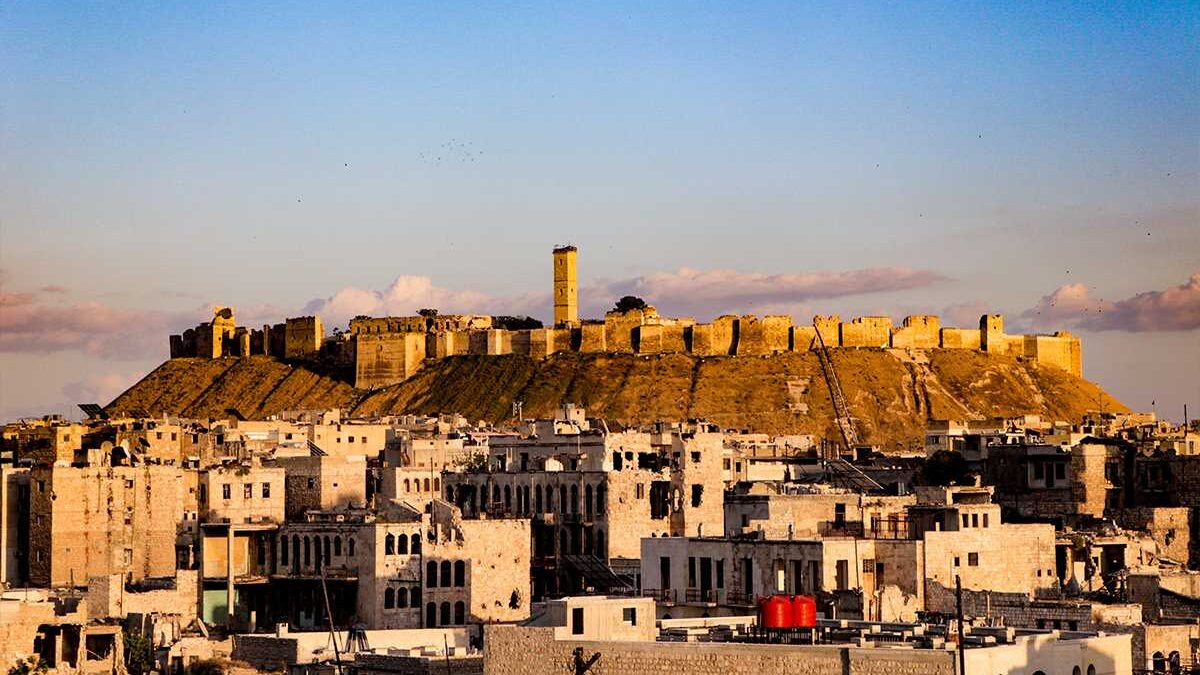 AleppoAleppo CitadelA strikingly different hilltop fortressRead the story →
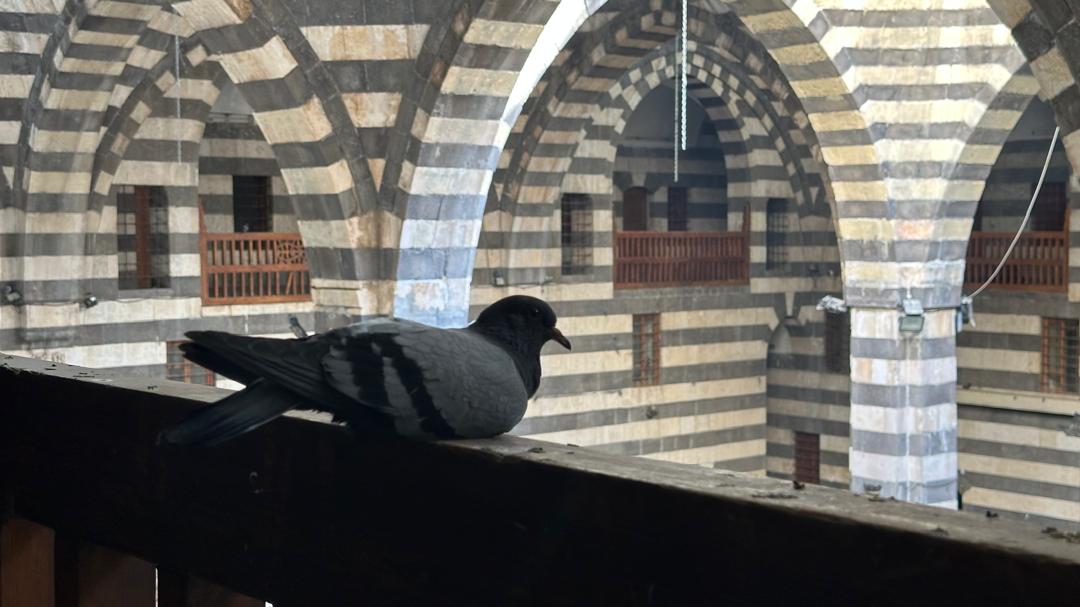 DamascusKhan Asaad PashaHistoric commerce and architectureRead the story →
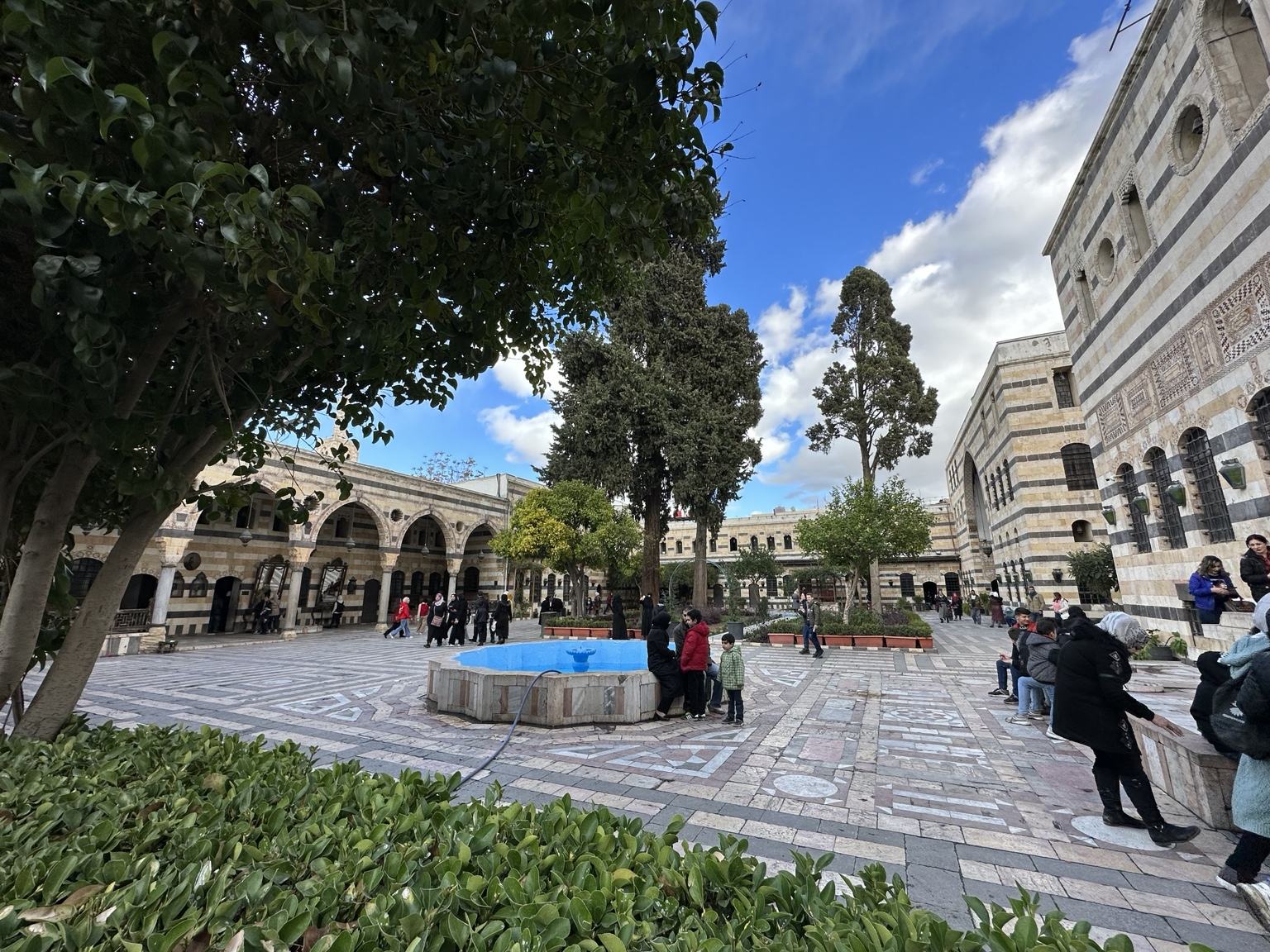 DamascusAzm PalaceThe private world behind Ottoman wallsRead the story →Visitor routeOne Perfect Day in DamascusPlan a walking route through the cityRead the story →