Our Lady of Saydnaya: Inside Syria’s Mountain Monastery
High above the streets of Saydnaya, a monastery has welcomed generations of pilgrims who come for prayer, silence and a story linked to the Virgin Mary.
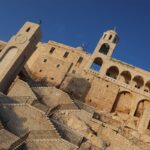
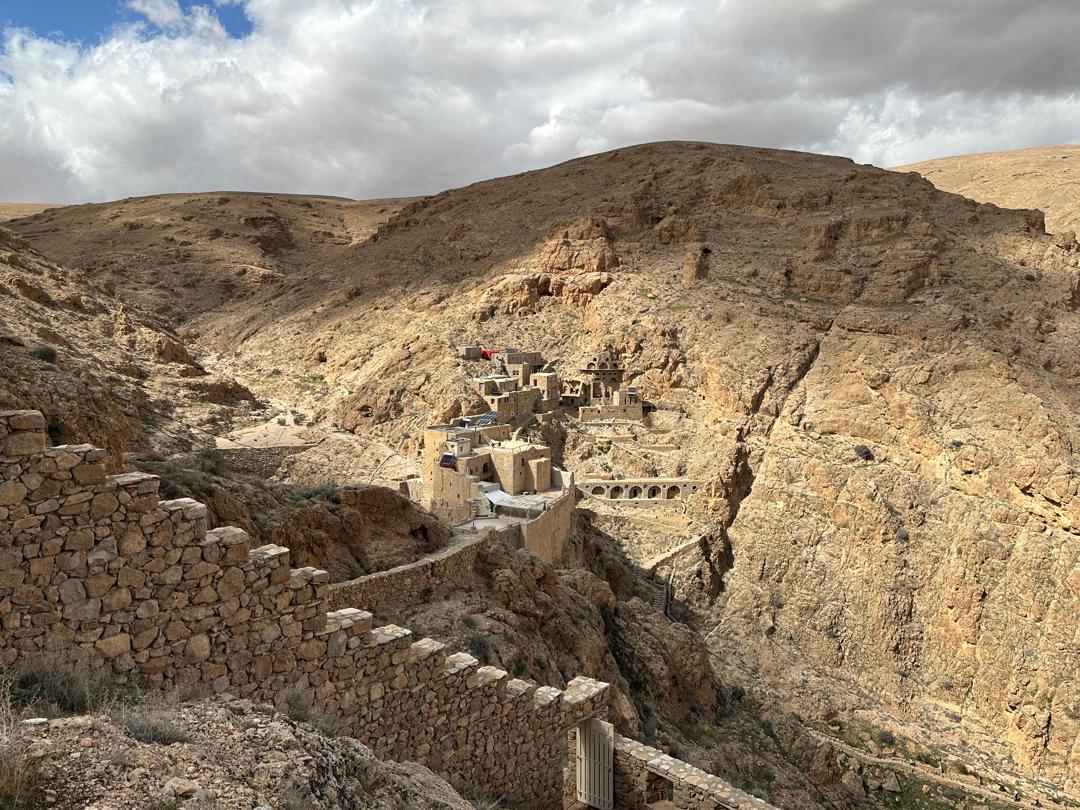
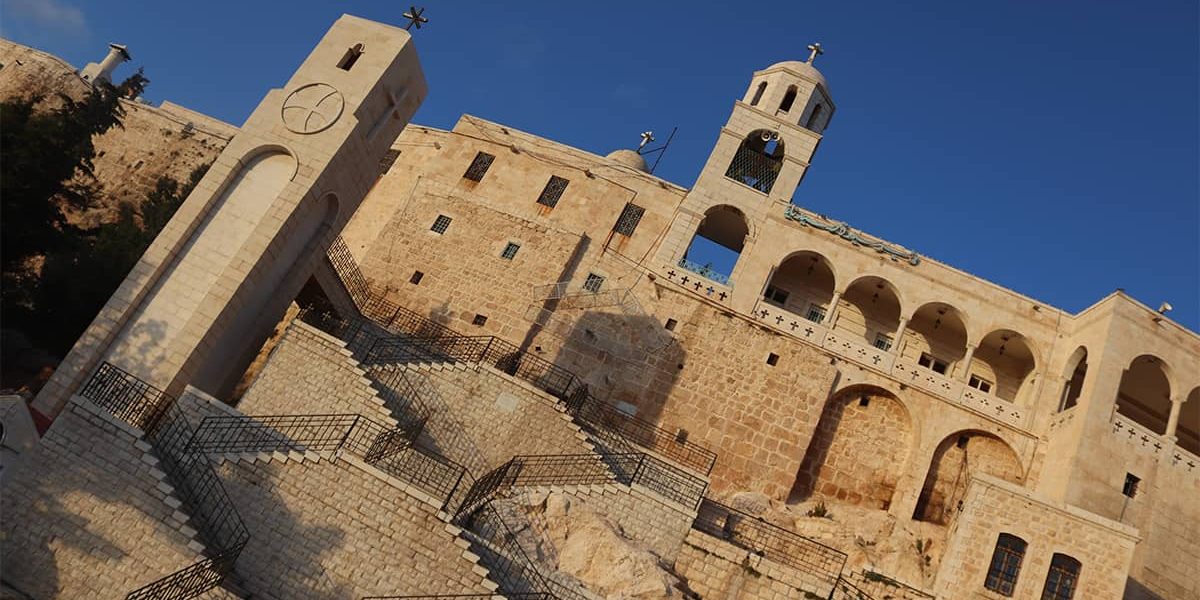
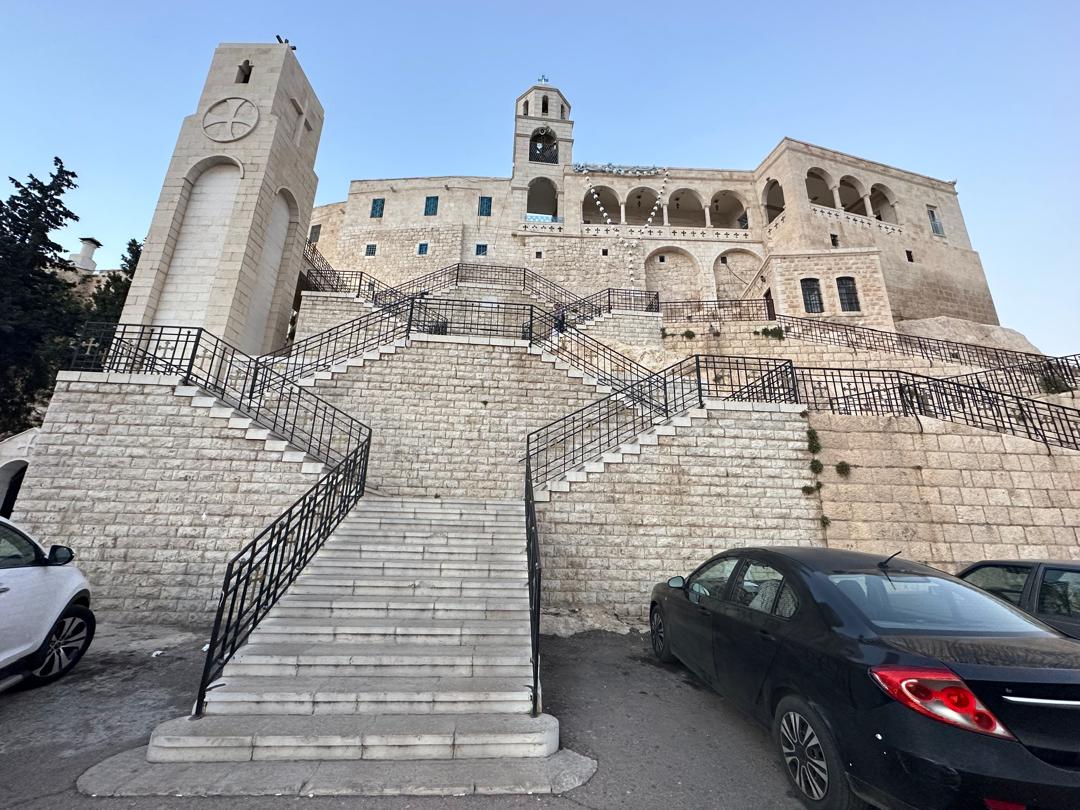
North of Damascus, the town of Saydnaya climbs into the Qalamoun Mountains. Above its houses, the Monastery of Our Lady of Saydnaya feels like a small fortified settlement, with stone passages and steps leading toward a sacred sanctuary.
It is one of the most significant pilgrimage places of the Greek Orthodox Patriarchate of Antioch. The monastery’s importance cannot be measured only in the age of its stones; it lies in the people who have come here for centuries.
The stories visitors hear include a miraculous icon, a Byzantine emperor and the Virgin Mary. They deserve to be told, but also distinguished from what historians can verify. That combination of tradition and evidence makes Saydnaya especially fascinating.
At a Glance
Why Pilgrims Have Come to Saydnaya for Centuries
Medieval travellers wrote about Saydnaya as a destination on routes that also led toward the Holy Land. The monastery had become a famous place of prayer well before the modern age.
At the heart of the devotion is an icon of the Virgin Mary, often called the Shaghoura. Orthodox tradition associates the image with Saint Luke and with miracles, particularly prayers offered for healing or family life.
These are religious traditions, not claims that can be proved by modern historical methods. Their importance comes from the role they continue to play in the community’s faith.
Christians are not the only people who have visited the sanctuary: sources also describe Muslims coming to venerate the site. This aspect of Saydnaya reflects centuries of local encounters and shared respect for sacred places.

The steep stairways are part of the experience. Ascending through the stone passages allows a little time to leave the pace of the road below.
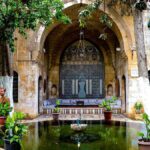
Much of the complex feels more like a small village than a single church. Courtyards, cells, passages and prayer spaces connect to the rock and to one another.
Do not treat an active monastery as a photography set. Give worshippers and the religious community room, and ask before photographing inside.
A Monastery Built in Many Centuries
Local legend connects the monastery’s foundation to Emperor Justinian in the sixth century. The Greek Orthodox Patriarchate itself notes, however, that there is no contemporary evidence proving that Justinian established it.
The same historical account identifies medieval portions of the sanctuary and explains that much of the visible complex belongs to the late Ottoman period and early twentieth century.
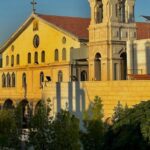
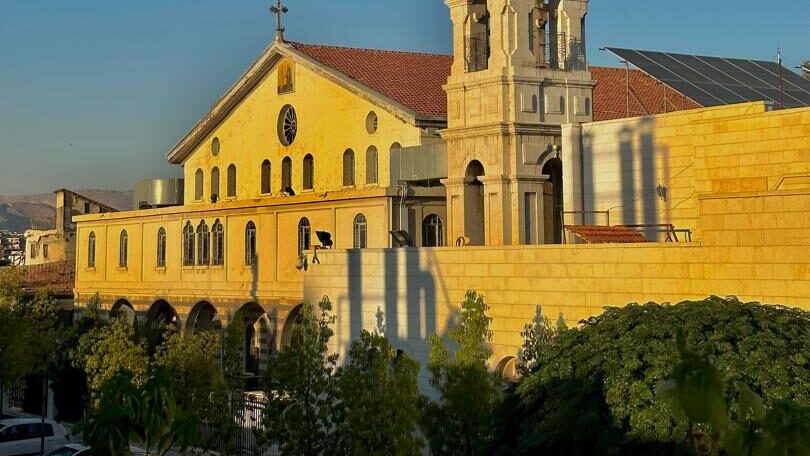
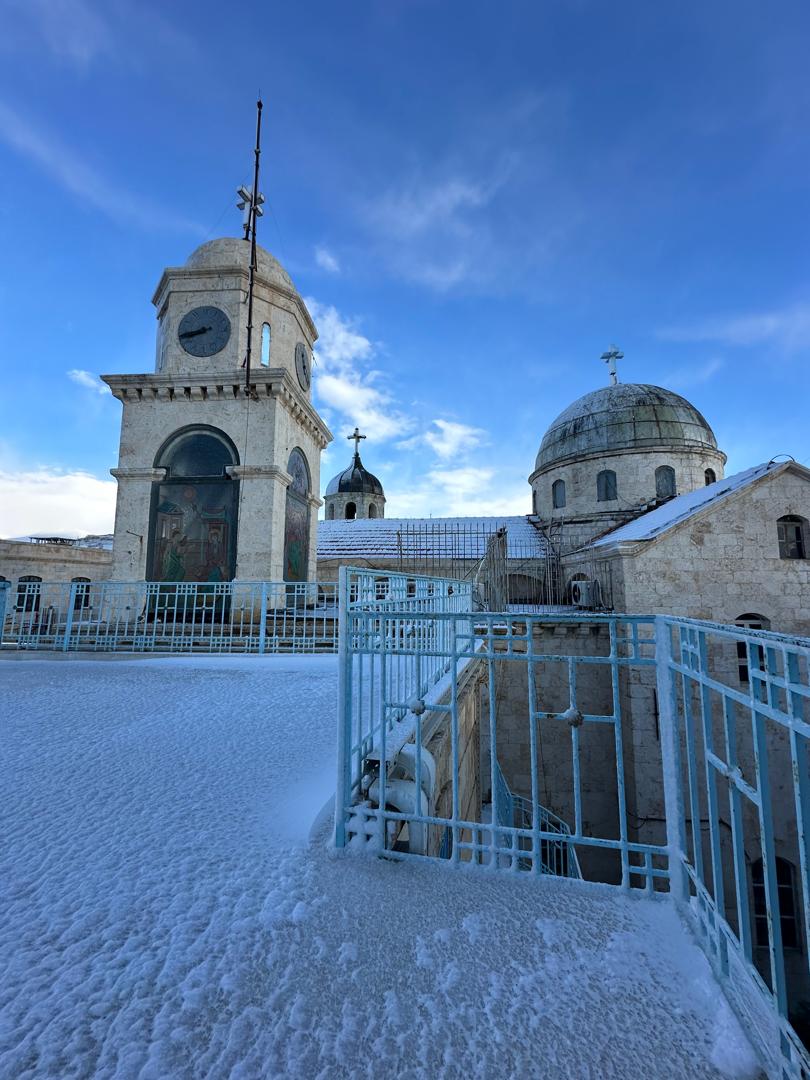
The sacred Shaghoura area is approached through winding stone passages, while the more modern church represents stages of restoration and rebuilding. The monastery is therefore a place of long-lived religious continuity rather than an untouched Byzantine building.
This distinction is important in Syria, where many revered sites have been repaired repeatedly. Restored architecture can be historically valuable, but its materials do not necessarily date to the beginning of the tradition.
The Living World Behind the Historic Walls
The monastery is cared for by a religious community, and daily rhythms of worship and hospitality shape the place in ways that ordinary heritage sites cannot imitate.
Some visitors come hoping to see the famous icon; others are drawn by the architecture or the views over the mountain town. Both kinds of interest can be respected if visitors remember why this place exists.
The monastery is not the same institution as the former Sednaya military prison, which lies elsewhere in the area and has its own profoundly different history. These places should never be confused simply because their names resemble one another.
Saydnaya has additional churches and religious sites, so a wider walking visit can reveal how the monastery fits into the town’s spiritual and architectural landscape.
Ask about the story behind the Shaghoura, and listen to it as a living expression of faith. Then look at the stone passages and remember that the building’s documented history is a different—but equally interesting—story.
How to Visit
Saydnaya lies roughly 25–30 kilometres north of Damascus. It can be included in a day excursion that also visits Maaloula, although road and visiting arrangements should be confirmed locally.
- Allow approximately 45–90 minutes for the monastery and its surroundings.
- Dress modestly, including covered shoulders and knees, and respect any further instructions from the nuns or caretakers.
- Some stairways and rock passages can be steep and narrow, making access difficult for people with limited mobility.
- Ask permission before photographing icons, people praying or religious services.
- Keep voices quiet and avoid entering rooms that are not open to visitors.
- Check current entrance arrangements, worship times and any temporary restrictions locally.
- If continuing to Maaloula, allow additional time rather than treating both sites as a quick photo stop.
Explore Syria beyond the guidebooks with our local guides.
Join our tours →One Last Thought
Saydnaya’s most enduring monument may not be a particular wall or chapel. It is the habit of returning: generation after generation has climbed toward this sanctuary with something on their mind.