
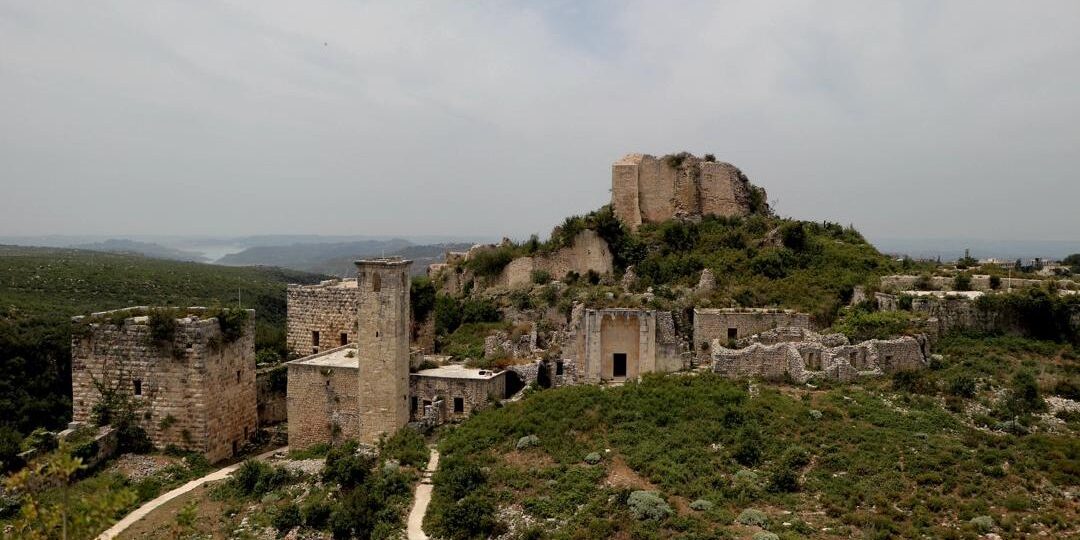
The stories behind Syria’s landmarks
Saladin Castle in Syria: The Fortress Carved from a Mountain
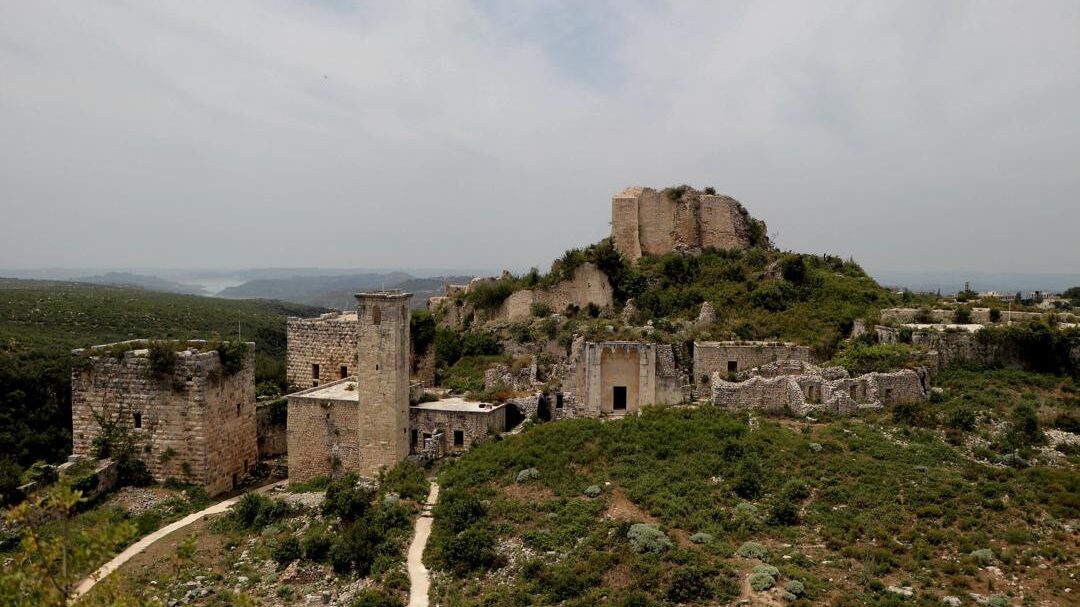
In a green valley of western Syria, a castle seems to rise from the mountain itself. But the most astonishing part is the section of mountain that was deliberately removed.
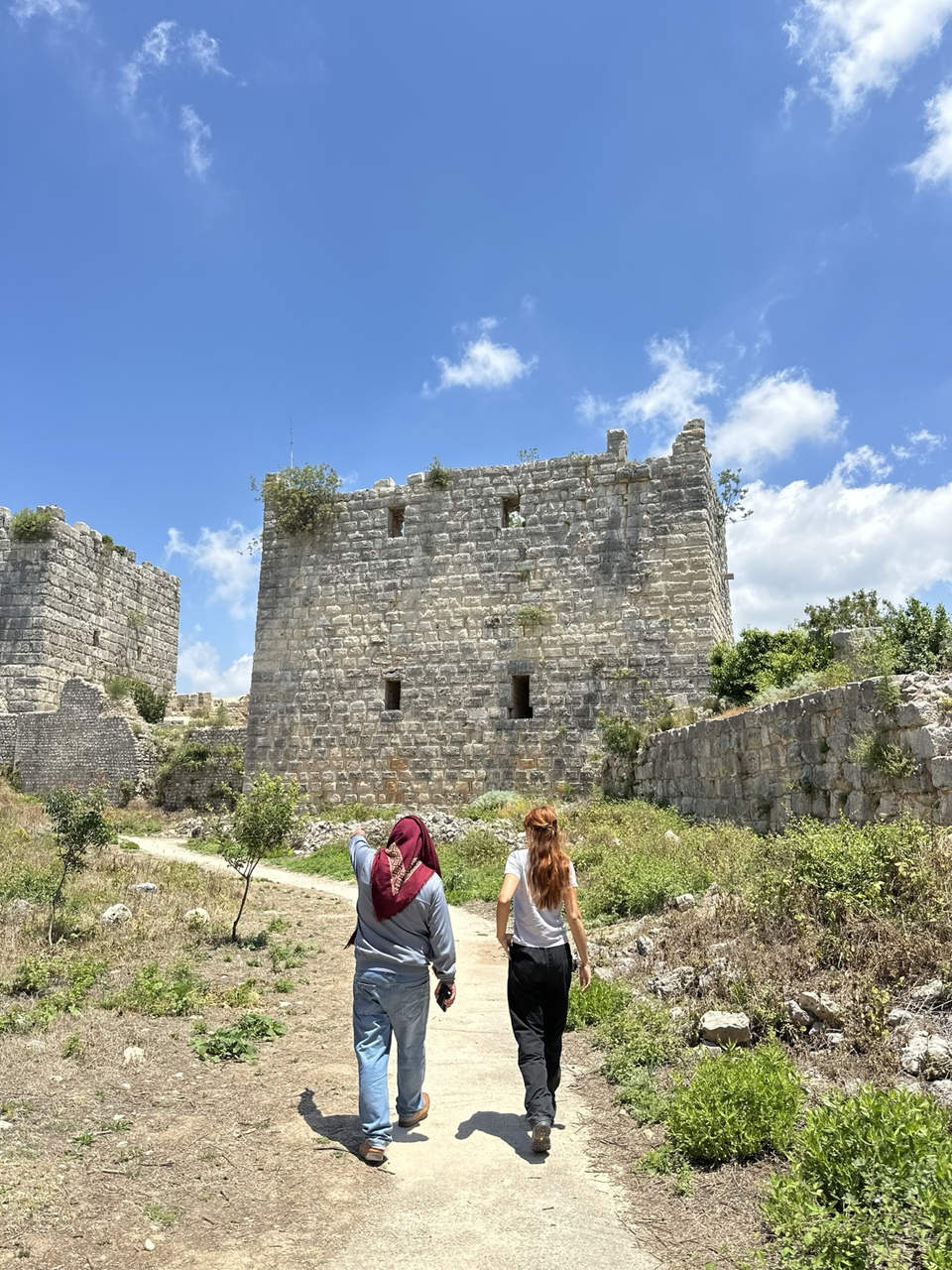
East of Latakia, the forests open to reveal Qal’at Salah al-Din, also called Saladin Castle or Saone. The walls occupy a long, rocky ridge above deep valleys, making the approach feel like the beginning of a medieval adventure.
What makes this fortress memorable is not a single giant tower. It is the way stone, steep land and human engineering were brought together to create a place that could resist armies and dominate the surrounding countryside.
The castle is included with Krak des Chevaliers in a UNESCO World Heritage property, but it has a very different personality: rugged, atmospheric and intimately connected to its landscape.
← Explore all Syria landmarksSaladin Castle in Syria at a Glance
A Mountain Turned into a Moat
Look closely at the narrow ridge leading toward the fortress. Rather than trust a natural cliff alone, medieval builders cut a vast ditch through solid rock. The excavation is about 28 metres deep in places, dividing the castle from the approach.
Even more extraordinary, the builders left a tall, narrow needle of stone standing inside the gap. It helped support an earlier bridge while demonstrating just how much rock had been removed.
This was architecture designed to frustrate an attacking force. Anyone approaching had to cross a restricted passage, exposed to defenders in towers and on the walls above.
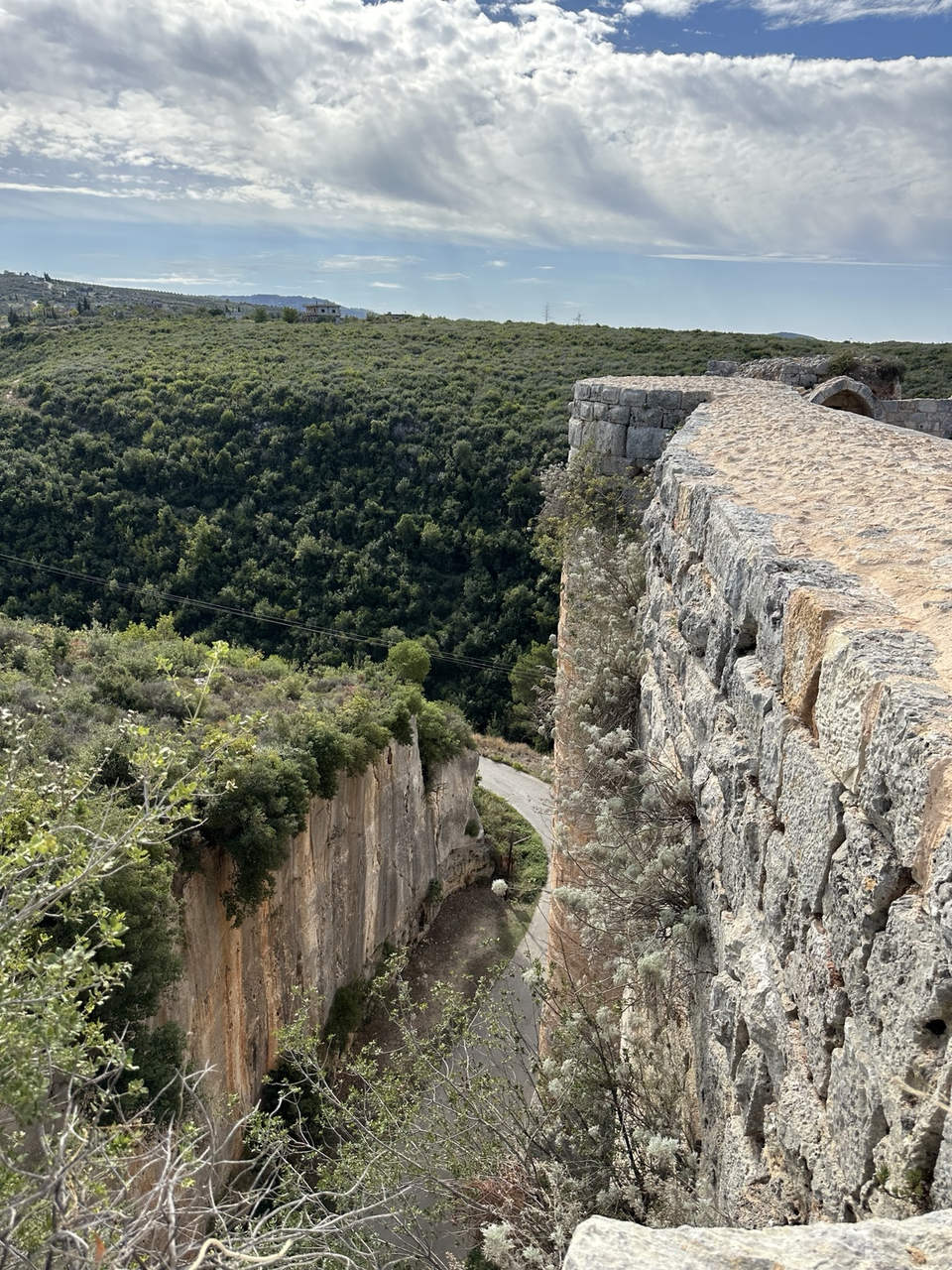
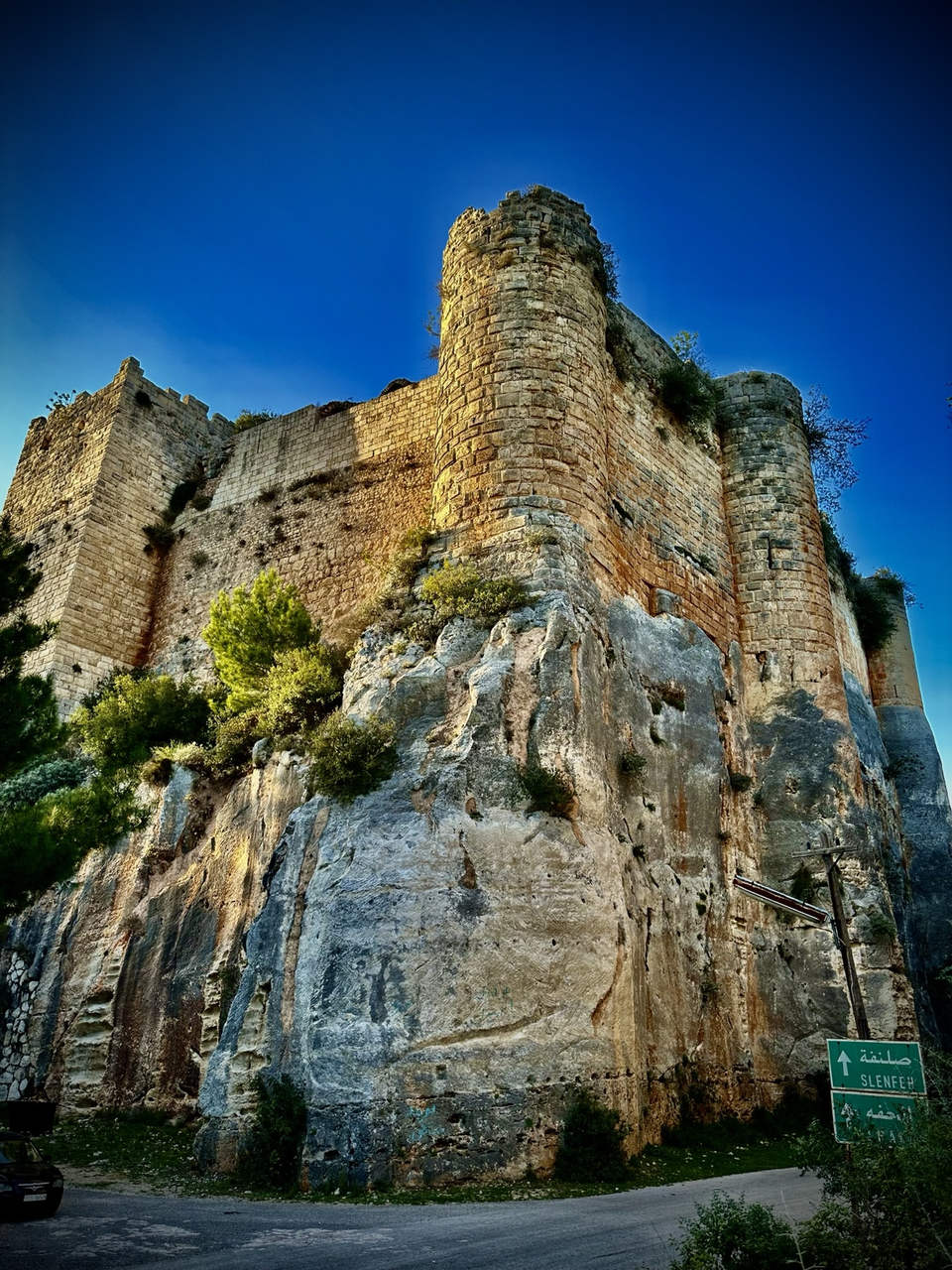
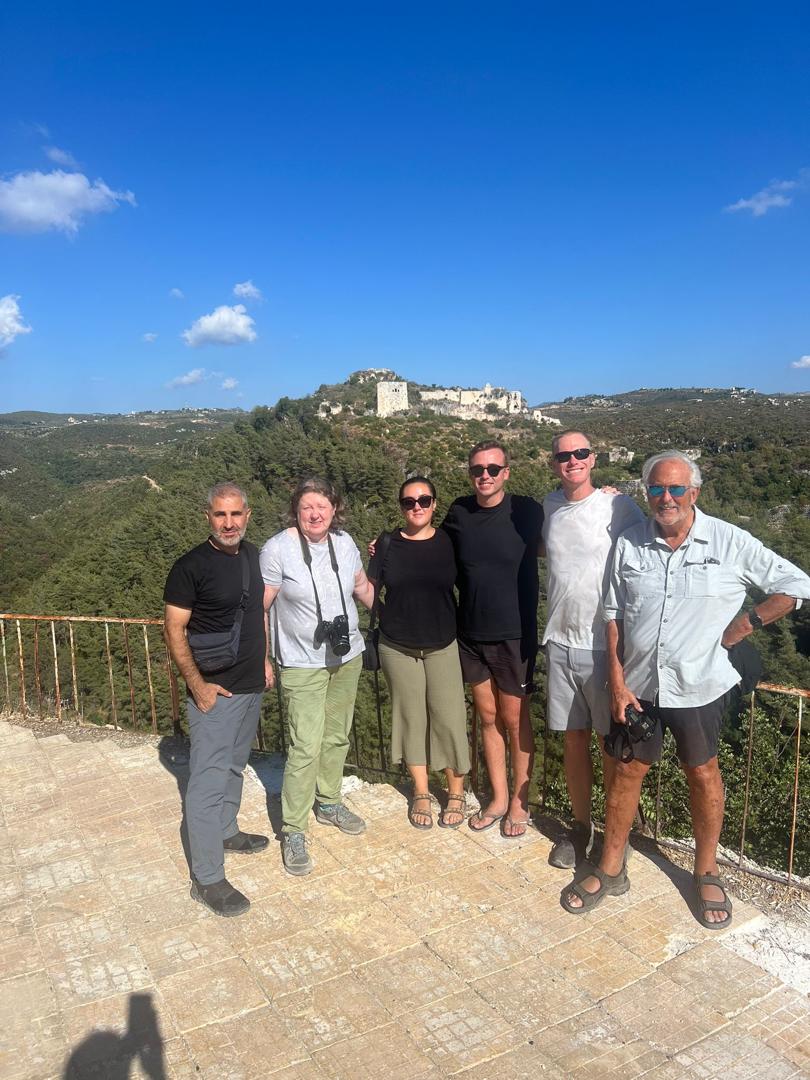
The great rock-cut ditch is best understood from a safe viewpoint rather than by trying to approach its edges. Its full scale becomes apparent when you picture workers carving down through limestone with hand tools.
Visitors often focus on the towers, but the empty space between the ridge and the fortress is just as remarkable. It was created on purpose—and became one of the castle’s strongest defences.
Inside, the route winds through courtyards and ruined chambers. Let the changes in height guide your eye; the castle’s design relied on one defensive position supporting another.
Byzantine, Crusader and Ayyubid Layers
The site’s strategic position mattered long before it received its modern name. UNESCO traces surviving fortifications to Byzantine beginnings in the 10th century, followed by Frankish alterations and Ayyubid additions.
During the Crusader period it was known as Saone. Builders reinforced walls, gates and towers to respond to the changing demands of medieval siege warfare. The stonework reveals successive methods rather than a single building campaign.
In 1188, the forces of Saladin captured the castle. Later Ayyubid rulers continued to adapt the fortifications and palace spaces. Calling it ‘Saladin Castle’ recalls that victory, but it should never hide the longer history of everyone who built and occupied it.
Unlike some monuments rebuilt into polished attractions, much of the site retains the feel of an archaeological ruin. That is part of its appeal—and a reason to watch your footing.
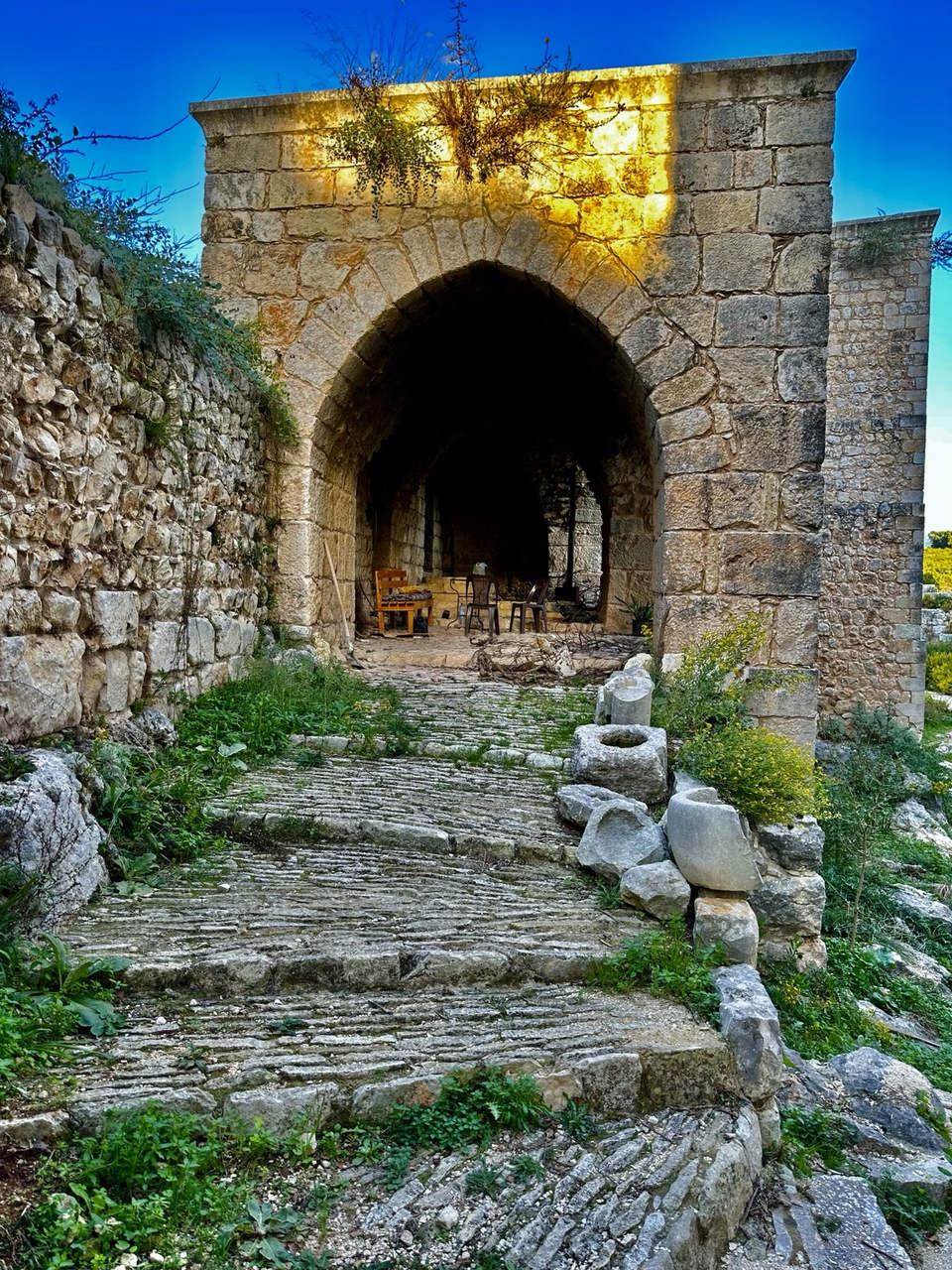
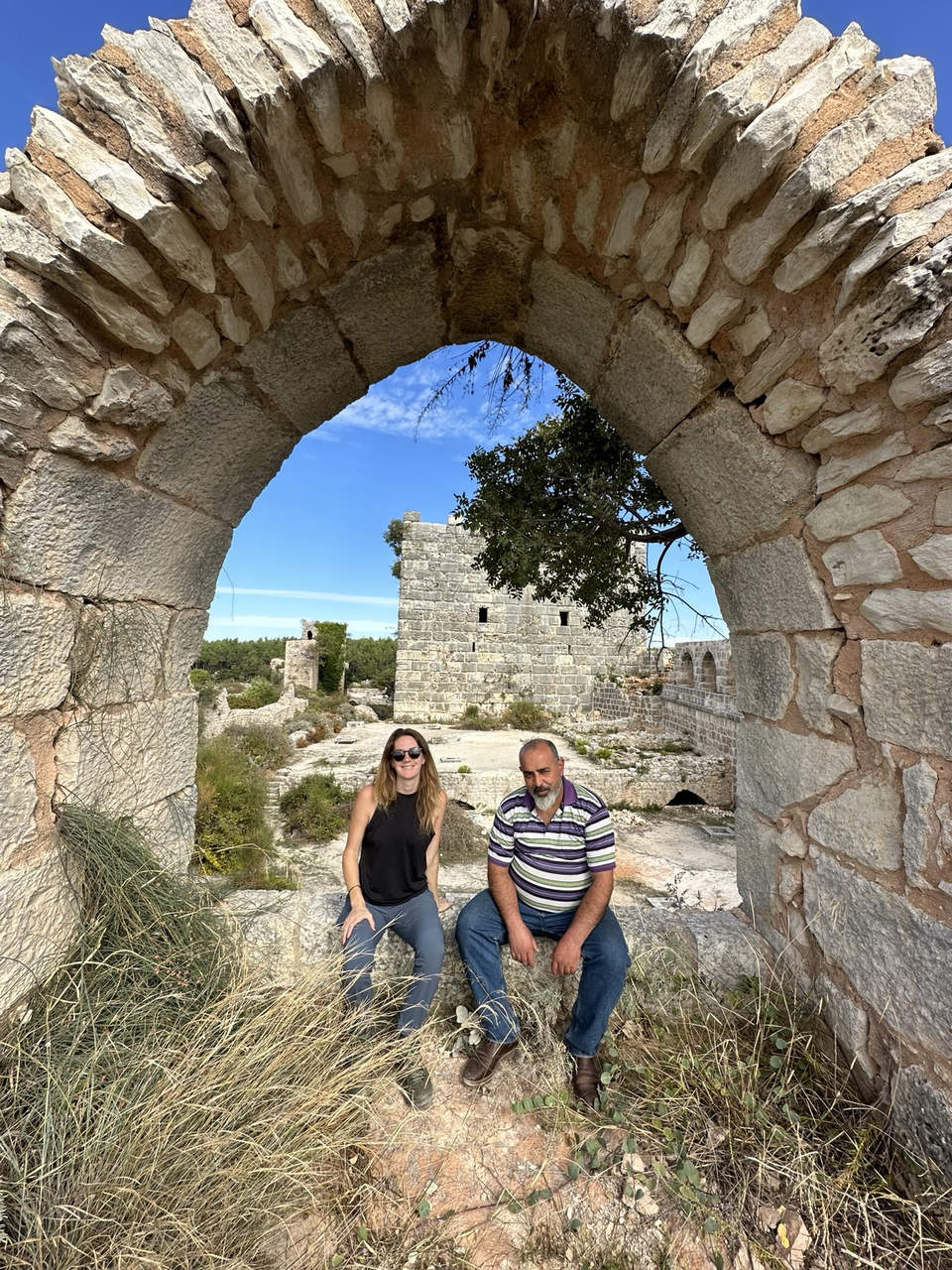
The gateway is part of the story
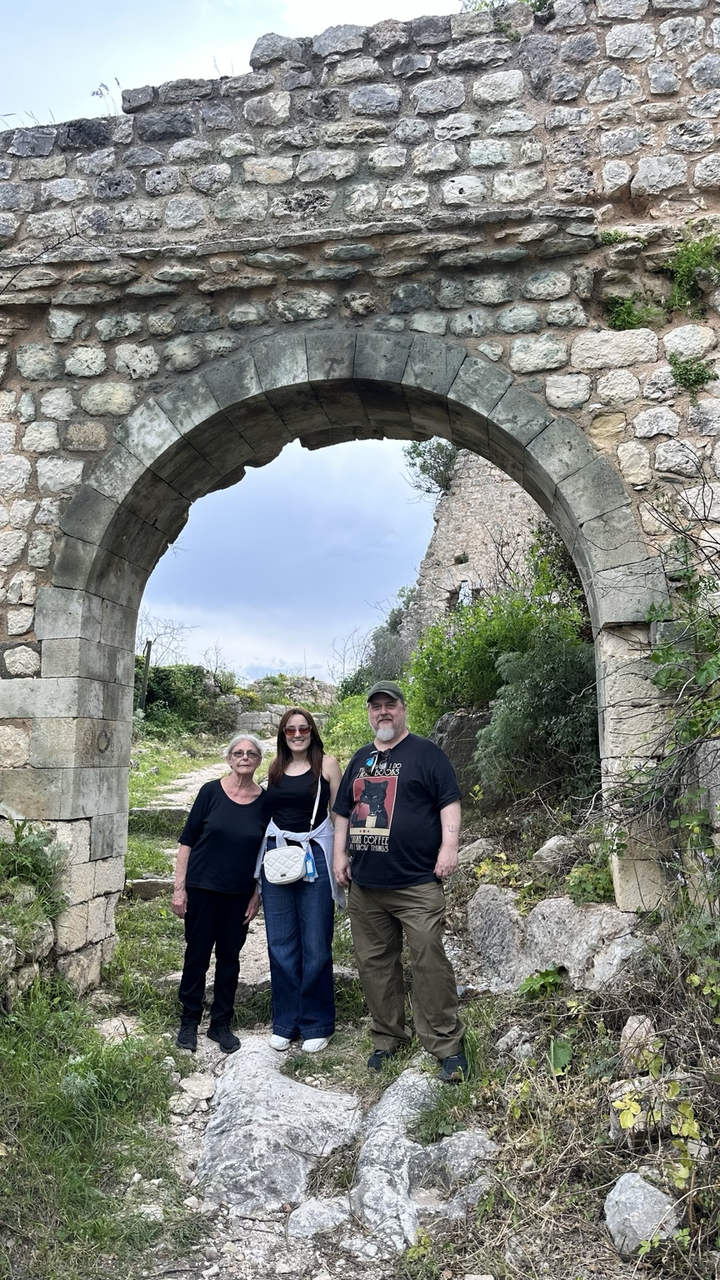
The old arches and narrow passageways make the fortress feel more immediate. As you explore, notice how every turn changes what you can see of the walls beyond.
What to Notice as You Walk
The gateway: Look at the approach and ask how quickly an armed group could have passed through. Turns, narrow sections and high vantage points were part of the plan.
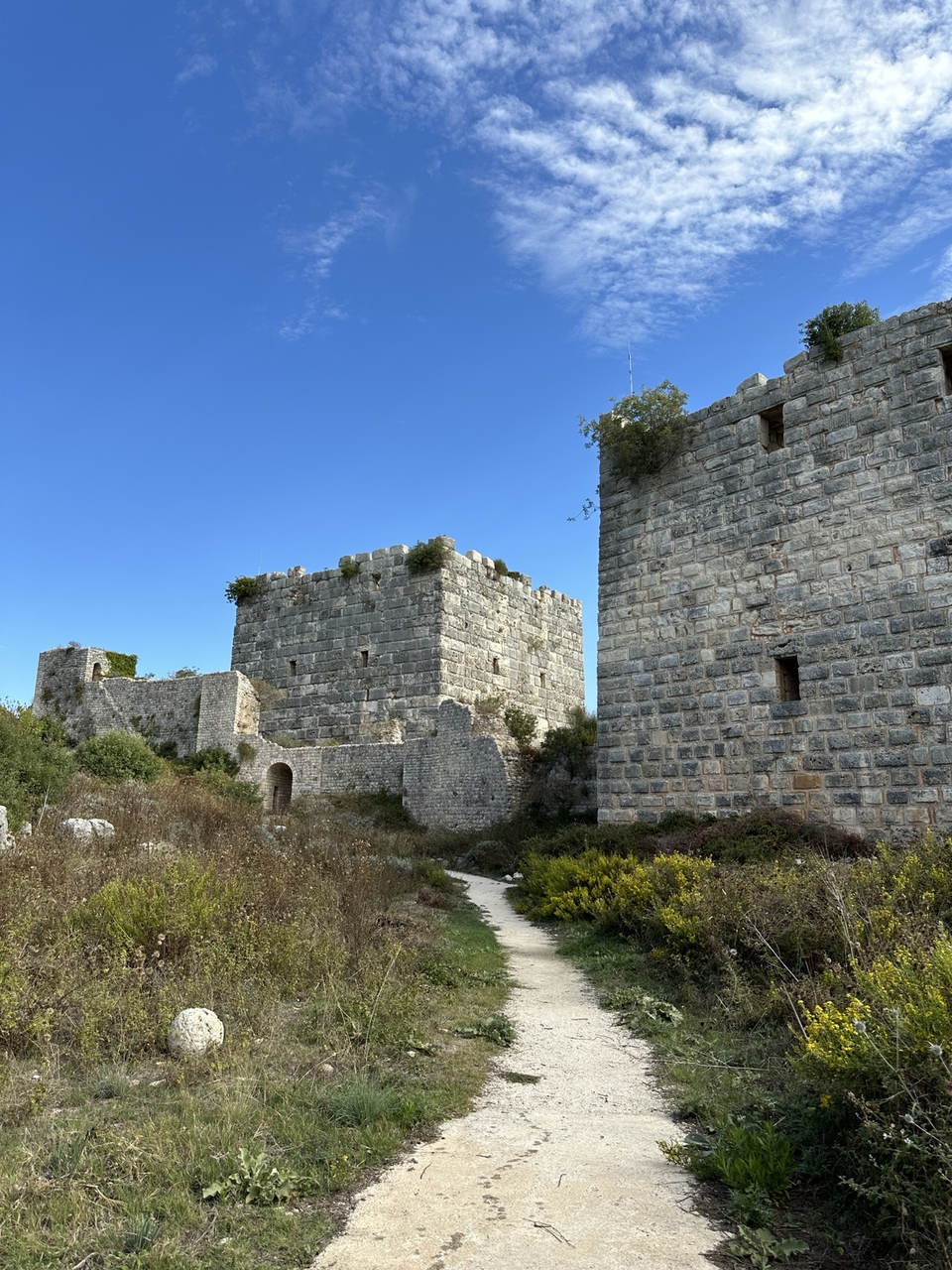
The towers: The remains contain different building phases. Look for variations in masonry rather than expecting every wall to be from the same century.
The setting: Forested slopes and valleys explain why this high ridge offered such strong natural protection and why the castle is visually striking.
The quiet spaces: Behind the military architecture were storerooms, rooms and courtyards used by the people who maintained the fortress in everyday life.
The real secret is the landscape. Take a moment away from the main towers and study the surrounding ridges. The castle was made to control movement through the terrain, not simply to look imposing.
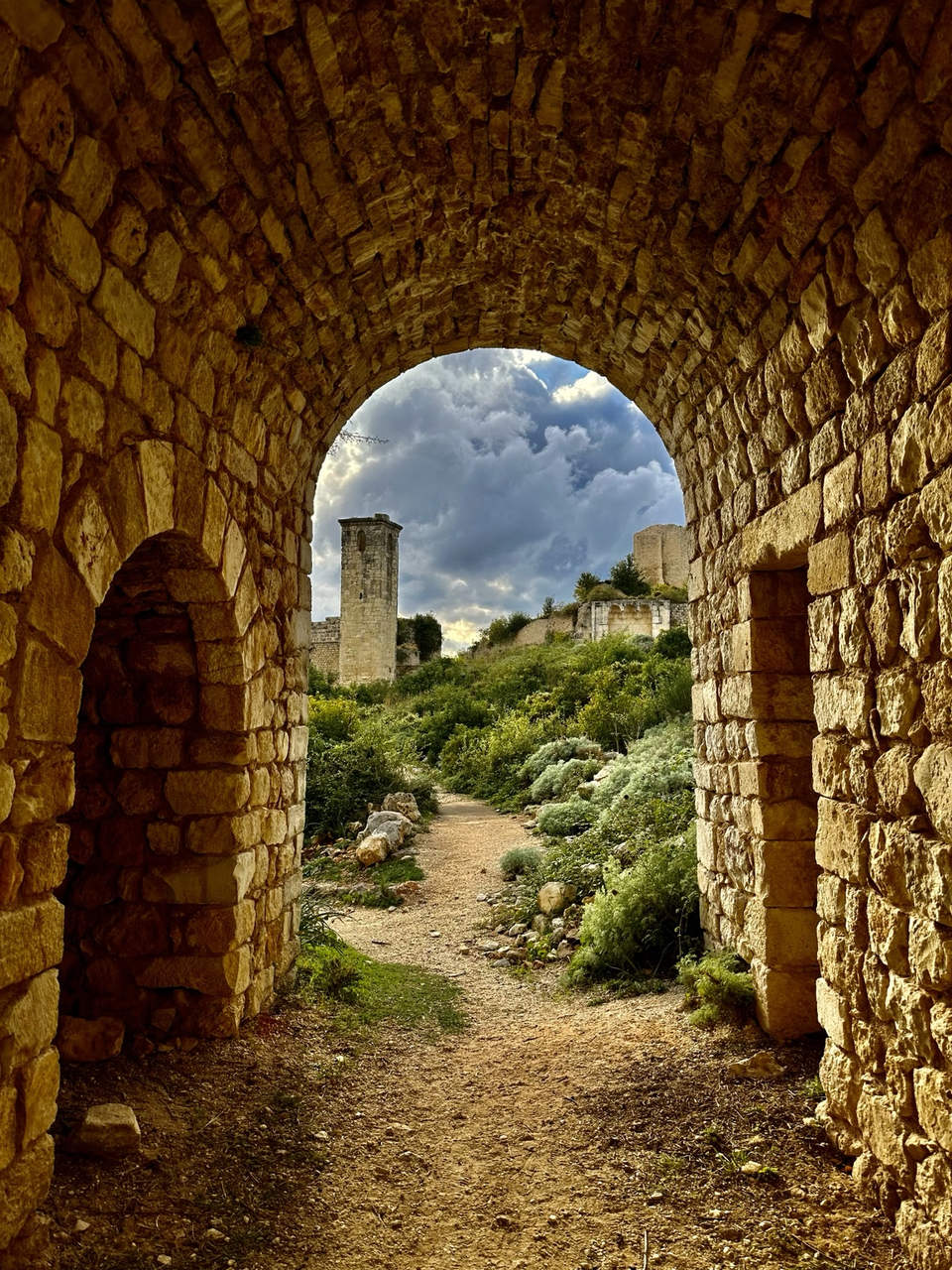
Views framed by stone
The visit is more than a walk around the towers. Passages, courtyards and unexpected views reveal how the castle was experienced from within.
How to Visit Saladin Castle in Syria
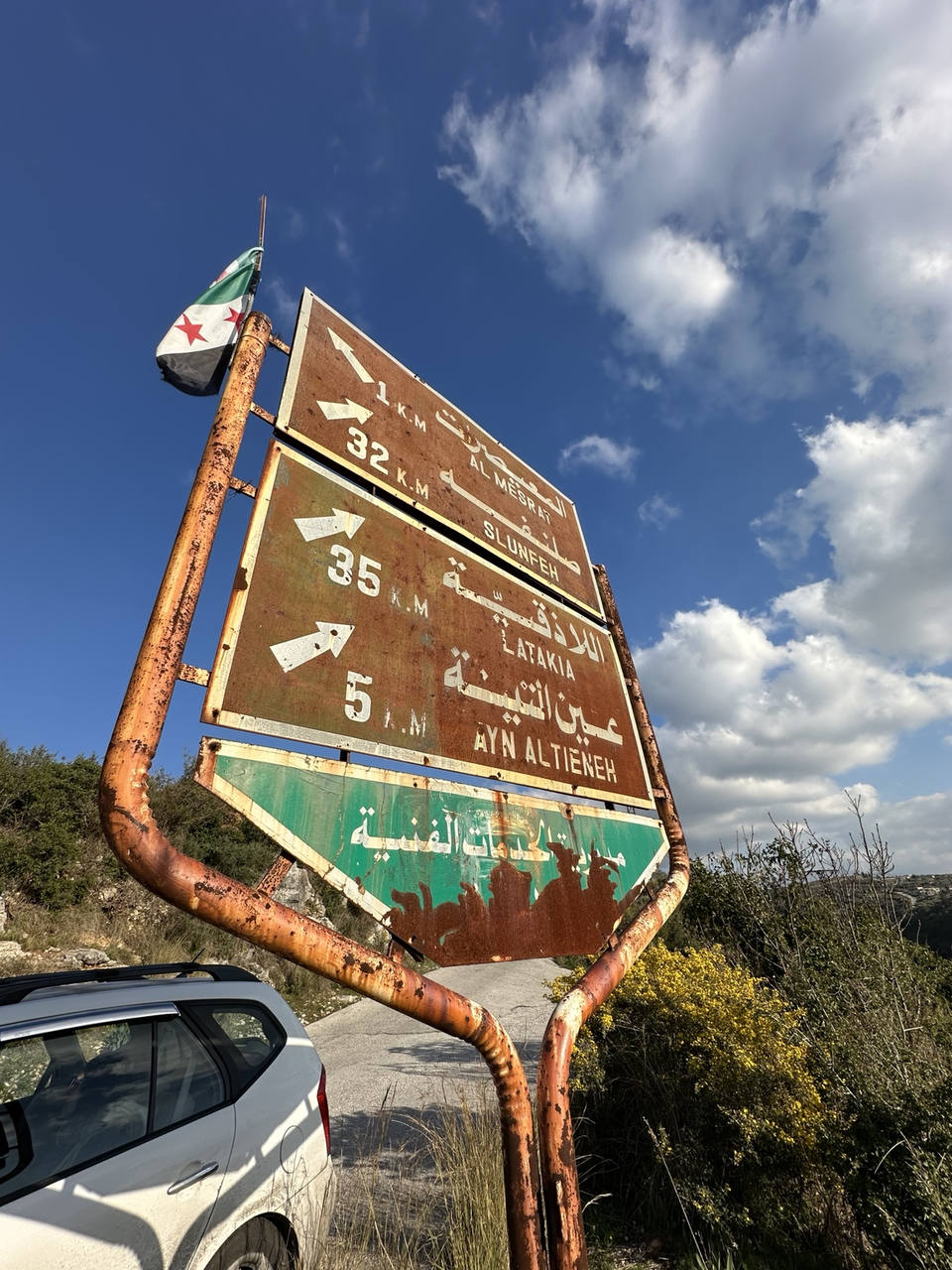
Saladin Castle stands in the hills east of the Latakia region and suits a coastal heritage itinerary. The route involves mountain roads, so a driver familiar with the area is useful.
- Allow roughly 90 minutes to two hours for the main remains, more if you enjoy photography and slow exploration.
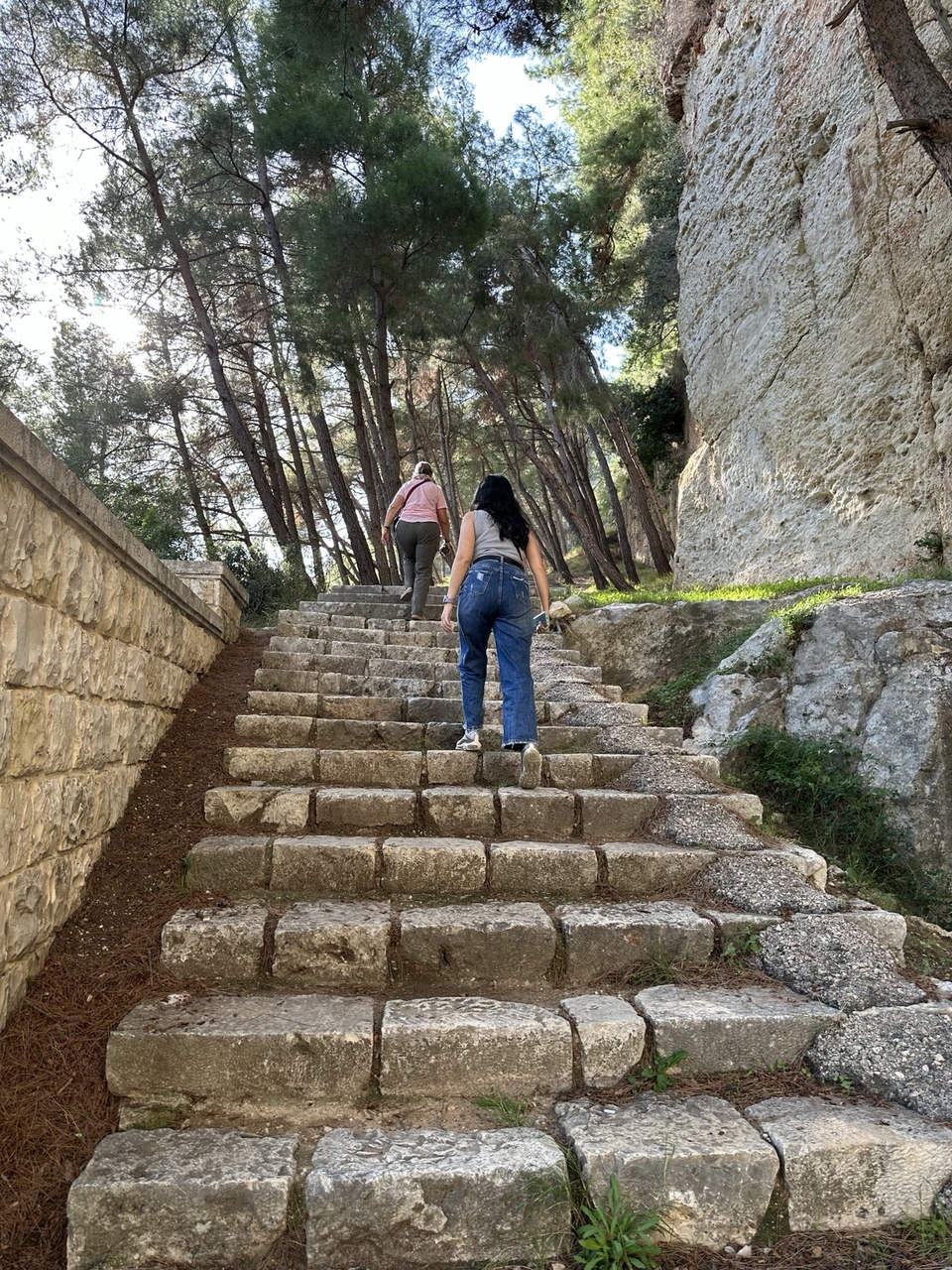
- Wear sturdy shoes with good grip; expect uneven steps, loose stones and steep sections.
- Carry water and use sun protection. Even though the surrounding hills are green, parts of the fortress are exposed.
- Stay behind barriers and avoid climbing on walls or approaching unprotected drops.
- Check opening times, ticket arrangements and any restoration or access restrictions locally before setting out.
- Combine a visit with other coastal sites such as Ugarit on a longer itinerary, rather than assuming the two are close enough for a quick stop.
Before travelling, check the practical information in our Syria Travel Guide.
Discover these places in person with local guides who know the history and the people behind it.
Explore our Syria tours →One Last Thought
A fortress built of stone is impressive. Saladin Castle is even more intriguing because its builders made absence—the deep gap they carved in the rock—into one of its greatest strengths.
Saladin Castle in Pictures
Explore the stonework, forested setting, gateways and moments from our visits. Tap any photo to see it larger.
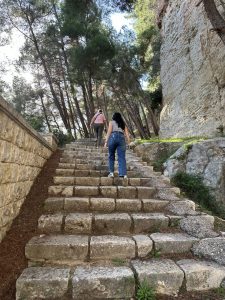
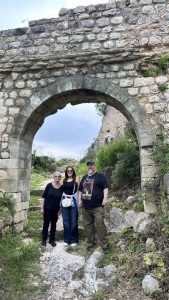
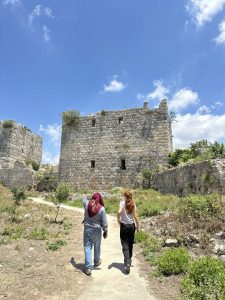
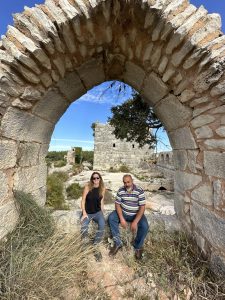
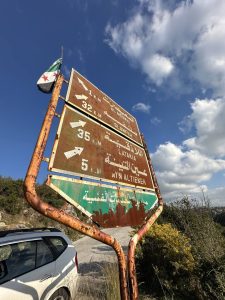
Historical references: UNESCO: Crac des Chevaliers and Qal’at Salah El-Din · Syria’s coastal archaeology and heritage. Visiting hours, permitted areas and fees may change; check locally.


Keep exploring
You might also enjoy
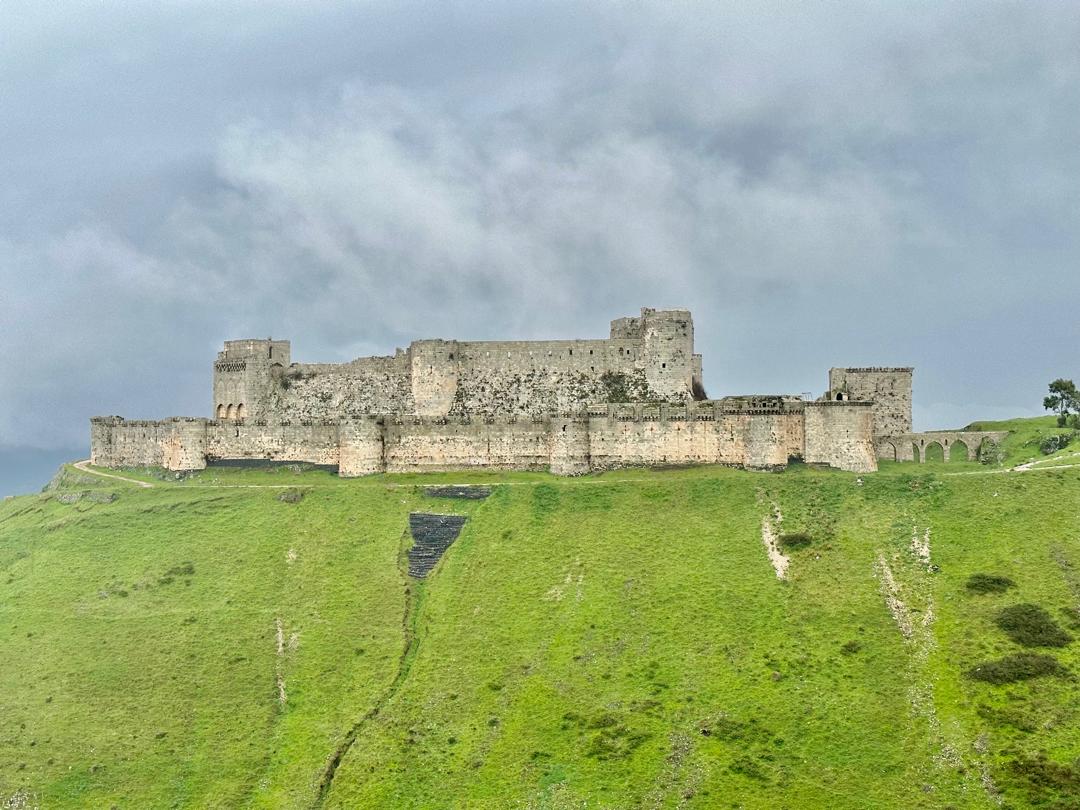 Castle architectureKrak des ChevaliersExplore another famous medieval fortress in Syria.Read the story →
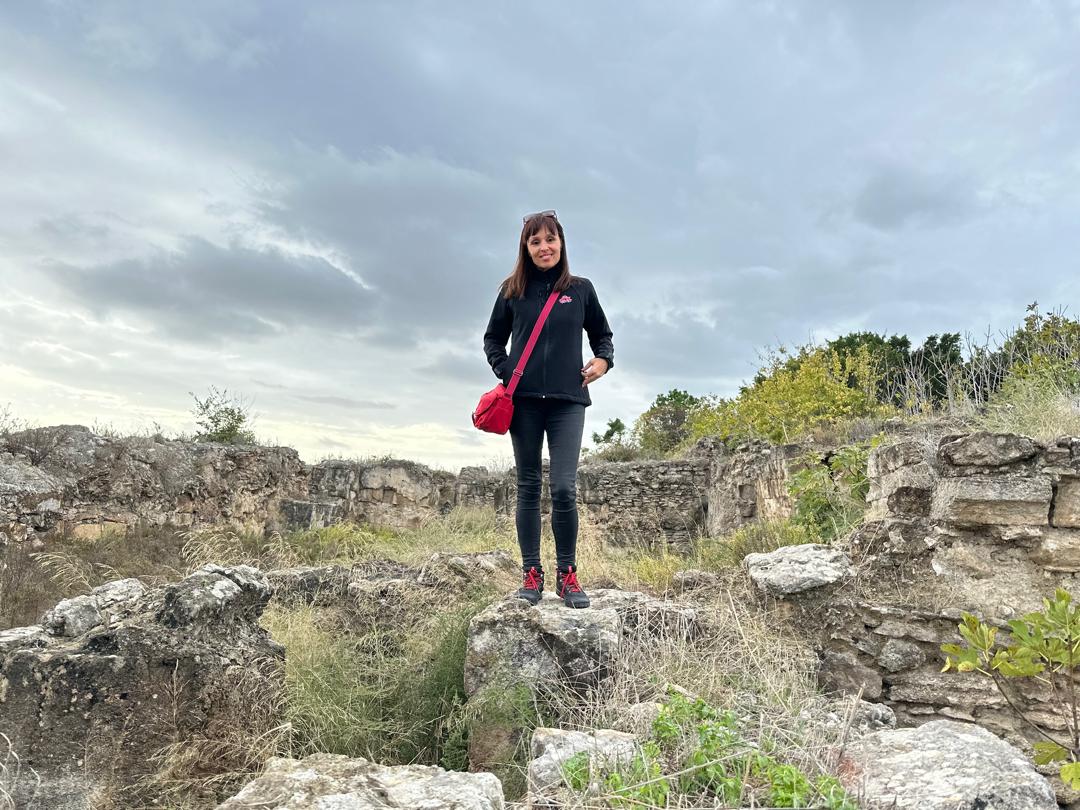 Syrian coastUgarit’s Ancient KingdomA coastal city’s story of trade and an extraordinary alphabet.Read the story →
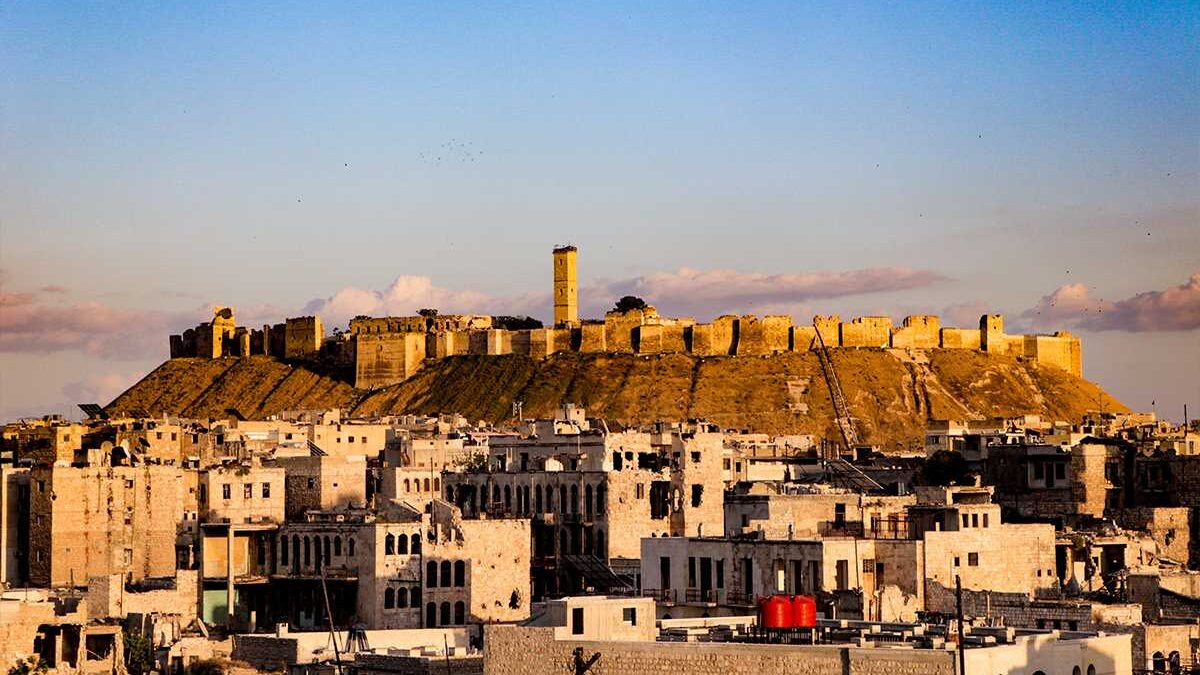 Medieval SyriaAleppo CitadelCompare a second remarkable fortress and its layered history.Read the story →
 Coastal adventuresDiscover the CoastArchaeology, landscapes and the changing experiences of visitors.Read the story →