
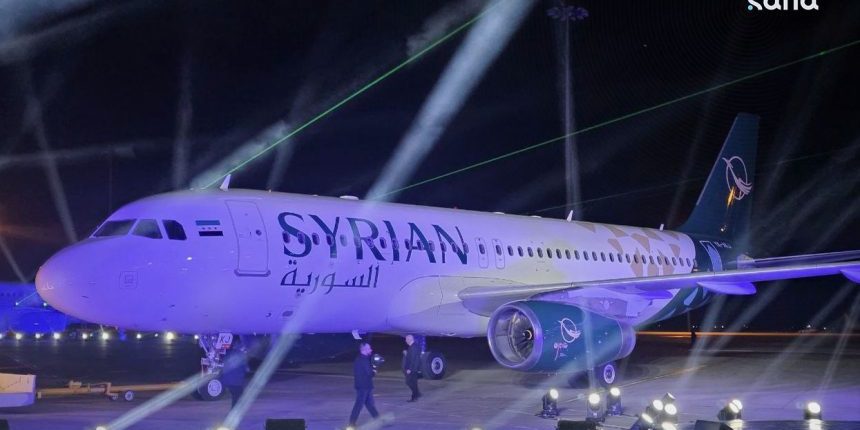
ICAO Ends 13-Year Syria Airspace Advisory
ICAO has withdrawn a Syria airspace advisory first issued in 2013, a significant aviation development — although other regulators still maintain their own restrictions.
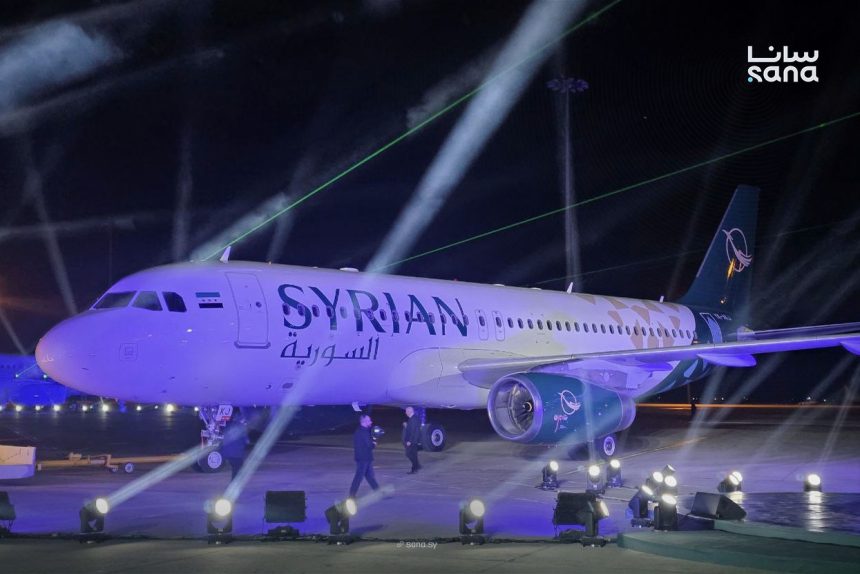
A long-standing international aviation warning concerning Syrian airspace has changed. The International Civil Aviation Organization (ICAO) informed member states on October 23 that its 2013 advisory concerning civilian aircraft operating within the Damascus Flight Information Region was no longer in effect.
The original ICAO advisory dated back to March 2013. Its withdrawal is therefore an important aviation development after more than thirteen years and comes as direct flights to Syria continue to expand.
ICAO withdrew its 2013 Syria advisory
Syria’s civil aviation authority welcomed the decision, describing it as another step toward reconnecting Syrian airspace with international aviation networks.
For airlines and aviation authorities, the change removes one specific ICAO advisory that had remained in place since the early years of the conflict.
ICAO’s advisory and national or regional aviation restrictions are separate. Airlines must still follow the rules and risk assessments of their own regulators.
EASA still has an active Syria conflict-zone bulletin
As of October 29, the European Union Aviation Safety Agency (EASA) still lists its Syria Conflict Zone Information Bulletin as active. The current bulletin was revised on October 1 and is valid until November 30, 2026, unless reviewed earlier.
That means travelers should not interpret the ICAO change as a blanket declaration that all international aviation restrictions have ended. Individual regulators and airlines may continue to maintain their own operational limits.
The practical picture is therefore mixed but improving: more carriers are returning, new routes are being announced, and one long-running ICAO advisory has ended, while some other risk notices remain in force.
More positive for connectivity than for immediate ticket rules
For someone planning to travel to Syria, the ICAO decision matters mainly because it supports the broader normalization of Syrian airspace and may make it easier for more airlines to consider future services.
It does not automatically create a new flight, change a visa rule or require a particular airline to operate to Damascus or Aleppo. Travelers should continue checking actual airline schedules and any restrictions affecting the carrier they plan to use.
The direction of travel is positive, but the details still matter.
Ending ICAO’s 2013 advisory removes one long-standing obstacle in Syria’s aviation picture. It should be read alongside — not instead of — the active rules and risk assessments maintained by other aviation authorities.
Sources: SANA — ICAO advisory update; EASA — Airspace of Syria CZIB.