
Khalid ibn al-Walid Mosque: Homs’ Striped-Stone Landmark
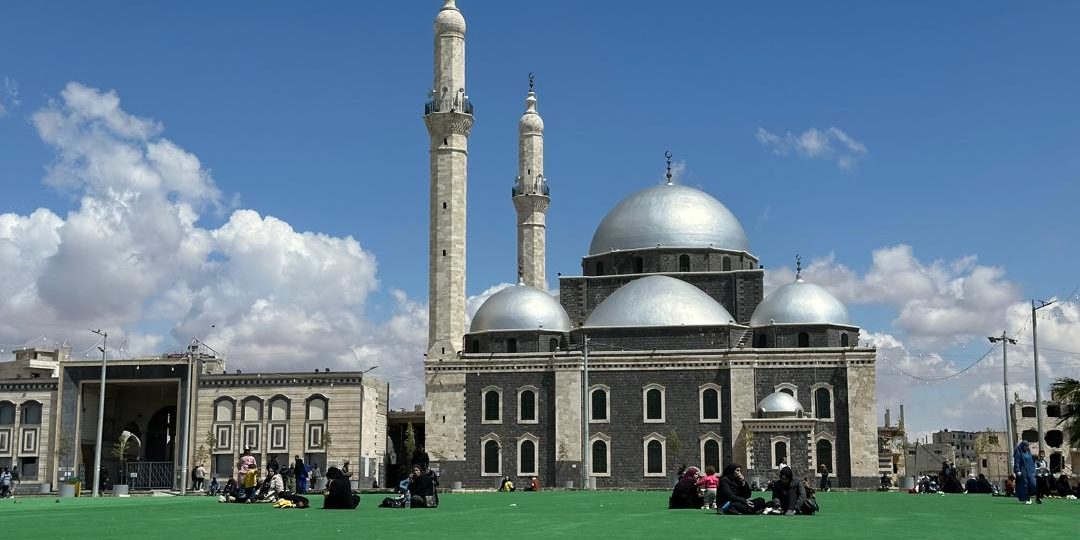
In Homs, two tall minarets rise above bold stripes of pale and dark stone. The building is more recent than it first appears, but its story reaches much further back.
The Khalid ibn al-Walid Mosque stands in the Khalidiya district of Homs, a city whose historic centre has known commerce, prayer, changing dynasties and profound upheaval.
The mosque’s large central dome, smaller domes and alternating stone bands give it a memorable silhouette. Many visitors first notice the architecture, but for worshippers the building’s importance is tied to a revered early Islamic commander whose tomb is traditionally associated with the site.
To appreciate this mosque, it helps to separate three stories: the historical Khalid ibn al-Walid, the older shrine and mosque that once stood here, and the twentieth-century structure visitors see today.
At a Glance
Who Was Khalid ibn al-Walid?
Khalid ibn al-Walid was an important military commander during the early expansion of Islam in the seventh century. His name is closely associated with campaigns in Syria, including the Battle of Yarmouk in 636, a decisive event in the region’s history.
Islamic historical accounts and local tradition connect his later years with Homs, and a tomb attributed to him became an important place of visitation. Historians have also discussed differing reports about the place of his burial, so the association should be presented as a respected tradition rather than an uncontested archaeological identification.
Over the centuries the site attracted rebuilding and patronage. Its spiritual importance continued even when the physical mosque changed.
That contrast is common in historic sacred sites: a community’s memory may be older than the surviving stone structure.
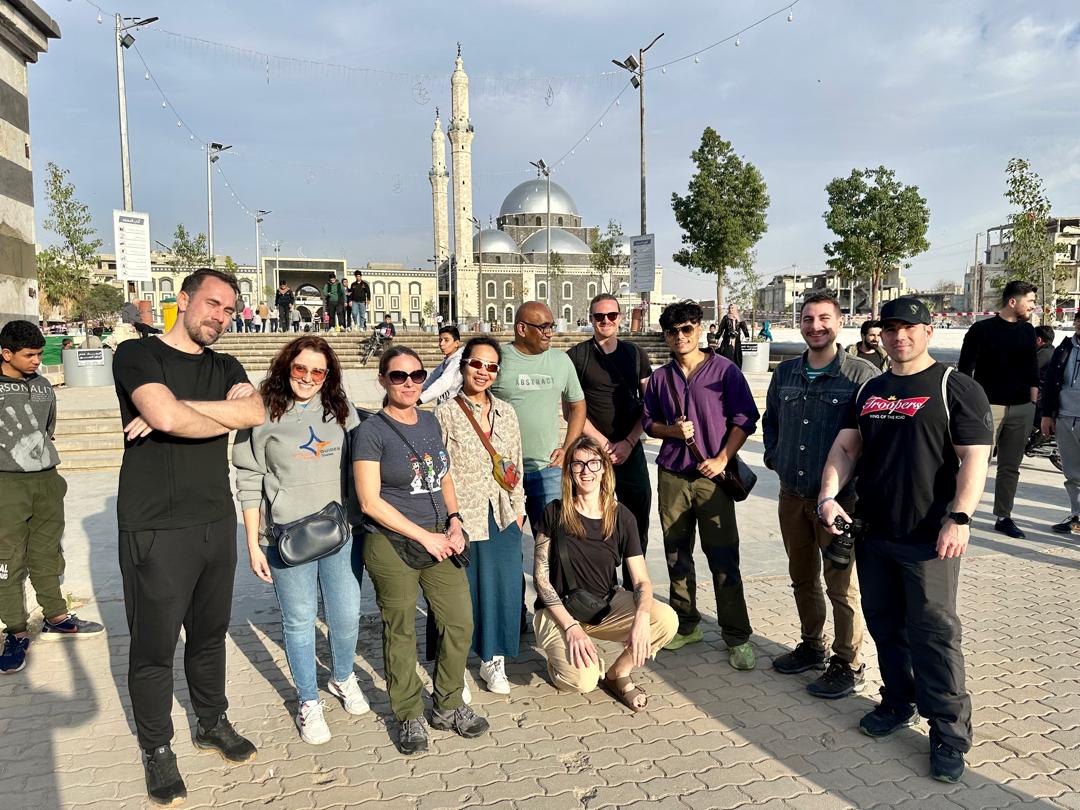
The black-and-white exterior is part of the visual language of Syrian stone architecture, and the scale becomes clearer when visitors stand beside the facade.
Notice the twin minarets and the central dome rather than looking only for the tomb. The mosque is an interesting architectural monument in its own right.
If visiting during prayer or another religious gathering, remember that people are here primarily to worship, not to take photographs.
A Late Ottoman Mosque on an Older Sacred Site
Earlier sources describe a sanctuary associated with the tomb, including substantial building work in the Mamluk period. Sultan Baybars sponsored a mosque in the thirteenth century, and later rulers made additional repairs.
The present building was completed in the early twentieth century, commonly dated to 1912 during the late Ottoman era. That is why it is misleading to call the entire visible mosque a seventh-century or medieval structure.
Architecturally, the mosque combines Ottoman-style domes and minarets with regional use of alternating light and dark masonry known as ablaq.
The tall minarets, rounded domes and striped stone produce strong visual contrasts as the light changes. In a city with many layers of history, the mosque shows how a newer structure can continue an old religious tradition.
Surviving images of the older building help explain the changes. Where historical photos or archives are available, they are valuable for comparing the earlier Mamluk mosque with the present form.
Damage, Repair and the Life of Homs
The mosque suffered serious damage during fighting in Homs, particularly in the years around 2013. The destruction affected parts of the building and the shrine area.
Repair and rebuilding followed in later years, and the complex returned to religious use. Not every part of the rebuilt structure reproduces the older fabric exactly, which is why its modern conservation history is worth understanding.
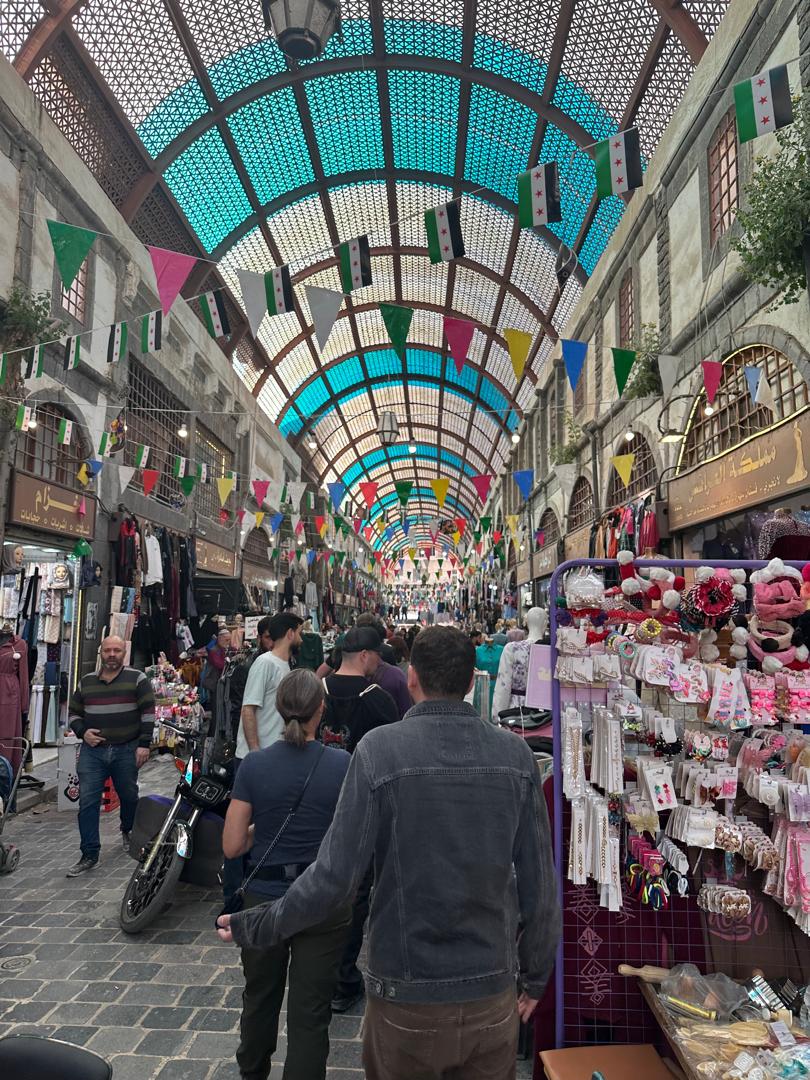
Homs itself has a long and complicated urban story. Markets, churches, mosques and neighbourhoods were all affected by conflict, and visitors should avoid reducing the city’s identity to any single monument.
After visiting the mosque, a walk through accessible central streets can reveal the changing life of Homs beyond its famous landmark.
Travellers can connect this visit with the city’s other religious buildings, while respecting each community’s traditions and current circumstances.
When looking at the mosque, try identifying three layers: the early Islamic figure commemorated, the older Mamluk shrine tradition, and the late Ottoman structure repaired in modern times.
How to Visit
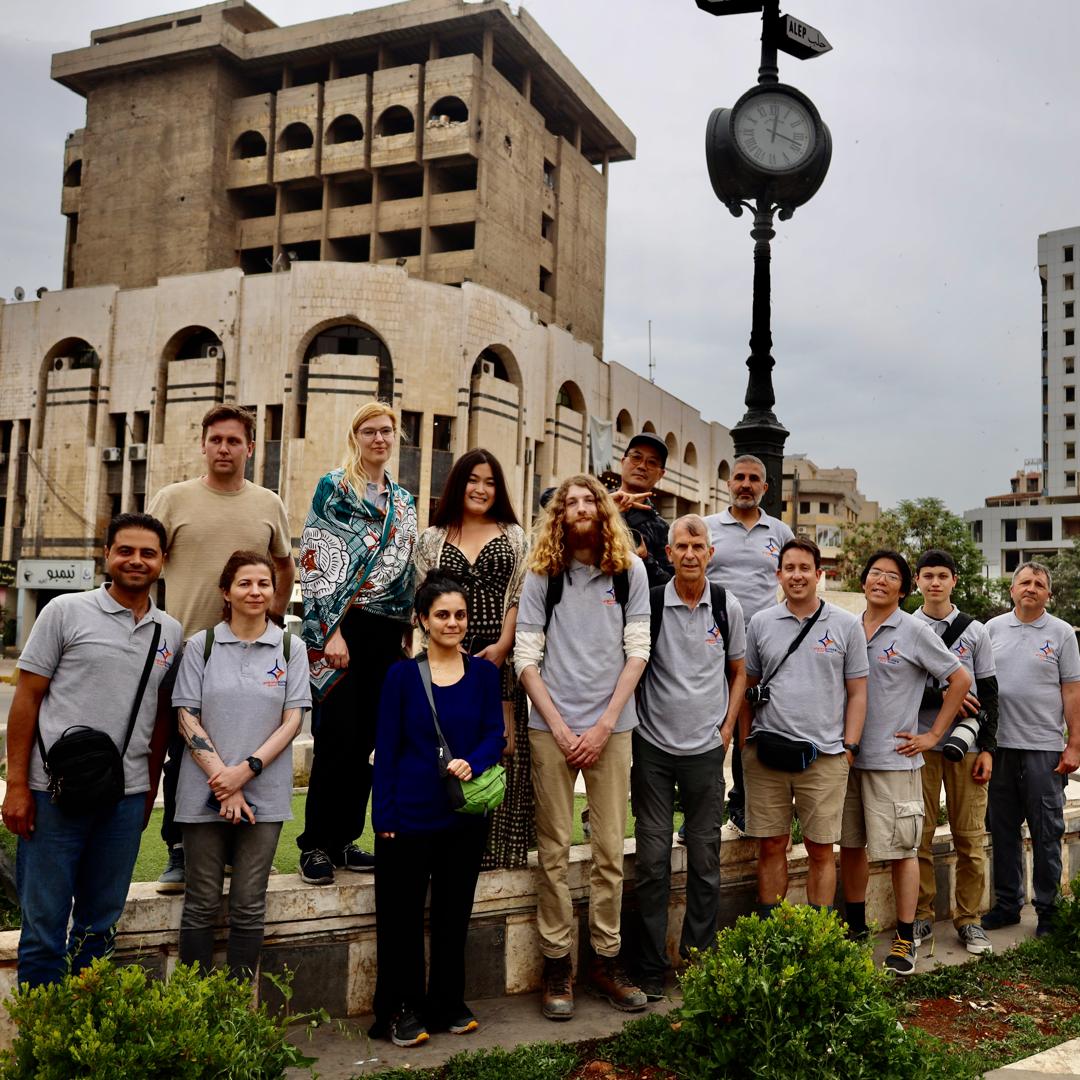
The mosque stands in Homs’s Khalidiya district. Arrangements for visitor entry can change, especially during prayers and religious occasions, so check with a local guide before setting out.
- Allow approximately 30–60 minutes, depending on whether visitors can enter the prayer hall.
- Wear modest clothing and follow any rules about shoes or head covering at the entrance.
- Keep photography discreet and ask permission before photographing people at prayer.
- Choose a time outside major prayers where possible; Friday midday is often busier.
- Notice the striped stonework and dome arrangement before going indoors.
- Respect any restricted areas around the shrine and avoid interfering with religious activity.
- Make time for nearby accessible streets and markets to understand the city beyond the mosque.
Discover these stories with local guides who know the places and people behind them.
Explore our Syria tours →One Last Thought
The Khalid ibn al-Walid Mosque reminds visitors that a historic place may preserve its meaning even when the architecture around it has been rebuilt several times.
Latest Syria news
- Khalid ibn al-Walid Mosque: Homs’ Striped-Stone Landmark

- Aleppo Airport Expansion Work Begins
- Royal Jordanian Updates Syria Airport Entry Rules: What Travellers Need to Know
- Palmyra Heritage: Floods Reveal More of a Known Umayyad Canal
- Damascus Flight Update: SunExpress Launches and Etihad’s Daily Schedule



You might also enjoy
 Roman heritageBosra Roman TheatreA remarkable monument in southern SyriaRead the story →
 HamaAzm Palace in HamaOttoman architectural historyRead the story →
 DamascusMariamite CathedralLiving Christian heritage in another cityRead the story →
 Our collectionExplore Syria LandmarksOther historic places and storiesRead the story →