
Syria Archaeology in Depth
Travel beyond the famous landmarks to understand the cities, fortresses and archaeological landscapes that shaped millennia of history.
This 13-day private journey is designed for curious travellers and specialist-interest groups, with a pace that leaves room for stories, questions and observation.
Plan this journeyExplore the route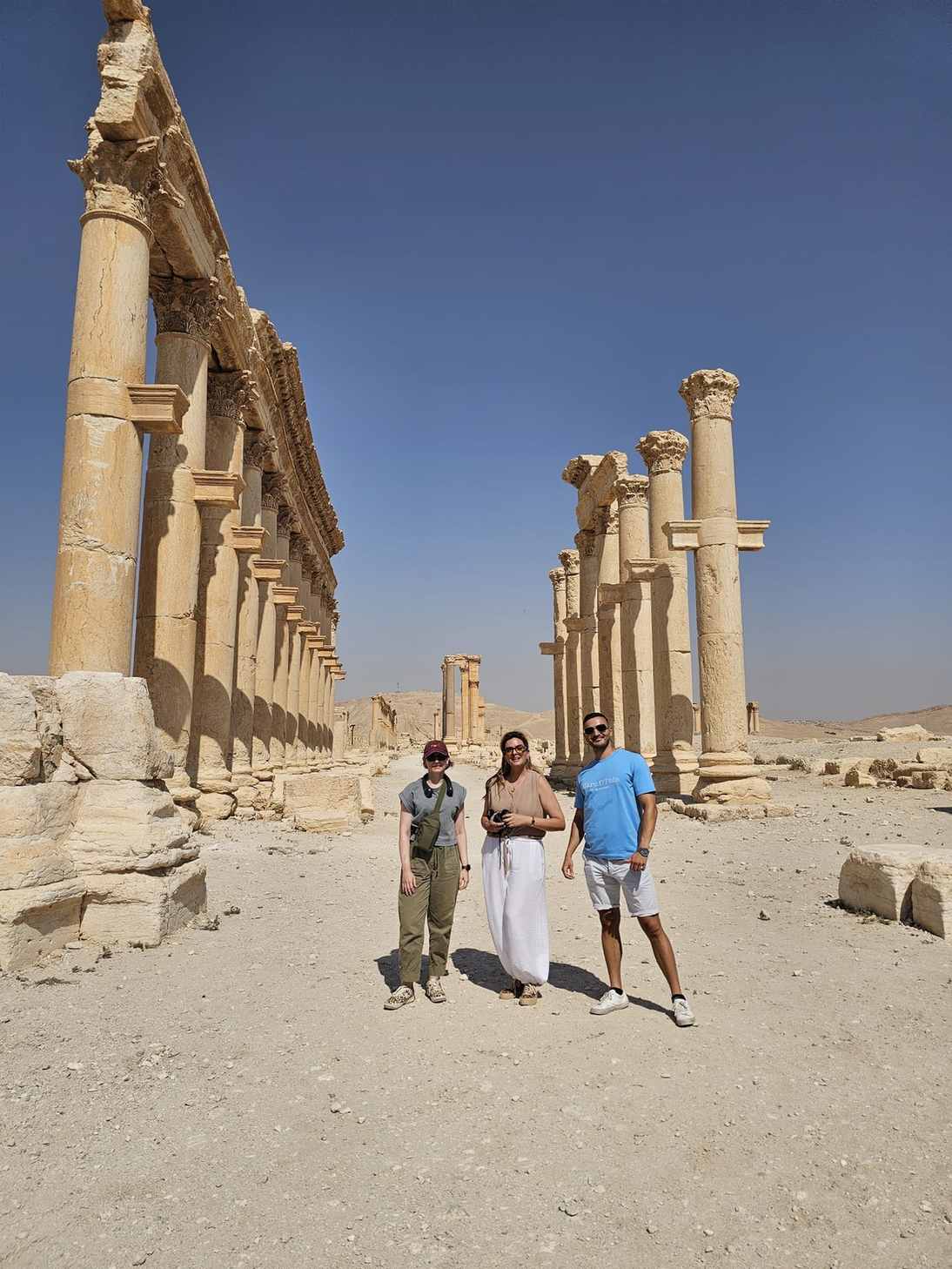
Go deeper into the story
From Ebla’s Bronze Age kingdom and Ugarit’s ancient Mediterranean connections to the Roman urban landscapes of Bosra, Apamea and Palmyra, this journey gives context to the stones. Aleppo and Krak des Chevaliers reveal subsequent transformations in medieval architecture and urban life.
With Syrian Guides, the ancient landscape is presented alongside present-day communities, conservation questions and the practical realities of visiting. Requests for specialist academic interpretation can be explored separately.
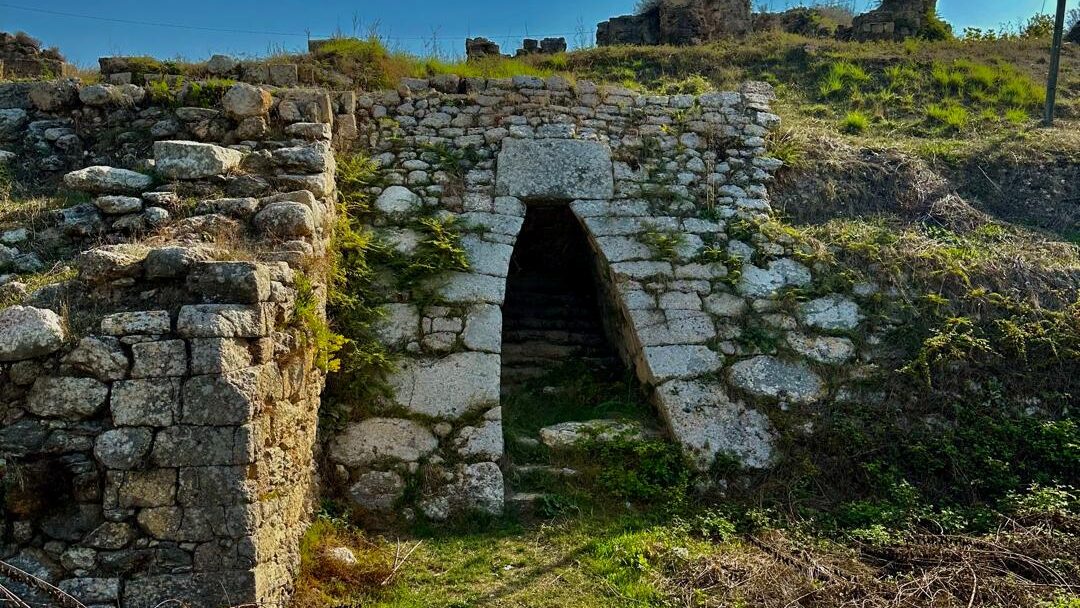
Day-by-day archaeological discovery
Sites and overnight stops may be adjusted to improve the route or reflect verified access. The confirmed programme is agreed before booking.
Arrival in Damascus
Arrive in Damascus and meet your local guide, who will introduce the extraordinary span of civilisations represented on this journey. After checking in, discuss the Bronze Age kingdoms, Roman cities, and medieval buildings that will give the coming days their historical context. If your arrival time permits, enjoy an orientation walk through the old streets, looking at historic stonework, changing street patterns, and the interplay between old architecture and daily life. We deliberately keep the first day unhurried so you can recover from travelling, ask questions, and share your interests. Your guide can then give special attention to the periods and archaeological questions that fascinate you most throughout the journey. An optional dinner provides a relaxed introduction to Damascene hospitality.
Overnight: Damascus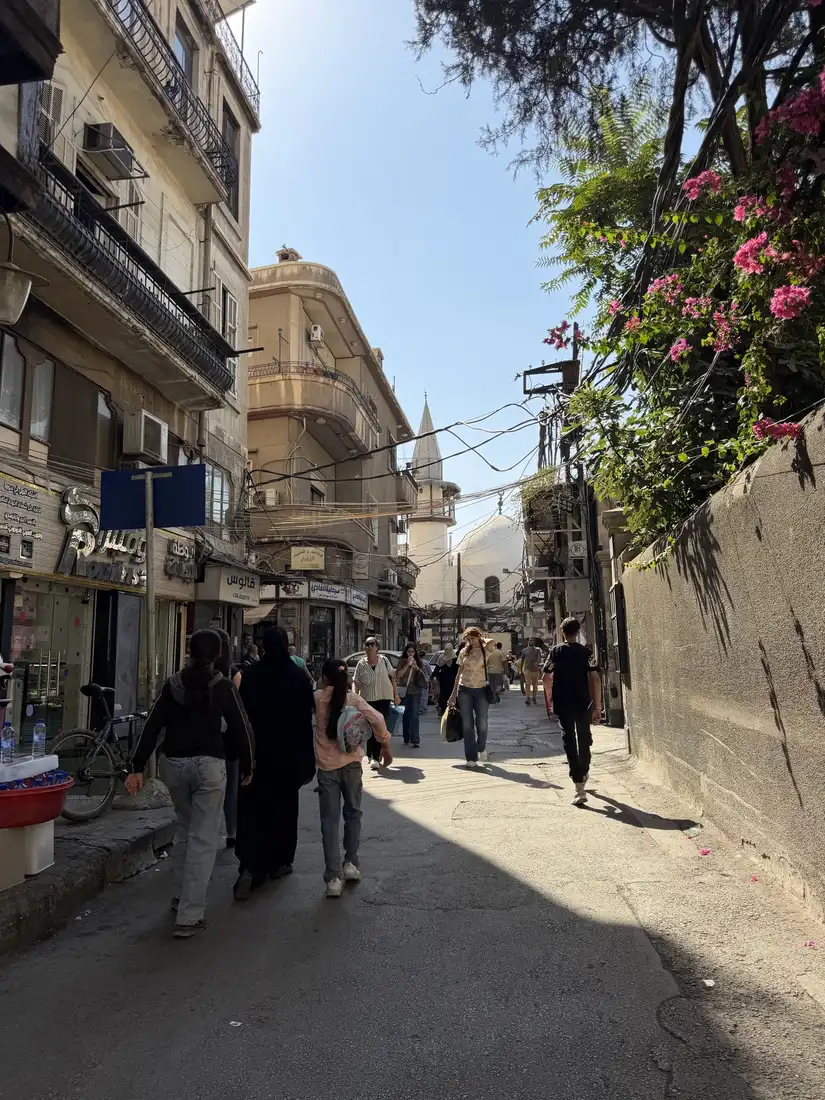
Damascus: an inhabited ancient city
Begin with the Roman inheritance of Damascus, examining the traces of the Temple of Jupiter and the old city’s historic streets and gates. Continue to the Umayyad Mosque to understand how its monumental setting reflects religious and architectural transformations across centuries. The day’s walk takes time to look at construction materials, decorated facades, courtyards, and architectural elements reused from older buildings. Your local guide explains the difficulties of researching a city that has remained inhabited for such a long time, where historical evidence survives among bustling markets, homes, and places of worship. Pause for coffee and conversation while discussing the city’s changing place in regional trade and political history. Rather than a conventional highlights tour, this day focuses on reading Damascus as a layered archaeological landscape.
Overnight: Damascus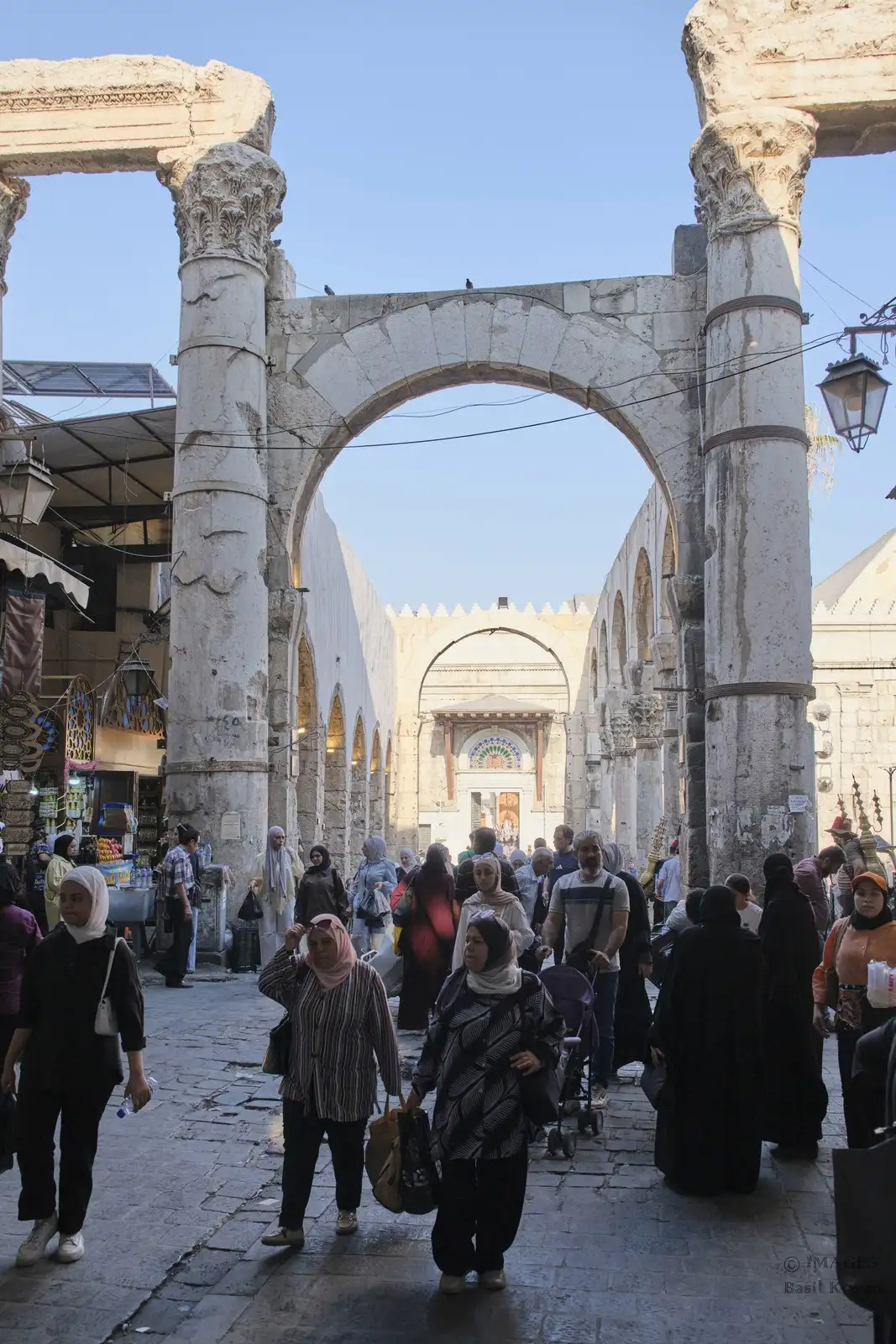
Bosra: basalt and the Roman theatre
Head south through the Hauran’s volcanic landscape to Bosra, famed for the black basalt stone that gives its buildings their distinctive appearance. Spend generous time exploring the remarkably preserved Roman theatre, studying its stage, seating, passages, and the later fortifications enclosing the structure. Your guide explains Bosra’s importance within the Roman province of Arabia and the urban life that developed around its monuments. Walk among accessible historic remains to examine the relationship between Roman public architecture and the city’s later Islamic heritage. We will also look at how the material available locally shaped building traditions and the appearance of streets and houses. After time to photograph, ask questions, and enjoy lunch, return to Damascus with a richer picture of southern Syria’s ancient history.
Overnight: Damascus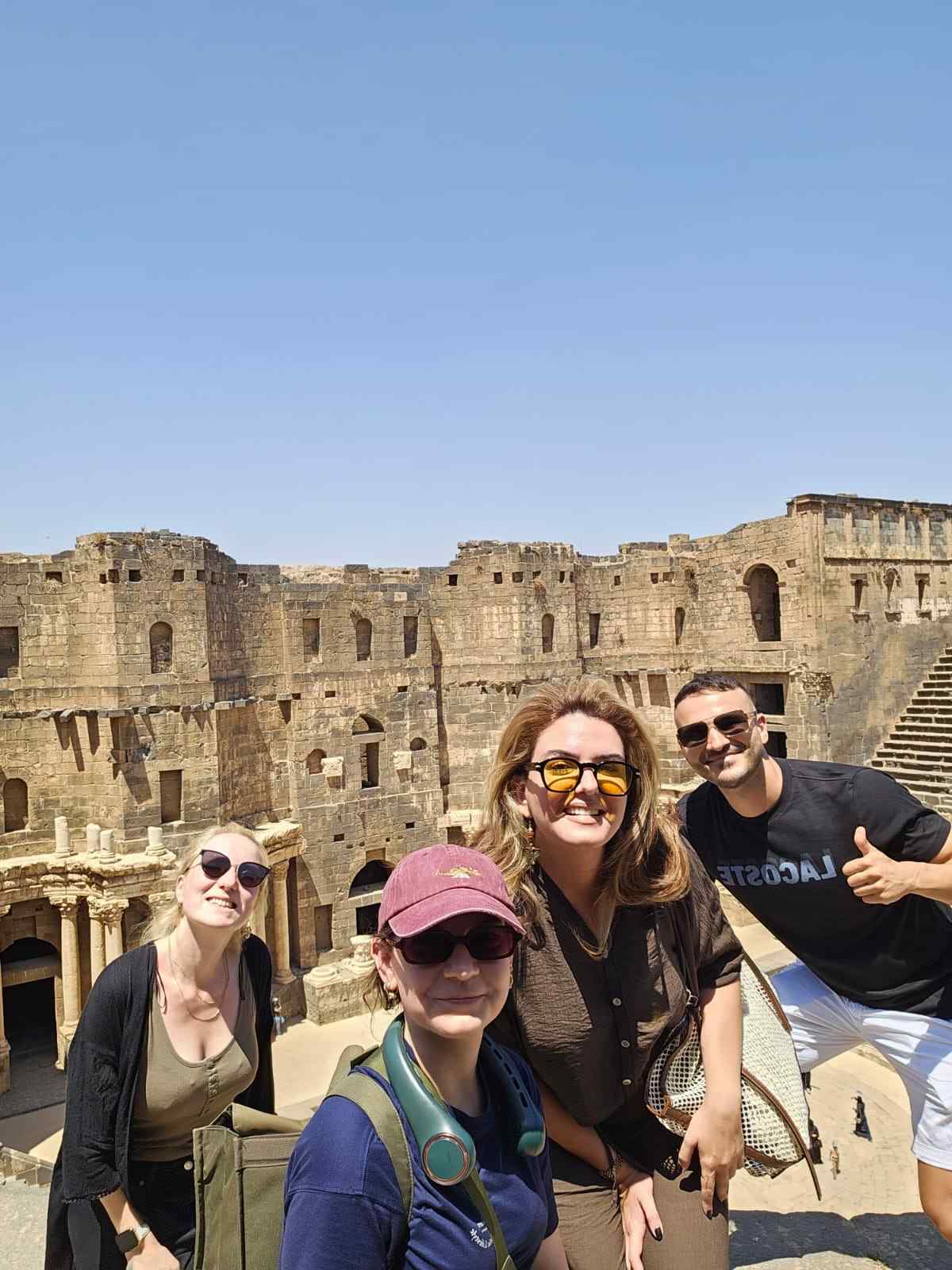
Palmyra: desert crossroads
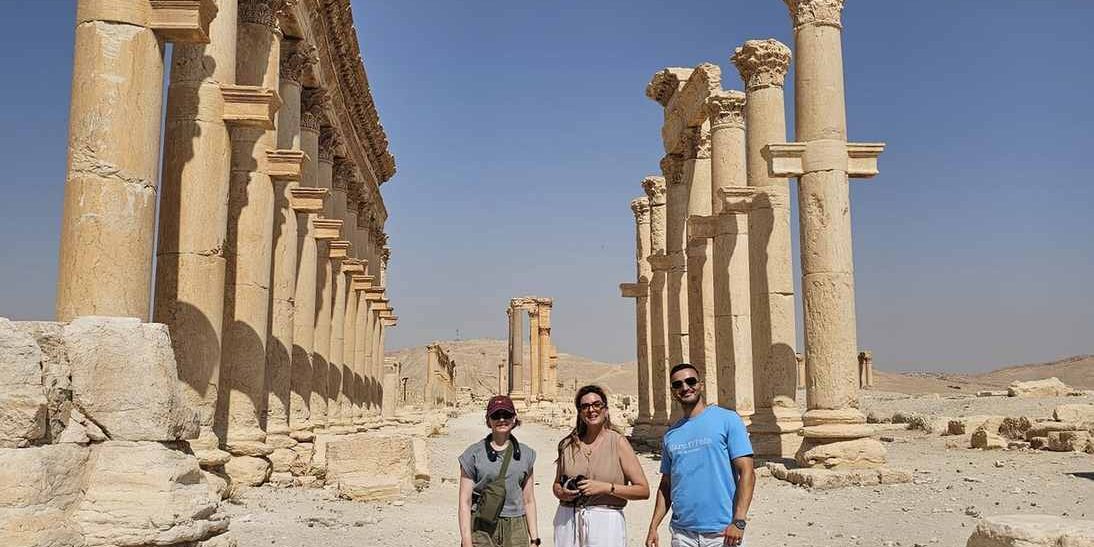
Travel across the Syrian desert toward Palmyra, a city whose wealth and culture were closely tied to long-distance trade between the Mediterranean and regions to the east. Explore accessible parts of the surviving archaeological landscape, including colonnades, monumental gateways, and the remains of public and religious buildings. The guide discusses Palmyrene society, local art, inscriptions, and the city’s distinctive meeting of different cultural influences. You will also consider the modern history of the site: damage to monuments, challenges of conservation, and the difference between original remains and later reconstruction. Some archaeological sections may be restricted, and we will confirm which spaces can be entered before your journey. Continue toward Homs in the evening, with time to reflect on the desert setting and the stories still preserved in its ruins.
Overnight: Homs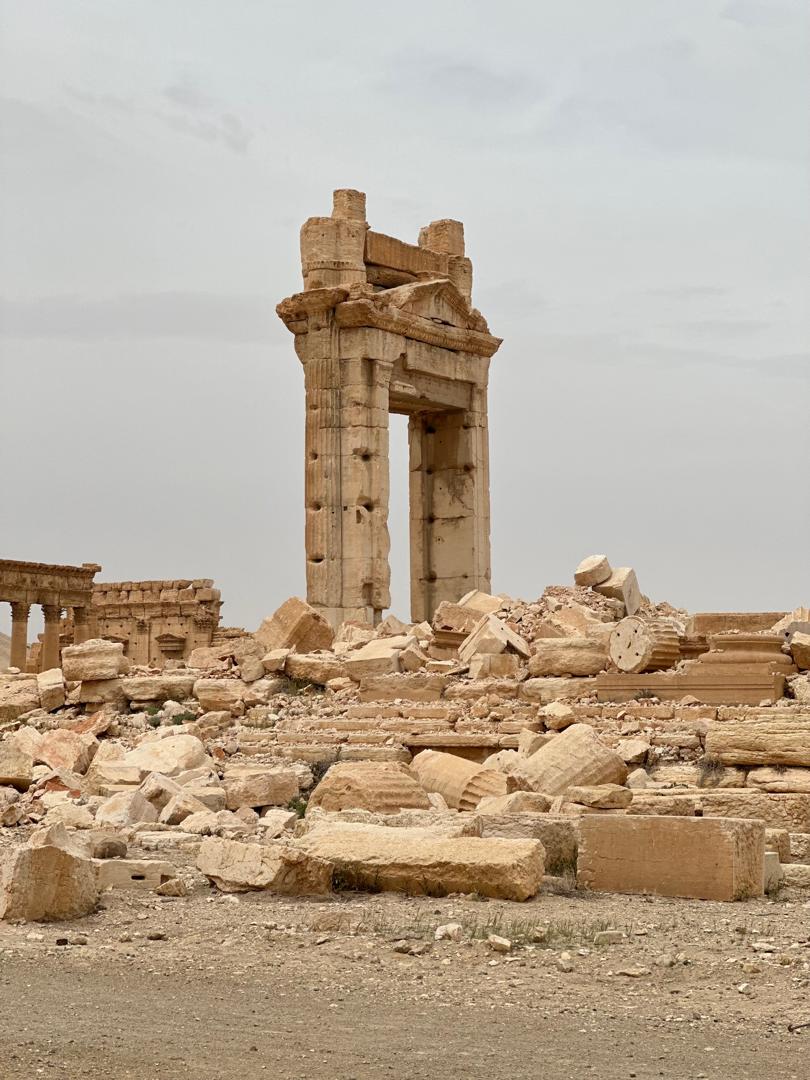
Krak des Chevaliers
The journey changes period as we visit Krak des Chevaliers, one of the region’s most imposing medieval castles. Examine the fortress from outside to understand its relationship to the hills and routes below, then walk through its defensive structures and spacious vaulted interiors where visitor access allows. Discuss the succession of architectural phases, the strategic logic of its towers and gates, and how the people who used the castle adapted it over time. Your guide will explain the historical context without reducing the site to a romanticised Crusader narrative. Look closely at masonry techniques, water management, and the contrast between austere military spaces and decorated halls. The surrounding countryside offers a welcome pause before travelling onward to Hama or Homs, with the timing arranged around the visit rather than an unnecessarily rushed itinerary.
Overnight: Hama or Homs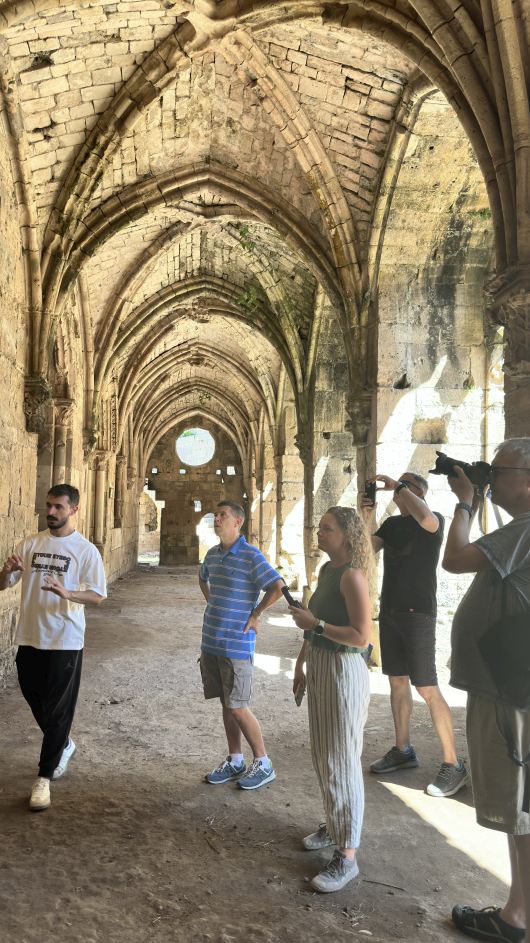
Apamea and the Hama region
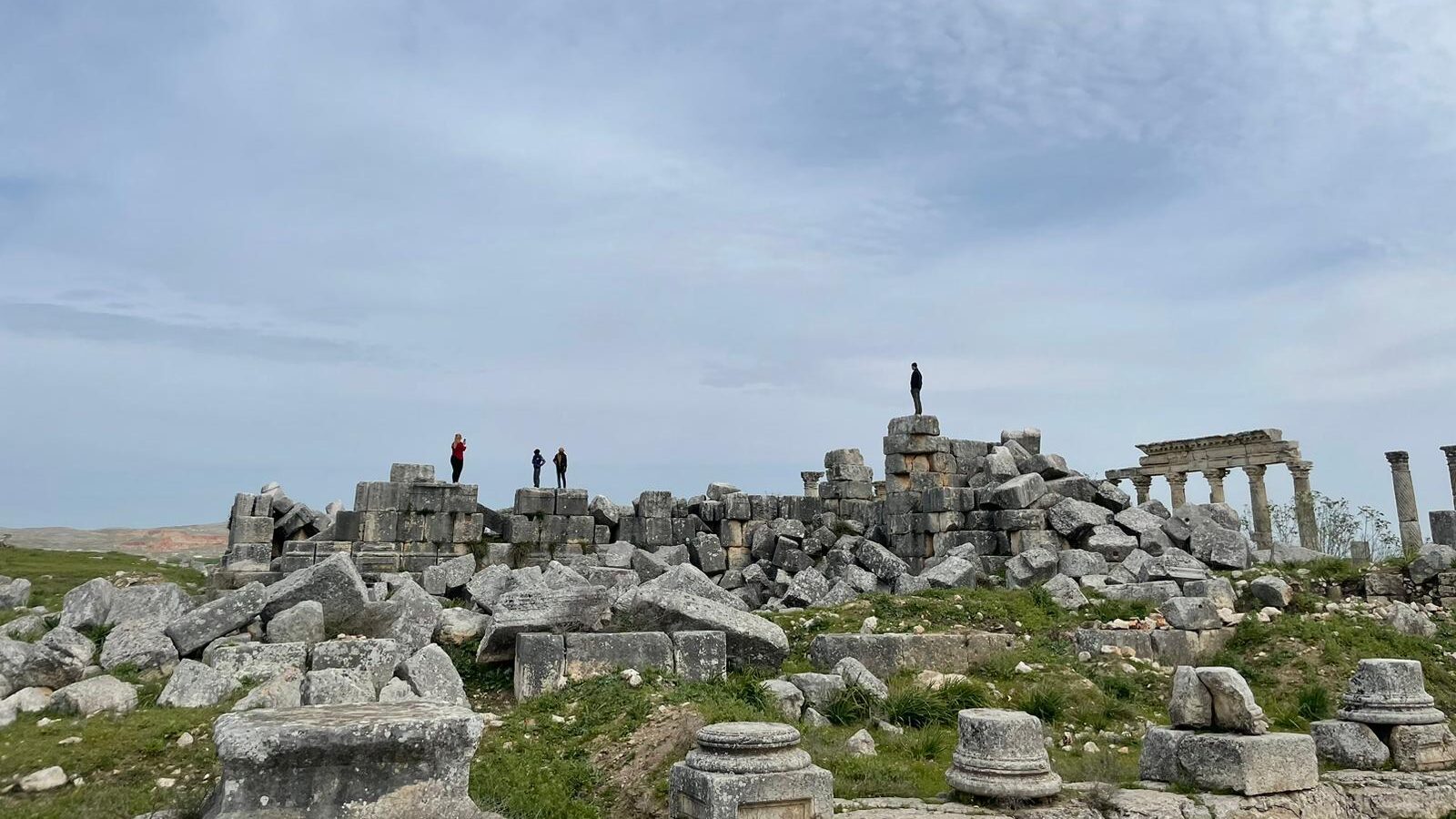
Subject to confirmed access, spend the morning at Apamea, where its monumental colonnaded street offers a striking introduction to Roman town planning in the Orontes valley. Discuss how the ancient city was laid out, how public buildings related to its principal streets, and how archaeologists distinguish surviving structures from interventions made in later periods. The history of excavation, preservation, and threats to archaeological heritage is an important part of the conversation here. Continue through the wider Hama area, where the river, old urban quarters, and famous waterwheels illustrate different chapters in the long relationship between people, engineering, and the landscape. We allow time for close observation and questions rather than making Apamea a hurried roadside photograph. If the archaeological site is unavailable, an alternative heritage programme is arranged.
Overnight: Hama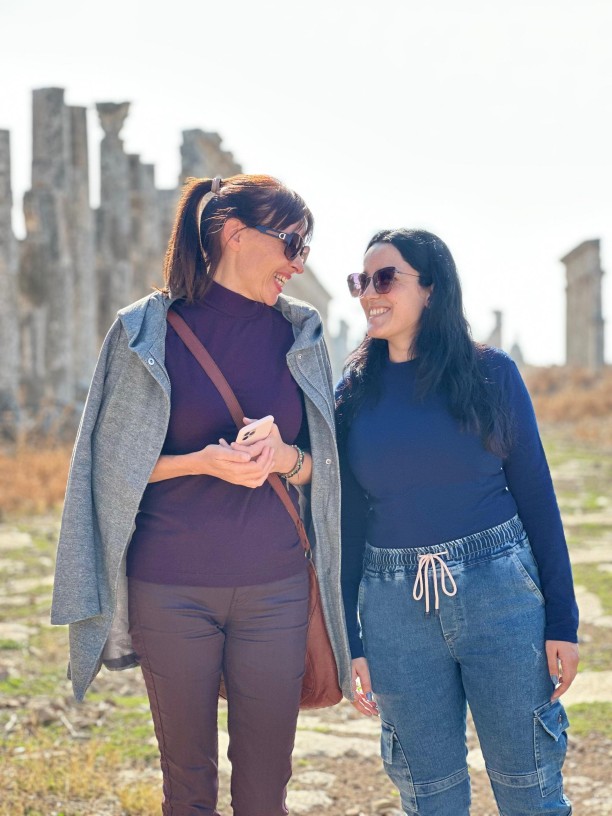
Ebla: a Bronze Age kingdom
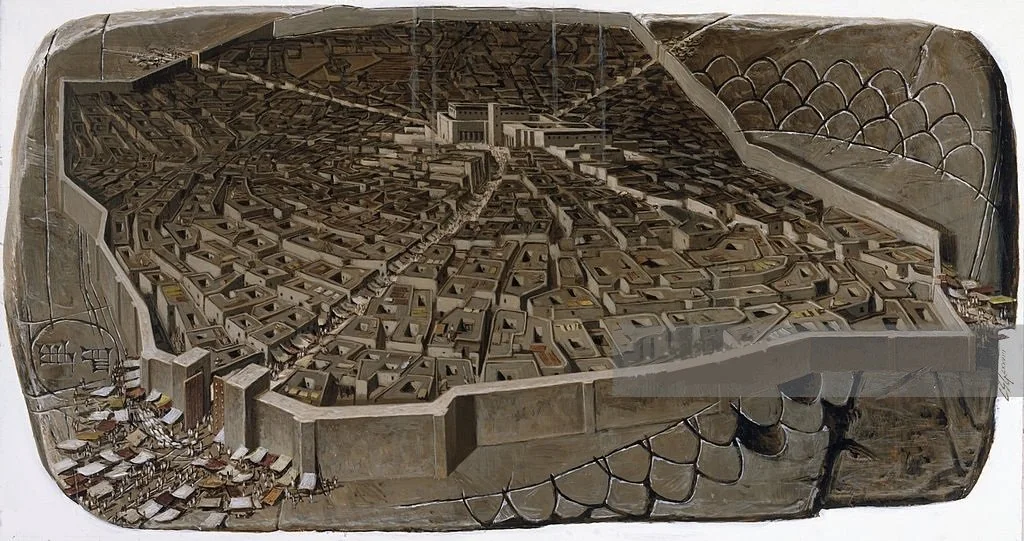
Today’s proposed archaeological focus is Tell Mardikh, ancient Ebla, whose Bronze Age discoveries fundamentally changed scholarly understanding of early Syrian cities and kingdoms. Your guide will explain the royal palace, the administrative system, and the thousands of cuneiform tablets that have helped historians reconstruct diplomacy, economic life, and political connections. If access to the archaeological mound is permitted, investigate the visible remains and consider how experts interpret foundations and excavated spaces that no longer resemble their original buildings. There is time to discuss archaeological methods and the distinction between objects described in research and artefacts that can actually be seen. The original tablets are not guaranteed to be on display. Continue toward Aleppo after the visit, adapting the route and timing to verified site access and road conditions.
Overnight: Aleppo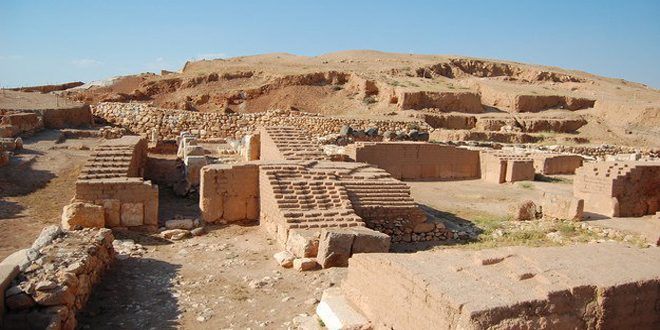
Aleppo: the layers of a city
Explore the architectural and archaeological layers of Aleppo, beginning with the great citadel and the history of its commanding position above the city. Where permitted, examine the approaches, defensive structures, gateways, and surviving built fabric while considering how the site changed under different ruling dynasties. Continue through the historic streets and commercial quarter to understand the significance of trade, caravan networks, specialised markets, and religious buildings. The city’s history becomes especially compelling when compared with Damascus: both have deep urban roots, yet they developed distinct identities and architectural traditions. Your guide also discusses recent damage, documentation, restoration challenges, and the people working to sustain cultural life today. Enjoy opportunities to speak with local craftspeople and take time with details rather than racing between monuments.
Overnight: Aleppo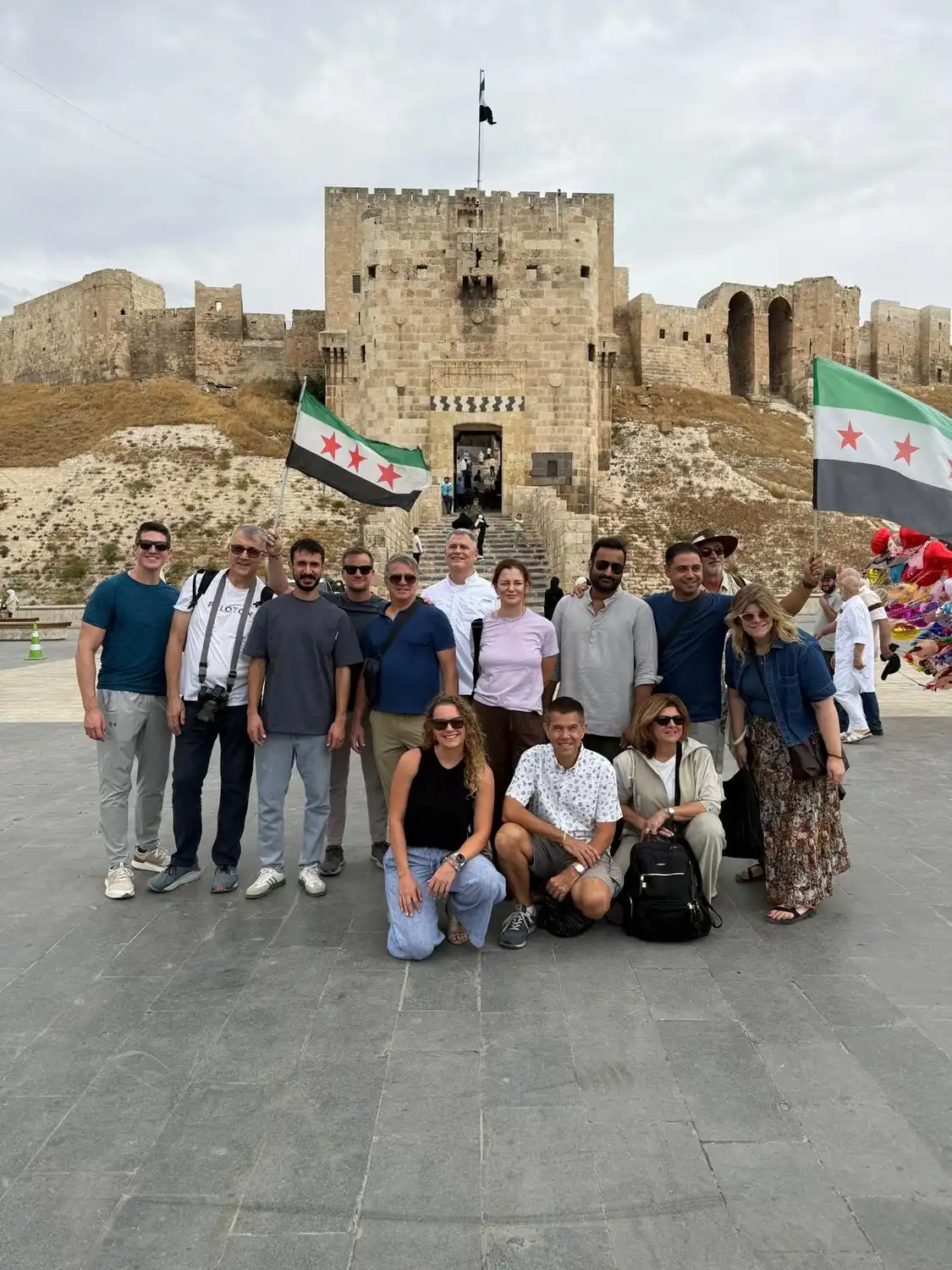
Northern Syria: specialist exploration
Reserve this day for a deeper investigation of northern Syria’s archaeological and cultural landscape. Instead of promising a fixed site whose access may change, we will select suitable places with your guide after checking road conditions and any required permissions. The programme can explore settlement history, village architecture, early religious monuments, or particular historic structures in and around Aleppo. If a specialist site is inaccessible, the day can be spent examining Aleppo’s surviving buildings more closely, with an emphasis on construction, conservation, and changes to the urban fabric. This flexible approach allows genuine investigation instead of turning a specialist-interest journey into an exhausting checklist. It is also a chance to focus on topics raised during earlier visits and to compare how history appears in different landscapes.
Overnight: Aleppo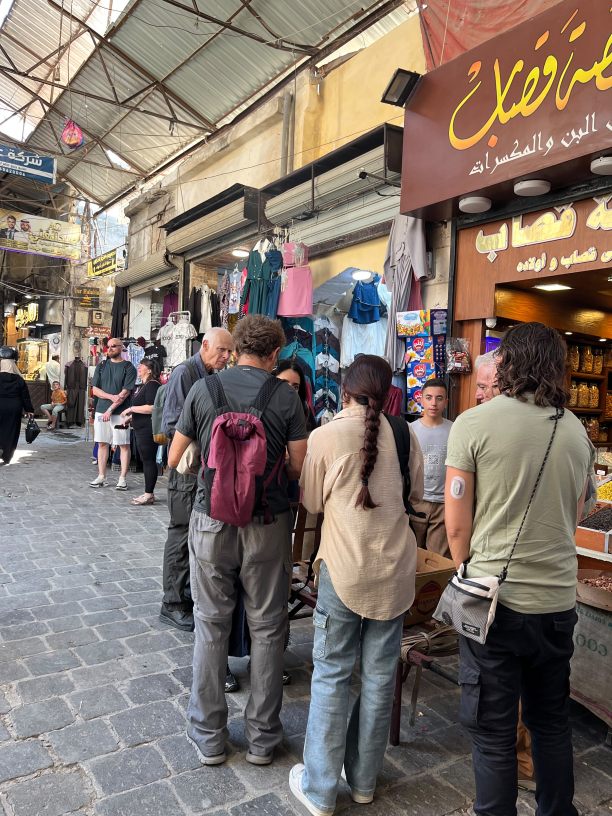
Ugarit and the Mediterranean world
Head toward Syria’s Mediterranean coast and the ancient site of Ugarit at Ras Shamra, subject to confirmation of visitor access. Once a powerful Bronze Age centre, Ugarit maintained connections through trade, diplomacy, and culture with other societies of the eastern Mediterranean. Study the surviving archaeological remains of its urban and palace areas, discussing what their arrangement reveals about administration and everyday life. Your guide introduces the famous alphabetic cuneiform texts discovered here and explains why they matter to the history of writing. The day also considers the limits of archaeological interpretation: much of the ancient society is reconstructed from foundations, objects, and written sources rather than complete buildings. After exploring the site, take in the change of atmosphere along the coast and spend the night in the region.
Overnight: Coastal Syria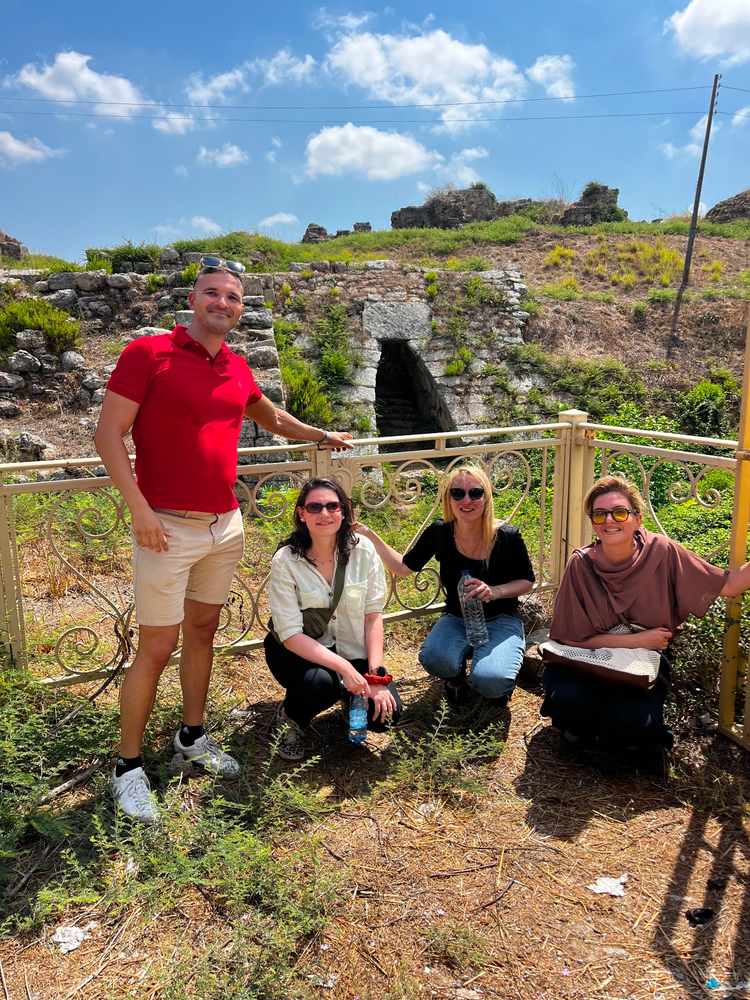
Archaeology along the coast
Continue along the coast for an examination of Roman and later Mediterranean heritage. Depending on access, the programme may include the Roman theatre at Jableh, where surviving stone seating and architectural features can be compared with the very different theatrical setting of Bosra. Discuss how public monuments were adapted, how later towns grew around earlier remains, and how coastal settlements were connected to inland cities and the maritime world. The guide may incorporate another suitable accessible historic stop if it genuinely adds to the theme, rather than filling the day with unrelated places. There is time to enjoy local coastal life, sample regional food, and ask questions about the interaction between commerce, settlement, and archaeology. This slower pace adds human context to the substantial ancient history explored over the preceding days.
Overnight: Coastal Syria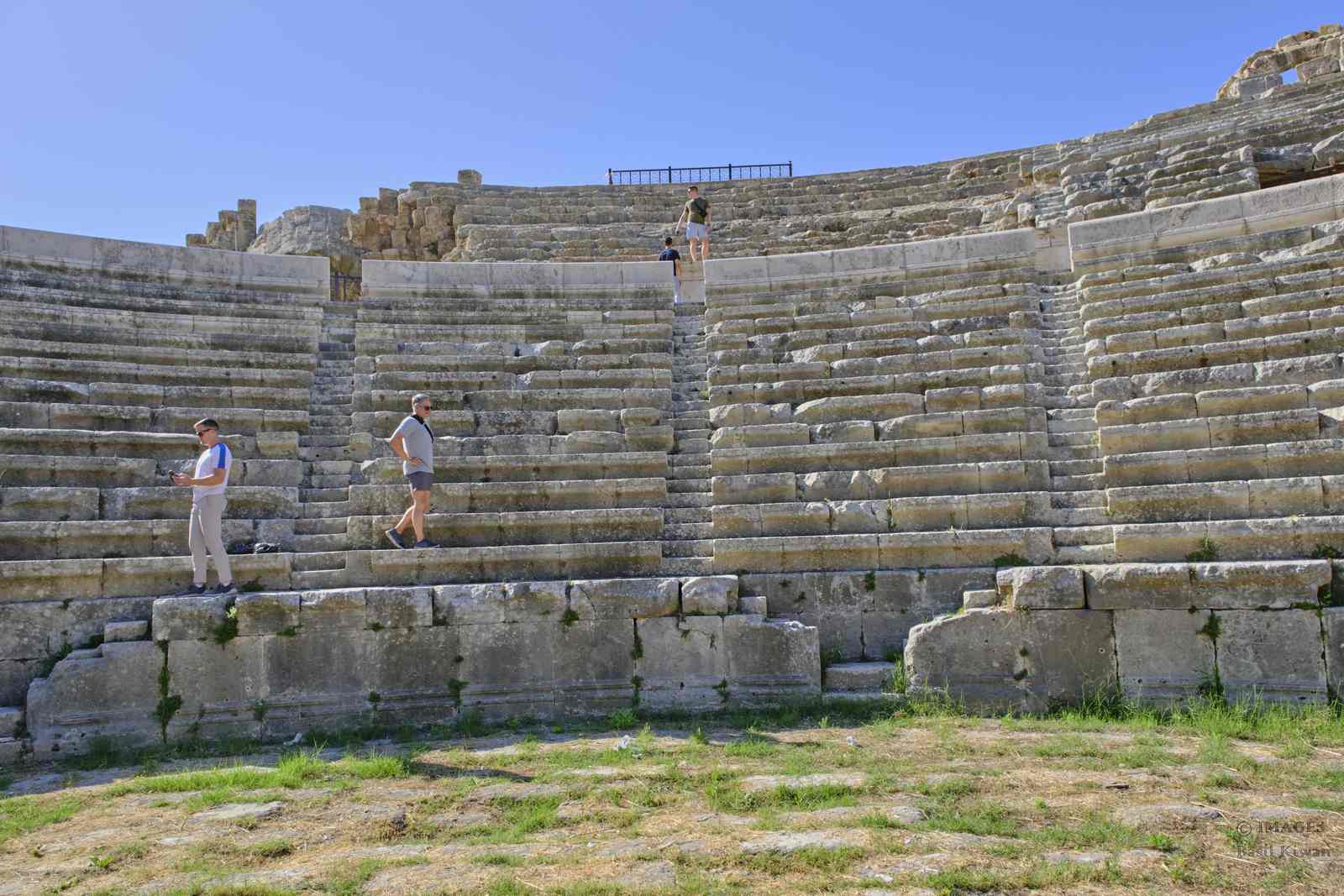
Return to Damascus
Return toward Damascus with a better understanding of the different archaeological landscapes that make Syria so remarkable. The drive can include a suitable stop in the Hama area, where historic waterwheels offer an opportunity to discuss engineering and the importance of the Orontes River to settlement. As you travel, compare the Bronze Age political worlds of Ebla and Ugarit with the Roman cities of Bosra and Palmyra, and the later medieval fortifications of Krak des Chevaliers and Aleppo. Once back in Damascus, take a final walk or, when practical and open, consider a suitable museum collection or historic neighbourhood that complements your interests. Your guide can revisit any outstanding questions and help tie the journey’s many periods into one connected story. Enjoy a relaxed final evening in the capital.
Overnight: Damascus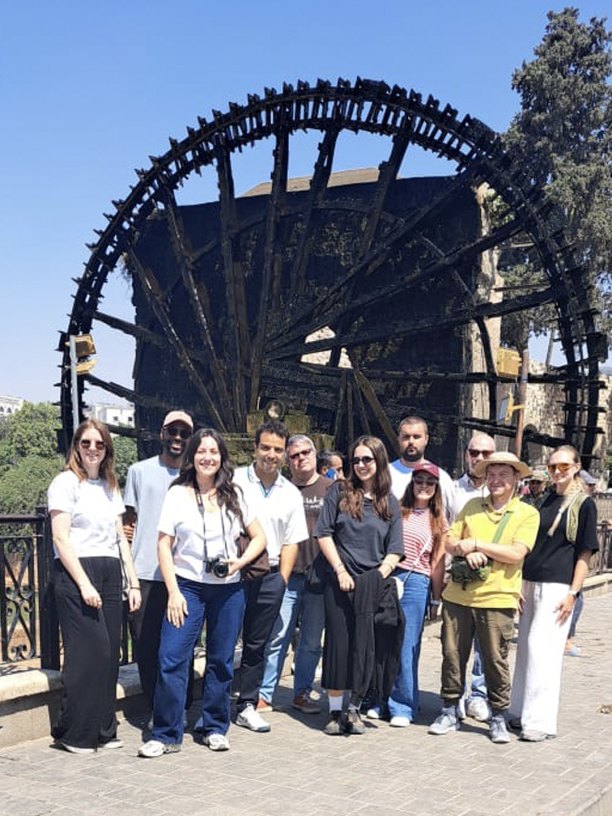
Departure or extension
Your last day follows your confirmed flight or land-transfer arrangements. Enjoy breakfast, perhaps a short final walk if time permits, and a private transfer to the agreed departure point. By now the monuments you have encountered should feel less like isolated ruins and more like evidence of connected communities, economies, and ideas across thousands of years. For travellers who would prefer to continue their studies, an extension can be arranged to revisit an accessible archaeological landscape, explore another historic town, or investigate suitable collections and specialist encounters where available. Additional visits depend on the practical conditions and permissions at the time of travel. We aim for you to leave Syria with memorable photographs, meaningful conversations, and a clearer understanding of both the ancient past and the people preserving its legacy today.
Overnight: Departure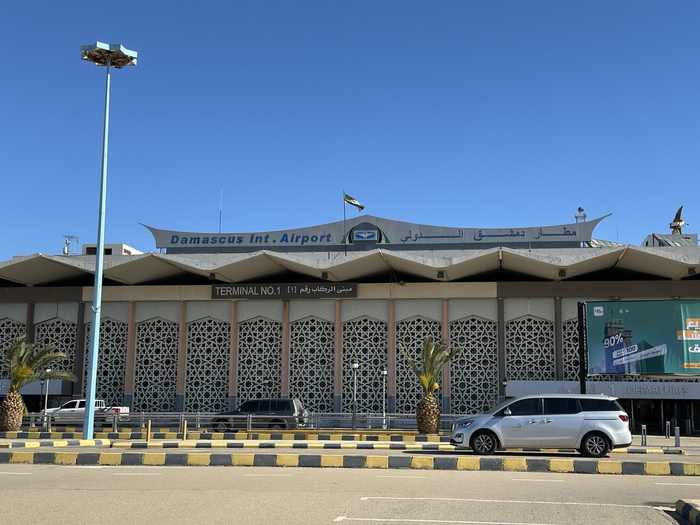
A carefully planned journey
The quotation will specify accommodation, transport, guiding, entrances and any additional specialist arrangements. The tour can be adapted for a particular historical period or a slower pace.
Do I need a background in archaeology?
No. We adjust the depth of interpretation to match your interests and familiarity with the subject.
Can we arrange specialist expertise?
We can explore a qualified archaeological specialist, academic conversation or specialist museum visit, subject to availability and permission.
Can every site be visited?
No. Some archaeological areas have changing access restrictions, so the final confirmed itinerary may use alternative stops.
What part of Syria’s history intrigues you most?
Tell us your dates, group size, preferred comfort level and whether you’re especially interested in Bronze Age kingdoms, Roman cities or medieval architecture.
Request itinerary and quotationContact Syrian Guides