
Syria Nowruz & Easter Expedition
From Nowruz fires in the Jazira to Easter lights and street celebrations in Damascus — one remarkable journey through Syria’s people, heritage and living traditions.
One Journey. Many Syrias.
This 13-day Syria group tour in March 2027 is built around two remarkable living moments: Nowruz on 21 March in northeast Syria and Easter Sunday on 28 March in Damascus. Between them, the journey crosses Old Damascus, Palmyra, the Euphrates, the Jazira, Aleppo, the Mediterranean mountains and coast, Krak des Chevaliers, Maaloula and Bosra.
Across the route you meet different colours of the Syrian fabric: Kurdish traditions during Nowruz, Assyrian and Syriac Christian communities in the northeast, Armenian heritage in Kassab and Qamishli, Bedouin hospitality around Palmyra, and the distinct identities of Damascus, Aleppo, the coast and southern Syria. Then, on the final full day, Damascus adds another living layer as the group returns from Bosra for Western-calendar Easter Sunday: scout bands, music, dancing, families in the streets and colourful lights after dark. The diversity appears naturally through homes, churches, souqs, food, languages, music and conversations — not as a checklist.
For travelers planning to travel to Syria or visit Syria in 2027, this is our most complete locally-run Syria experience.
Two Celebrations. One Journey.
Few Syria itineraries can place two major living traditions inside the same 13 days: Nowruz in the Jazira and Easter Sunday in Damascus. These are not performances added for tourists; they are moments when the communities we visit are marking something meaningful to them.
Spring, Fire & Kurdish Celebration in the Jazira
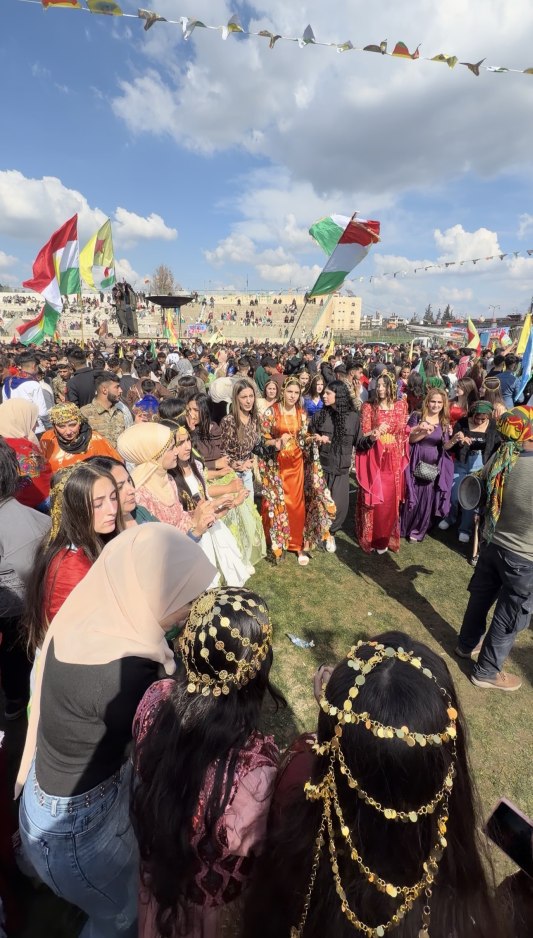
On 21 March the route is deliberately in northeast Syria so the group can experience Nowruz where the celebration belongs: among Kurdish communities, spring landscapes, music, dancing, family gatherings, food and the energy of a new year.
The exact gathering place stays flexible because the strongest experience will depend on local arrangements and where communities celebrate in 2027.
Easter Evening in Damascus — Scouts, Music & Lights
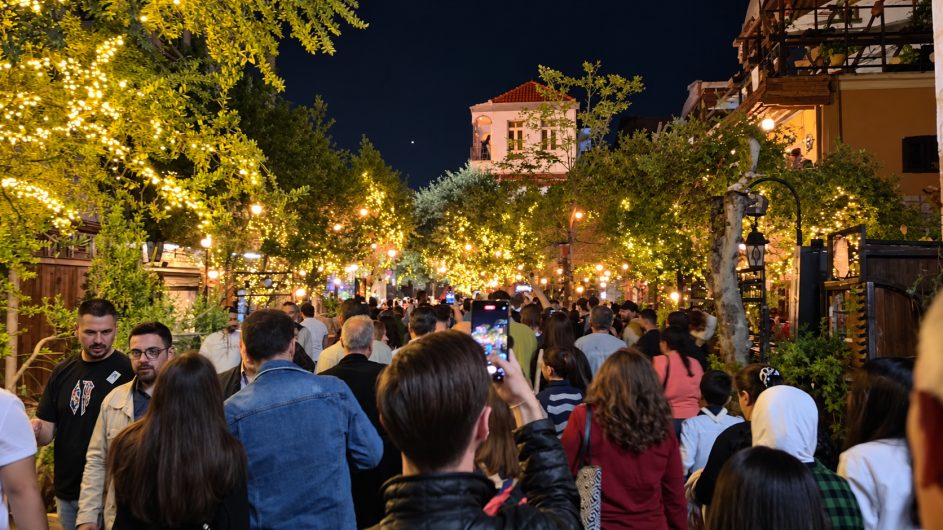
28 March 2027 is Western-calendar Easter Sunday. The day first travels south to Daraa and Bosra. After returning to Damascus in the late afternoon, we step into the city’s Easter evening atmosphere — scout bands and drums in the streets, music, dancing, families gathering, festive greetings and colourful lights after dark.
This is not planned as a formal liturgy or church-only visit. The focus is the celebration as it spills into public life: the energy of the scouts, neighbourhood gatherings, music, movement and a Damascus evening that feels festive, social and alive.
Why This Journey Is Different
Six reasons this 13-day journey goes far beyond a standard highlights tour of Syria.
Damascus, Palmyra, Aleppo, the Ancient Villages, Krak & Saladin Castle, and Bosra in one journey.
Celebrate Nowruz on 21 March in the Jazira, then return from Bosra for a vibrant Western-calendar Easter Sunday evening in Damascus on 28 March — two living traditions inside one 13-day journey.
Meet craftsmen, families, artists, storytellers, winemakers and residents whose lives give the monuments meaning.
Encounter Kurdish, Assyrian, Syriac, Armenian, Bedouin and other local traditions through people, homes, faiths, food and landscapes.
Daily lunch becomes part of the journey: restaurants, a Bedouin tent, family tables, Nowruz food and regional specialties.
Designed and operated directly by a Syrian team that lives here, works here and knows the people behind the route.
$2,190 Includes Almost Everything on the Ground
Twin-share accommodation is included. A private room is +$400 USD. Visa fees, international flights, most dinners, personal expenses and tips are not included.
Included in Your Tour
- Carefully selected heritage / 3–4★ hotels
- Breakfast every day
- Lunch every day
- All listed entrance fees
- Private air-conditioned transport
- Arrival & departure airport transfers — from/to Beirut Airport or Damascus Airport
- Licensed Syrian guide
- Tour leader
- Visa / entry assistance
- Travel insurance
More Included
- Dedicated pre-trip WhatsApp group
- Pre-tour online group meeting with travelers, guide, tour leader and Syrian Guides staff
- Digital Syria travel handbook
- 24/7 Syrian Guides support during the tour
- Wireless tour guide audio system — guide microphone/transmitter + personal receiver and earpiece for each traveler
- Local and family encounters
- Workshop / craft experiences
- Signature food experiences
- Jarjour winery visit and tasting
- Bottled water in the vehicle
The Journey, Clearly
13 days across Syria, organised into three distinct chapters — from Nowruz in the Jazira on 21 March to Easter Sunday in Damascus on 28 March, with the detailed itinerary below.
One Country. Many Communities.
The route changes character every few days. Rather than presenting Syria's diversity as a list, the journey lets you feel how language, food, faith, landscape and everyday life shift as we travel across the country.
Damascus & the Badia
Damascene artisans, old-city Christian and Muslim life, then Bedouin hospitality as the landscape opens toward Palmyra.
The Euphrates & the Jazira
Eastern Arab traditions, Kurdish Nowruz, Assyrian and Syriac communities — the most culturally layered part of the expedition.
Aleppo, Mediterranean & South
Aleppine urban culture, Armenian Kassab, coastal villages, southern Syrian stories and Easter Sunday evening in Damascus bring another change of rhythm before departure.
The route changes more than the scenery.
Meet communities whose languages, traditions and stories make each region feel distinct — while still part of the same Syrian fabric.
The People You’ll Meet
The scheduled monuments are only half the journey. The other half is the human mosaic of Syria: people from different regions, faiths, languages and traditions whose stories make the country understandable. These are some of the hosts and characters who give the expedition its personality. Encounters depend on availability and local circumstances, and spontaneous meetings often become just as memorable.
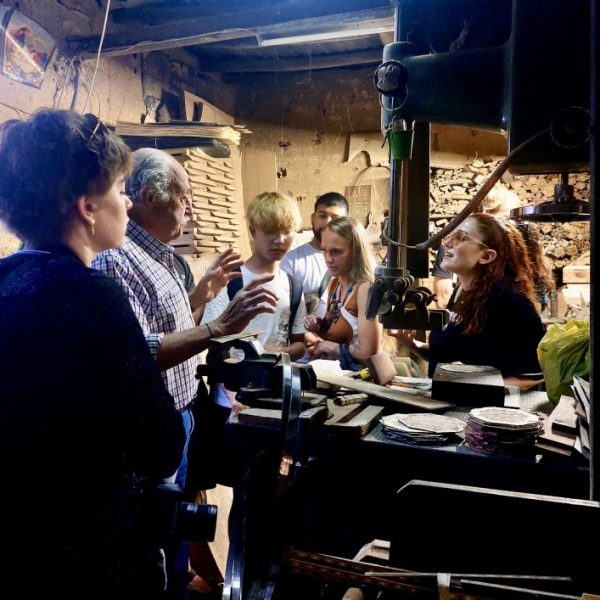
Abu Toni — Damascus Mosaic Master
More than five decades working with Damascene mosaic and mother-of-pearl, keeping a craft alive through his hands and workshop.
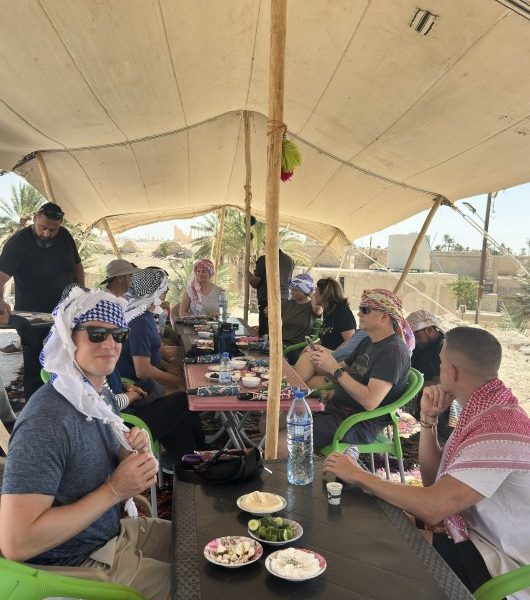
Your Bedouin Hosts — Palmyra
Arabic coffee, a tent, shared food and the small rituals of hospitality that connect Palmyra to living desert traditions.
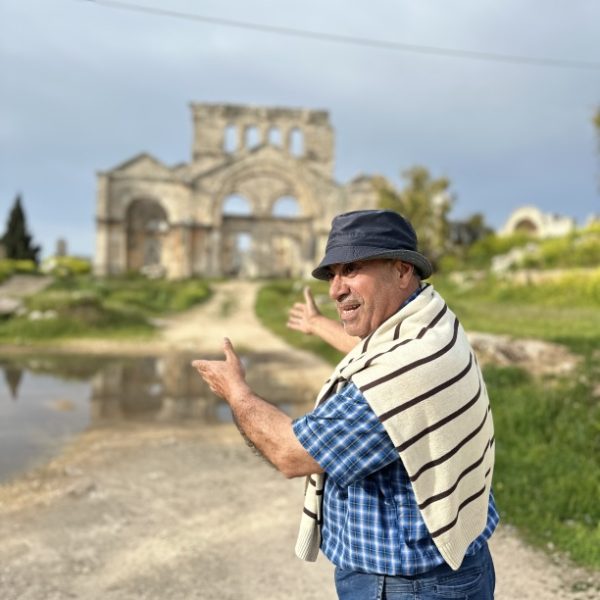
Abdul — Aleppo Storykeeper
A multilingual Aleppine guide in an artistic old-city home, with memories of the city before, during and after the war.
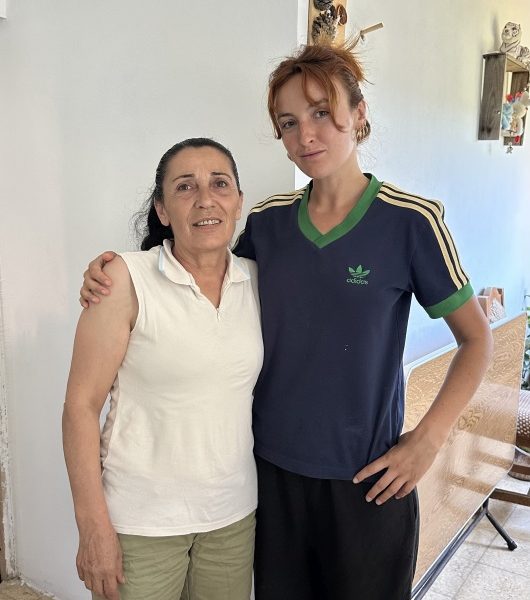
Inaam — A Table in Baeet
A home-cooked village lunch and a personal story of hardship, creativity, hospitality and the determination to keep going.
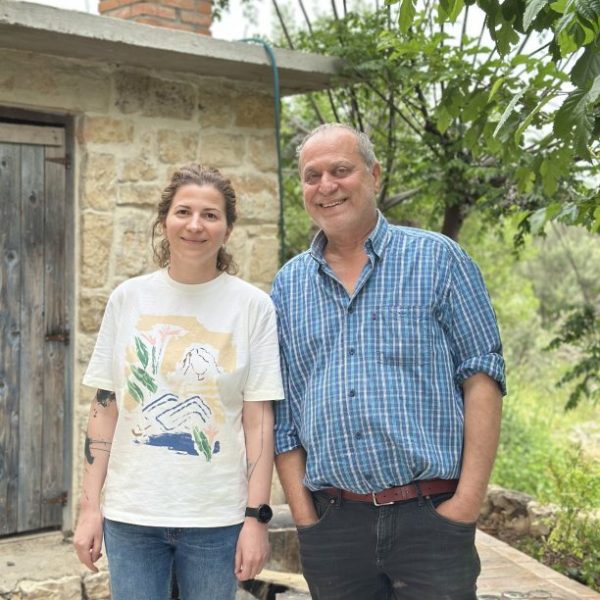
Yousef — The Winemaker
Inventive, obsessive about wine, and proud of his valley — including the unusual blue wine that makes Jarjour unforgettable.
And the Encounters We Cannot Schedule
Shopkeepers, artists, farmers, families, tea invitations and conversations that happen because we travel with time for people.
Pace & Practical Reality
Is This Tour for You?
A great fit if you: want the broadest possible first journey through Syria; enjoy history but care equally about contemporary life; are interested in communities, food, photography and conversation; or have visited Syria before but never reached the northeast.
Probably not your ideal tour if you: want resort-style luxury, dislike long road journeys, need a rigid 9-to-5 sightseeing schedule, or expect every day to run exactly as printed regardless of local conditions.
The reward for that flexibility is a journey that feels lived rather than staged.
What people say about us








Itinerary
Important: This is the planned route, not a rigid script. Site access, road conditions, weather, local permissions, opening days and the location or timing of Nowruz events or Easter community celebrations can change. Syrian Guides may adjust the order, replace a stop or adapt a day when needed. We will always explain changes clearly and aim to preserve the character and value of the journey.
CHAPTER I — DAMASCUS TO THE DESERT
Day 1 — 17 March
Beirut • Damascus • First Encounters in the Old City
Your journey begins on the road from Beirut, where the group meets for the first time and the landscape changes from Lebanon toward Damascus. Today is not about “covering” the capital; it is about arriving inside it.
- Meet near Beverly Beirut Hotel at 9:00 AM. The drive to Damascus, including the border crossing, normally takes around 3 hours, with Syrian Guides assisting throughout.
- Check into your Old City hotel, settle in, then gather for the welcome briefing: introductions, money, SIM cards, practical notes and the rhythm of the 13-day journey.
- Lunch is served after check-in and the briefing, giving everyone time to sit around the same table before exploring together.
- Walk gently through UNESCO-listed Old Damascus: Straight Street, Bab Sharqi, narrow residential lanes, small churches, hidden courtyards and the ordinary life that continues between ancient walls.
- Meet craftsmen and neighbours when the moment allows, and begin noticing Syria through people — bread ovens, shop doors, tea glasses and conversations — rather than only monuments.
- Finish at Nofara Café with the traditional hakawati storyteller, whose costume, gestures and dramatic voice turn an old Damascene café into a living theatre.
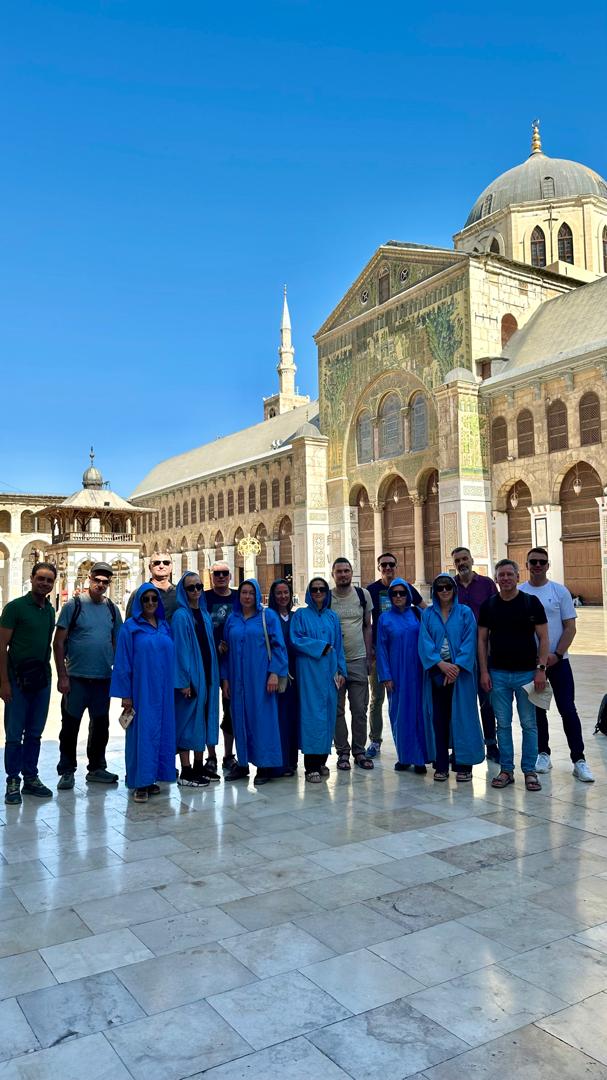
Day 2 — 18 March
Damascus • Monumental History, War Scars, Souqs & Crafts
The second Damascus day has a different purpose: to connect the capital’s grand history with its recent wounds, living faiths and the craftspeople who keep its identity alive.
- Drive through parts of Ghouta and Jobar for context on destruction, return and reconstruction before visiting the National Museum for the much longer story of Syria.
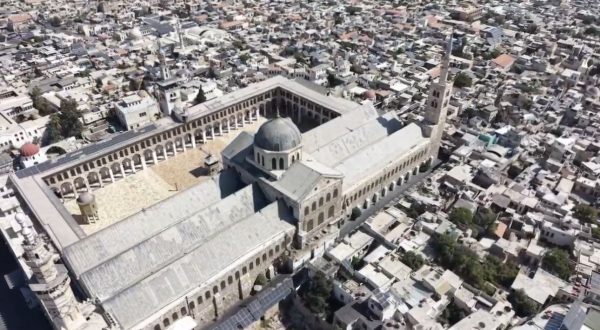
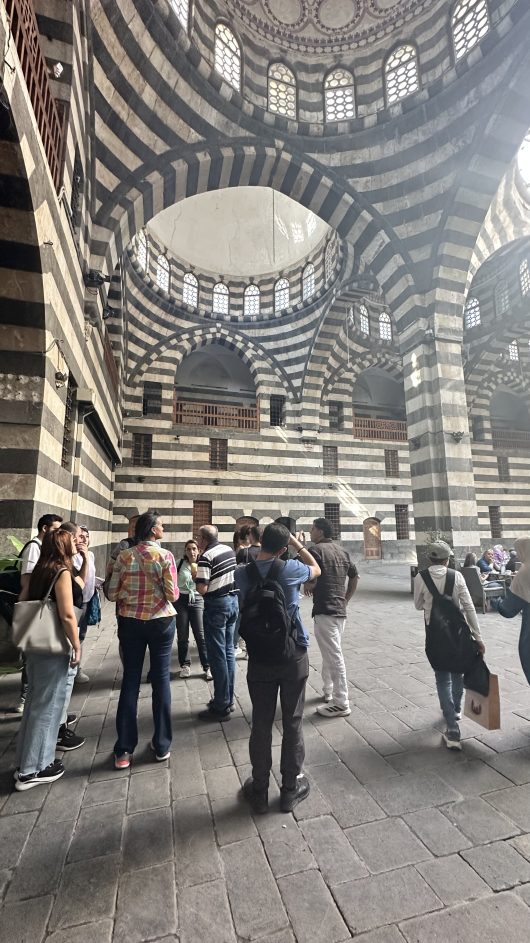
- Enter the Old City through Hamidiyah, visit the Umayyad Mosque, and move through Khan Asaad Pasha, Bzuriyeh and the surrounding merchant lanes.
- Meet Abu Toni, a master of Damascene mosaic for more than fifty years, and watch how tiny pieces of wood become a craft passed from one generation to another.
- Visit an Ajami painted-wood workshop when open and meet artists or craftspeople who continue one of Damascus’s most distinctive decorative traditions.
- Lunch is included, with the restaurant selected around the day’s route. Tea with a shopkeeper, a conversation with an artist or an unexpected invitation may become as memorable as the planned stops.
- End among rooftops, church bells, calls to prayer and evening cafés, with time to experience Damascus as a living city rather than a museum.
Day 3 — 19 March
Mar Musa • Palmyra • Monastery Steps & Bedouin Hospitality
This is one of the great transitions of the journey: from a monastery reached on foot in the mountains to the open Badia and one of the ancient world’s great caravan cities.
- Climb the stone approach to Mar Musa al-Habashi, where the landscape opens with every step and ancient frescoes wait inside the remote monastery.
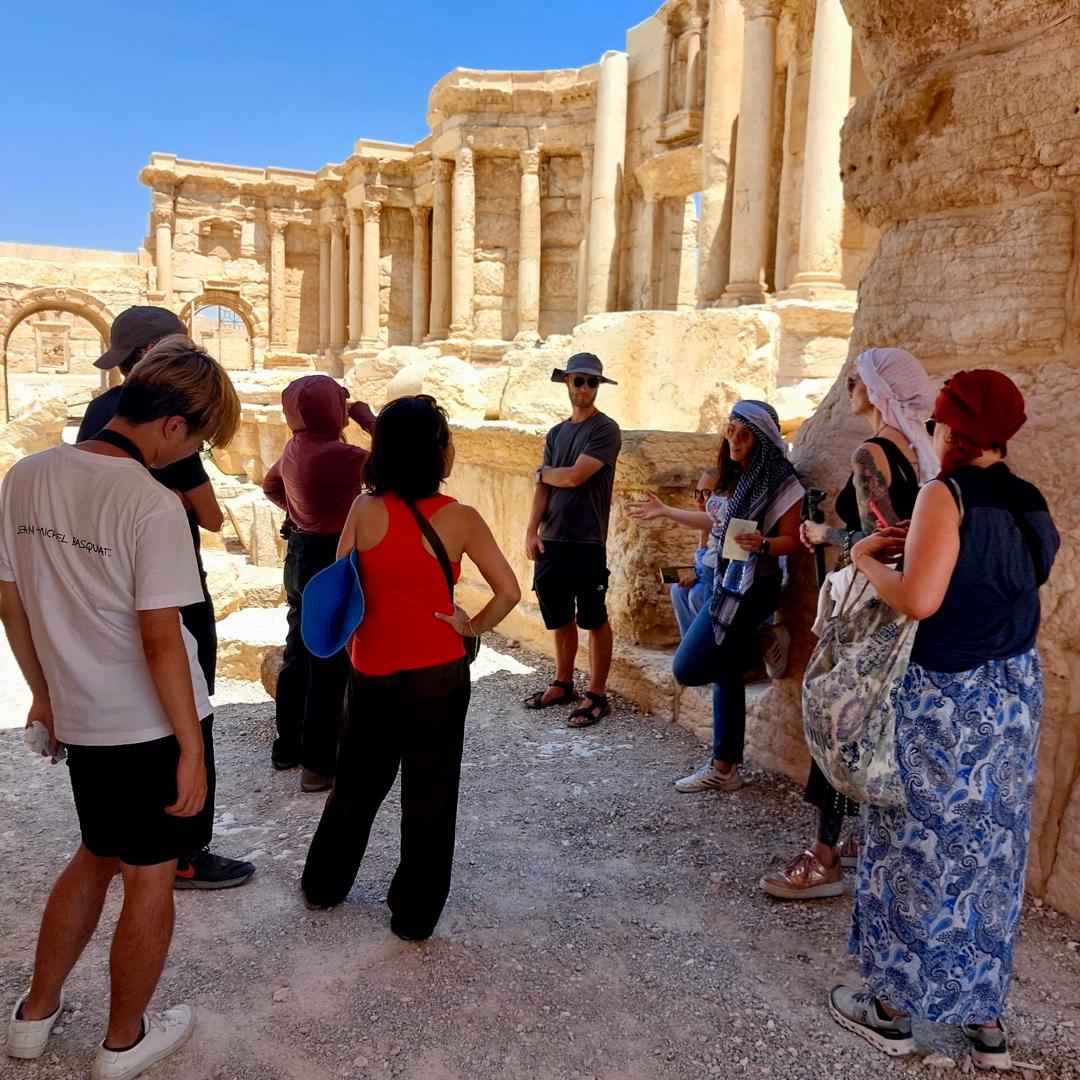
- Drive east as cultivated land gives way to desert, arriving at UNESCO-listed Palmyra and its monumental colonnades, temples and vast horizon.
- Hear Zenobia’s story alongside the much more recent story of destruction, loss and what Palmyra means to the families who still call the oasis home.
- Meet local hosts over bitter Arabic coffee, learning the small gestures and rituals that shape Bedouin hospitality.
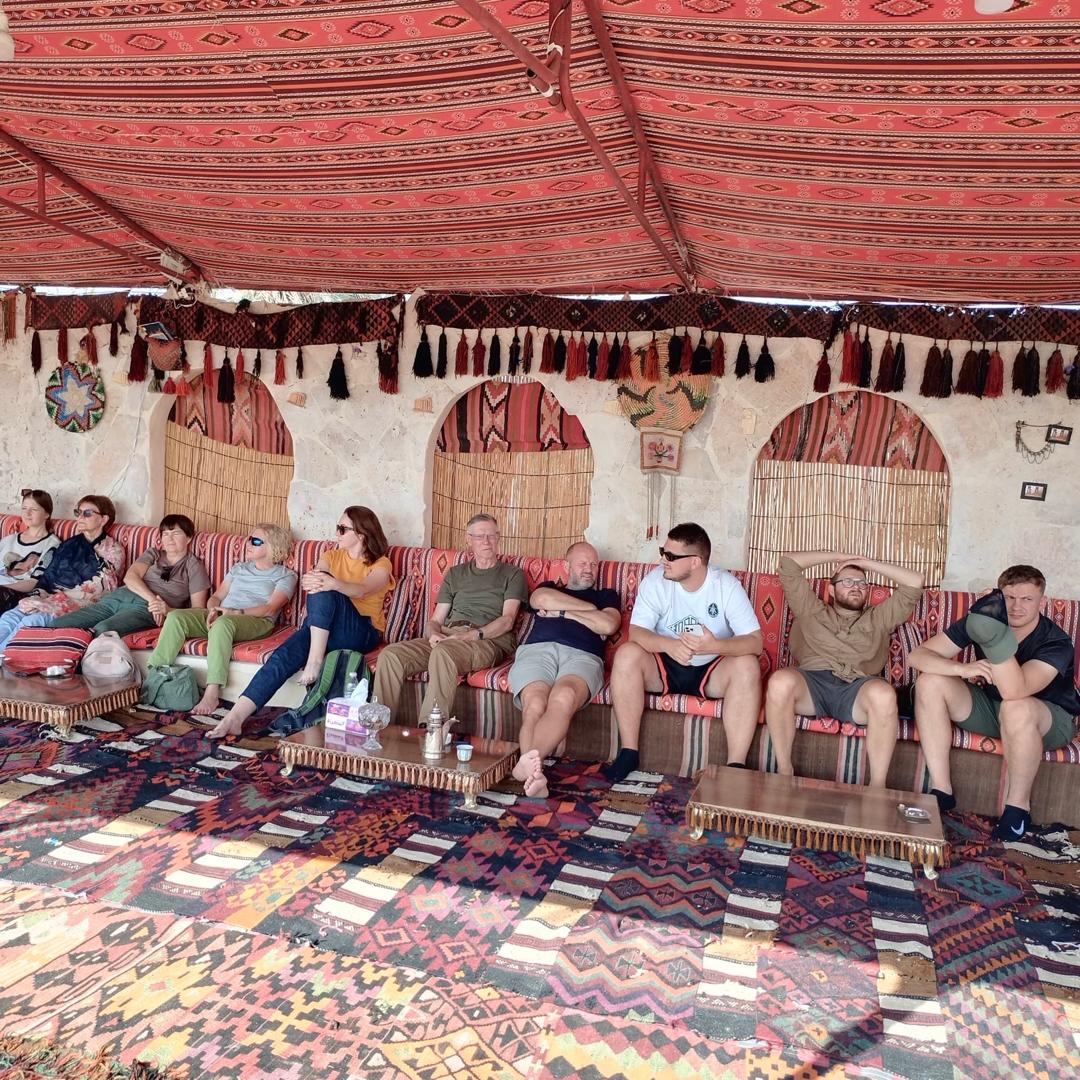
- Share lunch inside a Bedouin tent: cushions, food, tea and conversation, with enough time for the people of Palmyra to become part of the day rather than a backdrop to the ruins.
- Continue east through the Badia toward the Euphrates, leaving the classic tourist circuit behind.
CHAPTER II — THE EUPHRATES & NOWRUZ
Day 4 — 20 March
Palmyra • Deir ez-Zor • Dura-Europos • Mari • Hasakah
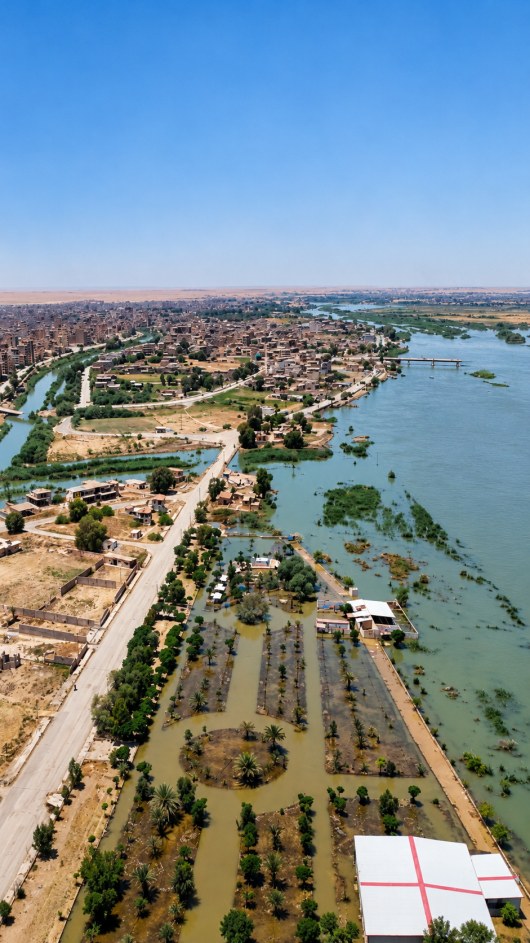
Today follows the Euphrates into one of the deepest layers of Syrian history, but it is also a day about the people of the east: strong family networks, tribal traditions, coffee rituals, war scars and communities rebuilding ordinary life around extraordinary ruins.
- Leave Palmyra after breakfast for the drive to Deir ez-Zor, usually around 2–2.5 hours depending on road conditions.
- Walk through the covered souq and spend time around the city and Euphrates, seeing both the eastern character of Deir ez-Zor and the very visible traces of years of war.
- If open and accessible, visit the Deir ez-Zor Museum. This visit will be reconfirmed closer to departure because opening and access can change.
- Lunch is included in the Deir ez-Zor area, with time for local flavours, strong Arabic coffee and encounters that help explain how life along the Euphrates differs from Damascus and western Syria.
- Continue downstream to Dura-Europos, an extraordinary city where Greek, Roman, Persian, Jewish and early Christian worlds once met on the Euphrates frontier.
- Travel onward to Mari, one of the great Bronze Age cities of Mesopotamia, and imagine the river as the highway that connected kingdoms long before modern borders existed.
- Turn north toward Hasakah, approximately two hours depending on the final route, and check in at Yozarsef Hotel.
- Visit Mar George Church and discover part of Hasakah’s Christian and handicraft traditions, including local carpet weaving when the craft visit can be arranged.
This is a long, ambitious eastern-Syria day. The exact order of Dura-Europos, Mari, Deir ez-Zor and the Hasakah arrival may be adapted to road conditions, permissions, opening times and daylight.
Day 5 — 21 March
Ain Diwar • Nowruz • Qamishli • Tell Wardiyat • Hasakah
This is the cultural heart of the expedition: a journey into Syria’s far northeast when the Jazira is green with spring and Nowruz brings families outdoors. In a single day, Kurdish celebration, Syriac Christianity, Assyrian village life and the borderland landscapes of the Tigris region come together.
- Leave Hasakah early for the roughly three-hour drive toward Ain Diwar, watching the dry landscapes of the previous days give way to green fields and broad spring scenery.
- Explore Ain Diwar, including the historic Roman Arch and the dramatic far-northeastern landscape close to the Tigris region.
- Visit Barbita Church and encounter another strand of the Christian heritage that has survived for generations in the Jazira.
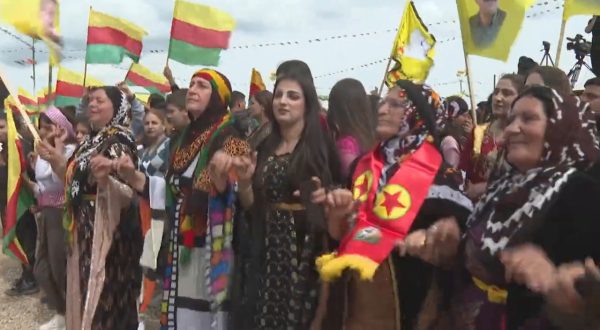
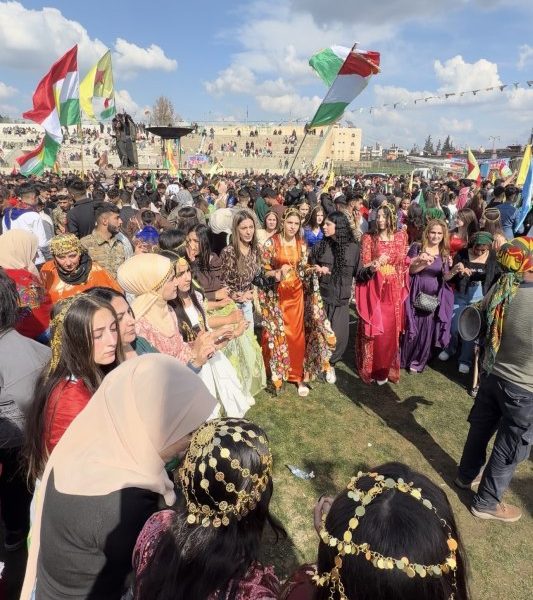
- Join the Nowruz celebrations in the area: music, dancing, traditional clothing, family picnics, tea, fires and the sense of spring becoming a shared public celebration. The exact gathering point and timing will follow the local programme.
- Lunch is included as part of the day’s local experience, arranged around the Nowruz celebration rather than forcing the festival into a restaurant timetable.
- Continue to Qamishli, walk through the city and its souqs, and visit the Virgin Mary Church while learning how Kurdish, Arab, Syriac/Assyrian and Armenian communities have shaped the city.
- Travel to Tell Wardiyat for an encounter with Assyrian village life and the stories of a community whose language, faith and identity form a distinctive part of northeast Syria.
- Return to Hasakah for a second overnight at Yozarsef Hotel after one of the most culturally diverse days of the journey.
Nowruz is a living celebration, not a staged show. Locations, timings, weather and community plans may change, so we keep this day flexible and follow the best local celebration available.
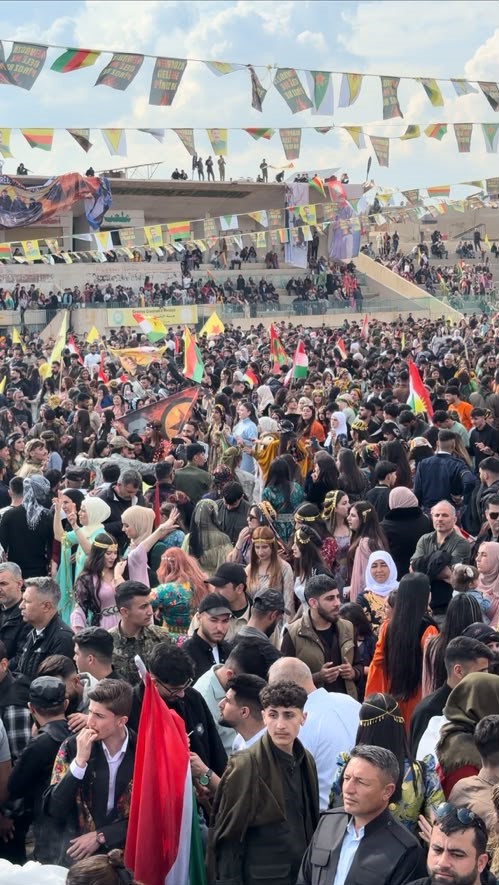
Nowruz in Northeast Syria
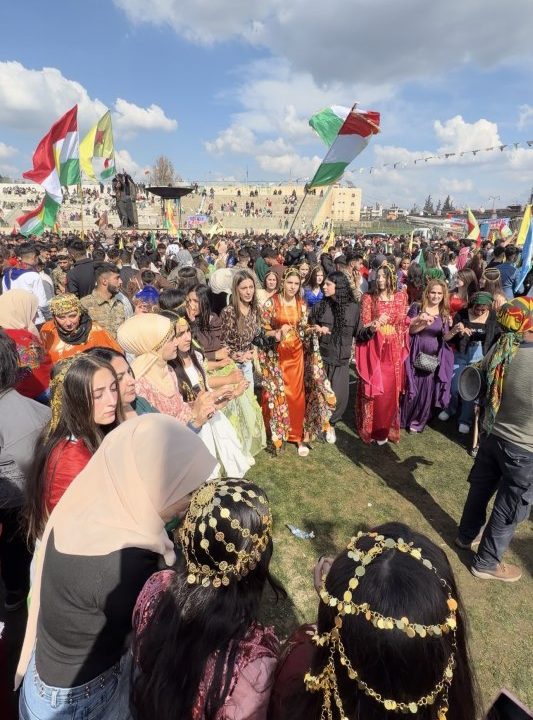
A glimpse of the atmosphere we are travelling to experience on 21 March — families outdoors, Kurdish dress, music, dancing, tea, food and the shared celebration of spring across the green Jazira.
Day 6 — 22 March
Resafa • Tabqa • Euphrates Dam • Jaabar Castle • Aleppo
Another substantial road day, but one of the most visually varied. We leave the far northeast, cross desert archaeology and then meet the modern Euphrates at the great dam and Lake Assad before climbing into a medieval castle above the water and continuing toward Aleppo.
- Leave Hasakah after breakfast and travel west toward Resafa, the remarkable desert city known historically as Sergiopolis, with fortified walls, churches, cisterns and monumental remains rising from an empty landscape.
- Continue toward Tabqa and the Euphrates, where the story shifts from ancient caravan and pilgrimage routes to modern engineering and the huge reservoir of Lake Assad.
- See the Euphrates Dam / Tabqa Dam area as access allows. Because this is strategic infrastructure, stopping points, photography and proximity will follow local instructions on the day.
- Lunch is included on the route, timed around the long journey so that the group still has enough daylight and energy for the Euphrates landscapes.
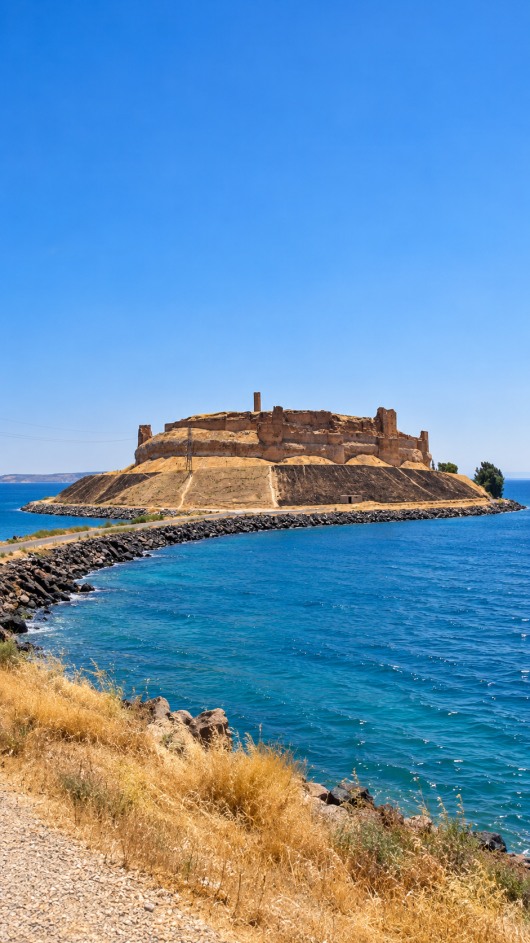
- Continue to Jaabar Castle, dramatically surrounded by Lake Assad. Walk through the fortress and look across the water at one of the most unexpected landscapes in the itinerary.
- Use the journey itself to understand how the Euphrates connects ancient settlements, modern agriculture, hydroelectric power, villages, war and today’s attempts to rebuild normal life.
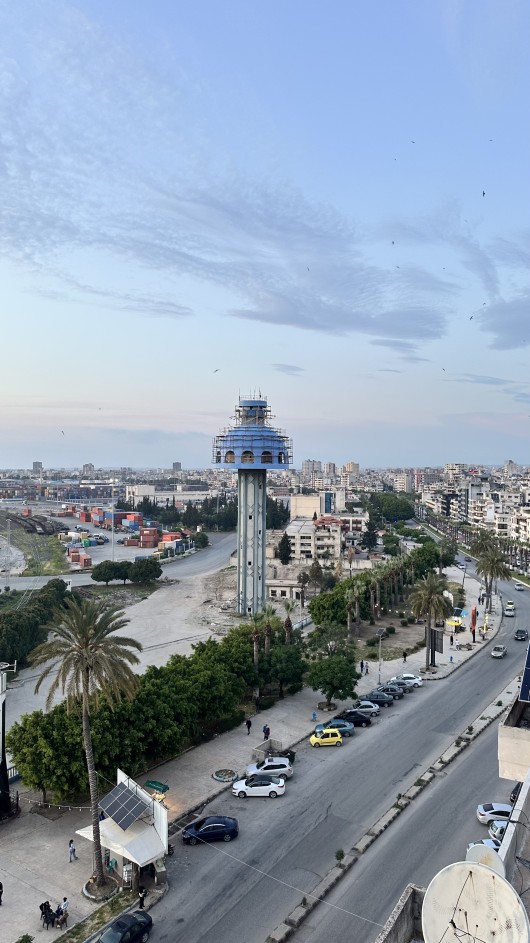
- Continue west to Aleppo, arriving for the evening and a complete change of atmosphere: stone lanes, food, markets and one of the world’s great historic cities.
Day 6 is one of the longest travel days. The order of Resafa, Tabqa, the dam and Jaabar may be adjusted according to road conditions, security instructions, access and daylight.
CHAPTER III — ALEPPO, THE MEDITERRANEAN & THE SOUTH
Day 7 — 23 March
Saint Simeon • Aleppo • Abdul and the Memory of a City
Aleppo is experienced through architecture, food and memory — especially through people who stayed, reopened, restored and kept telling the city’s stories when much of the world knew Aleppo only through war.
- Visit the monumental Monastery of Saint Simeon Stylites, hearing how the ascetic on a pillar drew pilgrims from across the ancient world.
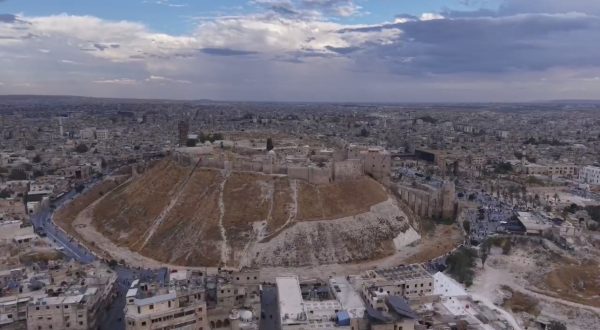
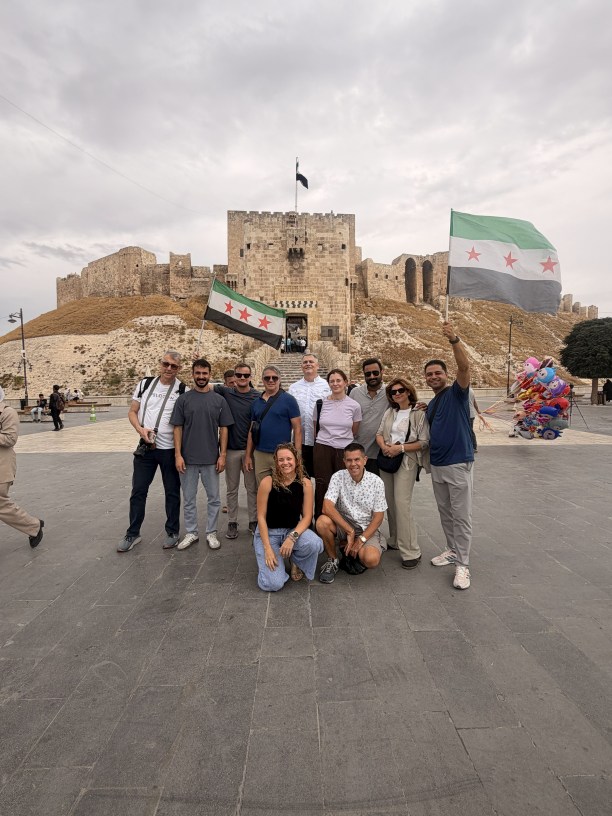
- Return to UNESCO-listed Old Aleppo, climb the Citadel and look across a city where restored roofs and wartime scars can still share the same view.
- Walk the souqs and old quarters among merchants, soap makers and craftspeople who reopened where families had worked for generations.
- Lunch is included in Aleppo, chosen to introduce the city’s food culture rather than simply interrupt the day.
- Meet Abdul for tea in his artistic old-city house. He speaks five languages, remained in Aleppo through the war years and remembers neighbourhoods, families, architecture and humour from inside the city’s changing story.
- Continue at street level through workshops and restored corners, leaving time for the unscripted conversations that make Aleppo feel personal.
Day 8 — 24 March
Dead Cities • Saladin Castle • Mountain Roads • Latakia
A visually rich day that moves from abandoned Byzantine villages to farming country, high mountain roads and one extraordinary fortress before descending to the Mediterranean.
- Visit one carefully chosen settlement within the UNESCO-listed Ancient Villages of Northern Syria, giving enough time to walk among stone homes, churches, tombs and olive presses rather than rushing through several ruins.
- Look beyond the archaeology to today’s countryside — farmers, roadside stalls and communities that have also lived through displacement and return.
- Lunch is included on the route, kept simple and well-timed so the landscape remains the focus.
- Continue to UNESCO-listed Saladin Castle, crossing the dramatic rock-cut approach and exploring the walls and viewpoints above the surrounding green mountains.
- Descend toward the coast as vegetation, air and light change almost completely from the landscapes of the previous days.
- Arrive in Latakia for a slower evening by the Mediterranean after one of the tour’s most concentrated heritage days.
Day 9 — 25 March
Samra • Kassab • Armenian Syria • A Slower Mediterranean Day
After several history-heavy and long-distance days, today deliberately slows down. Forest, mountains, Armenian culture, sea air and conversations replace the intensity of the previous chapter.
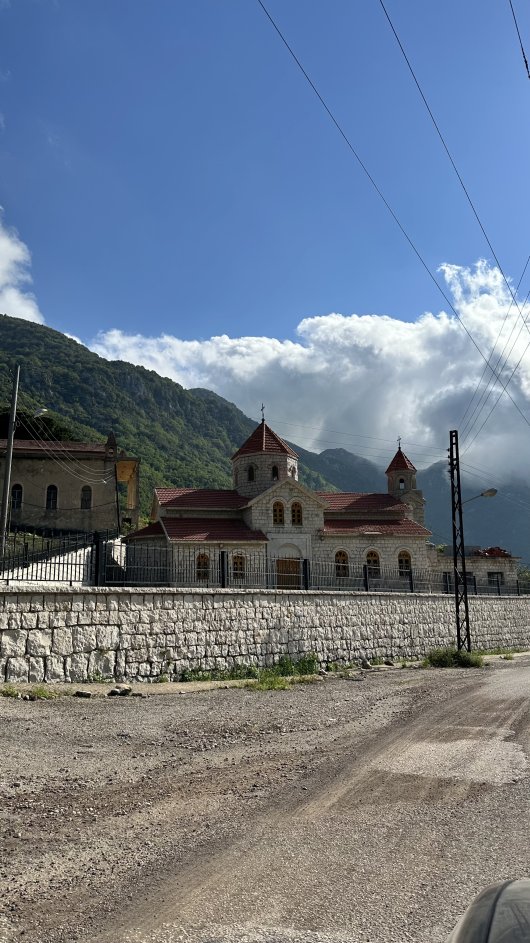
- Drive north through forested roads to Kassab, closely associated with Syria’s Armenian community.
- Walk its streets and churches while hearing how families preserved language, food, faith and identity across generations.
- Stop for coffee, tea or conversation when opportunities arise; the rhythm of a mountain town matters more today than collecting monuments.
- Lunch is included locally, with Armenian or regional flavours whenever available.
- Continue toward Samra and the northern Mediterranean landscape for viewpoints, village roads and the meeting of wooded slopes with the sea.
- Return to Latakia for a relaxed seafront evening among families, fishermen and cafés.
Day 10 — 26 March
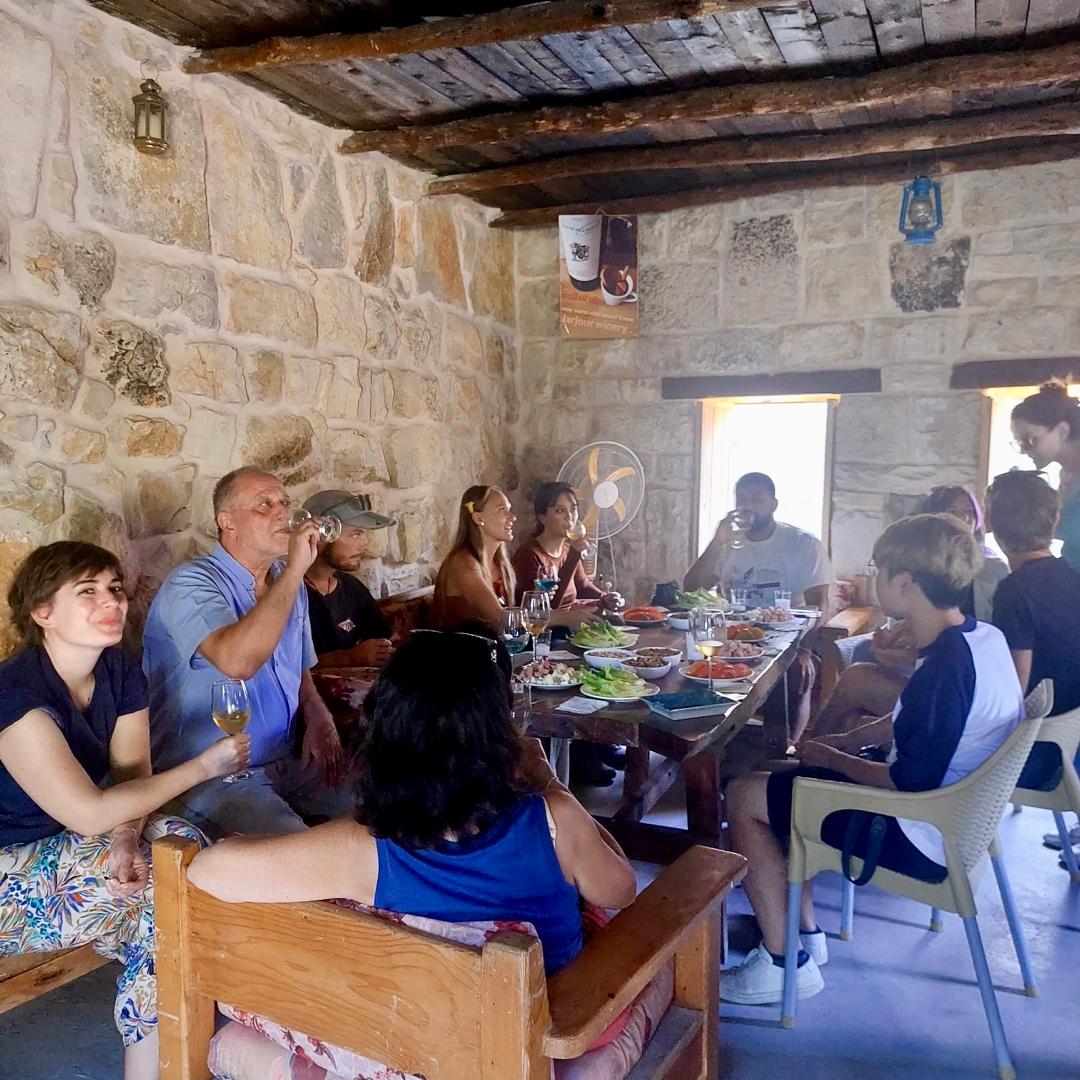
Tartus • Baeet • Lunch with Inaam • Jarjour Winery
One of the most personal days of the tour. Tartus opens the morning, but the heart of the day is two people in the countryside: Inaam around her family table and Yousef among his barrels.
- Follow the Mediterranean south to Tartus for its seafront and old quarter before turning inland toward the villages of Wadi al-Nasara.
- Arrive in Baeet and meet Inaam in the simple, creative village home she has shaped with care and personality.
- Share a home-cooked lunch with Inaam. Over the table, she shares parts of a life marked by tragedy, persistence, hospitality and hope — without turning her story into an exhibit.
- Continue to Jarjour Winery and meet Yousef, an inventive, intensely passionate winemaker who kept producing and experimenting through the war years.
- Walk through the winery, talk grapes, barrels and fermentation, and taste Soulaf wines, including the unusual blue wine when available.
- Overnight in Wadi al-Nasara, ending the day in the Christian-majority valley whose villages, food and personalities gave the afternoon its character.
Day 11 — 27 March
Krak des Chevaliers • Nabk • Maaloula • Damascus
Today connects a monumental fortress with one of Syria’s most intimate mountain towns, with a local lunch and Nabk’s famous sweet breaking the road naturally between them.
- Explore UNESCO-listed Krak des Chevaliers: halls, ramps, courtyards, defensive passages and broad views across Wadi al-Nasara.
- Continue east to Nabk for lunch, then taste the town’s famous hariseh, a syrupy semolina dessert finished with pistachio.
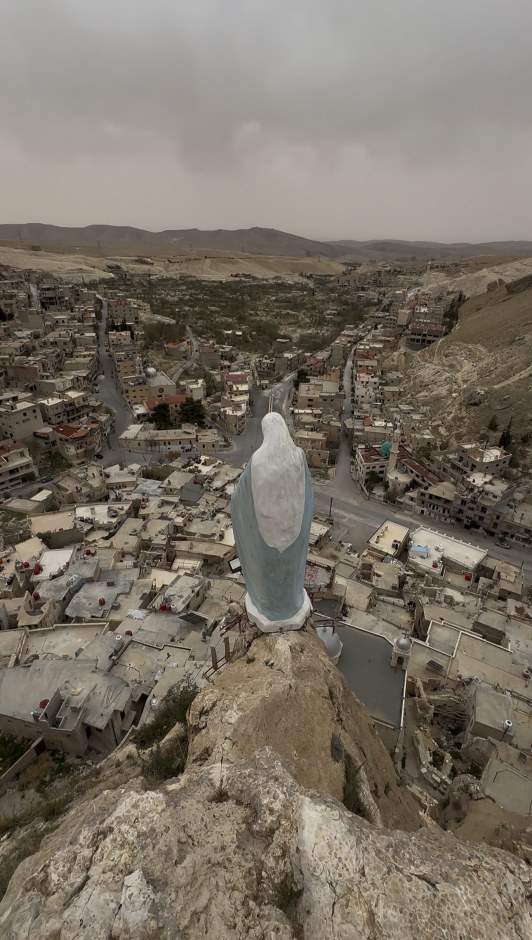
- Enter Maaloula, where houses seem to grow from the cliffs and narrow lanes, stairs and passages form an organic maze between homes and monasteries.
- Walk the village on foot, climb viewpoints and visit historic Christian sites while hearing about its Aramaic heritage.
- When local residents are available, listen to stories of leaving, returning, rebuilding and preserving traditions after the town’s wartime suffering.
- Return to Damascus for an Old City evening that should now feel very different from Day 1 — familiar after nearly two weeks of stories from across the country.
Day 12 — 28 March · Easter Sunday
Daraa • Bosra • Easter Evening in Damascus • Farewell Dinner
The final full day begins in southern Syria and finishes in one of the liveliest evenings of the journey. After the black-basalt streets of Bosra and the recent memories of Daraa, we return to Damascus as Easter celebrations move into the streets — scouts, drums, music, dancing, families and colourful lights changing the mood of the city after dark.
- Drive south through Daraa Governorate, the region where the 2011 Syrian uprising began, using the road journey to understand why this area became central to Syria’s recent history.
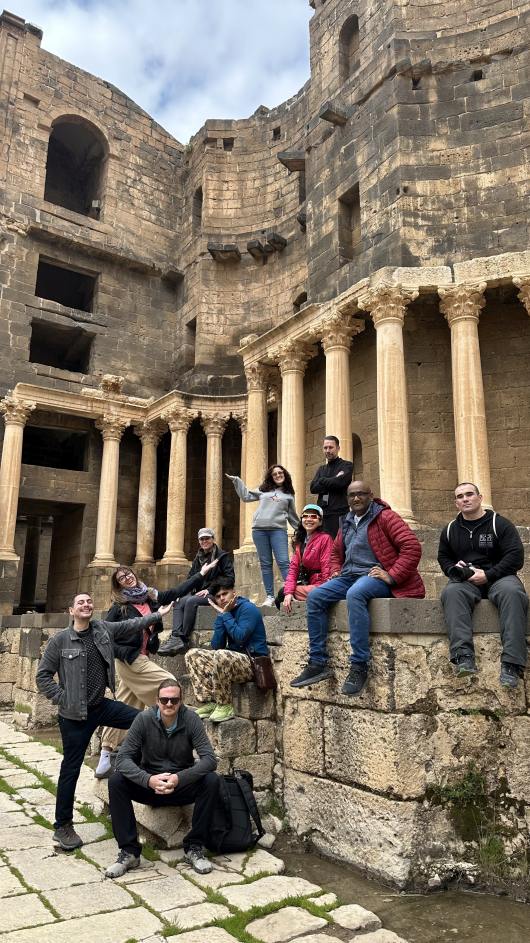
- Explore UNESCO-listed Bosra: the monumental Roman Theatre, fortress walls and black-basalt old town where homes, mosques, churches and archaeological remains overlap.
- Meet residents when circumstances allow and listen to firsthand memories of shelling, shortages, displacement, staying, returning and trying to make ordinary life work again.
- Lunch is included at a family restaurant near the Roman Theatre, where we sit down for a local meal before continuing the day in southern Syria.
- Return to Damascus in the late afternoon, as neighbourhoods and Christian quarters begin to take on the atmosphere of Easter Sunday evening.
- Experience the celebration in the streets rather than as a formal church programme: scout bands and drums, music, dancing, Easter greetings, families gathering and colourful lights after dark. The exact streets and scout routes depend on the local 2027 programme.
- Leave room for spontaneous moments — following the sound of a scout band, stopping where families gather, watching the lights come on and feeling a side of Damascus that only appears on special evenings like this.
- Gather for the farewell dinner, closing a journey that began with Nowruz in the Jazira and ends with Easter celebrations in Damascus.
Easter calendar note: 28 March 2027 is Easter Sunday for Western-calendar churches. Orthodox Easter falls later in 2027, so celebrations differ between Syrian Christian communities. The exact streets, scout routes, timings and community programme will be confirmed closer to departure.
Day 13 — 29 March
Damascus • Final Lunch • 2:00 PM Transfer to Beirut
The final morning stays deliberately easy: time to pack, return to a favourite lane and leave Syria without turning departure into another rushed sightseeing programme.
- Breakfast at the hotel, then free time for a final coffee, souvenir shopping or a short Old City walk.
- If you ordered crafts during the journey, use the morning to collect or carefully pack them.
- Have a quick local lunch before departure — shawarma, falafel or another simple Syrian favourite.
- At 2:00 PM, the group transfer leaves Damascus for Beirut, with Syrian Guides assisting through the border process.
- Arrival time in Beirut depends on border traffic and road conditions, so onward flights should be planned with a comfortable margin.
- The expedition ends with the faces behind the route still in mind: hosts, craftsmen, storytellers, families, artists, winemakers and people who made room for the group at their tables.
Can you imagine yourself on this route?
Where You’ll Stay
Comfort & Services
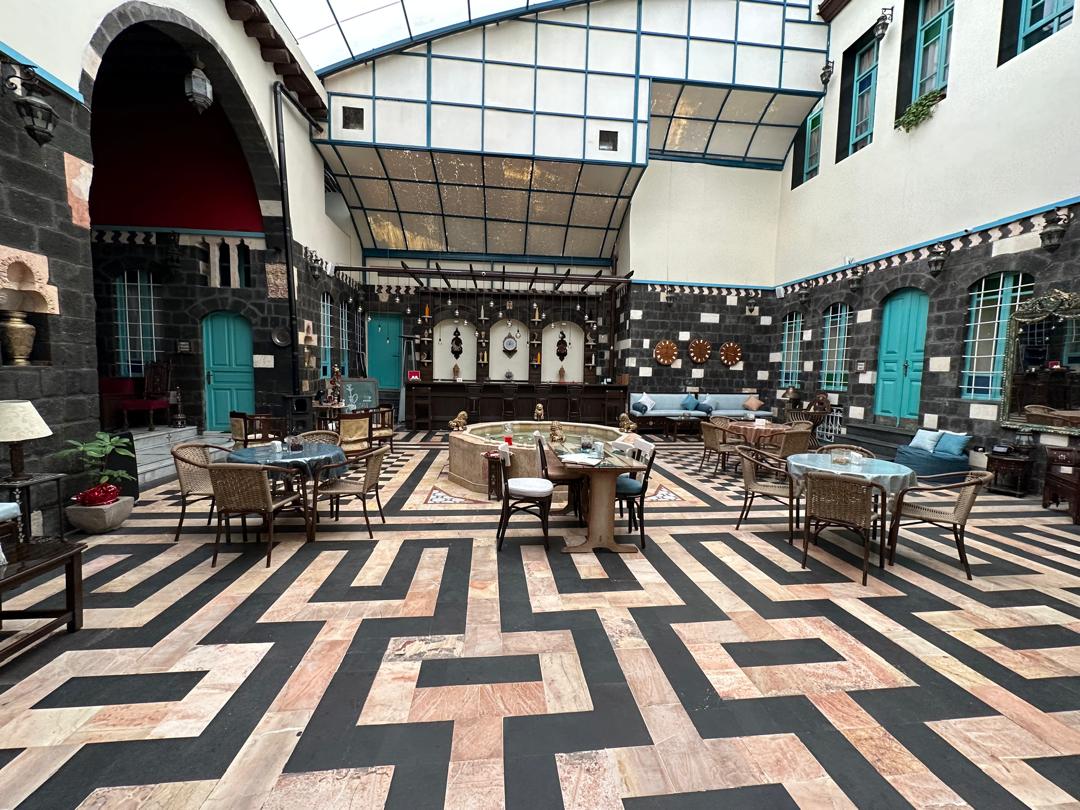
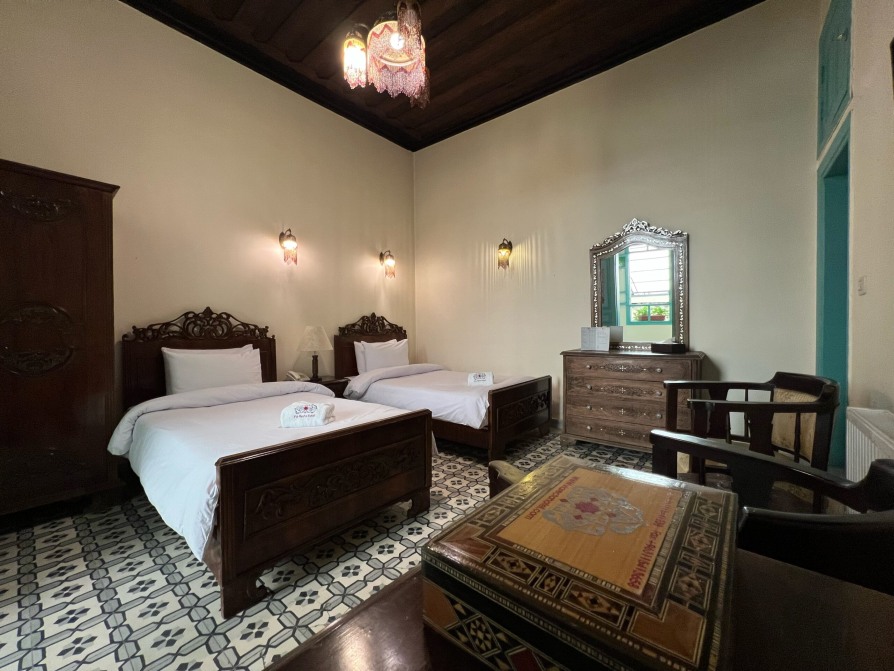
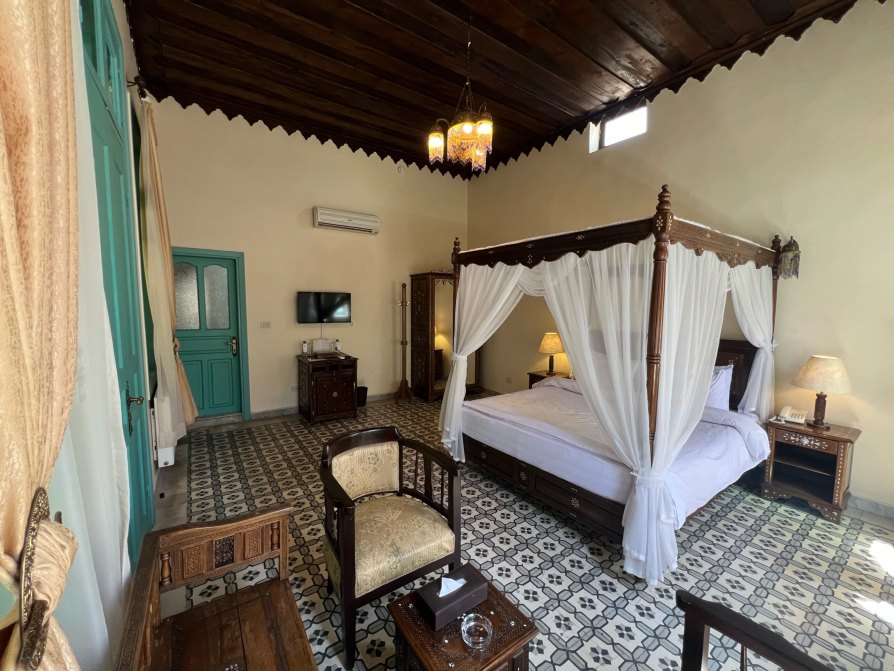
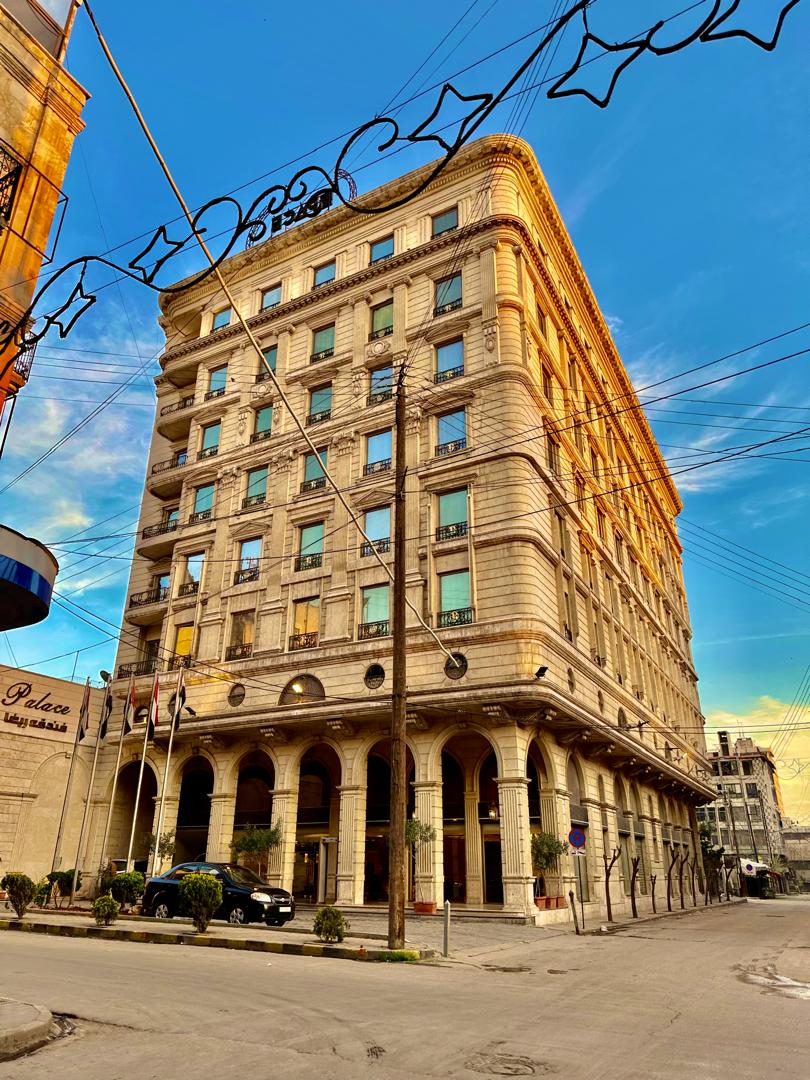
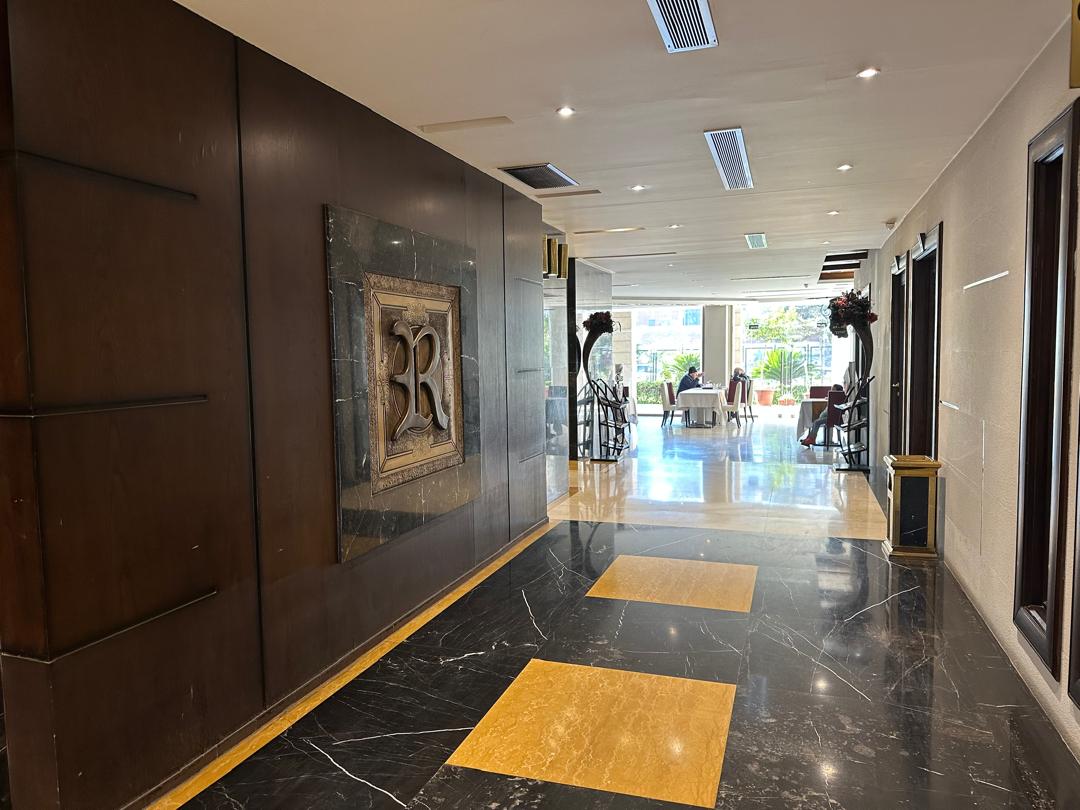
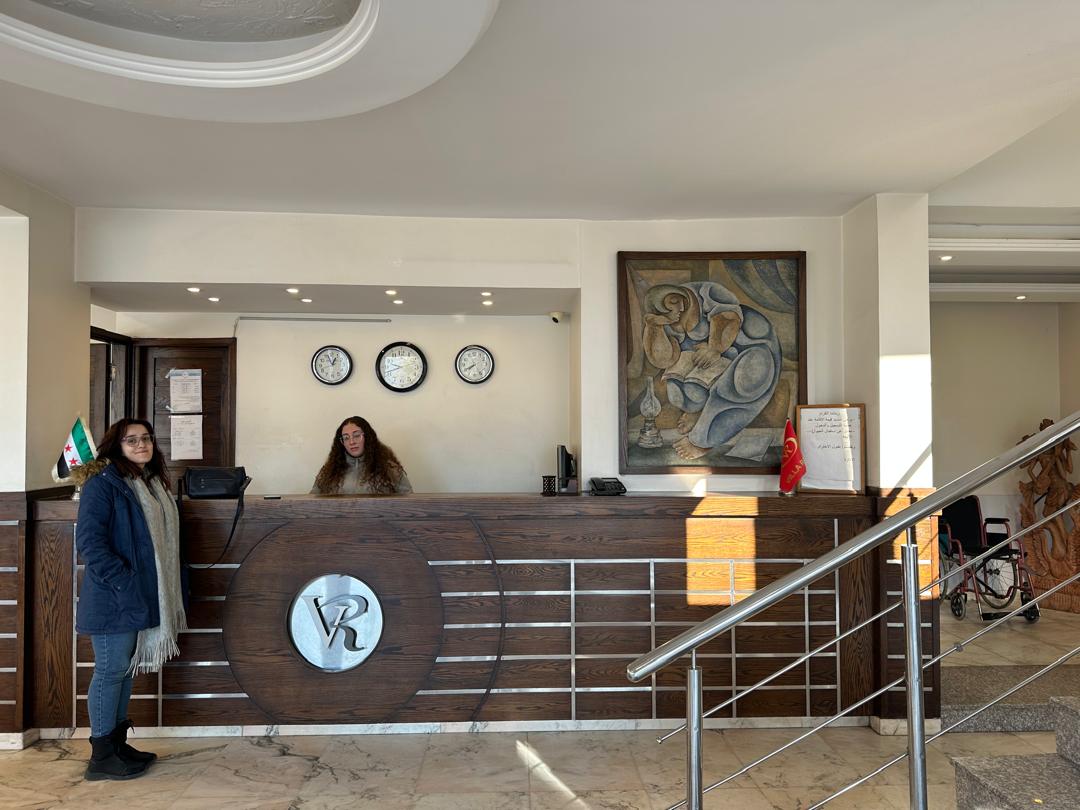
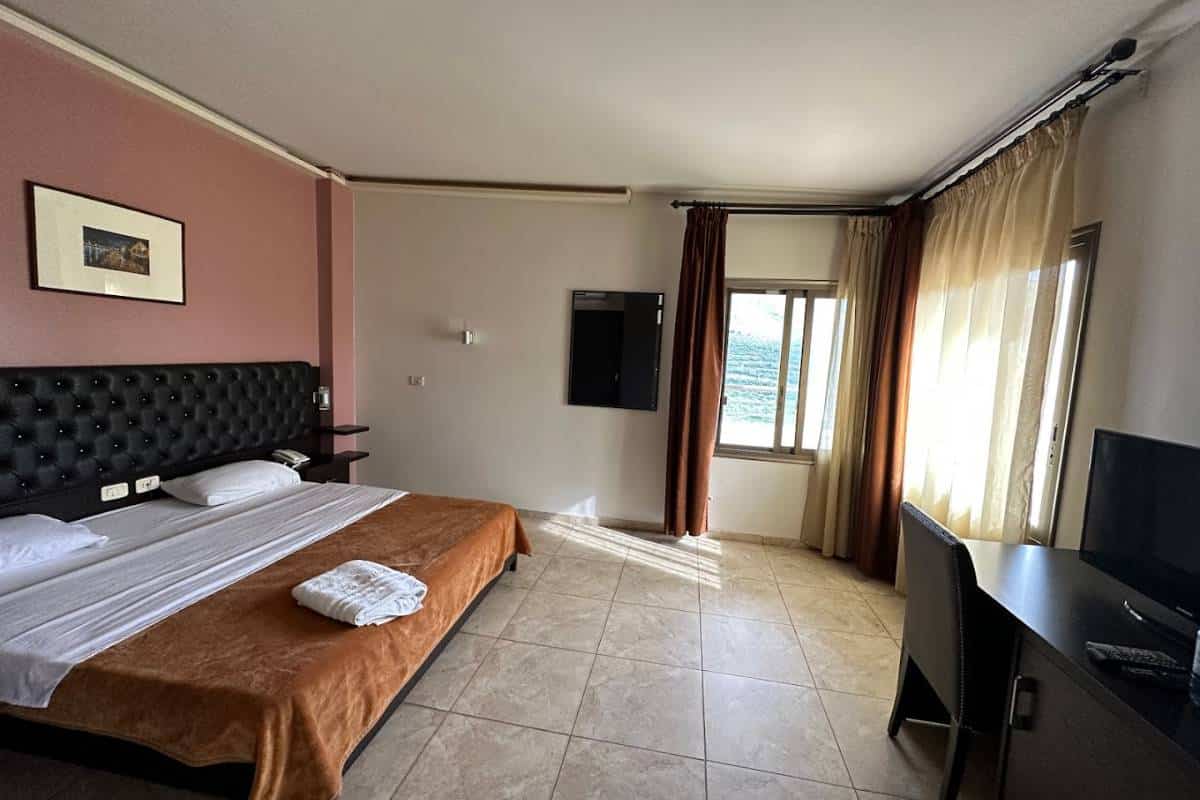
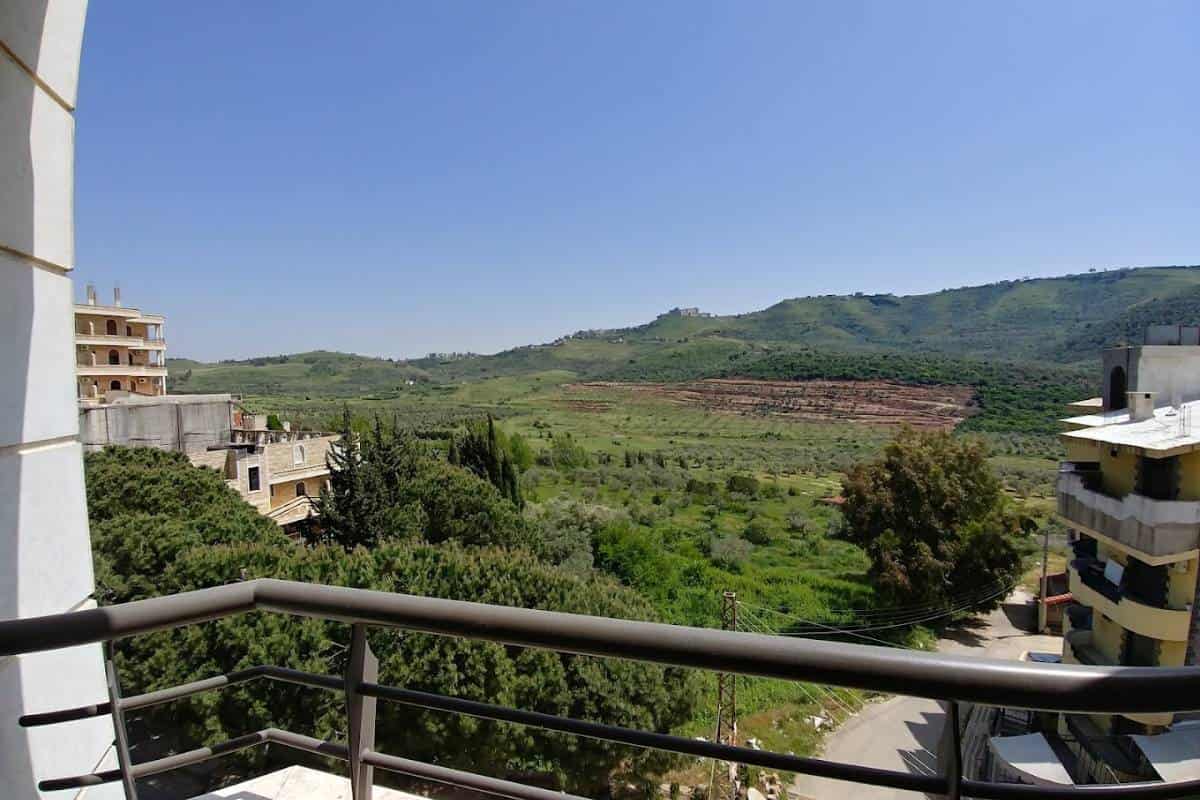
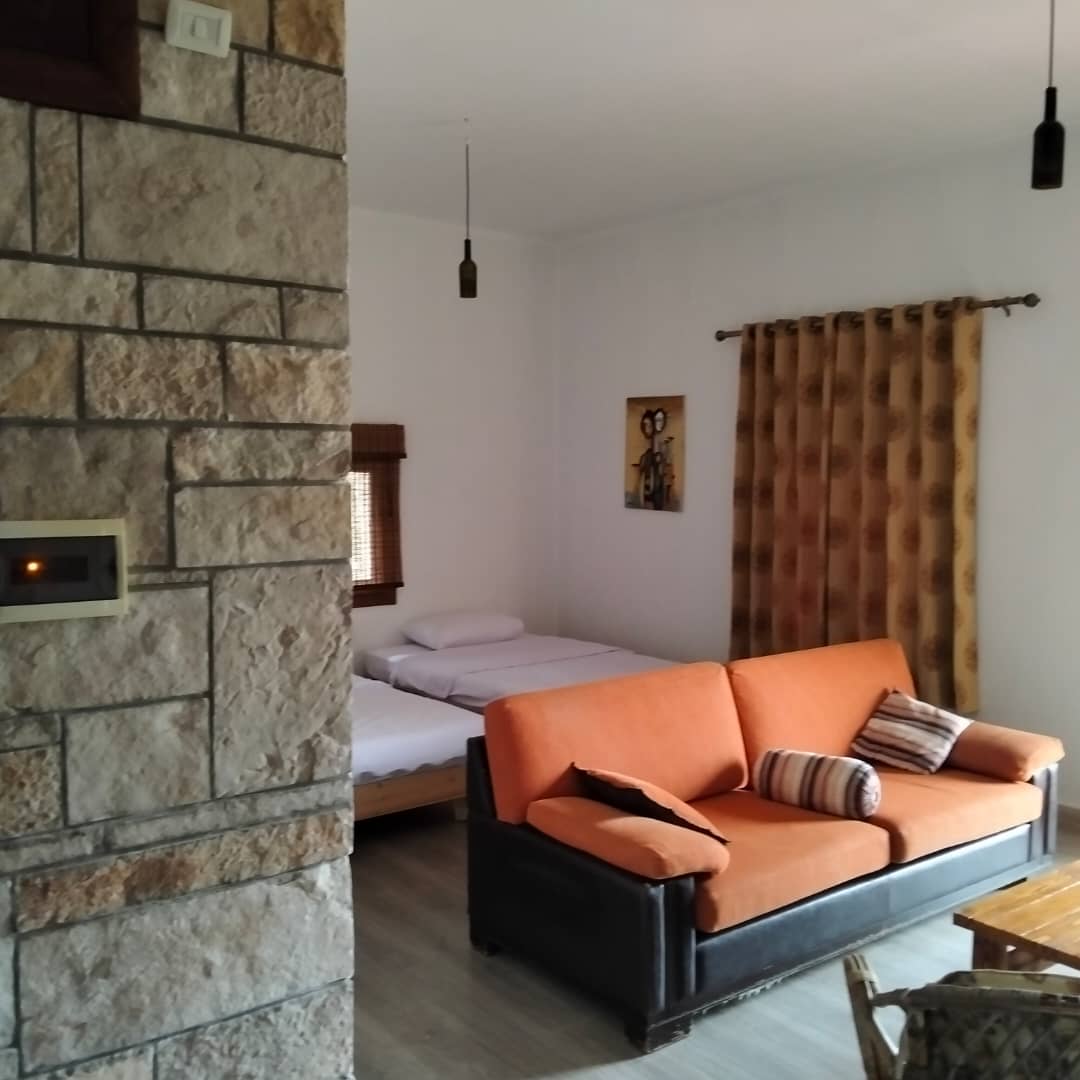
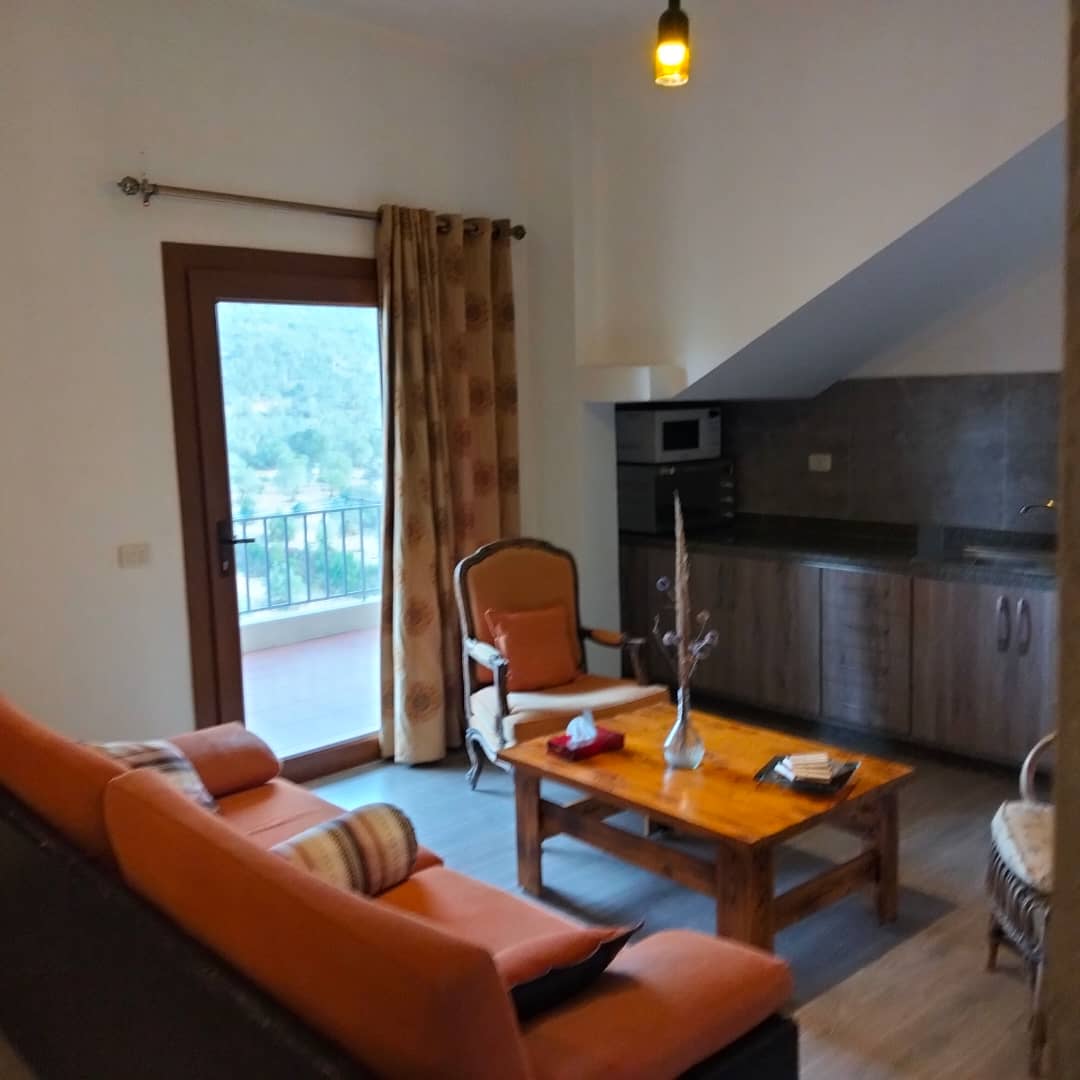
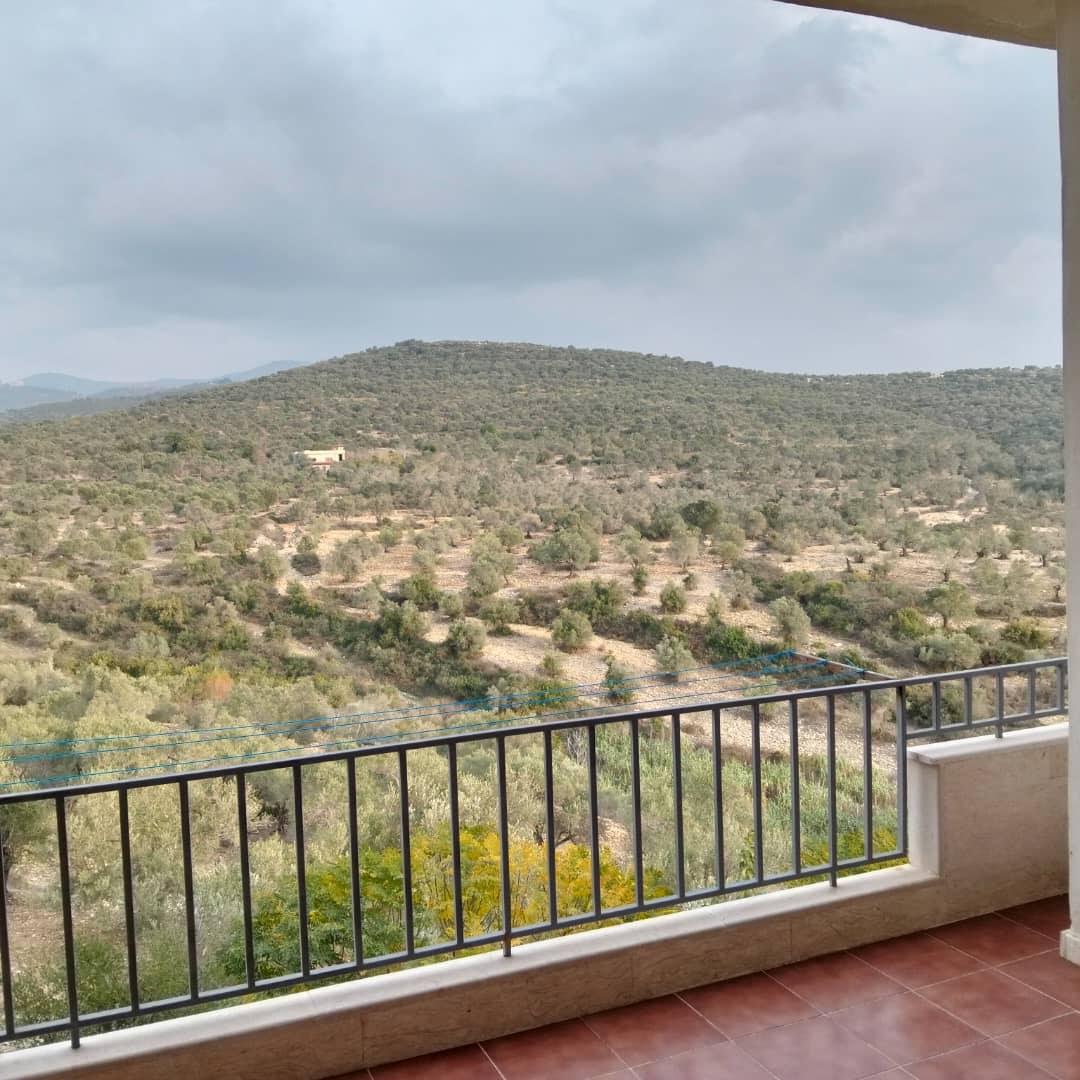
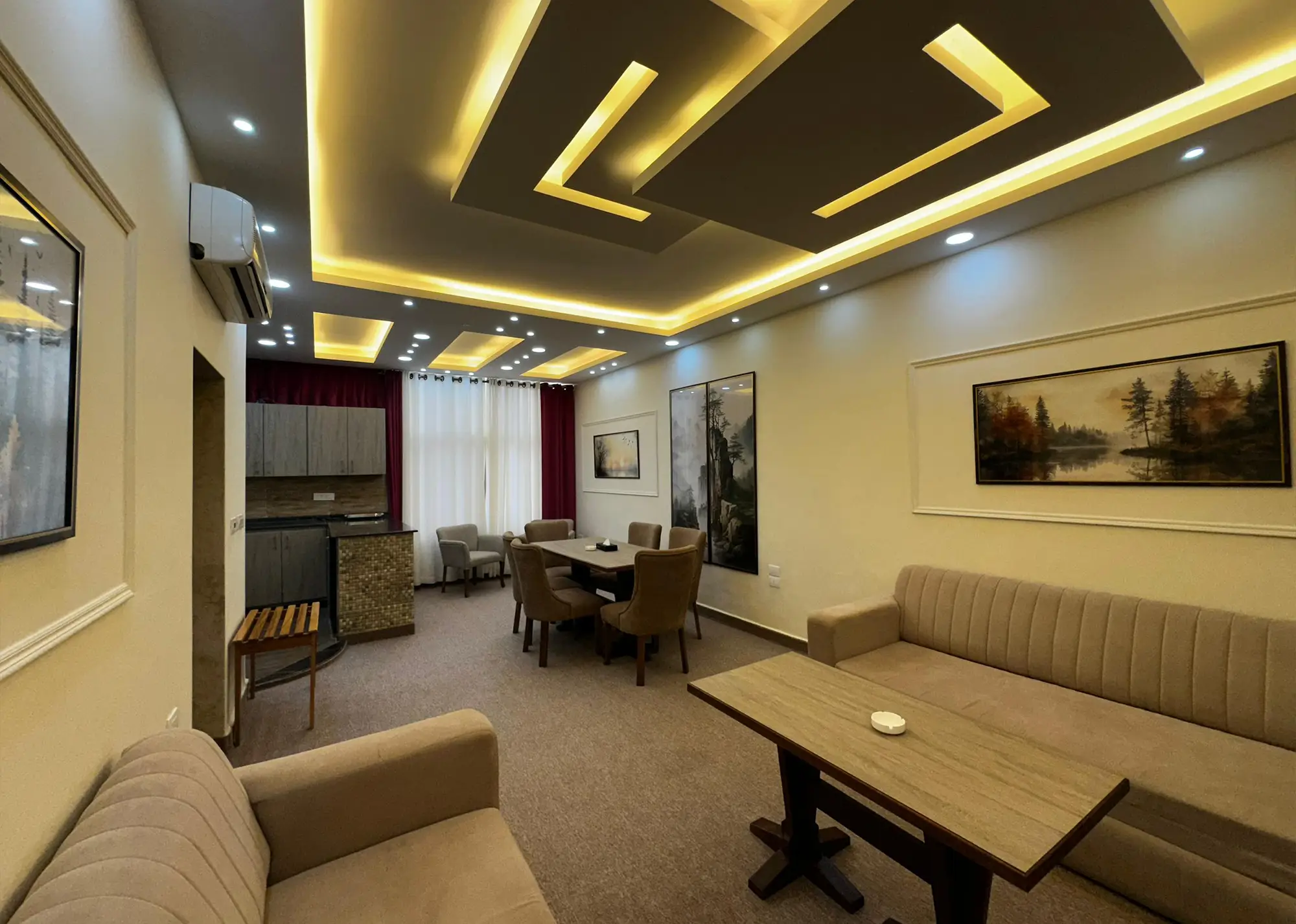
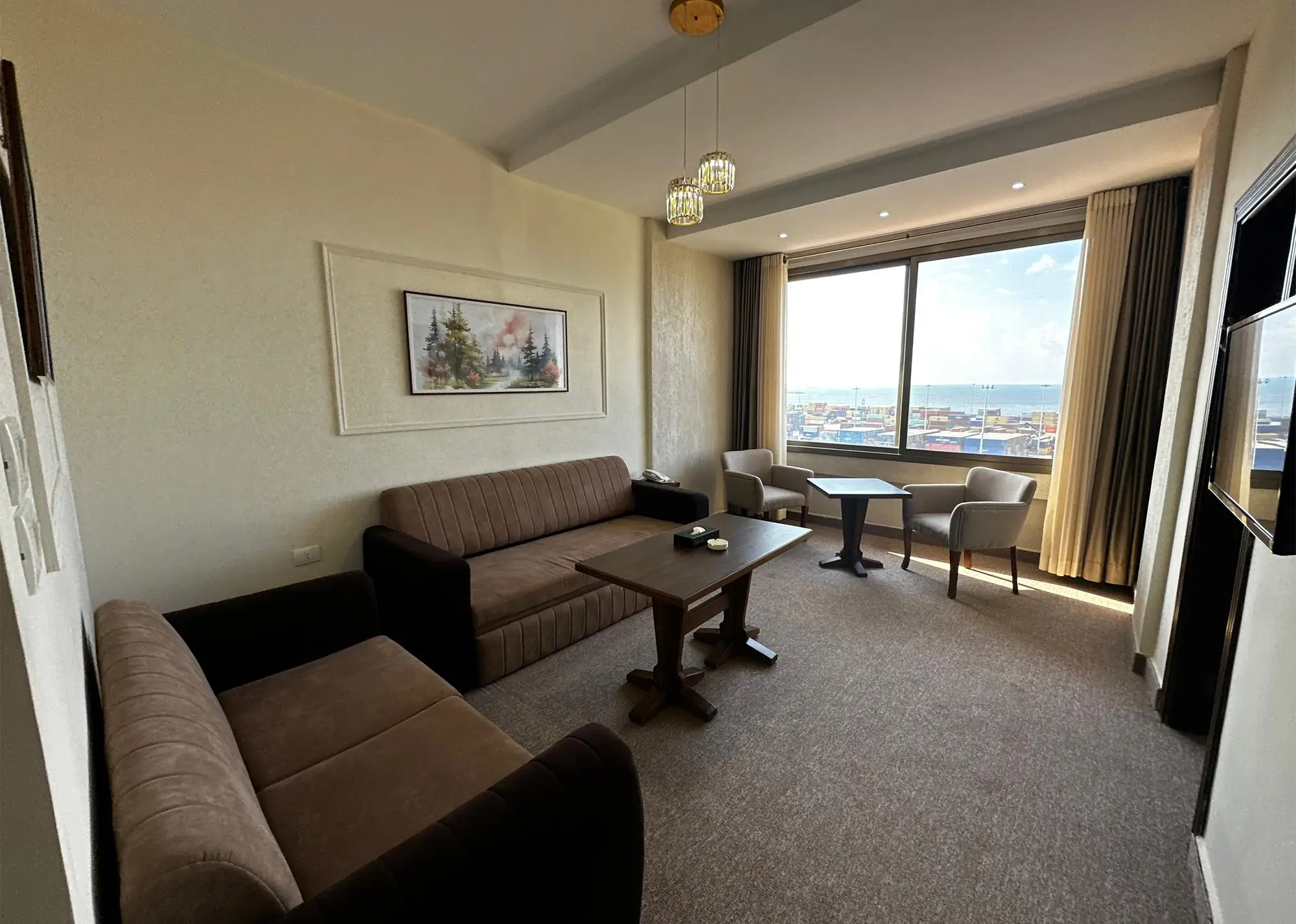
We choose heritage guesthouses and trusted 3–4★ local hotels for atmosphere, location and reliable comfort. Rooms are normally twin-share; a private room throughout the tour is +400 USD. The individual properties may change if operational conditions or availability require it, but we keep the same standard and character wherever possible.


Meals
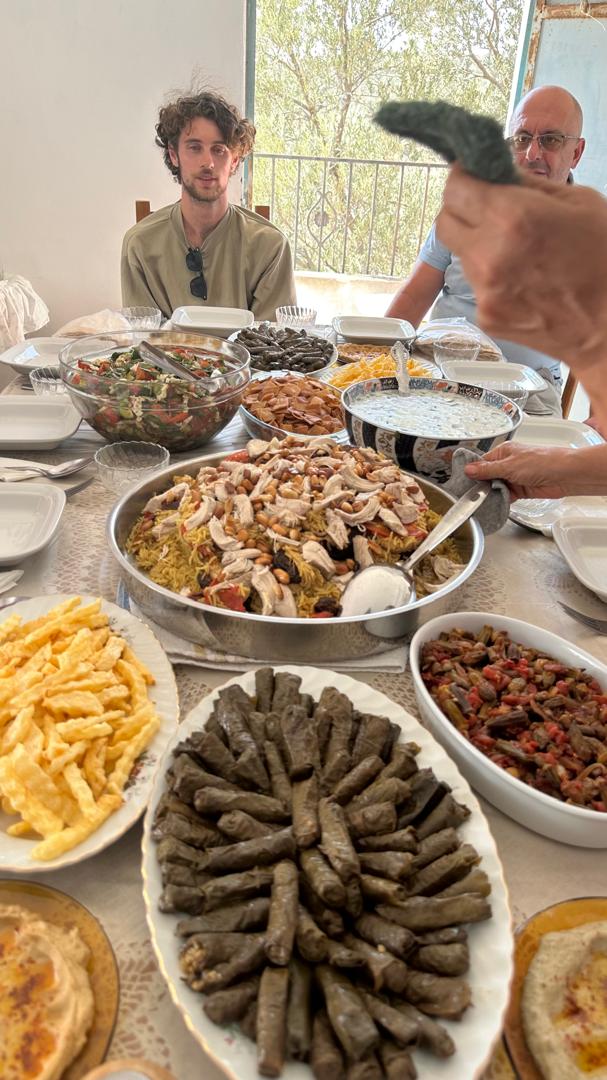
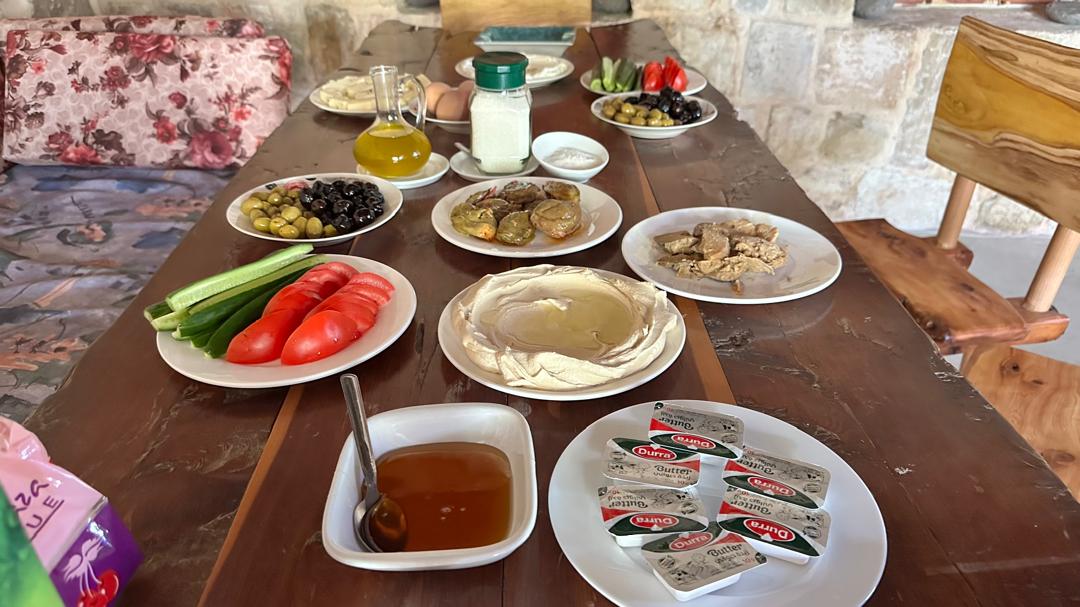
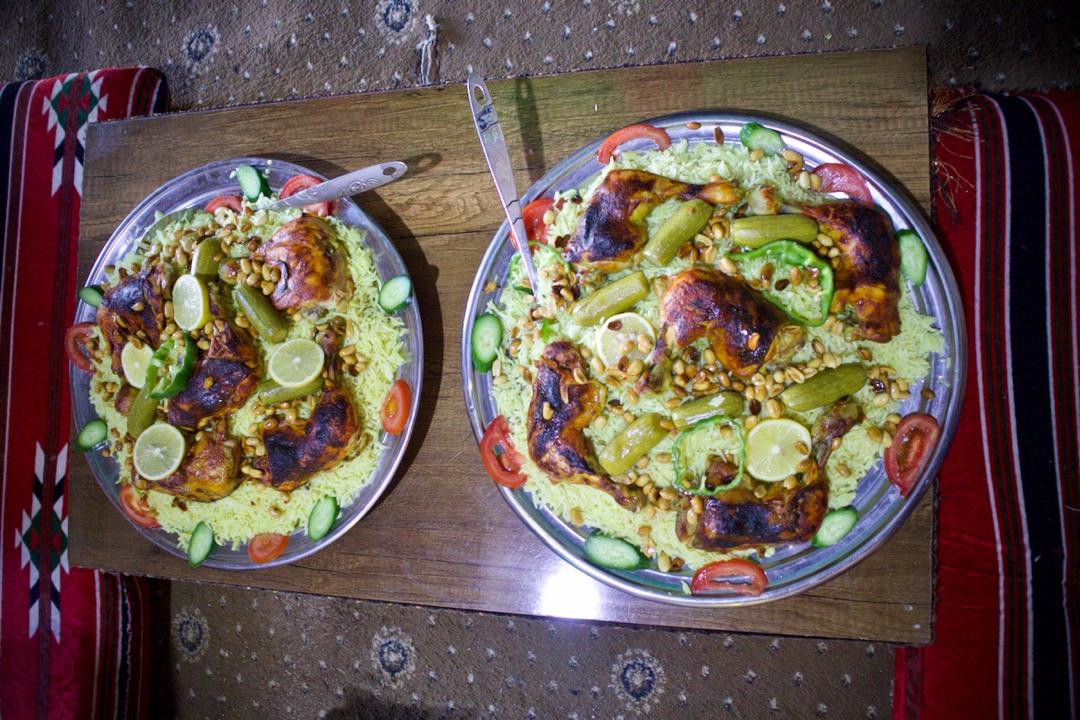
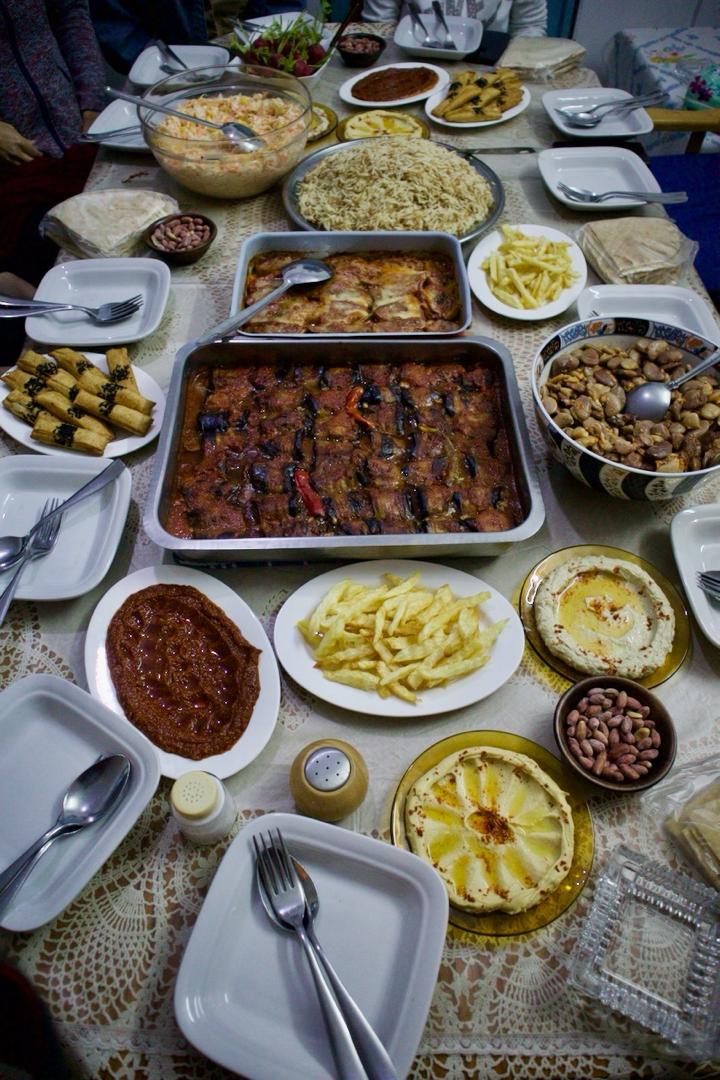
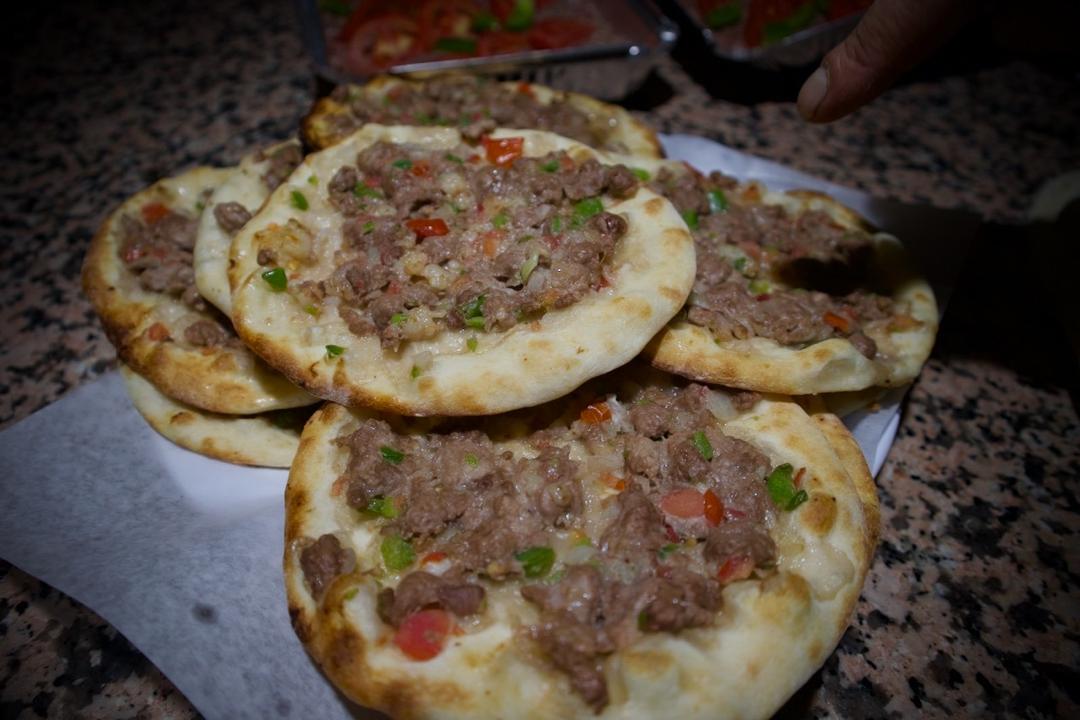
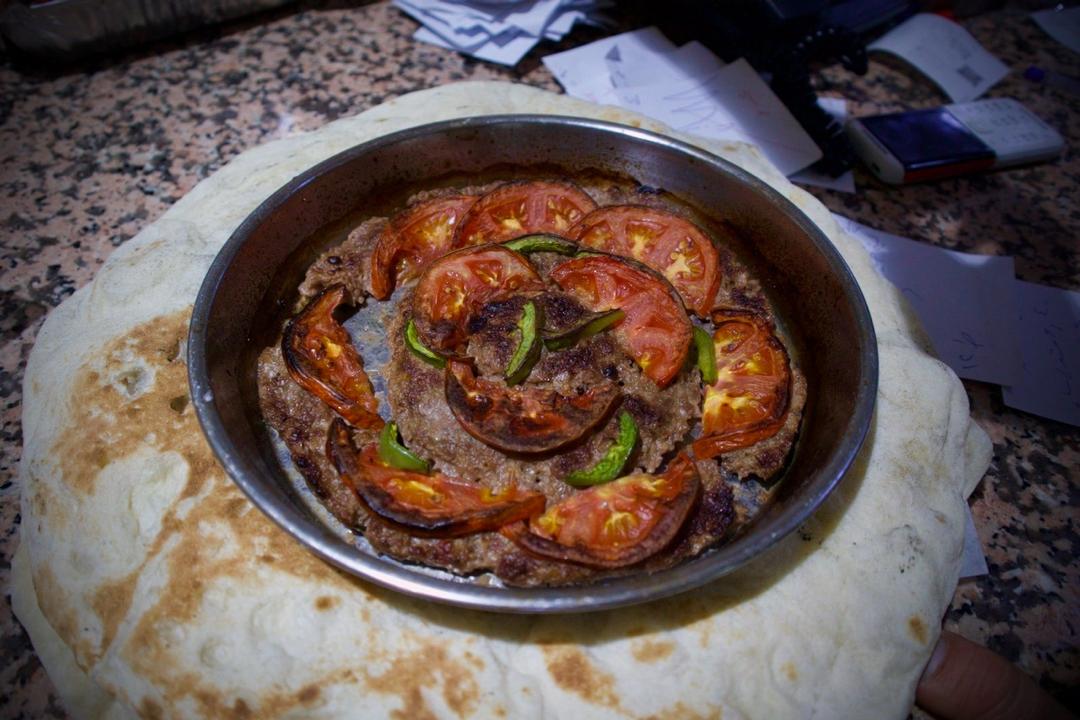
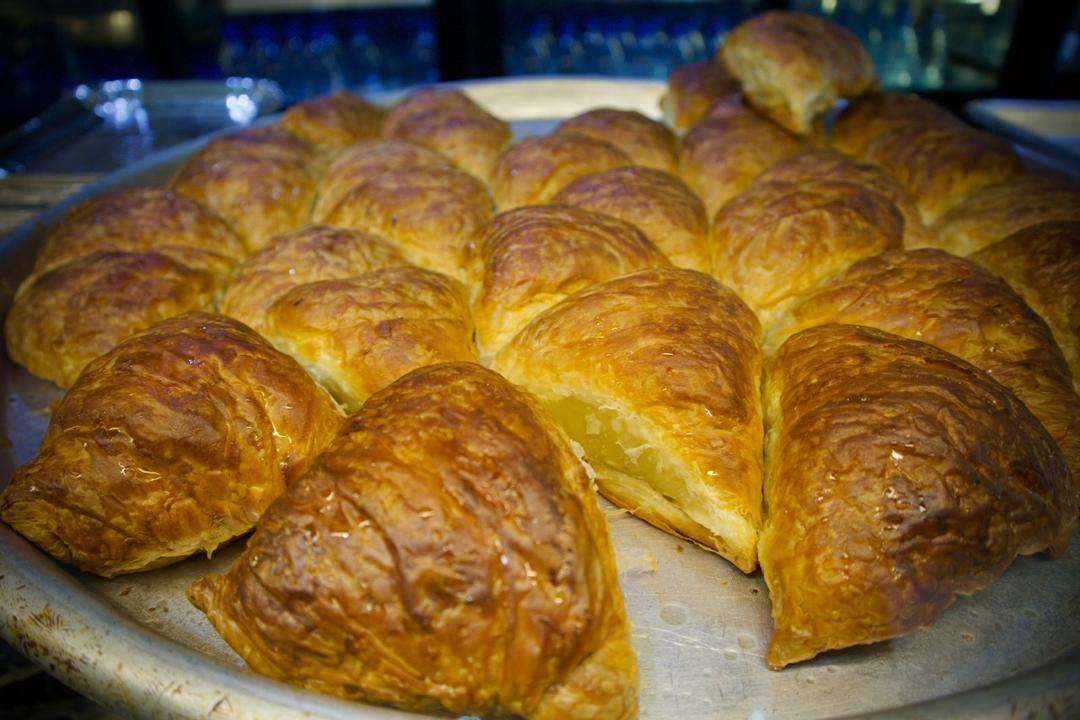
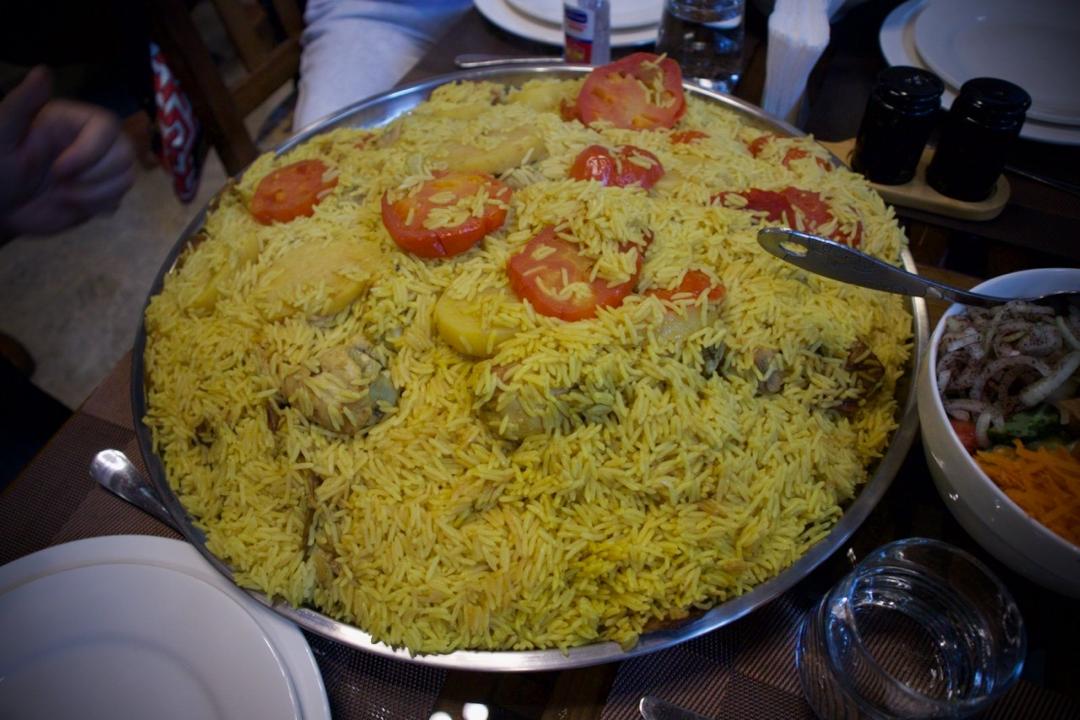
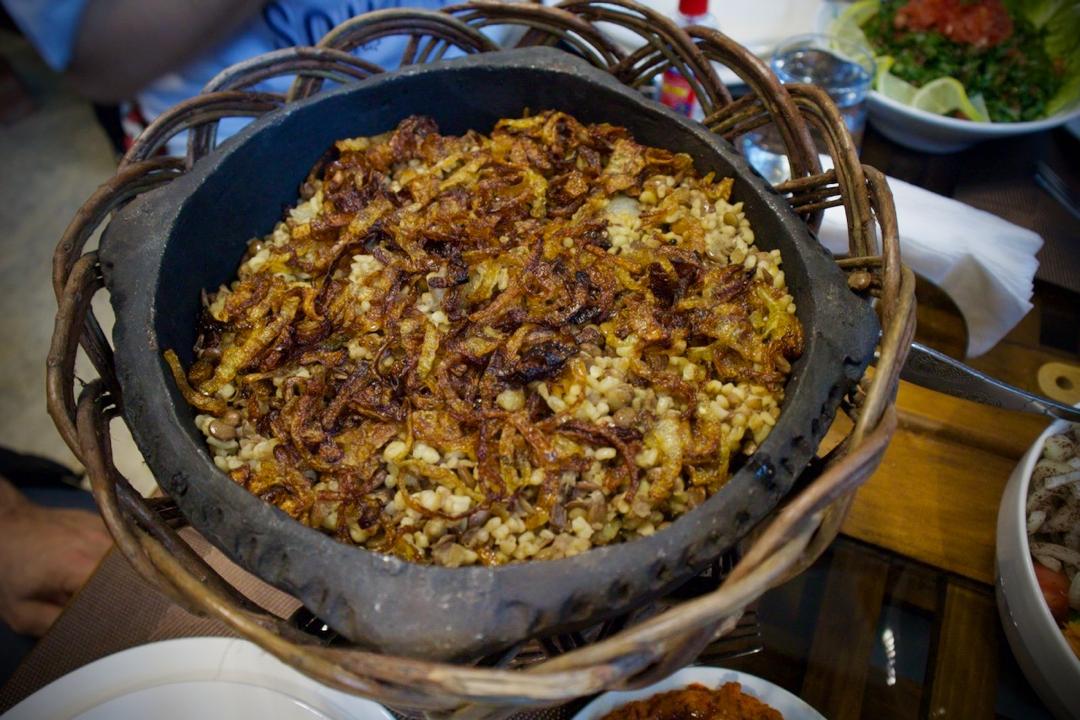
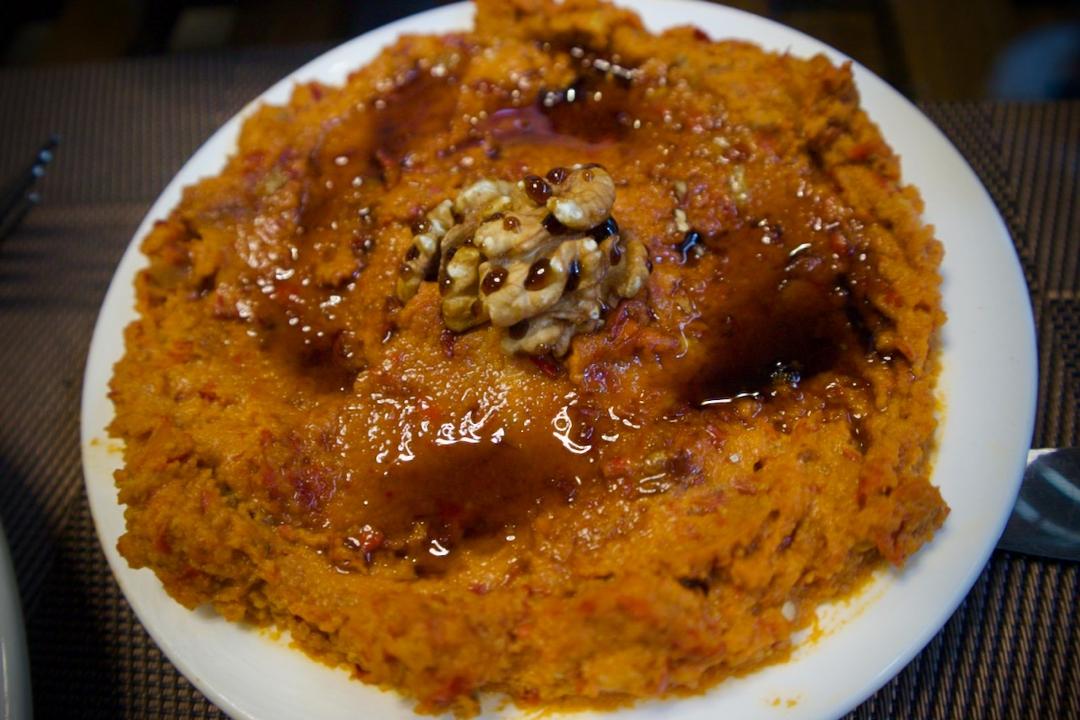
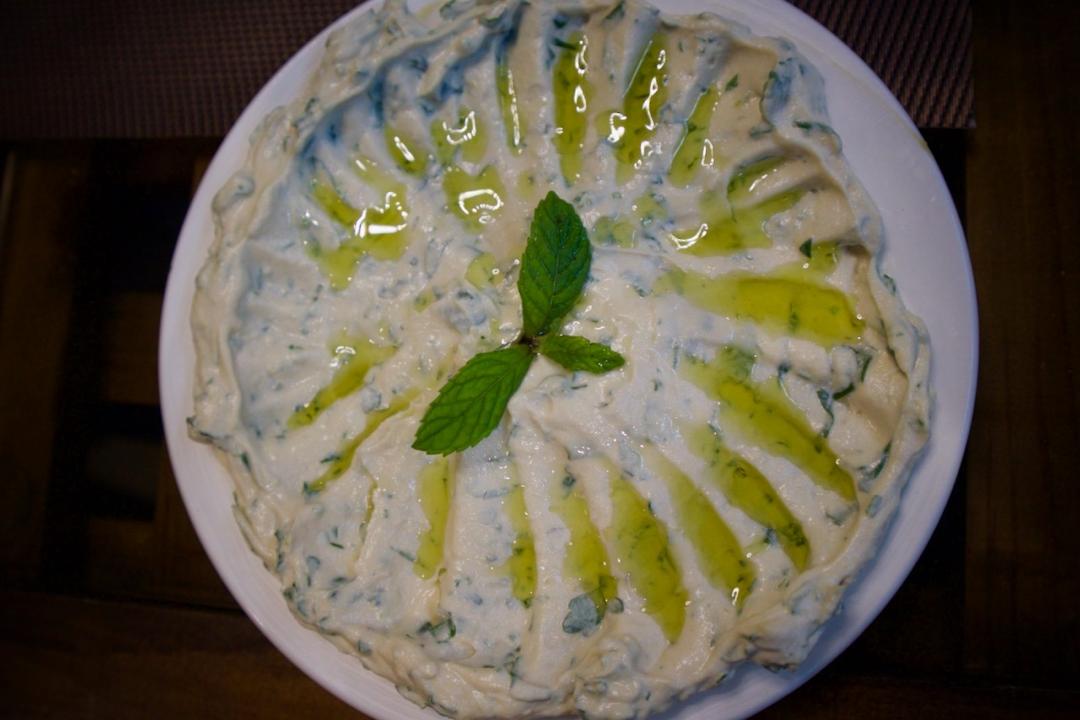
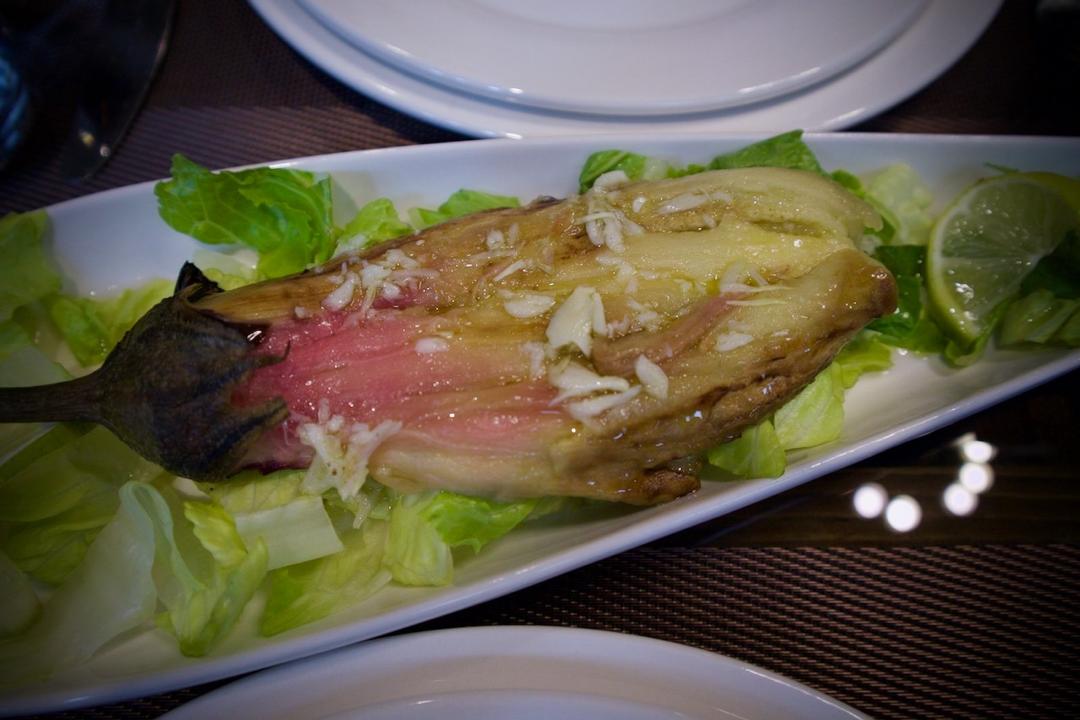
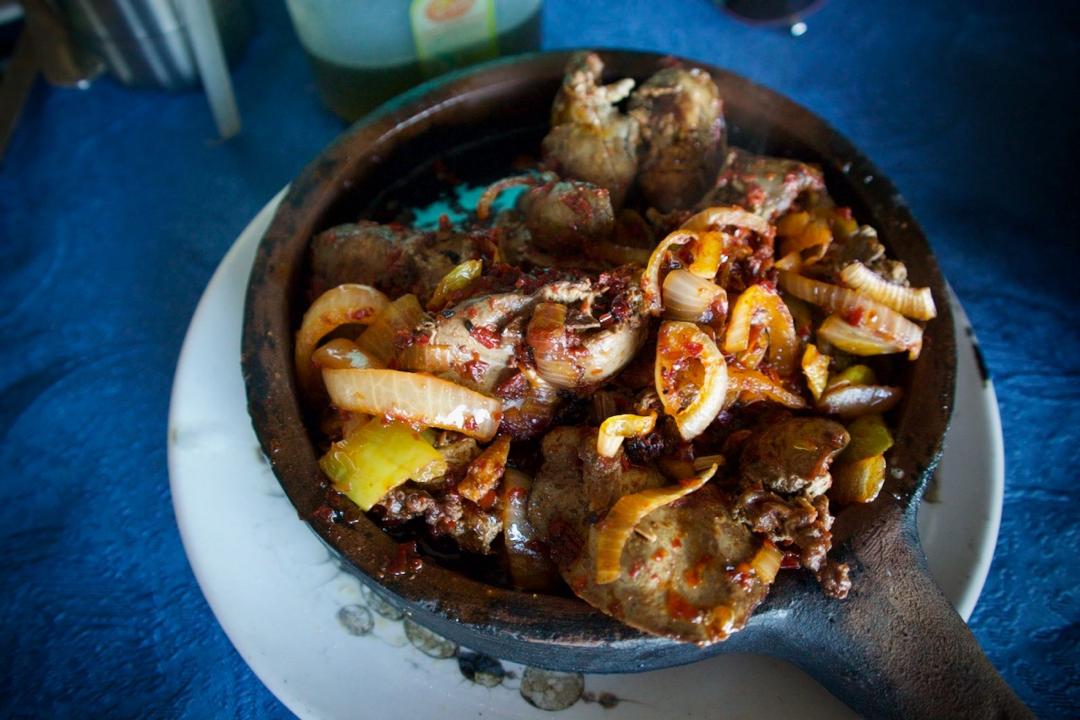
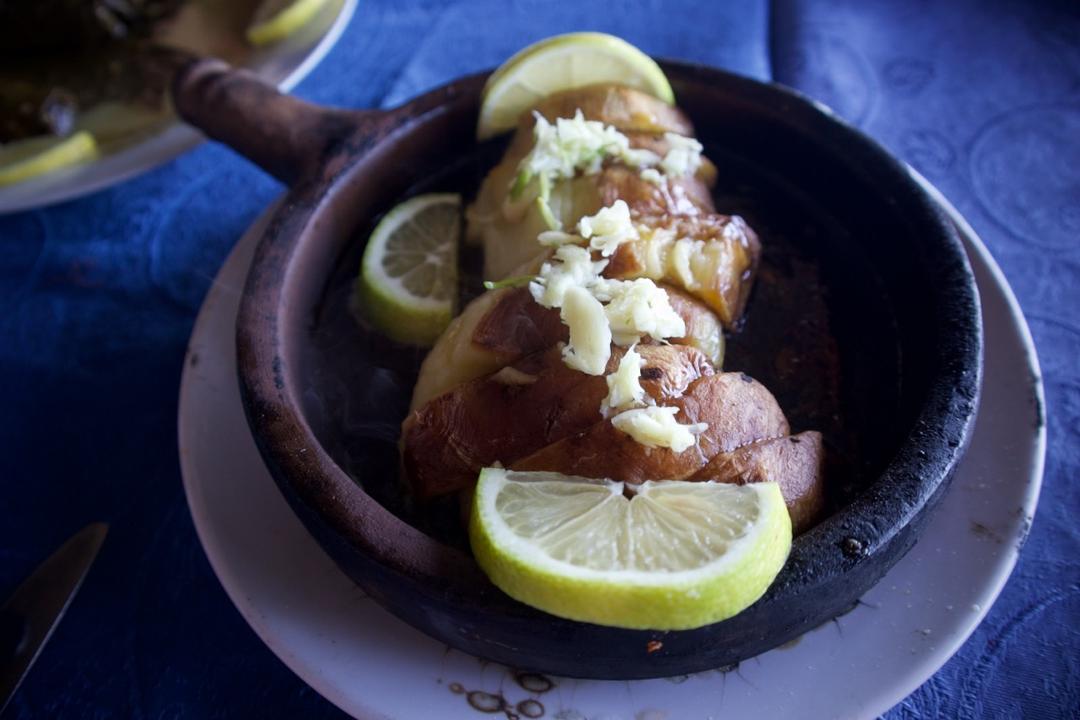
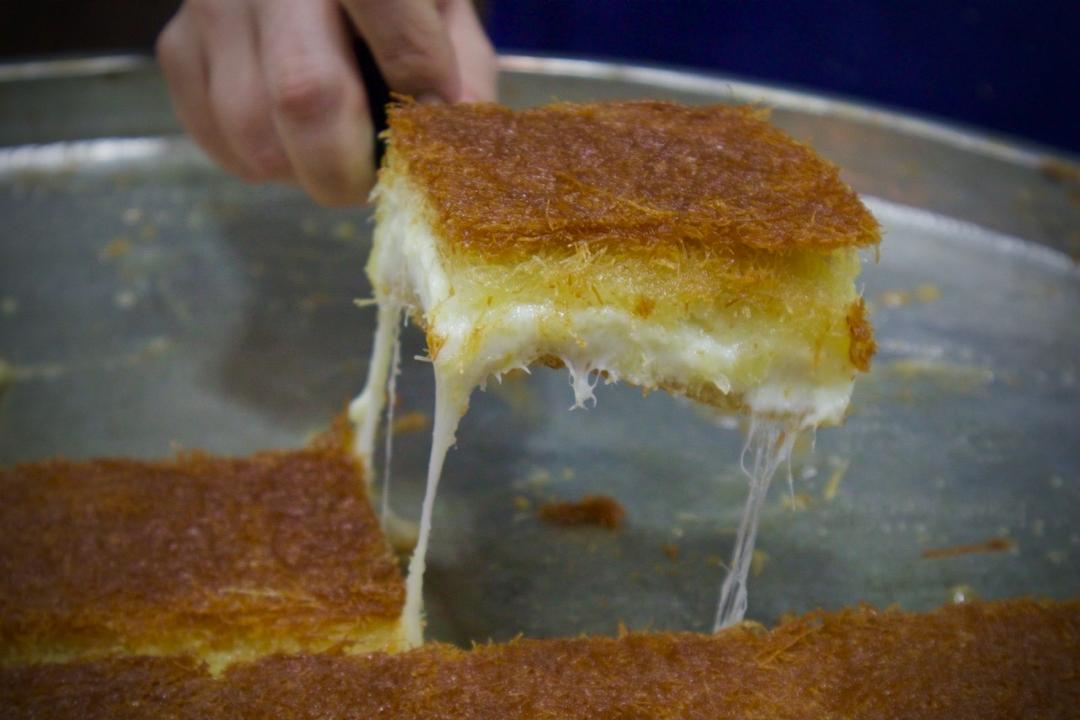
Breakfast and lunch are included every day, but we do not want food to feel like a repetitive tour-menu obligation. The route moves through very different food cultures, so the meals change with the geography: Damascene dining, eastern Syrian tables, a Kurdish Nowruz picnic, Aleppine street food and classics, Armenian-influenced mountain food, a family kitchen in Baeet, Nabk hariseh, a local meal at a family restaurant near Bosra’s Roman Theatre, Easter-season hospitality in Damascus when arrangements allow, and quick local favourites on departure day.
Restaurants & local tables we use
Depending on opening days, group size, daily timing and availability, examples of trusted places we may use include Naranj, Darmisk, Monalisa, Chandaliers and Al Burk Shawarma in Damascus; Beroia, Abu Hagob, Cordoba, Wanes, Amo Hamido Falafel and Vaskin & Avo Sausage in Aleppo; and Shuaa Restaurant in Nabk. Restaurant choices are examples rather than fixed promises, because the daily route and local conditions come first.
We also deliberately replace restaurants with people whenever the experience is stronger: the Bedouin tent lunch in Palmyra, Nowruz picnic / Kurdish family-style food, family lunches, and the Day 10 meal with Inaam at her house in Baeet.
Why the meals matter
Food is one of the easiest ways to understand how Syria changes from region to region. A lunch may become a conversation with a host, a lesson in a recipe, tea with a family, or an introduction to somebody whose personal story gives the day its meaning. We keep enough flexibility to choose the right table for the route rather than force every day into a fixed restaurant reservation.
Dinners are generally free so evenings remain spontaneous, with your guide recommending places according to appetite and mood. A shared farewell dinner is included near the end of the journey.
Vegetarian options are common, and we can accommodate most dietary needs when told in advance.
Transportation
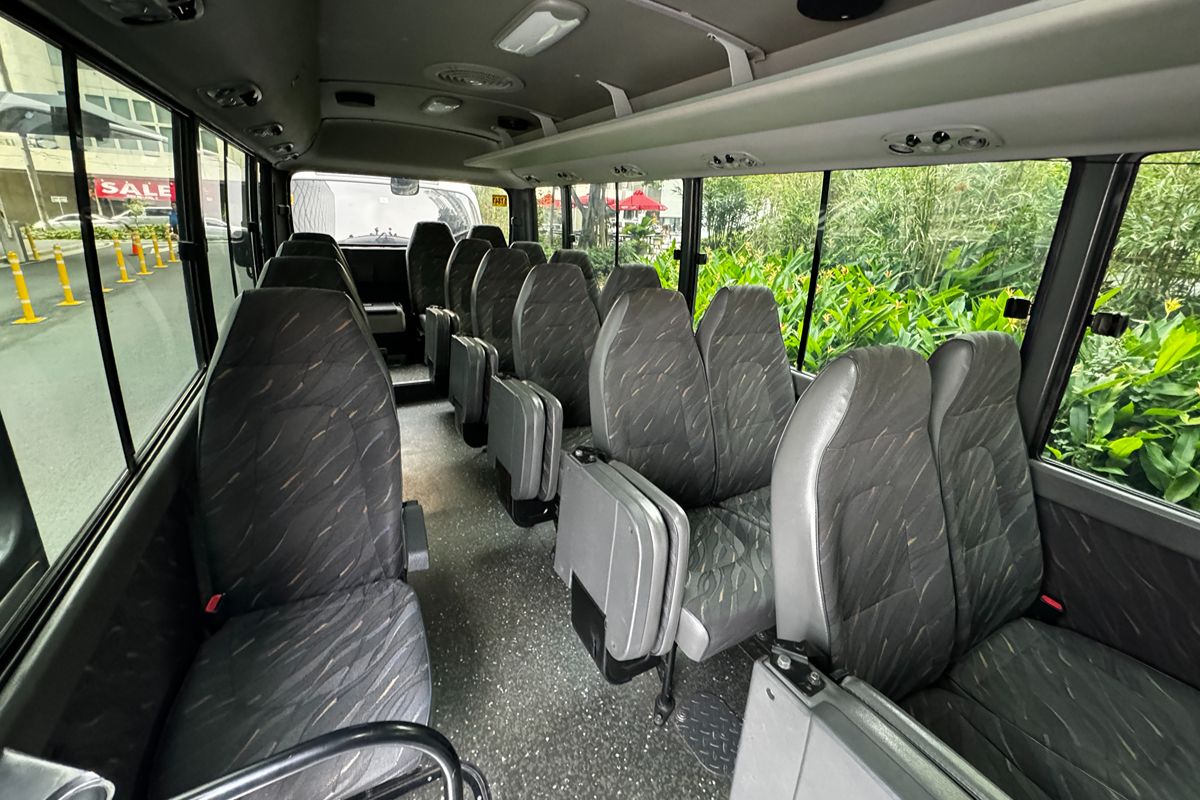
Hyundai County
For group travel across Syria, we use a comfortable mid-size Hyundai County. The vehicle can seat more passengers than we take, so the group has extra room, easier boarding, and a calmer experience on longer travel days.
Good legroom, wide windows, air conditioning, and luggage space make the route more enjoyable as the scenery changes from Damascus streets to mountains, desert, coastline, and northern countryside.

Meet Your Guide
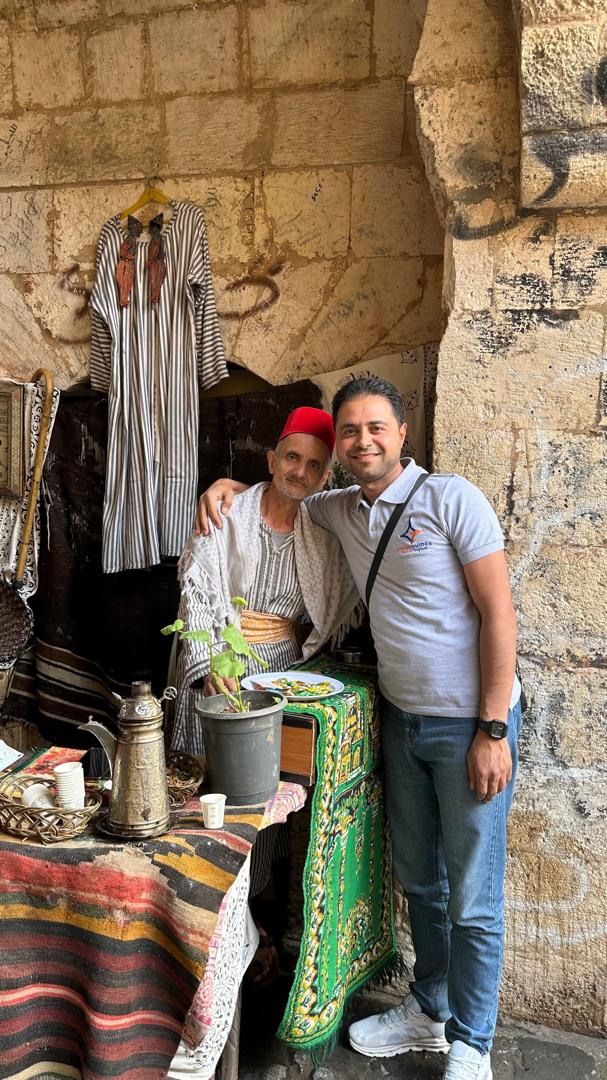
Rami Nawaya — Founder & Tour Guide
Meet Rami, founder of Syrian Guides and a licensed local guide from Damascus. His tours are built around connection, context, and the small human moments that make a journey feel personal.
Born and raised in Damascus, Rami brings together history, local stories, markets, architecture, food, and everyday Syrian life. He helps travelers understand not only what they are seeing, but why each place still matters today.
Fluent in English and experienced with international guests, Rami keeps the pace flexible and clear. He explains the country honestly, answers questions openly, and makes sure the group feels supported from arrival to departure.
Rami has also guided well-known travelers and creators, including Bald and Bankrupt.
Visa & Entry Requirements
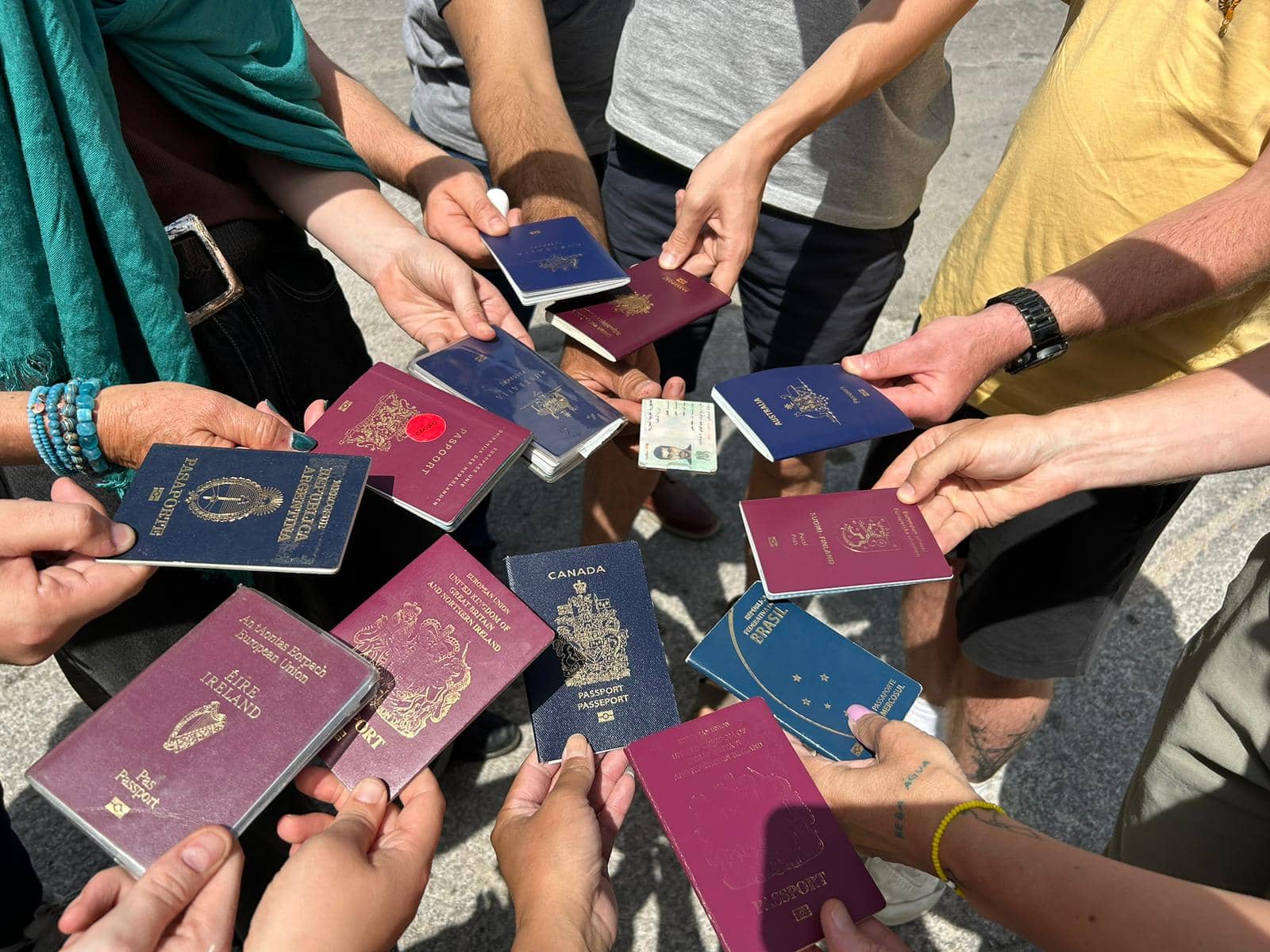
If you enter Syria by land from Beirut, the visa is normally issued directly at the border without pre-approval. If you fly into Damascus Airport, most nationalities require visa pre-approval before travel, and we can arrange the process for you.
Visa fees are paid on arrival and vary by nationality. Examples only:
- EU nationals: around $75 USD
- UK: $150 USD
- USA: $200 USD
- Latin America: $25–$50 USD depending on nationality
Your passport must not contain Israeli stamps or entry records. At the border, your guide assists with the procedure so the arrival process remains clear and manageable.
For the most up-to-date and detailed information, please see:
How We Operate
Syrian Guides is based in Damascus and follows local conditions continuously. Routes, hotels, transport, permissions and visits are coordinated locally, and we adjust the programme whenever conditions require it.
This is especially important on a wide route that reaches the Euphrates and northeast Syria. A road, site, celebration location or individual encounter may change. If that happens, we explain the reason clearly and organise the best suitable alternative available.
Travel Insurance Included
All group tours include travel insurance covering emergency medical care, hospitalization, medical evacuation and important travel protections. Your certificate is issued after booking.
For full coverage details, see our Travel Insurance Policy.
For deeper practical information, read our Safety and Security in Syria guide.
Questions Travelers Actually Ask
The essentials about entry, money, fitness, food, connectivity and travelling across Syria — kept easy to scan.
Booking, entry & arrival
Is this a guaranteed departure?
Yes. Syrian Guides lists this date as a Guaranteed Departure. Our group tours are designed to operate even with a small number of participants. As with any international trip, exceptional events outside our reasonable control — such as official restrictions, force majeure or a major safety issue — can still require changes.
How large is the group?
Syrian Guides group tours are designed as small groups, normally around 8–12 travelers, so the journey stays personal and flexible. The exact number can be lower, especially because departure is guaranteed rather than dependent on reaching a large minimum group.
Do I need a visa, and how does the process work?
Almost all travelers need a Syrian visa. For most nationalities entering by land from Lebanon, the visa is issued and paid for on arrival. Travelers flying directly to Damascus or Aleppo generally need an approval document before boarding. Some nationalities require advance approval even when entering by land. Syrian Guides handles the tour-related visa assistance and tells you exactly what applies to your passport and arrival route. Read our current Syria visa guide before booking flights.
How early should I apply for visa approval?
Apply as early as possible. Processing times vary by nationality and by the level of security review required. Some approvals are relatively quick, while restricted or additional-security cases can take several weeks. We strongly recommend avoiding non-refundable travel arrangements that depend on approval until we confirm your documents are ready.
How much is the Syrian visa fee?
Visa fees are not included in the tour price and are paid separately, normally in USD cash at the border or airport. Fees depend on nationality and can change before March 2027, so we do not lock an old fee into this page. We will confirm your expected amount before travel. You can also check our live visa-fee table for the latest published rates.
Can I enter Syria if my passport shows travel to Israel?
No. Israeli nationality, Israeli visas or stamps, and some border stamps that clearly indicate entry into Israel can prevent entry to Syria. If you are unsure about anything in your passport, send us a clear photo before booking and we will advise you privately.
Where does the tour start and are airport transfers included?
The standard group meeting is near Beverly Beirut Hotel at 09:00 on 17 March 2027, followed by the road transfer and border crossing to Damascus. Arrival and departure transfers from/to Beirut Airport or Damascus Airport are included when coordinated with Syrian Guides. If you fly directly to Damascus, or arrive at a different time, send us your flight details so we can confirm the exact pickup arrangement.
What happens before the tour starts?
Participants are added to a dedicated WhatsApp group and invited to an online pre-tour meeting. You meet fellow travelers, the guide, tour leader and Syrian Guides team, and can ask practical questions about visas, flights, cash, packing, weather, meeting points and the route before you travel.
Is it safe to travel on this route?
We operate the tour only on routes we are prepared to take with our own guests, with a licensed local guide and Syrian Guides support throughout. Conditions in Syria can change, so we follow local developments and adjust roads, timing or individual stops when needed. For a fuller explanation of how we assess travel conditions, read our Safety and Security in Syria guide.
How physically demanding is the tour?
This is an active cultural journey rather than a coach-only sightseeing trip. Expect walking in old cities, archaeological sites, uneven surfaces and stairs. The climb to Mar Musa is one of the more physical moments, and some days also involve long road journeys. Comfortable walking shoes are essential. If you have mobility, heart, knee or other medical concerns, tell us before booking so we can discuss the route honestly.
On the road & practicalities
What should I pack for Syria in March?
March can change noticeably between Damascus, the desert, the Jazira, Aleppo, the mountains and the coast. Bring layers, a warm outer layer for cooler mornings and evenings, comfortable walking shoes, modest clothing for religious sites, sun protection and a small day bag. A power bank is also useful during long touring days.
What meals are included, and can you handle dietary needs?
Breakfast and lunch are included every day. Lunches are part of the experience: local restaurants, a Bedouin tent in Palmyra, a family lunch near the winery and regional meals such as the family restaurant near Bosra’s Roman Theatre. Most dinners are left free so you can choose how you spend the evening. Vegetarian diets are easy to accommodate; vegan, gluten-related, allergy and other dietary requirements should be sent to us before departure.
What is the single-room supplement?
The tour price is based on twin-share accommodation. A private room costs an additional $400 USD for the 13-day tour, subject to room availability at the selected hotels.
Can I use credit cards or ATMs in Syria?
Do not plan to rely on international cards or ATMs in Syria. Visitors should arrive with enough cash for visa fees, dinners, personal purchases and tips. Bring new, clean and unmarked USD notes; damaged or heavily marked notes can be difficult to exchange. Syria introduced new banknotes in 2026, so your guide will explain current prices and exchange practice on arrival. See our Money in Syria guide for the latest details.
Will I have internet and phone service?
Yes, but connection quality varies by region. We help you arrange a local SIM when practical, and many hotels provide Wi-Fi. The group WhatsApp chat remains the main communication channel before and during the trip. Bring a power bank and download important documents, maps or confirmations for offline access before long road days.
Is travel insurance included?
Yes. Travel insurance is included in Syrian Guides group tours. Your policy certificate and coverage limits are shared before travel. The current group-tour policy includes medical and emergency assistance benefits; claims remain subject to the insurer’s terms and conditions. Read the current travel insurance details for the full schedule of benefits.
Can I take photographs everywhere? What about drones?
Photography is welcome in many places, but military sites, checkpoints and other sensitive locations must not be photographed. Ask before photographing people closely, private homes or certain religious settings. Drones are not treated like ordinary tourist cameras and require special permission; do not bring one unless Syrian Guides has confirmed the necessary authorization in advance.
Will I have free time?
Yes. The tour is structured, but it is not designed as a rigid 09:00–17:00 programme. Some of the best moments happen after the planned visits — cafés, souqs, evening walks, tea invitations and conversations. Where conditions allow, you will have time to rest or explore nearby areas independently, with the guide explaining what is practical and appropriate.
Can the itinerary, Nowruz celebration or Easter programme change?
Yes. This is a living itinerary. Roads, permissions, opening days, weather, local conditions, festival locations and community programmes can change. Nowruz and Easter are real local celebrations, not staged shows, so exact gathering places and timing may only become clear closer to the date. When something changes, Syrian Guides explains it and arranges the best suitable alternative while protecting the character of the journey.
Do I need vaccinations or special medication?
There is no single medical answer that suits every traveler. Entry-health rules and personal recommendations can change, so check your government’s travel-health advice or a travel clinic before departure. Bring enough of any prescription medication for the full trip, ideally in original packaging, and tell us in advance about medical conditions that may affect walking, food or emergency planning.
For March 2027: visa procedures, fees, site access, transport rules and local event programmes can change. Confirmed travelers receive the latest practical briefing before departure.
From Previous Syria Group Tours
How to Book

GET IN TOUCH!
Send us a message and we’ll reply quickly with availability, booking steps, and practical details for your Nowruz & Easter Syria tour.