
Syria’s UNESCO Heritage & The Coast
Ancient cities, mountain fortresses, the Bronze Age world of Ugarit and the maritime atmosphere of Arwad Island.
Follow the path of ancient merchants from the souqs of Damascus to the Mediterranean. Explore stone fortresses, meet people who keep local traditions alive, taste coastal dishes and discover a side of Syria that few itineraries make room for.
Plan your tourExplore the itinerary
The Mediterranean side of Syria, and much more
From Damascus and Aleppo’s remarkable historic streets to Palmyra’s archaeological landscape and the dramatic castles of the coast, this journey connects many of Syria’s most important heritage places. The Mediterranean brings a different atmosphere: coastal markets, ancient trade routes, island boatbuilders and the ruins of Ugarit. We balance the famous places with real cultural encounters.
The stories between the landmarks
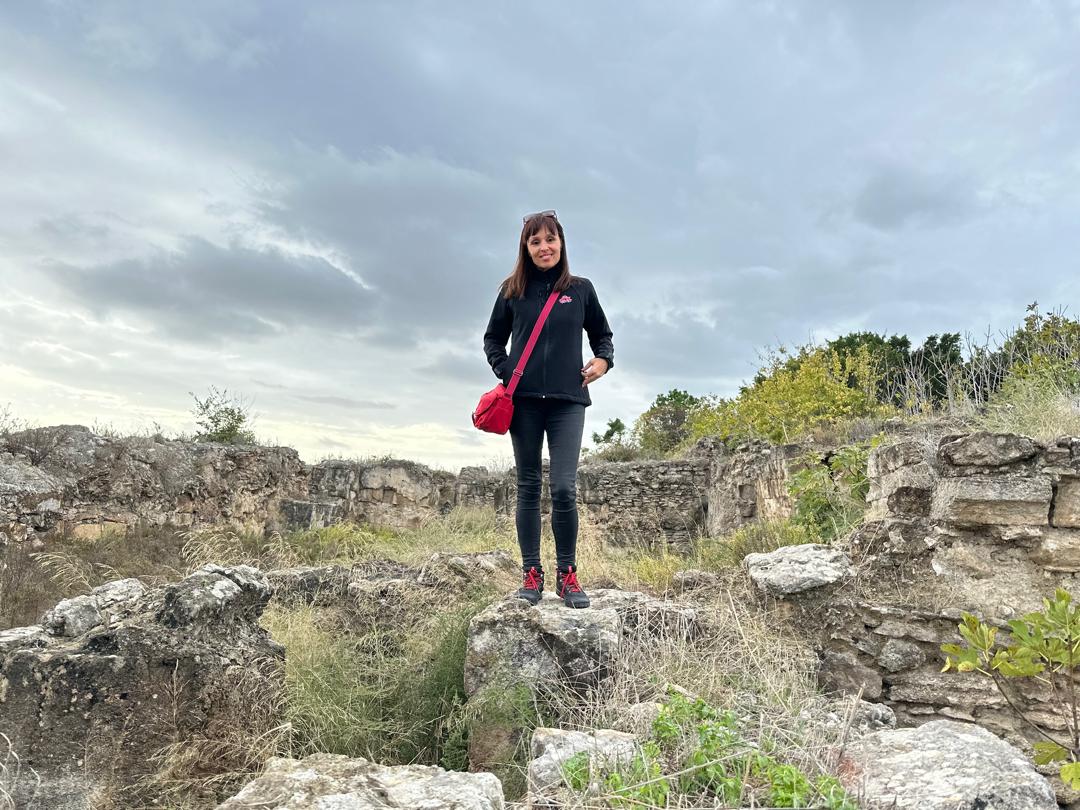
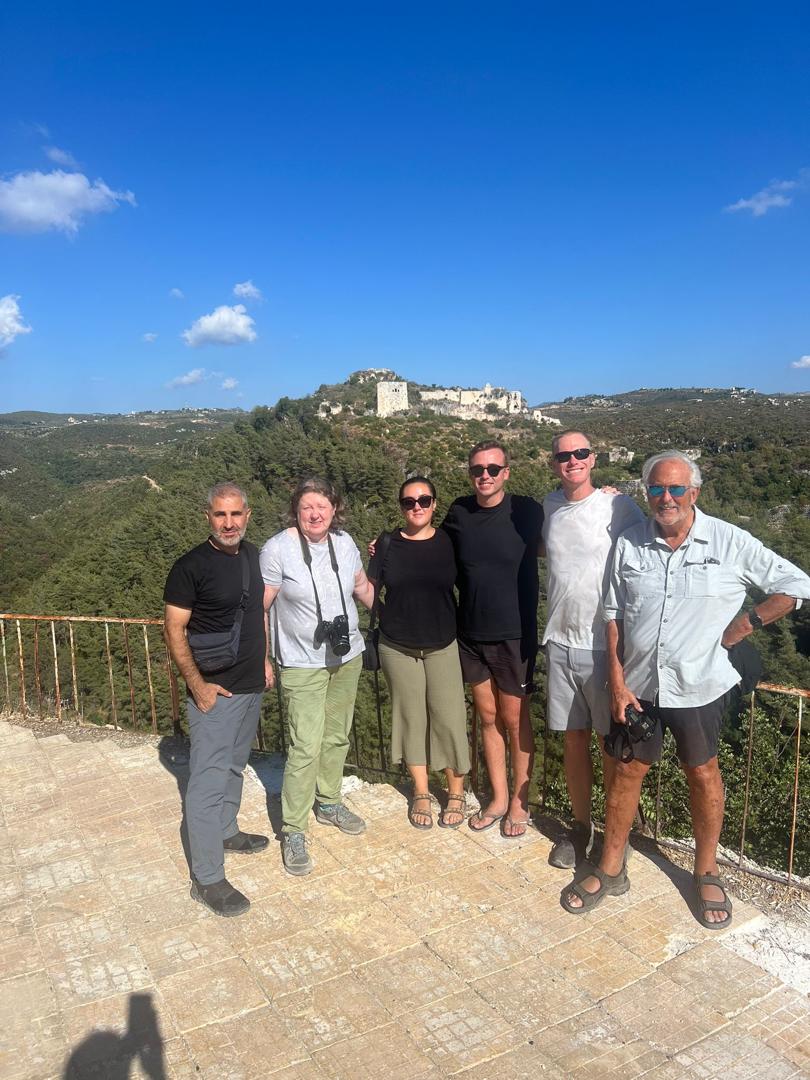
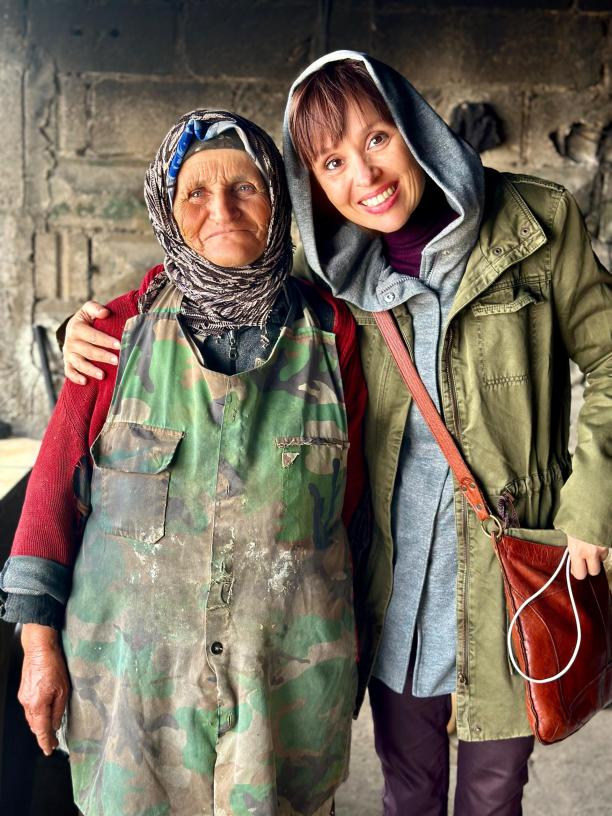
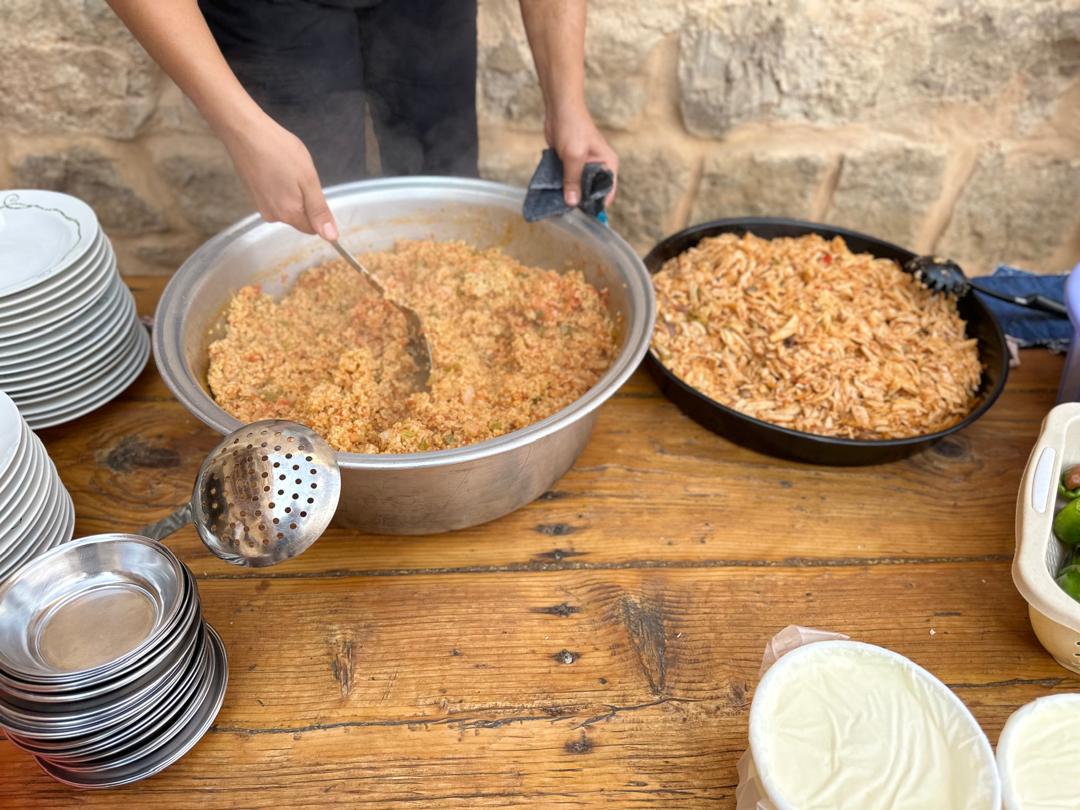
Share a meal, meet craftspeople, hear a local story or find a quiet corner overlooking the sea. These are the moments that make the journey feel personal.


Nine days across Syria
This route is intensive, with several long travel days. We adjust the programme to road conditions, opening times and your preferred pace. Some sites or boat crossings require advance confirmation.
Welcome to Damascus
Welcome to Syria. Your driver meets you at Damascus Airport or your agreed entry point in Beirut or Jordan and brings you to the capital. After checking in, meet your local guide, who will introduce the journey, your interests and the discoveries ahead. When your arrival time allows, begin with a gentle walk through Old Damascus: the historic Straight Street, the Christian Quarter and the narrow lanes around Bab Sharqi, where family businesses, churches and courtyards tell stories of the city’s past and present.
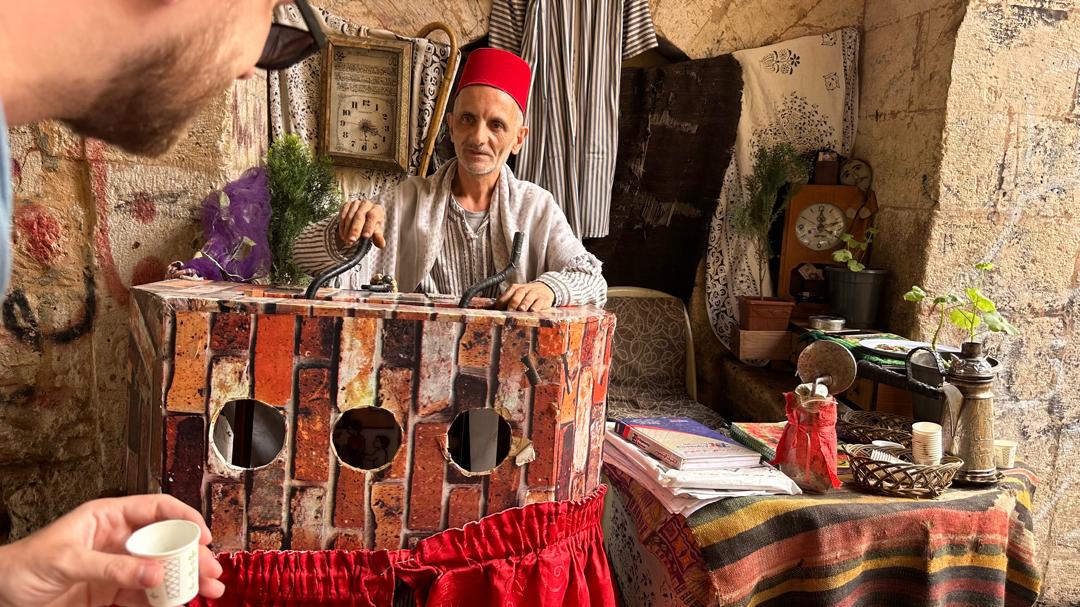
Take your time over a Syrian coffee, a traditional sweet or a light dinner in a characterful Old City setting. If you arrive early, we can add Ananias Chapel or a short walk through a nearby souq. The first evening is deliberately flexible so that your trip begins with warmth and curiosity rather than a rush between attractions.
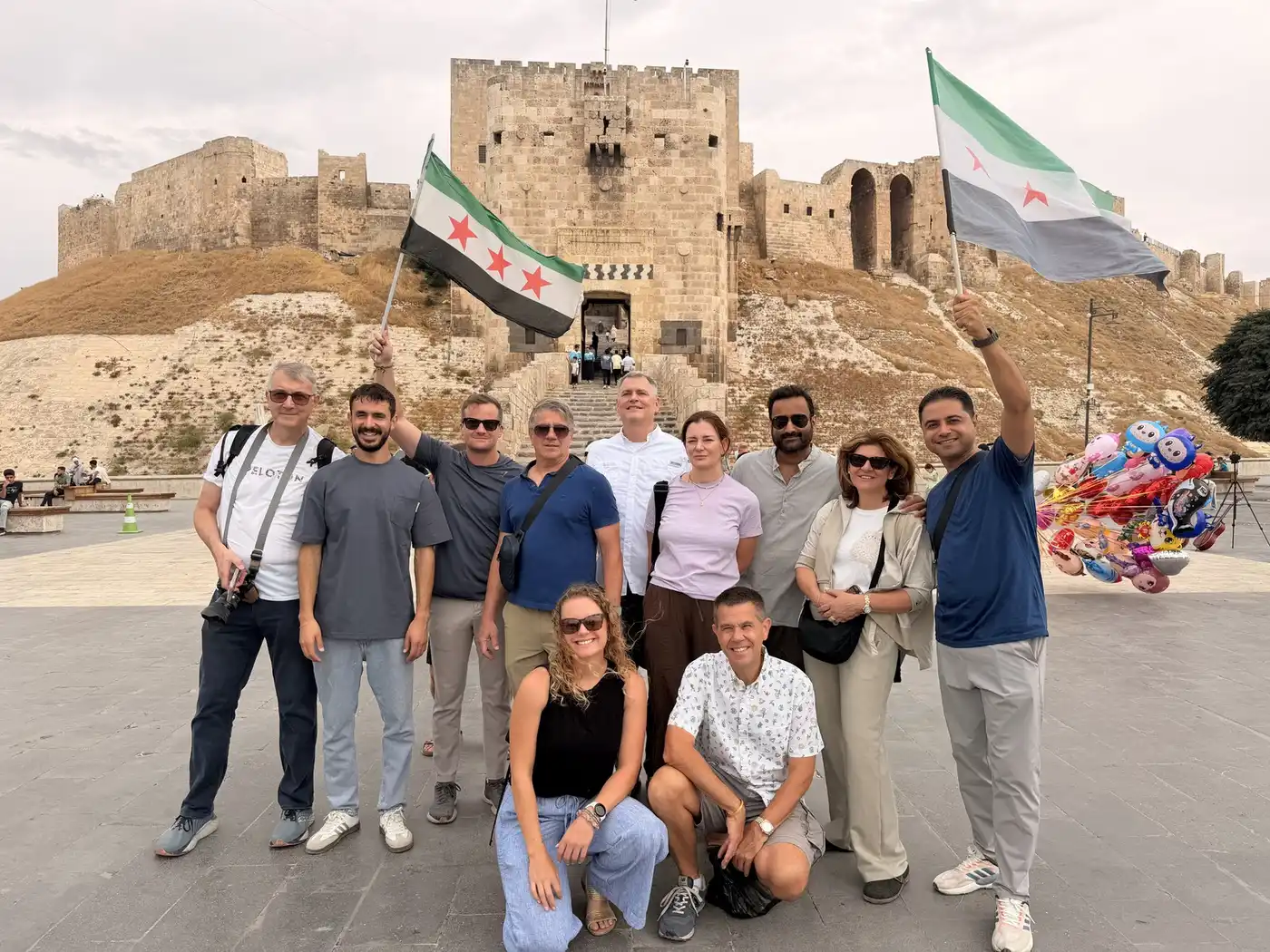
Damascus: a UNESCO-listed living city
Explore the Ancient City of Damascus, one of Syria’s UNESCO World Heritage properties, on a full day with your own guide. Begin beneath the vaulted roof of Souq al-Hamidiyya, follow centuries-old commercial streets and arrive at the magnificent Umayyad Mosque. Discover the mosque’s layered history, architectural details and extraordinary place in the life of the city. Along the way, stop at a spice merchant or a workshop to learn how Damascus’s trading traditions still work.
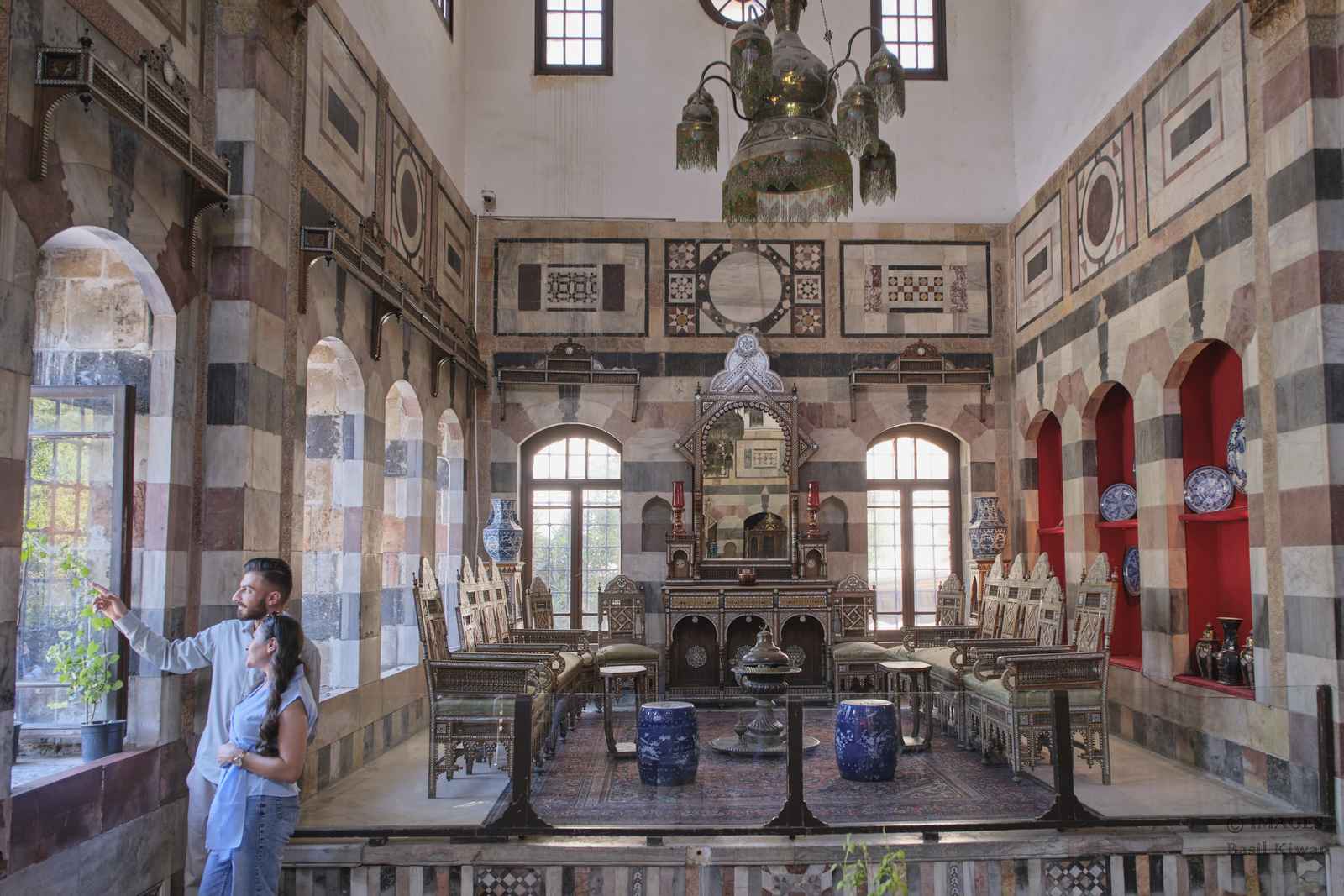
Continue to Azm Palace, with its handsome courtyards, decorated rooms and stories of Damascene domestic life. Depending on opening times and your interests, we can include the Via Recta, Christian Quarter or other heritage houses. Between landmarks, enjoy a proper Syrian lunch, conversations with local people and time for photographs. End the day at a courtyard café or rooftop viewpoint, watching the Old City settle into evening.
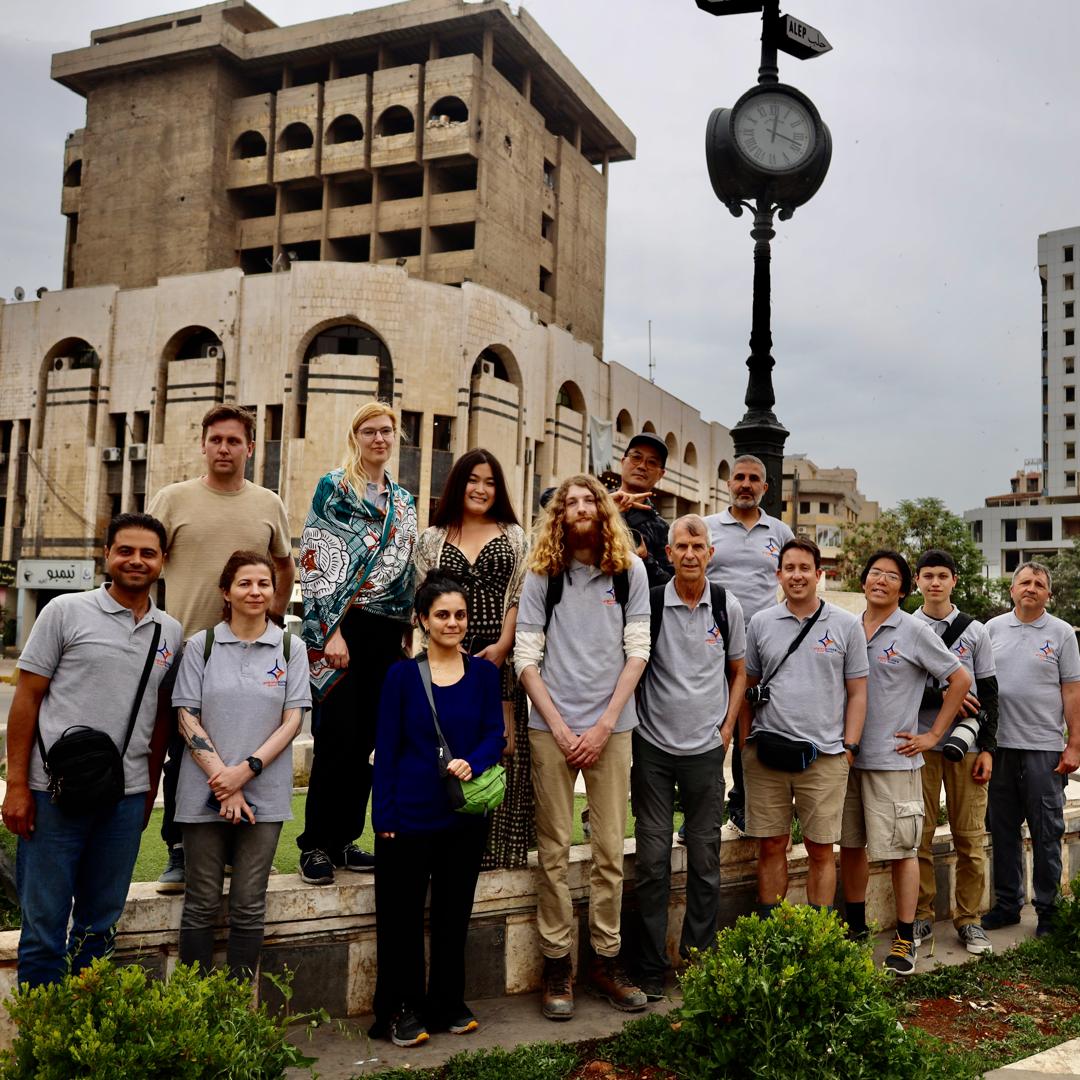
Palmyra and Homs, toward Wadi al-Nasara
Today brings a dramatic change of scenery as you head into the desert toward Palmyra. The surviving temples, monumental columns and desert landscape hint at the scale of a trading city that once linked routes across the ancient world. Your guide tells the story of Queen Zenobia, caravan merchants, daily life and the city’s archaeological importance, while also explaining the destruction suffered in recent years and the conservation challenges that remain. The visit takes place within the areas accessible on your travel dates.
Continue through Homs, where a short stop at the Khalid ibn al-Walid Mosque or another historical landmark may be possible depending on timing. Then travel into Wadi al-Nasara, the Valley of Christians, where village landscapes and a quieter rhythm contrast with Palmyra’s vast desert. Settle into your hotel, enjoy a local evening and discuss an optional winery tasting if available.
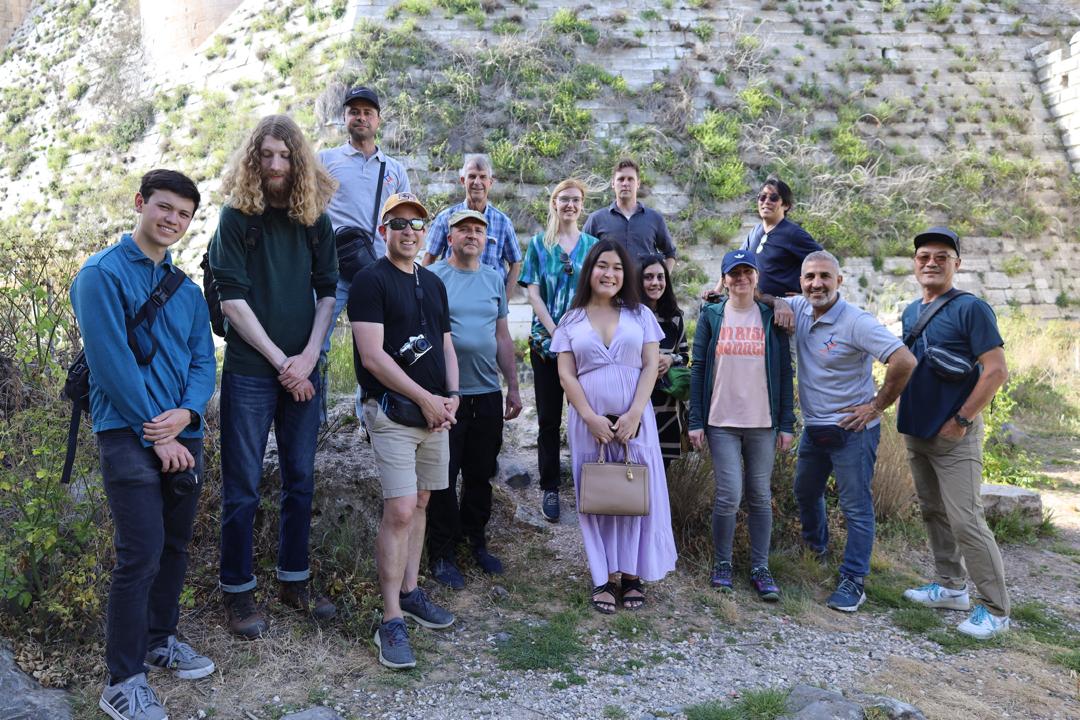
Krak des Chevaliers, Hama and Aleppo
Your morning begins at Krak des Chevaliers, one of the most impressive medieval fortresses in the region. Walk beneath its arches, through defensive passages and into vaulted halls as your guide explains how the castle grew and changed under successive rulers. From the ramparts, discover its strategic position above the surrounding countryside. Krak des Chevaliers shares a UNESCO World Heritage inscription with Saladin Castle, which features later in your journey.
Continue north to Hama, stopping to see the enormous wooden norias that have long defined the city’s riverfront. Enjoy a local lunch or a café stop beside the Orontes, with time to explore a little of the old city if available. Travel onward to Aleppo and check into your hotel for the first of two nights. The day combines driving and sightseeing, so we keep stops realistic and adaptable.
Aleppo: ancient streets and living crafts
Give Aleppo the time it deserves. Discover the monumental Citadel and the streets of the UNESCO-listed Ancient City with a local guide who can connect historic architecture with the lives of today’s residents. Wander through the surviving souqs and old trading districts, look for artisan workshops and learn about the families and communities rebuilding their city. The Jdeideh neighbourhood offers another perspective through its historic churches, houses and distinctive urban character, where visits are possible.
Food is an important part of this day. Try Aleppine specialities over lunch, stop for tea, and ask about a traditional soap workshop or another craft experience. Rather than simply moving from monument to monument, leave room for conversations with shopkeepers, small discoveries and photographs. Enjoy a relaxed final evening in Aleppo before the route turns toward Syria’s Mediterranean mountains.
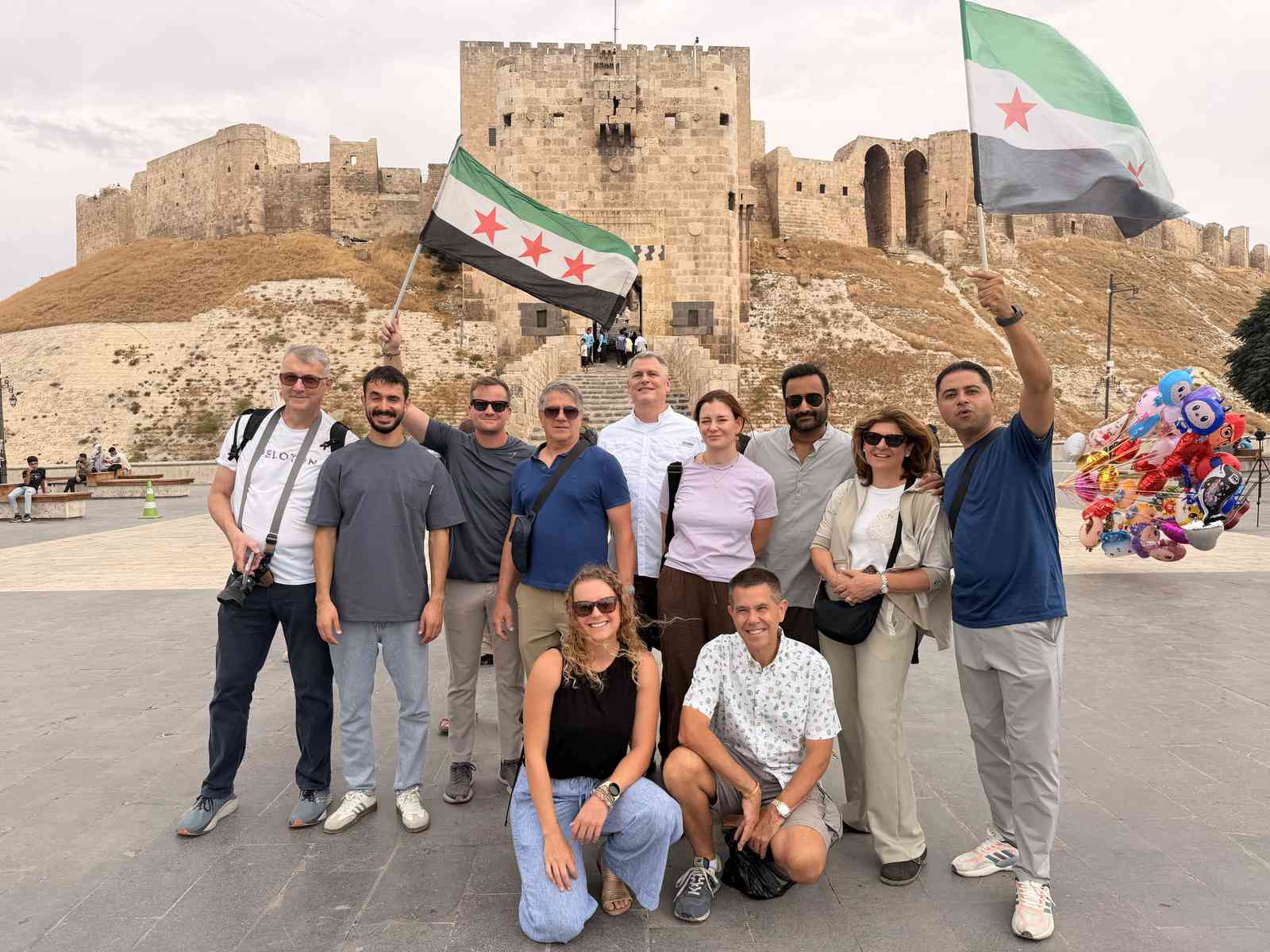
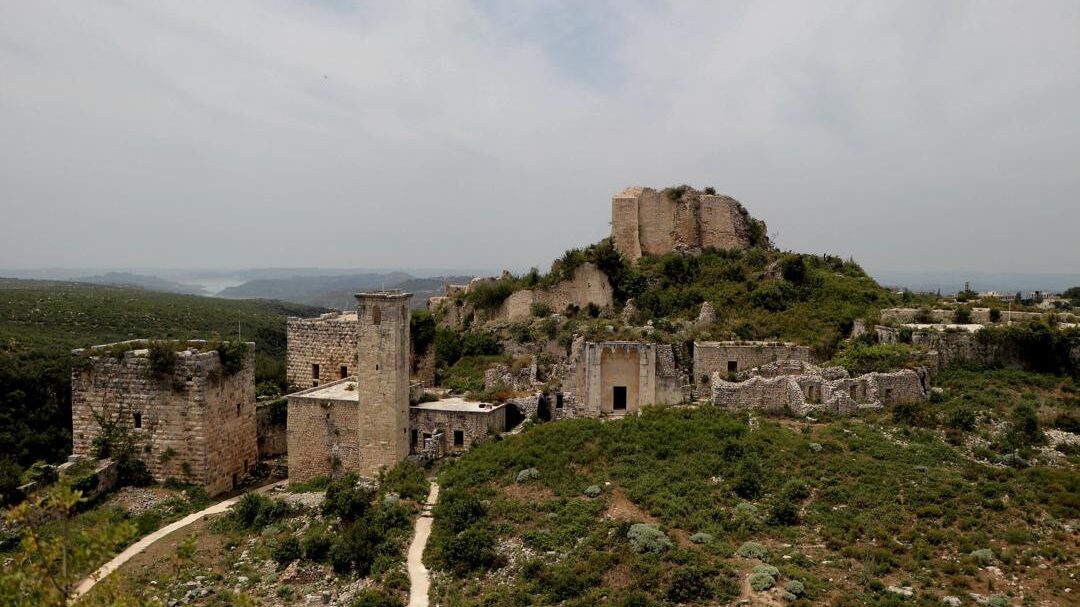
Apamea, Saladin Castle and Latakia
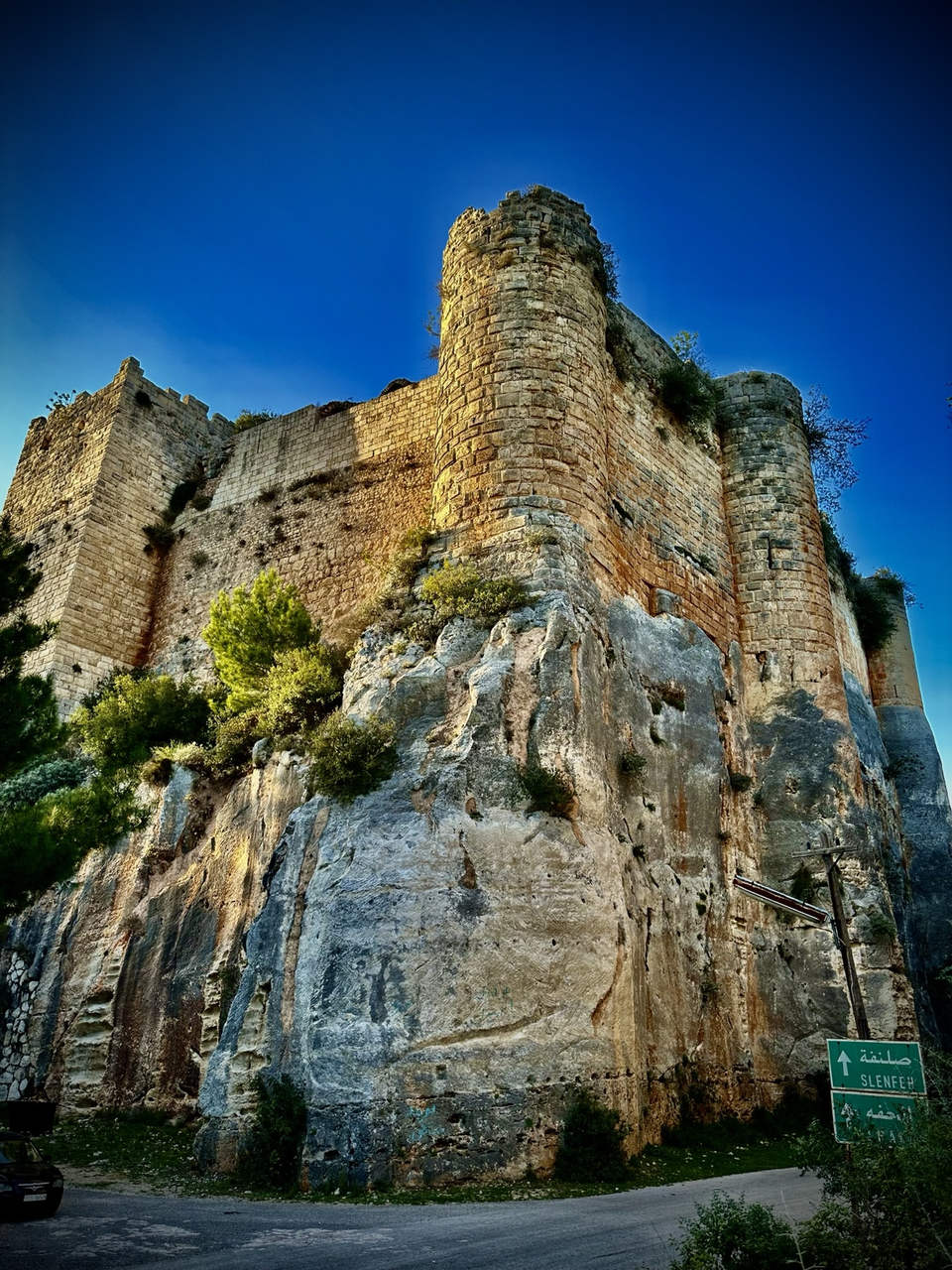
Travel west across changing hills and countryside to the dramatically located Saladin Castle, or Qal’at Salah El-Din. Rising above a wooded valley, the fortress is famous for its imposing defences and extraordinary rock-cut moat. Your guide explores its changing medieval history, inner walls and stonework. Together with Krak des Chevaliers, Saladin Castle forms a single UNESCO World Heritage property, linking two very different fortresses in one journey.
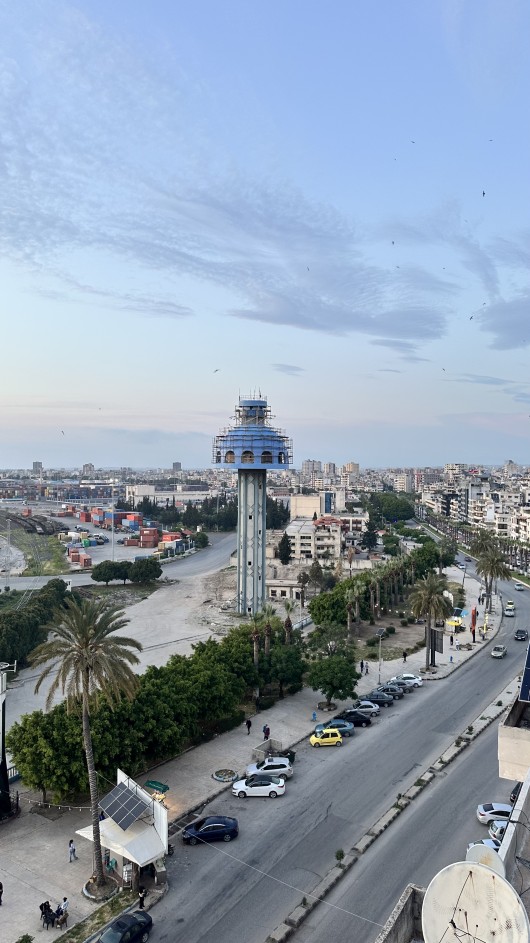
For travellers especially interested in the classical world, an Apamea stop may be discussed when site access and driving time allow. It is not automatically included on a long travel day. Continue toward Latakia, where the atmosphere changes again: coastal cafés, Mediterranean breezes and the chance to taste local fish and seafood. The evening can be as lively or as relaxed as you wish, with a waterfront stroll if convenient.
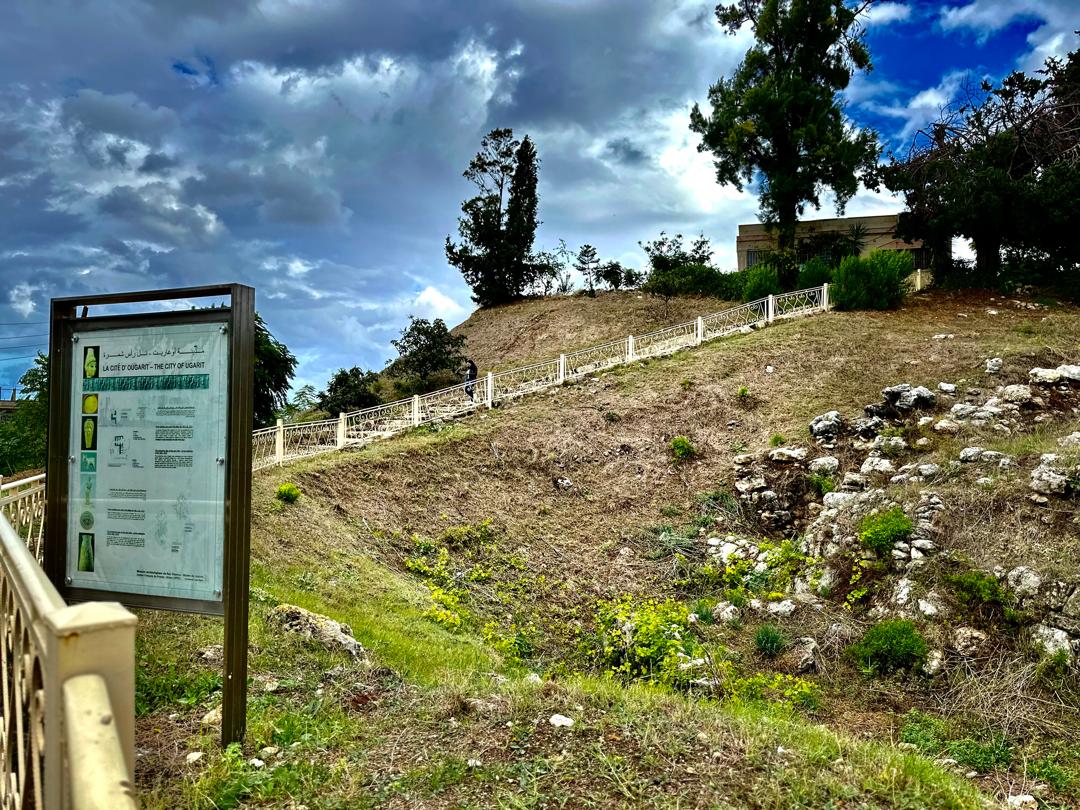
Ugarit, Tartus and Arwad Island
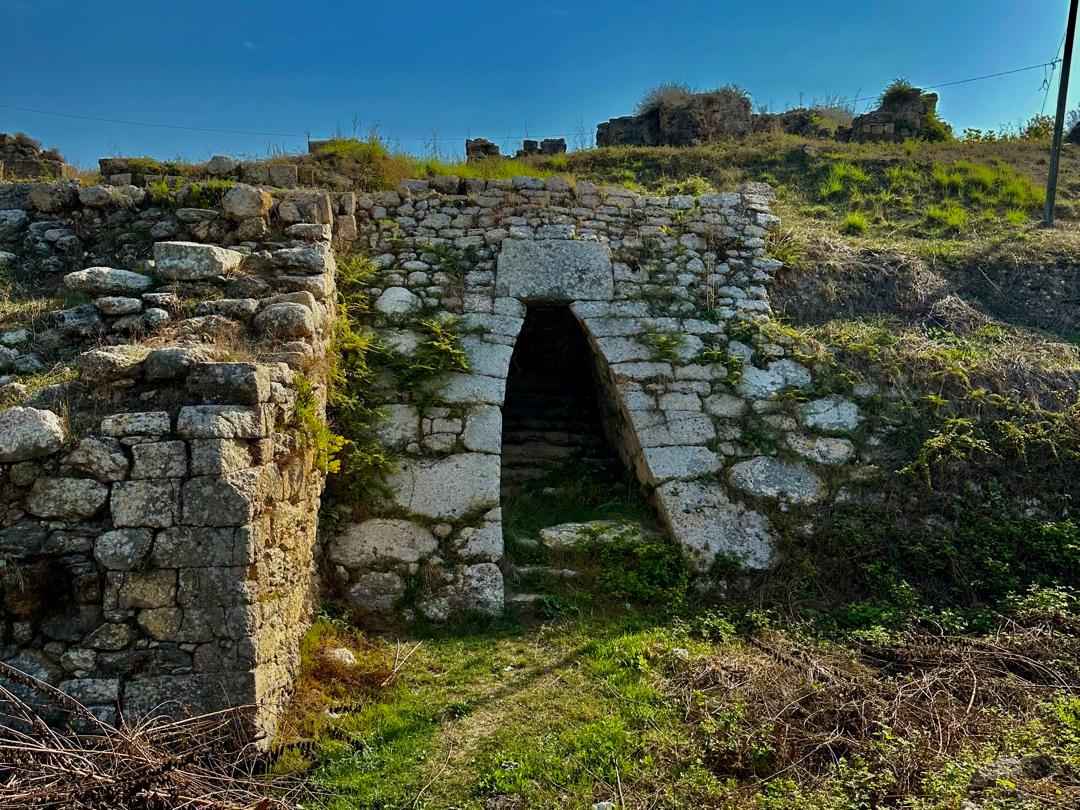
Begin with an archaeological walk through Ugarit at Ras Shamra, the Bronze Age city whose archives transformed our understanding of ancient writing and trade. Visit the excavated remains, learn about the palace complex and hear how the city’s early alphabetic cuneiform script influenced the history of communication. Ugarit is not one of Syria’s six inscribed UNESCO World Heritage properties, but it is a fascinating chapter in the country’s coastal history.
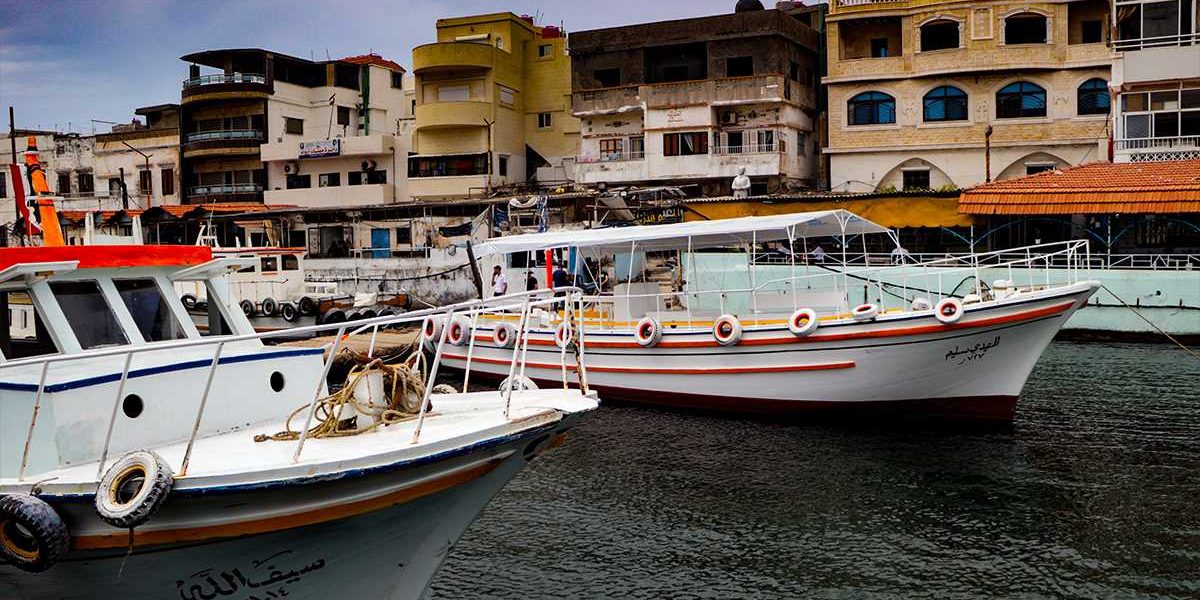
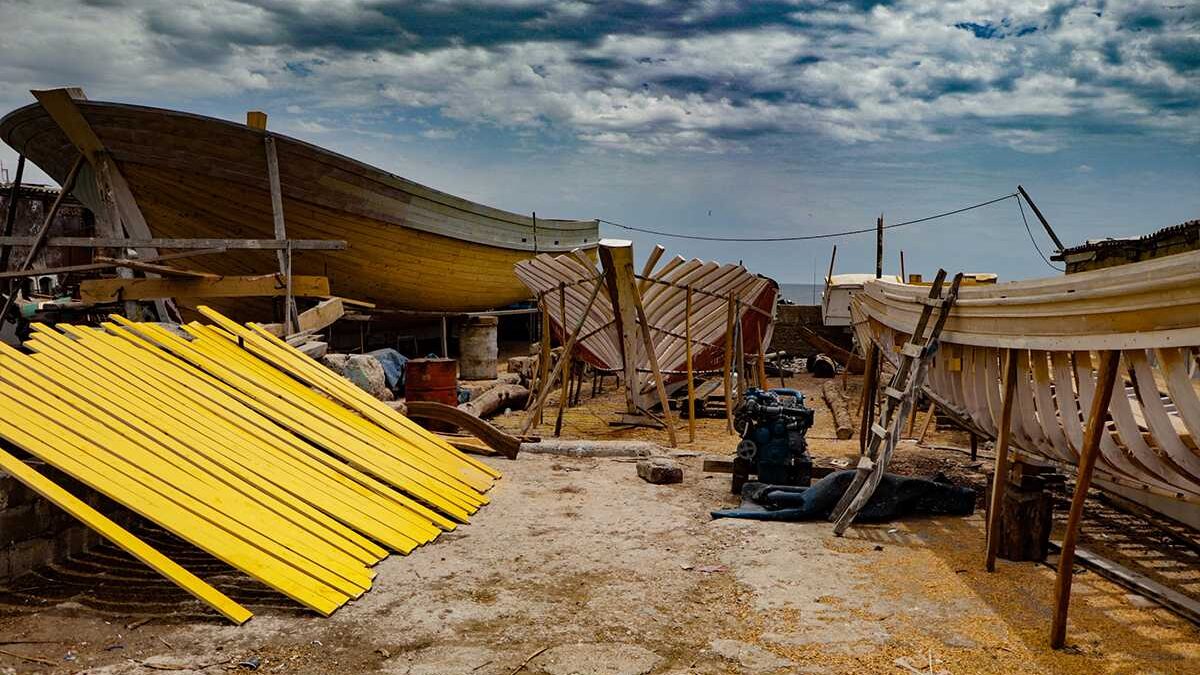
Continue south toward Tartus and, if weather and boat services permit, cross to Arwad Island. The short sea journey delivers a different view of Syria: stone-built lanes, a maritime fortress, wooden boats and local traditions shaped by generations of island life. Enjoy a fresh seafood lunch, perhaps meet a boatbuilder and walk through the compact island community. If the crossing is unavailable, coastal heritage sites such as Amrit provide worthwhile alternatives.
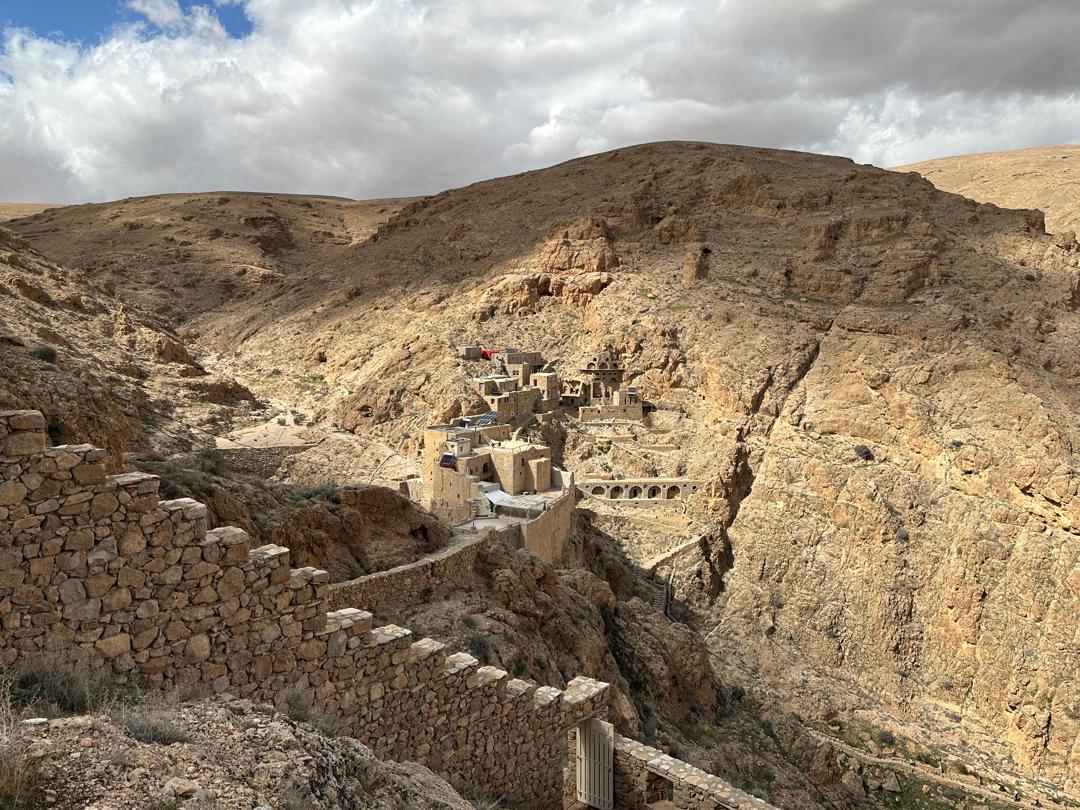
Mar Musa and Maaloula, back to Damascus
Leave the coast and travel inland toward the mountains and the Damascus region. A visit to Mar Musa Monastery can be arranged when its opening arrangements, the road and your walking ability permit. Reached by a long climb, this remote site offers a striking combination of desert views, historic frescoes and a tradition of religious dialogue. Your guide will explain the monastery’s importance and the practical demands of the ascent before the visit is confirmed.
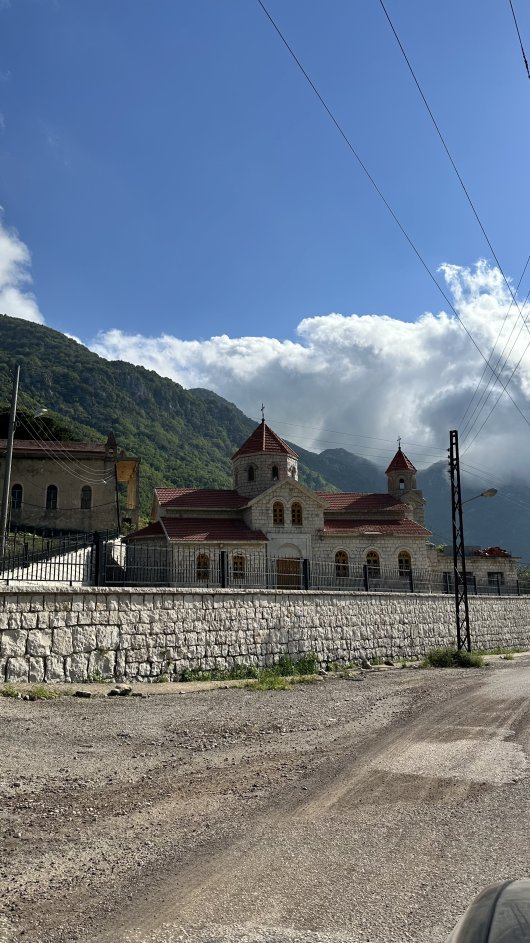
Continue to Maaloula, a village of churches and houses set against pale limestone cliffs. Discover Saint Thecla’s heritage and the local Christian traditions associated with the Western Aramaic language, then explore the historic passage and viewpoints where accessible. The combination of Mar Musa, Maaloula and the return to Damascus makes this an ambitious day; we can shorten the programme and prioritise the visits you value most. Overnight in Damascus.
Bosra, then departure arrangements
The final day is shaped around your departure arrangements. When timing permits—or if you have added another night—travel south across the Hauran plain to Bosra, a UNESCO World Heritage city built in distinctive black basalt. Its monumental Roman theatre is a highlight, but the surrounding lanes also reveal the city’s layers of Roman, Christian and Islamic history. Discover its architecture with your guide and enjoy time to explore before returning toward Damascus.
Bosra cannot realistically be combined with every international flight or land transfer. If you have an earlier departure, we will instead reserve the morning for breakfast, a final coffee or souvenir shopping and your private transfer to the airport or agreed border crossing. Bosra can be moved earlier in the itinerary or included with an extension. We confirm the exact sequence so the final hours remain comfortable and unhurried.
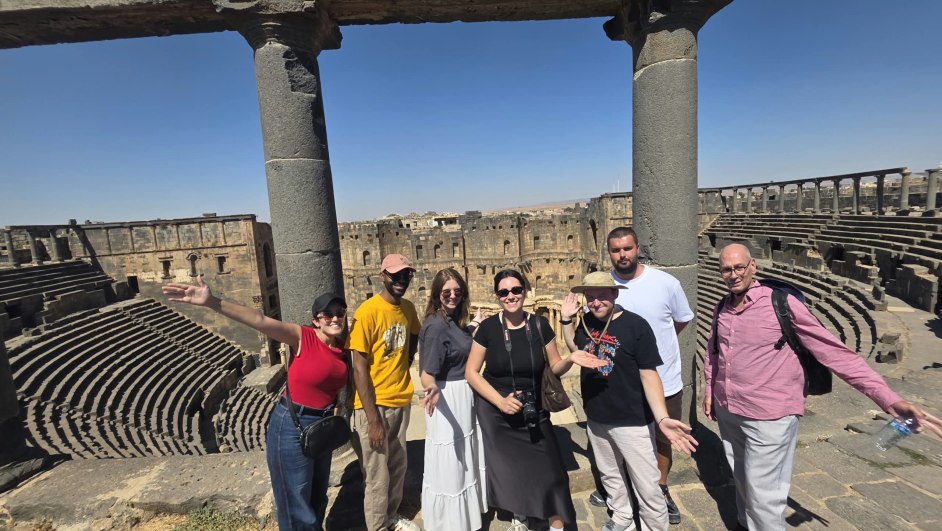
More than a checklist of ruins
Coastal mountain villages, local traditions and the people you meet give this journey its character.
UNESCO heritage: what the tour actually covers
Syria has six UNESCO World Heritage properties: the Ancient City of Damascus, Ancient City of Bosra, Site of Palmyra, Ancient City of Aleppo, Crac des Chevaliers and Qal’at Salah El-Din (a combined property), and the Ancient Villages of Northern Syria.
Our suggested route features five of these six properties, if all relevant visits are accessible. The Ancient Villages of Northern Syria are not part of the standard nine-day programme, and Ugarit—though archaeologically significant—is not one of Syria’s six inscribed World Heritage properties. Travellers wishing to visit all six can request a specially designed, longer itinerary with access checks.
Designed around your pace
Local guiding
Your knowledgeable guide connects each historic site to the communities and stories behind it, with room for your questions and interests.
Hotels & transport
We suggest practical overnight stops, your preferred hotel style and suitable private transport for both coastal and inland stretches.
Tailored experiences
Add more time for archaeological study, coastal food, boatbuilding, photography, monastery visits or slow days. We can shorten the itinerary if needed.
Before you travel
Does this visit every UNESCO site in Syria?
No. The Ancient Villages of Northern Syria are not included in the standard itinerary. We can design an extended programme to cover all six, subject to access and realistic travel times.
Is Ugarit a UNESCO World Heritage Site?
No. Ugarit is a landmark Bronze Age archaeological site known for its contributions to the history of writing, but it is not among Syria’s six inscribed UNESCO World Heritage properties.
Is Arwad Island always accessible?
Boat services depend on sea conditions and local operations. We verify the crossing and offer a suitable coastal alternative if it cannot operate.
Can this itinerary be less rushed?
Yes. With more days, we can add time in Aleppo, on the coast and around Mar Musa, and schedule Bosra on a separate full day.
Travel from ancient Syria to the Mediterranean
Send your dates, group size, nationality and entry point, and tell us whether you care most about the coast, UNESCO heritage or a mixture. We will shape a realistic itinerary and personalised quote.
Request your quotationContact Syrian Guides