
Syria Art & Architecture Journey
Look beyond the façade: courtyard houses, painted timber, silk looms and contemporary sculpture, from Damascus to Aleppo and the frescoes of Mar Musa.
Shape this journey with usExplore the eight daysMeet the country through the things it makes
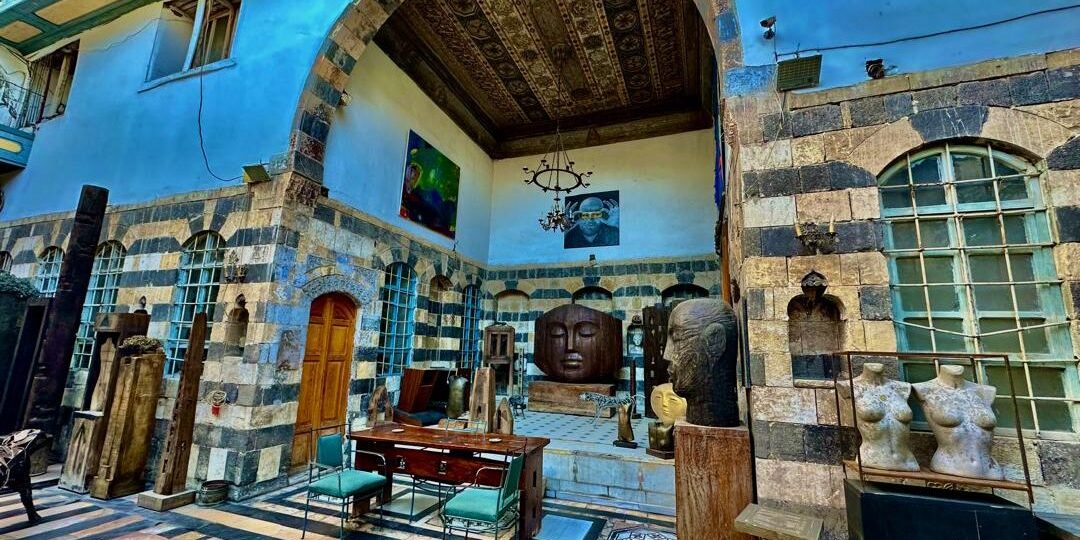
A sculptor’s courtyard, a painter’s studio, a panel of painted wood: these are the encounters we build this journey around. We’ll explore how Syrian homes were designed for privacy, hospitality and light, then spend time with the artists, designers and craftspeople shaping the country’s visual culture today.
Damascus gives us time for courtyard architecture, workshops and galleries. Aleppo brings a different urban character, especially around Jdeideh. Between them, Maaloula, Hama, Krak des Chevaliers and Mar Musa add village landscapes, water engineering, monumental stonework and medieval painting.
This is a thoughtful introduction for curious travellers, photographers, designers and art lovers. Tell us whether your interest is contemporary art, interiors, textiles or conservation, and we’ll give that subject more room.

Give the artists time, too
We’ll plan the art encounters before building the sightseeing around them. Choose the subjects that interest you most, and we’ll request a realistic combination of visits. Studios, collections and private homes open by agreement; the final programme names the appointments that have been confirmed.
Mustafa Ali Gallery, Damascus
Mustafa Ali’s sculpture explores the human figure, expression and memory in materials including wood and bronze. His gallery and foundation make contemporary art part of the Old City’s cultural life. Here, the courtyard is more than a backdrop: it changes how we see a face, a figure or an installation.
We’ll spend time looking closely at the works on view and how they inhabit the space. When available, an agreed artist conversation adds another layer to the visit.

The Badawi brothers: Bashir & Nimat
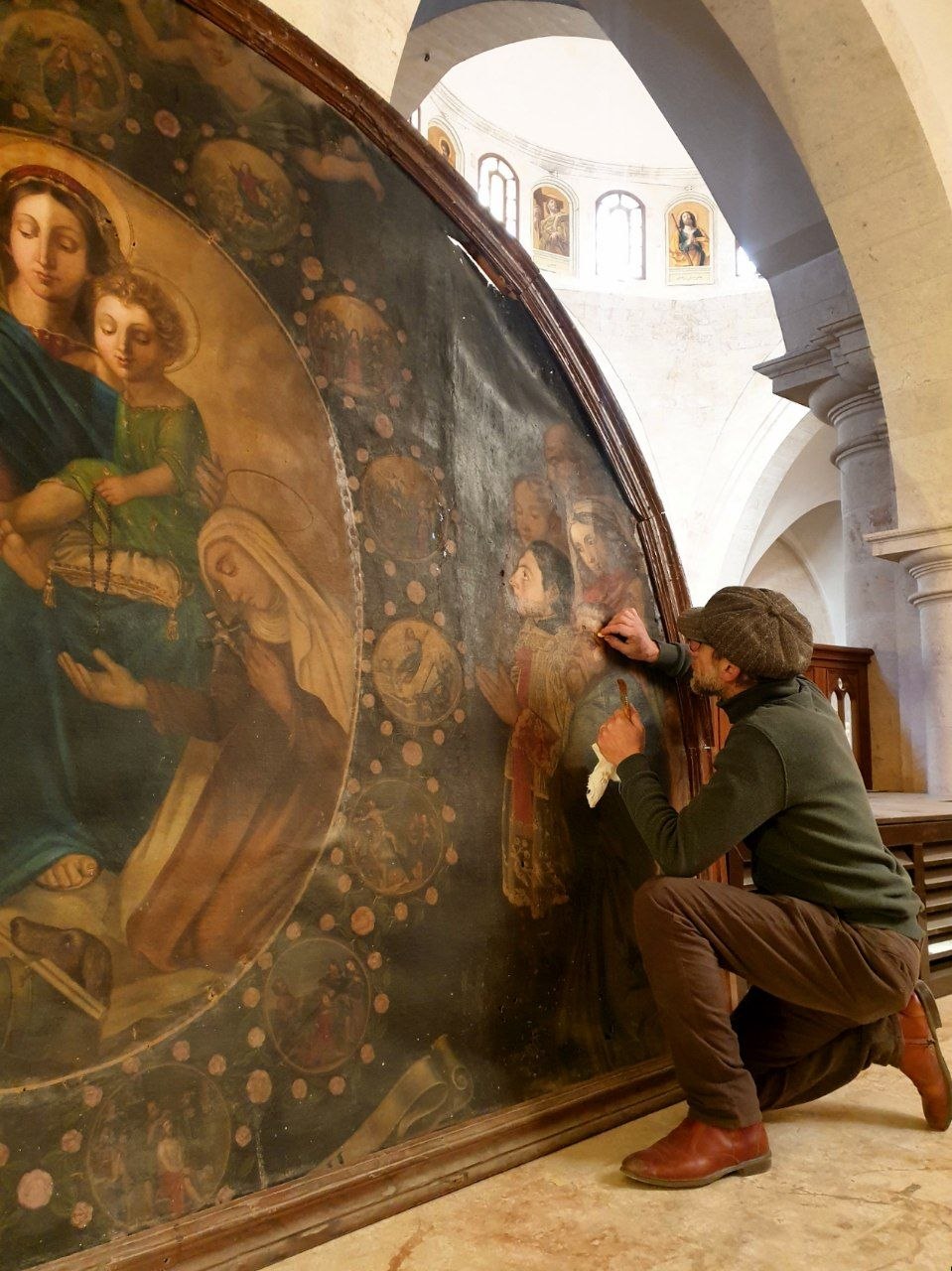
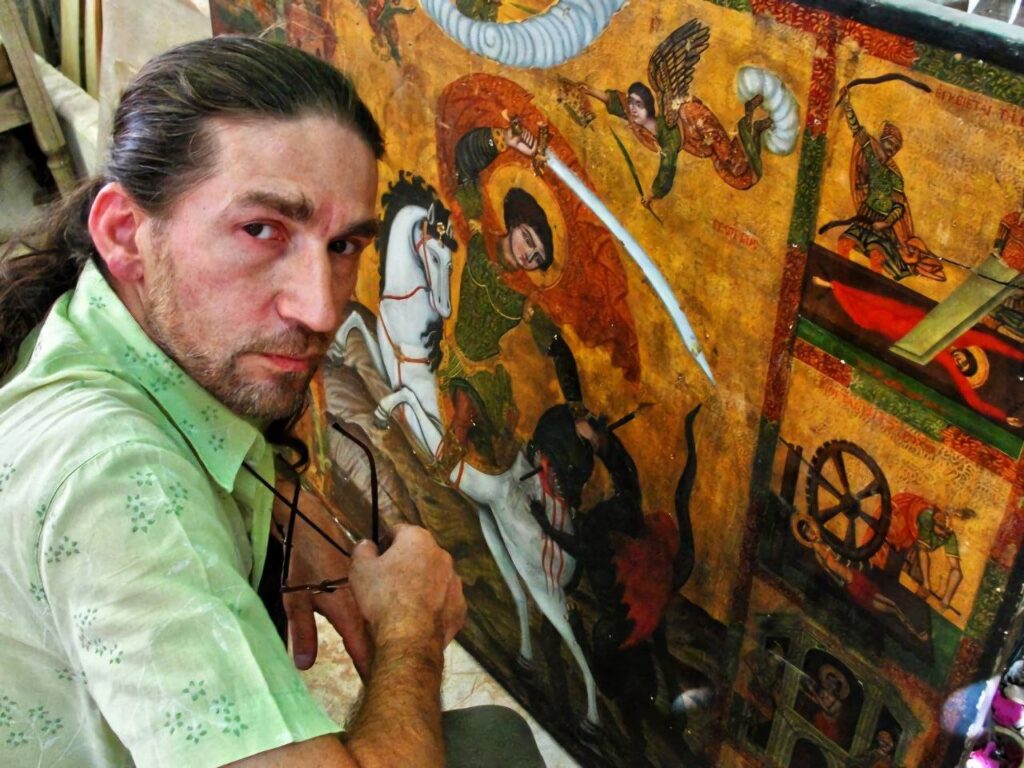
The brothers’ practices bring contemporary painting into conversation with icon art. Nimat studied Byzantine icon techniques in Italy and works in icon restoration; their shared exhibition history also shows a long creative dialogue beyond a single religious subject.
For this journey, we’ll request an encounter that lets you see the work at a human pace: looking, listening and asking questions about what the artists choose to share. The visit will connect the studio’s present-day work with the artistic heritage we encounter across the route.
Icon restoration is specialist work, so this is an opportunity to learn, rather than a hands-on restoration session. The two photographs show Nimat at work; they do not depict a scheduled tour demonstration.
Two cities, with space to look closely
Damascus → Maaloula → Aleppo → Hama → Krak des Chevaliers → Wadi al-Nasara → Mar Musa → Damascus
Three nights in Damascus, two in Aleppo, one in Wadi al-Nasara and a final night in Damascus. Day 6 is the fullest travelling day; we can add a night if you prefer a gentler pace.
What makes this journey different
We link buildings to their makers: courtyard planning to domestic life, ajami to decorated interiors, brocade to the loom, and religious spaces to their mosaics and frescoes. Contemporary art is part of the conversation too.
Visits chosen around your interests
We arrange a small number of meaningful workshop and gallery visits. Artist meetings, private houses and specialist demonstrations depend on individual permission and availability; we’ll confirm your appointments before the trip.
An eight-day starting point
The sequence below leaves time to look, ask questions and enjoy the places between appointments. Opening hours, exhibitions and workshop availability shape the final programme.
Arrive in Damascus
We’ll meet you at Damascus airport and take you to your hotel. If you arrive early enough, we’ll begin with an easy walk in the Old City: narrow lanes, doorways and a first courtyard stop, with no major appointment to rush towards.
Over a welcome conversation, we’ll learn what catches your eye—architecture, painting, textiles or craft—and explain how the coming days fit together. Late arrivals simply settle in.
Overnight: Damascus
Courtyards, mosaics & the architecture of hospitality
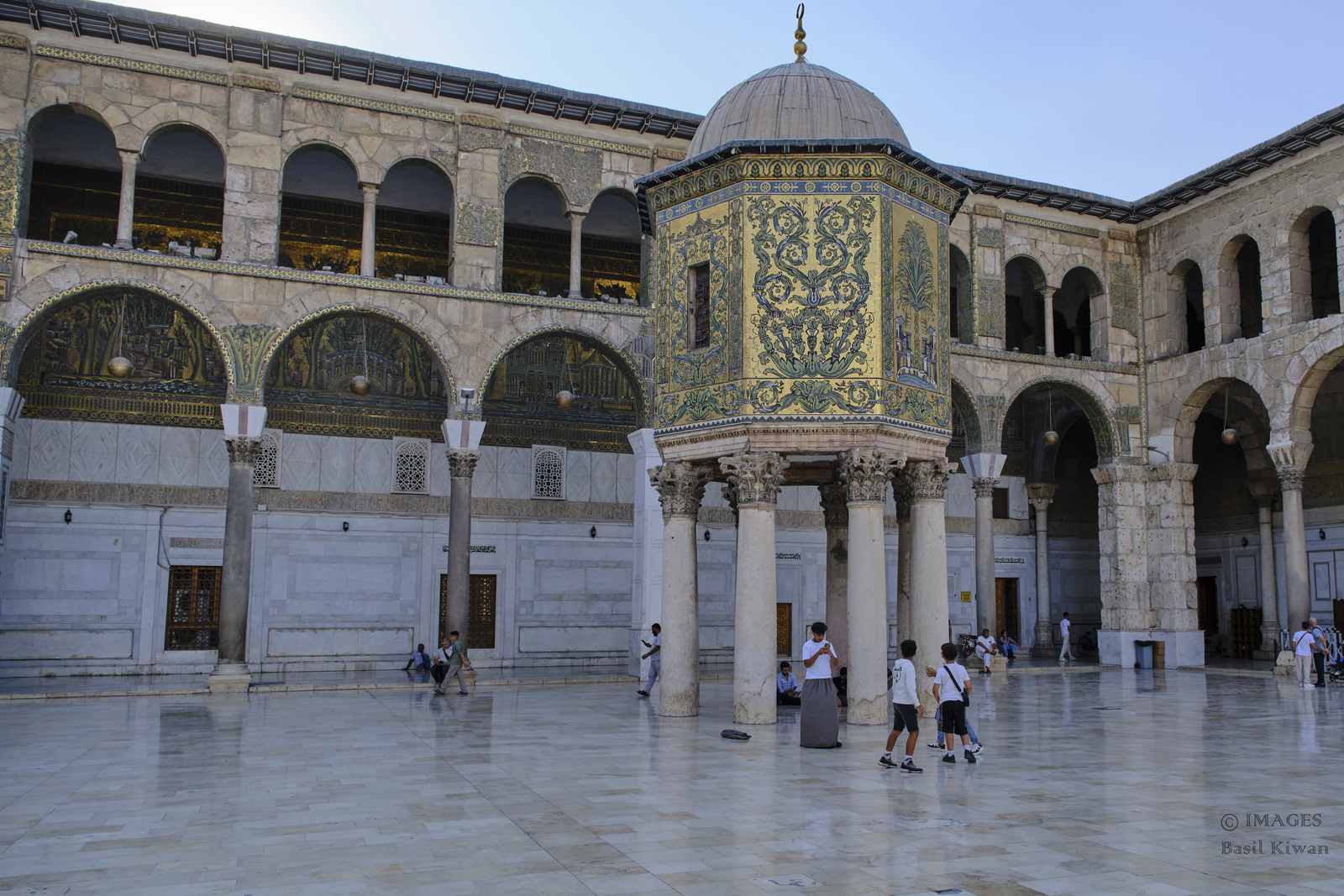
Begin at the Umayyad Mosque, looking at its courtyard, arcades and mosaic decoration as well as its place in the city’s religious life. We’ll explain the layers of history without turning the visit into a list of dates.
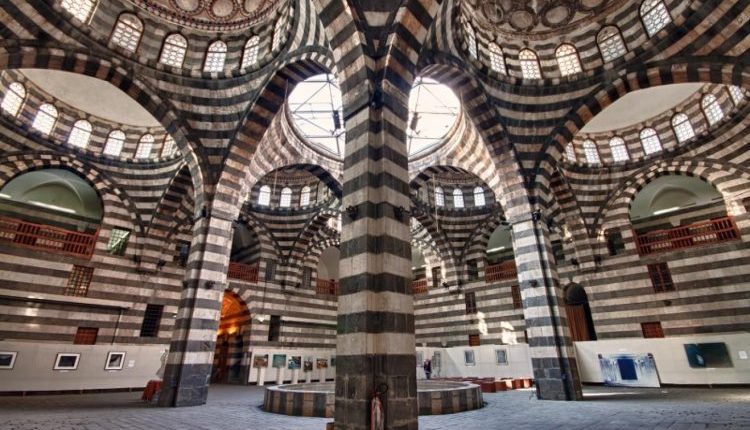
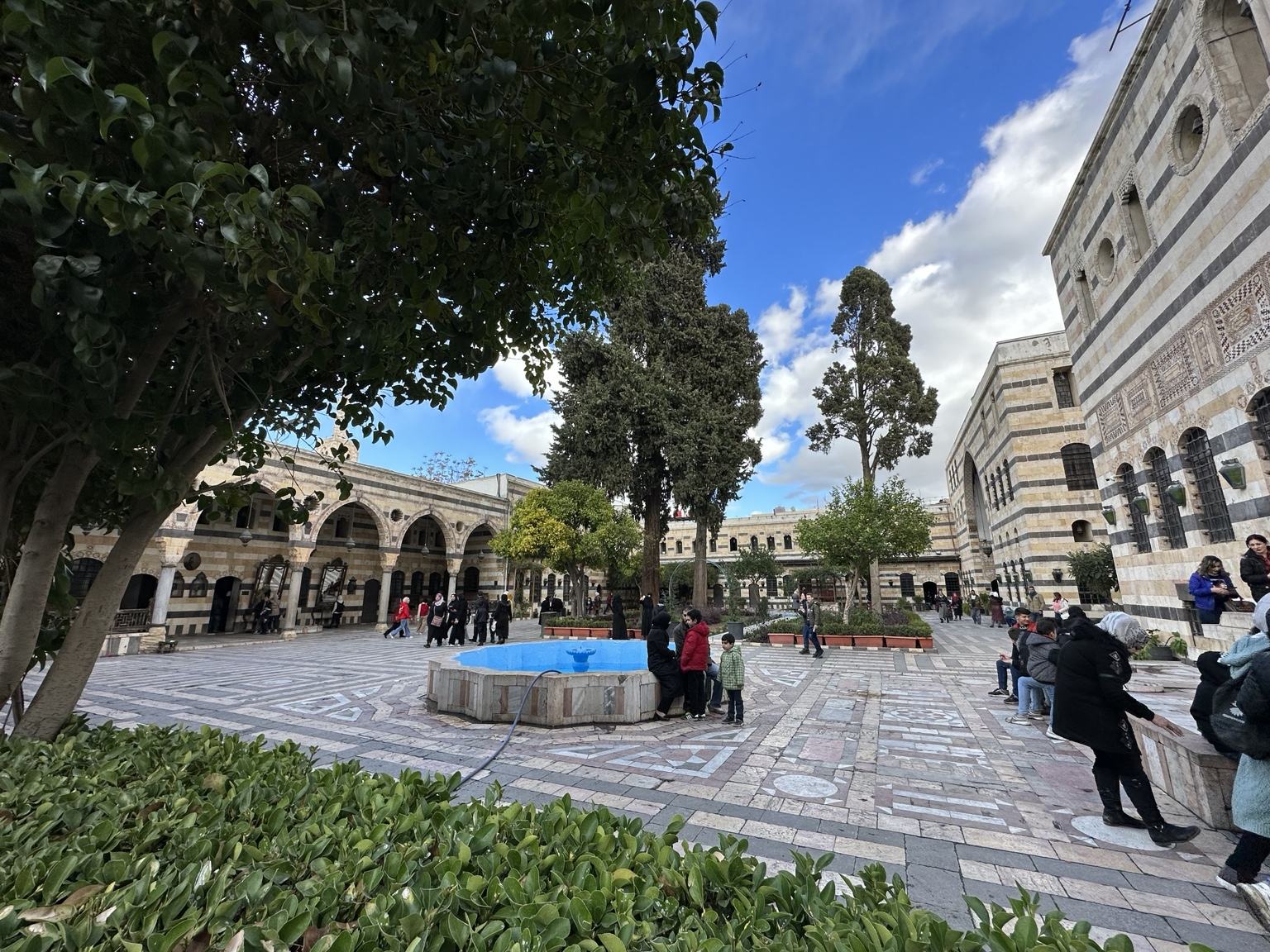
At Azm Palace, the focus shifts to domestic space: the relationship between courtyard and rooms, water and shade, stone and decorated timber. Later, Khan Asaad Pasha offers a striking change of scale. Its striped masonry and domed central space help explain how commerce also produced remarkable architecture.
We’ll pause for lunch in the Old City and leave time for small details along the walk, rather than adding a fourth major monument.
Overnight: Damascus
Studios, sculpture & the maker’s hand
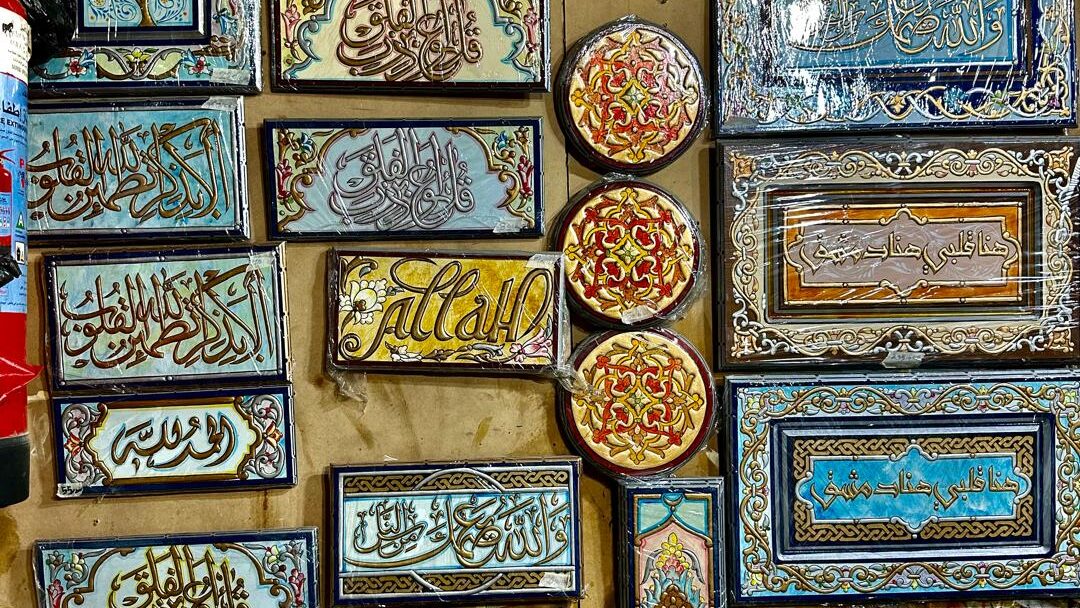
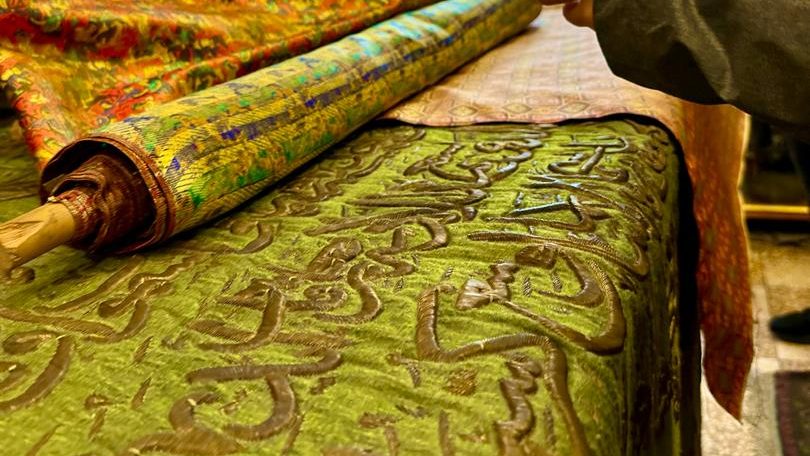
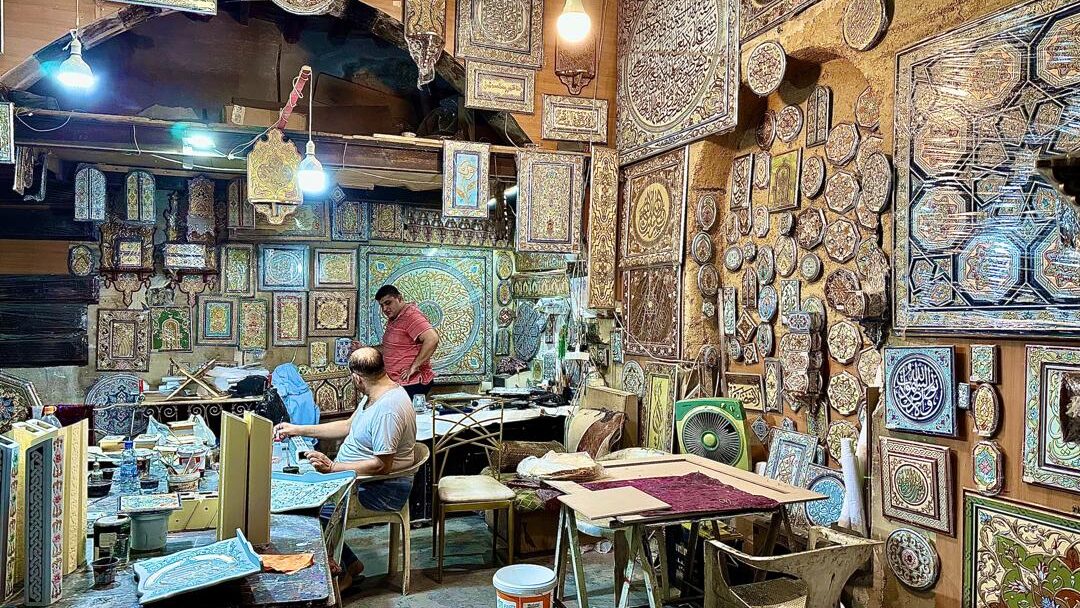
Today is the creative heart of the Damascus stay. We’ll choose a small number of appointments around your interests: a painter’s studio, a design space or a working craft workshop. Ajami, brocade, calligraphy and wood mosaic offer different ways into the relationship between skill, material and pattern.
Mustafa Ali Gallery is a key stop. In its historic Old City setting, sculpture and domestic architecture speak to each other. We’ll look at faces, figures, materials and the use of space, allowing time to experience the courtyard as well as the works. Meeting Mustafa Ali himself requires a separate confirmed appointment.
Depending on who is available, a requested studio visit might focus on Edward Shahda, Sara Shamma, Badee Jahjah or Ibrahim Habib. Design and ceramic interests could lead instead to Hazar / Tiamat Studio or Emilie Farah Ceramics. We’ll select visits with you; this is a choice of possible encounters, not a promise to fit every name into one day.
A current exhibition at Samer Kozah or Zawaya can replace a studio appointment. If your interests need more time, we recommend arriving a day earlier or adding a Damascus day.
Overnight: Damascus
Maaloula’s village setting, then north to Aleppo
Leave Damascus for Aleppo, with a short visual stop in Maaloula. Its hillside setting, closely grouped houses and rocky landscape offer a different architectural story from the courtyards of the capital. We’ll choose a manageable walk and a viewpoint suited to your mobility and the conditions that day.
This is a travelling day, so we won’t try to fit in an extensive monastery programme as well. After reaching Aleppo and checking in, an unhurried neighbourhood walk introduces the city’s stone streets and evening atmosphere.
Overnight: Aleppo
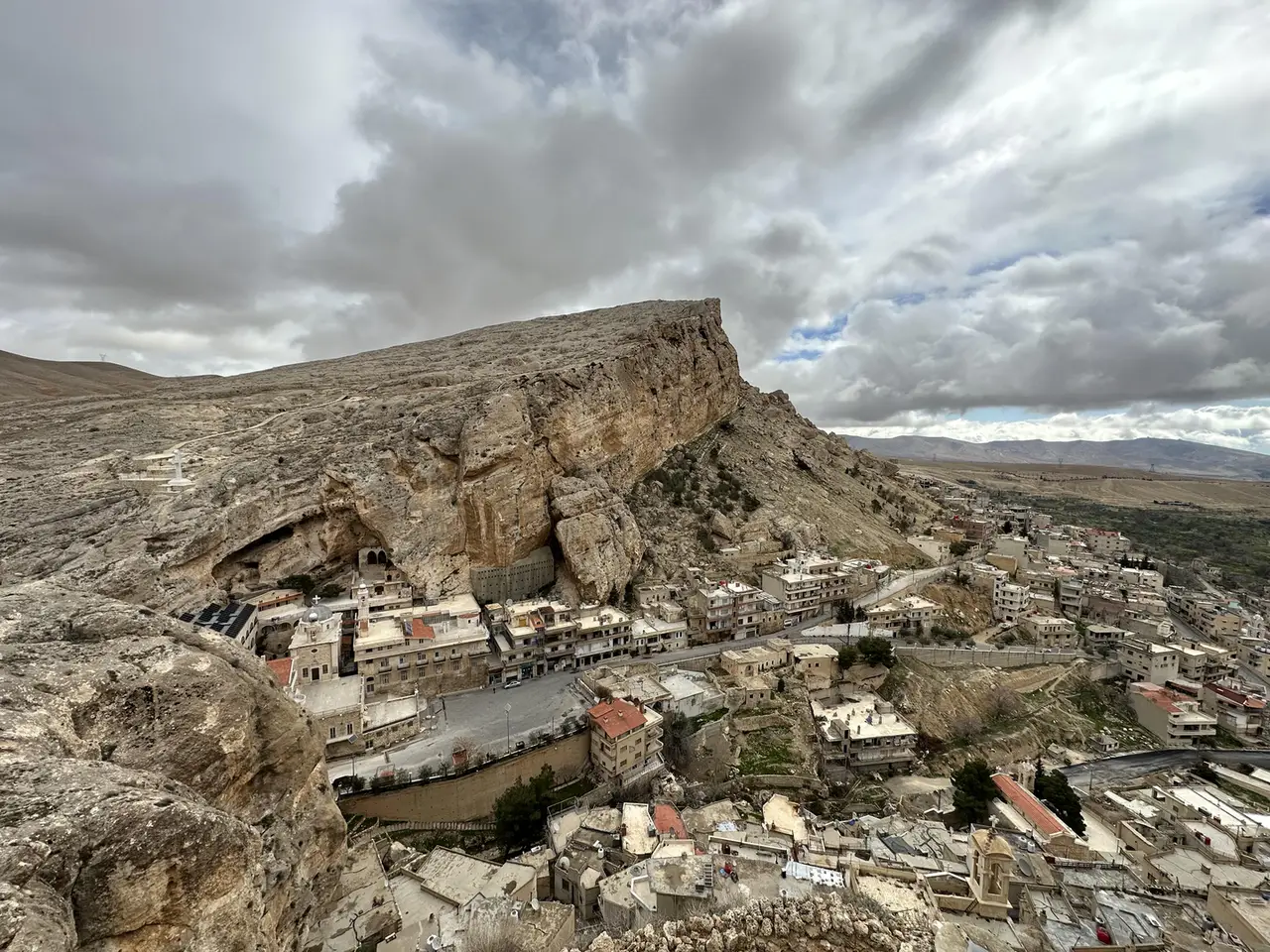
Aleppo: the Badawi brothers, icons & living art
Today’s artistic focus is the Badawi brothers, Bashir and Nimat, whose work connects painting, icon art and the care of Aleppo’s artistic heritage. We’ll request a studio encounter around their availability, leaving time for a conversation about the works on hand rather than a brief introduction at the door.
Nimat’s icon-restoration work opens up questions we can explore together: how an image is studied before treatment, what can be recovered, and where restoration should stop. The precise works and any demonstration will depend on what is in the studio and what the artists agree to show.
We’ll also walk through Jdeideh’s lanes, looking at carved stone entrances, courtyard planning and the way older spaces are being used today. A courtyard pause at Dar Halabia or Sisi House keeps the architecture connected to everyday hospitality. If arranged in advance, a private house and collection visit, such as Mr Abdul’s, can replace part of the walk.
A confirmed meeting with one brother does not imply that both will be present. We’ll agree the day’s appointments with you before travel and leave room for the conversations that make it worthwhile.
Overnight: Aleppo
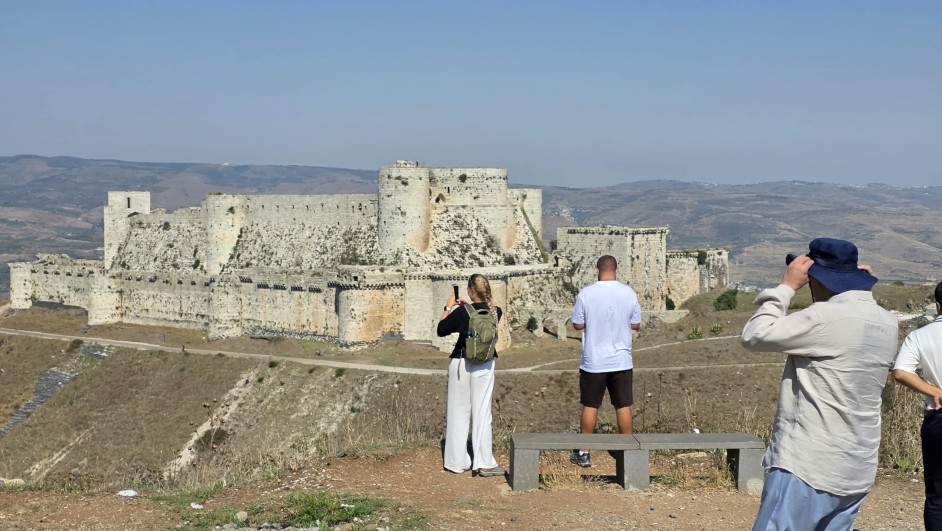
Hama’s waterwheels & Krak’s monumental stonework
Depart early for a brief riverside stop in Hama. The norias introduce another kind of design: structures built to lift water, shaped by the river and the needs of the city. Their operation depends on conditions, so we won’t promise to see them turning.
Continue to Krak des Chevaliers, where passages, vaults, defensive walls and changing viewpoints reveal the logic of a fortified building. We’ll look at how light enters its interiors, how movement is controlled and how the building was adapted over time.
We’ll stay in Wadi al-Nasara rather than return to a major city tonight. If time and the host’s availability allow, we can request an evening visit to Youssef’s winery, quoted separately. A Hama textile-printing encounter can also be explored, but would replace another stop or require an extra night; this is already the longest road day.
Overnight: Wadi al-Nasara
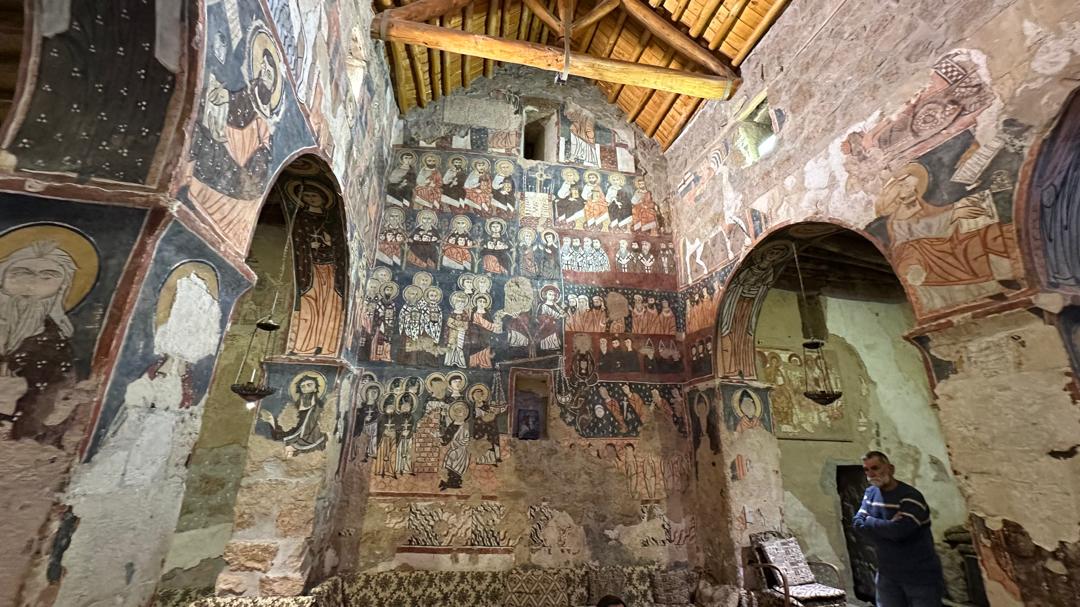
Mar Musa: a different scale, a different light
Travel to Mar Musa, where the approach is part of the experience. The climb from the parking area involves a substantial flight of uneven steps. We’ll take it slowly, with suitable footwear and water, and confirm beforehand whether it suits everyone in your party.
Inside the church, medieval frescoes offer a quieter way to end the artistic journey. We’ll take time with the painted surfaces and their setting, respecting prayer, silence and any photography restrictions. A meeting or meal with the community is only included if separately agreed.
If you enjoy sketching, bring a small art journal: we can leave quiet time for observations or drawing where the community permits it, without making marks on historic surfaces. Continue to Damascus for the final night. If the ascent is unsuitable, we’ll agree an accessible alternative before the trip.
Overnight: Damascus
A final morning, then departure
Depending on your flight time, enjoy a final breakfast and perhaps a short independent walk near your hotel before your private transfer to Damascus airport. Tell us if you would like a longer stay for galleries, shopping or another day with a specialist guide.
Beirut or another entry and departure arrangement can be quoted separately, with the route adjusted around the additional travelling time.
Departure day
More than a series of buildings
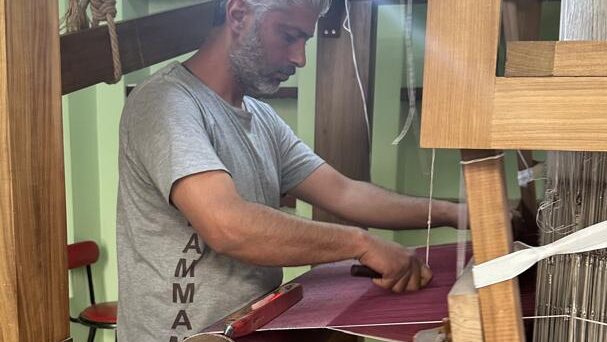
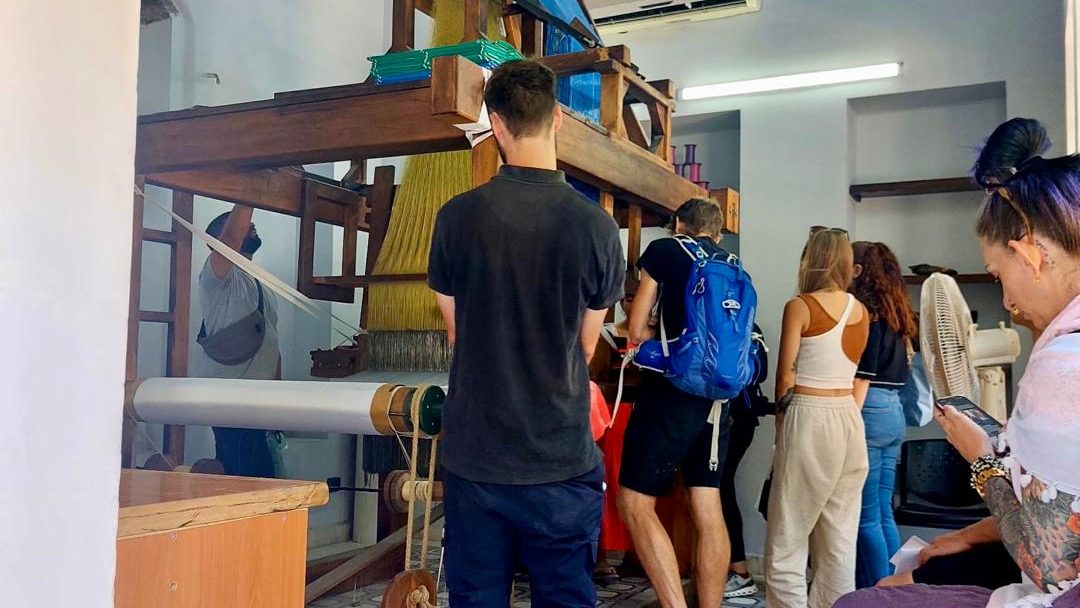
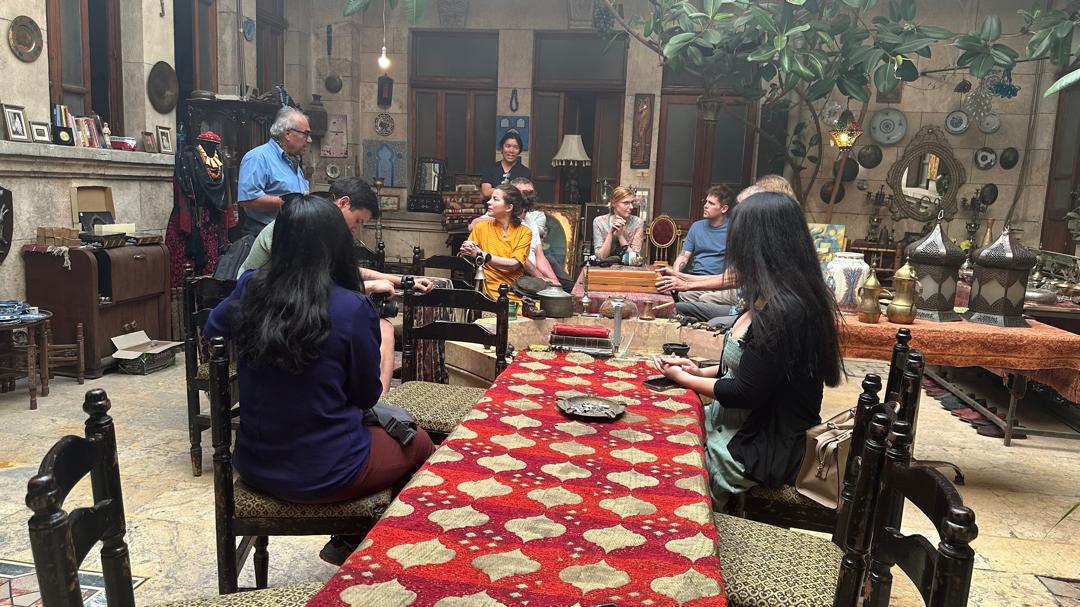
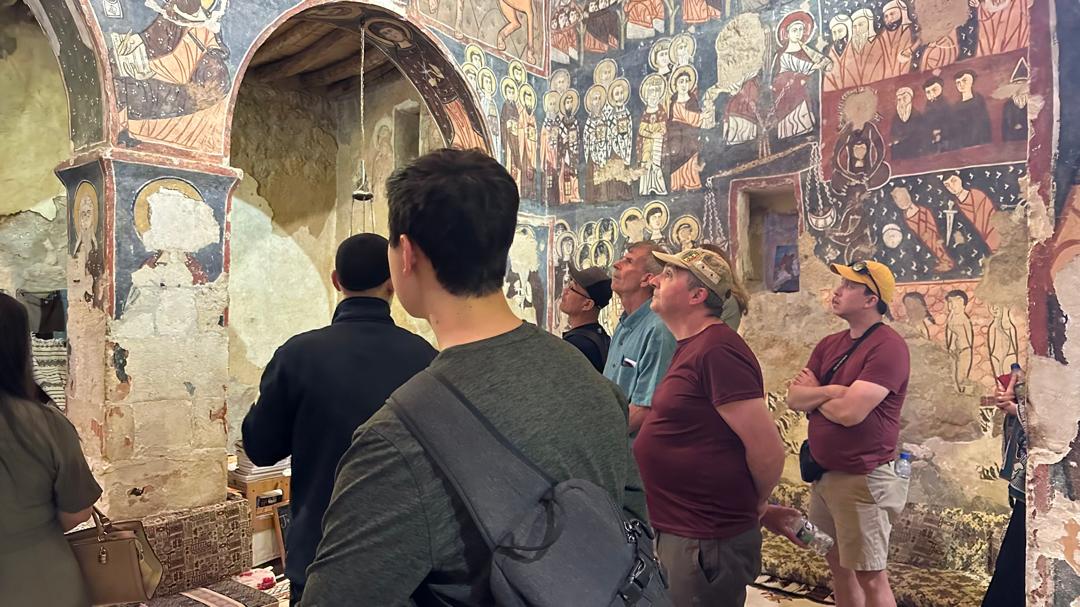
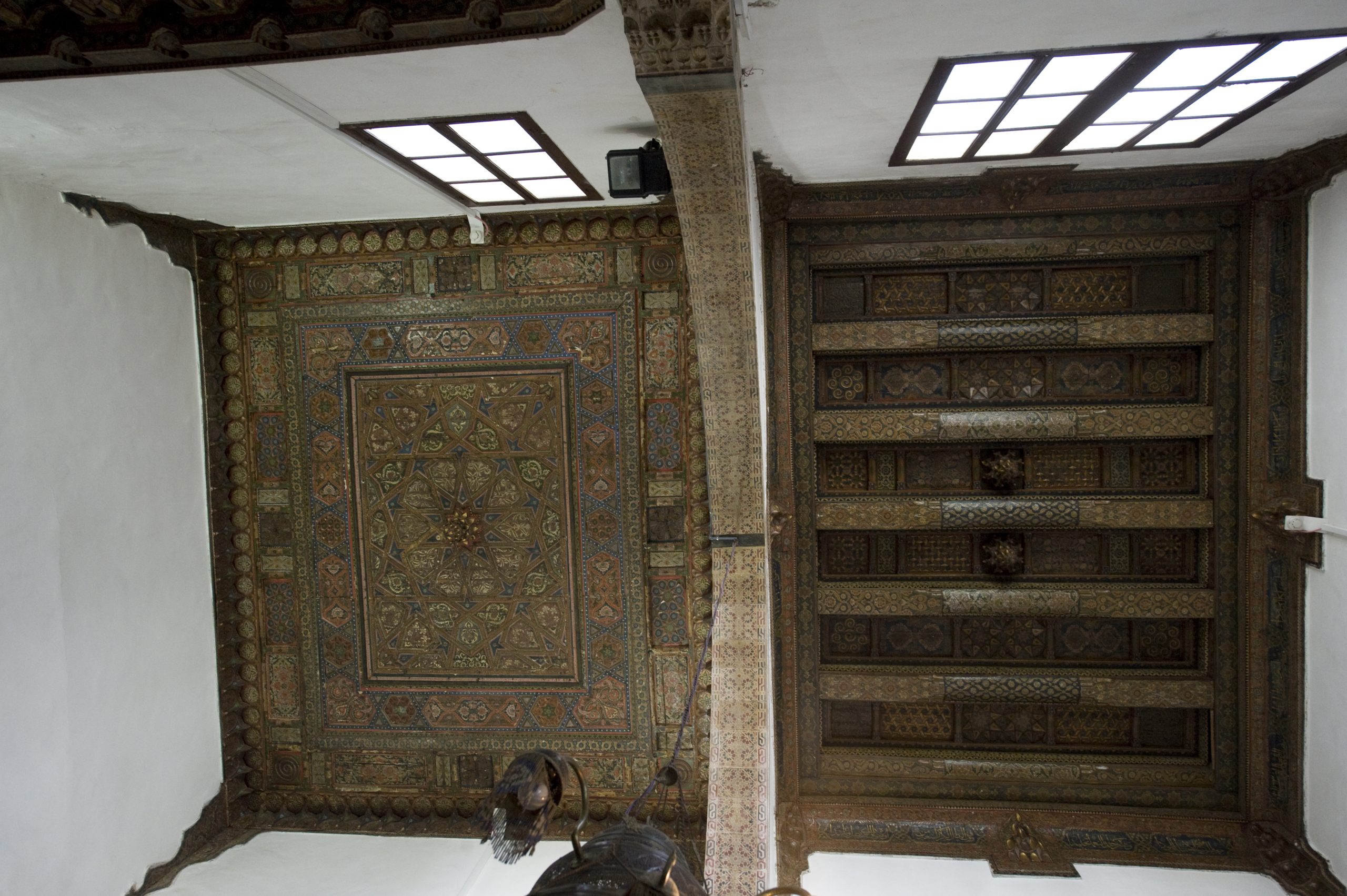

These are photographs from places and encounters connected with our journeys. Individual hosts, working demonstrations and access to interiors are confirmed for each departure.
Hotels with character, chosen for comfort
In Damascus, a courtyard hotel makes the architecture part of your stay. Via Recta and Beit Al Mamluka are examples we can discuss, depending on your budget and availability. Aleppo options may include Riga Palace or a suitable alternative; in Wadi al-Nasara we’ll choose a comfortable base for the route.
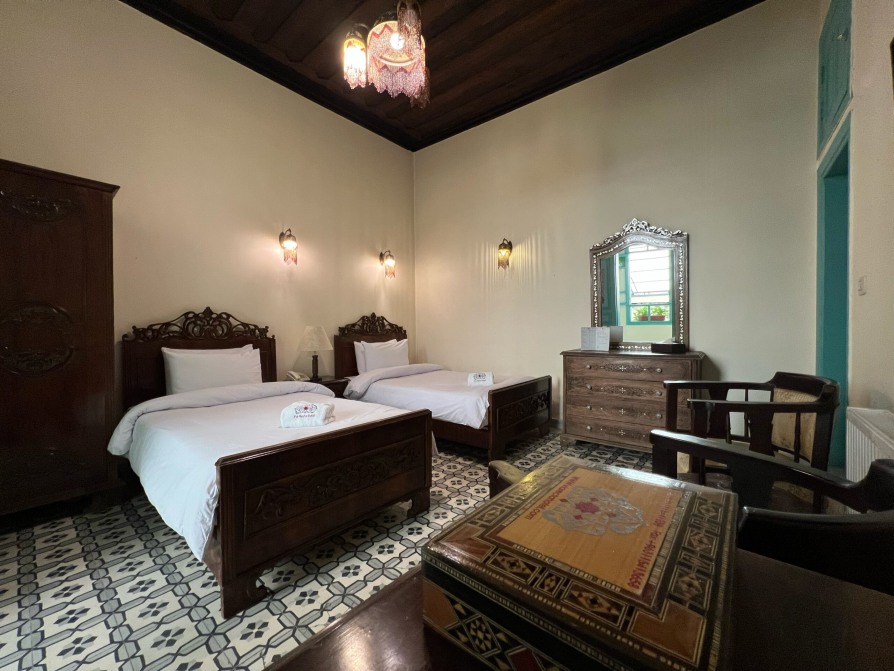

Hotel photos illustrate possible options, not a guaranteed room category. Your quotation names the proposed hotels, room types and breakfast arrangements. Tell us about stairs, lift access, twin beds or any other requirements before we book.
A private vehicle that suits your party
We match the vehicle to passenger numbers, luggage and comfort. Your driver handles the road journeys; old-city lanes and workshops are generally explored on foot. We’ll discuss shorter walks and suitable drop-off points if needed.

Sedan
A compact option for one or two travellers, subject to luggage requirements.

Hyundai H-1 or similar
More room for a small party, with the seating layout and luggage space confirmed in your quote.

Minibus
A practical choice for larger private parties travelling together.
Photos show vehicle categories. The exact model, capacity and transfer arrangements are confirmed before booking.
Your price, with the choices explained
The cost depends on your party size, rooms, hotel standard, vehicle and any specialist appointments. Send us your dates and number of travellers, and we’ll provide the total for your party and the price per person, with optional upgrades priced separately.
What we’ll itemise in your proposal
- Seven nights at named hotels, with room and meal arrangements.
- Private transport and the agreed airport transfers.
- Guiding language, guiding days and entrance fees.
- Workshop, gallery or specialist visits and any appointment fees.
- Visa assistance and any other agreed services.
Choices you can compare
Ask us to show two hotel options, or compare the cost for two, four or six travellers. We’ll explain what changes so you can choose on more than price alone.
Flights, visa fees, meals not specified, personal purchases, tips, insurance and hands-on workshops are only included when explicitly listed in the quotation.
The written proposal confirms inclusions, exclusions, availability, payment terms and any separate border transfer costs before you book.
A few useful details
Can we meet particular artists or visit private houses?
Tell us who or what interests you. We’ll request a suitable appointment where possible, but a named artist, owner or private home is never guaranteed without confirmation. We won’t substitute an unannounced visit.
Is this a hands-on art course?
The standard journey focuses on looking, learning and conversation. A practical workshop, specialist lecture or sketching session can be arranged separately where a host agrees. We’ll confirm the duration, materials and extra cost first.
How much walking and climbing is involved?
Expect uneven paving, old-city lanes and stairs in historic buildings. Krak has sloping and stepped passages; Mar Musa has a substantial ascent. Tell us about mobility requirements so we can adapt the route before booking.
May I photograph the work and the people?
We’ll ask permission in workshops, galleries, private interiors and religious spaces. Some artists restrict photography of their work. Please ask before photographing a person, and allow the guide to explain any local restrictions.
Can we make this slower or more specialised?
Yes. Add Damascus time for textiles or contemporary art, give Aleppo another day, or break the longest road day with an extra night. We can also replace Mar Musa if your main interest is urban architecture or if the steps are unsuitable.
What would you like to look at more closely?
Send your dates, number of travellers, room preferences and the subjects that excite you. Mention any artists, techniques or buildings you especially want to explore, and we’ll build a realistic programme around them.
Ask for your itinerary & priceContact Syrian Guides