
SYRIAN GUIDES · PRIVATE ARCHITECTURAL EXPERIENCE
Houses & Palaces of Damascus
An eight-hour journey behind Damascus’s historic doors: Ottoman palaces, elegant merchant mansions, the homes of poets, and the intertwined stories of families who shaped the Old City.
Enquire about this tourExplore the housesThe city behind its doors
Behind an ordinary wall, an extraordinary world.
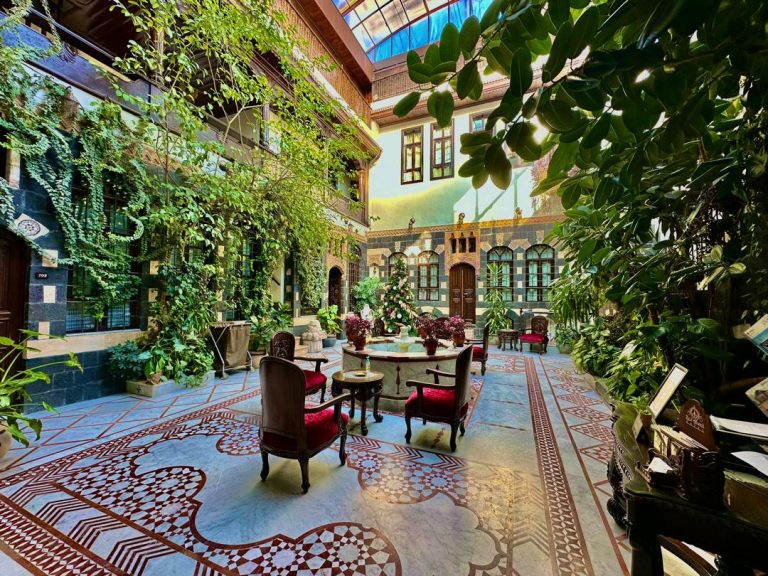
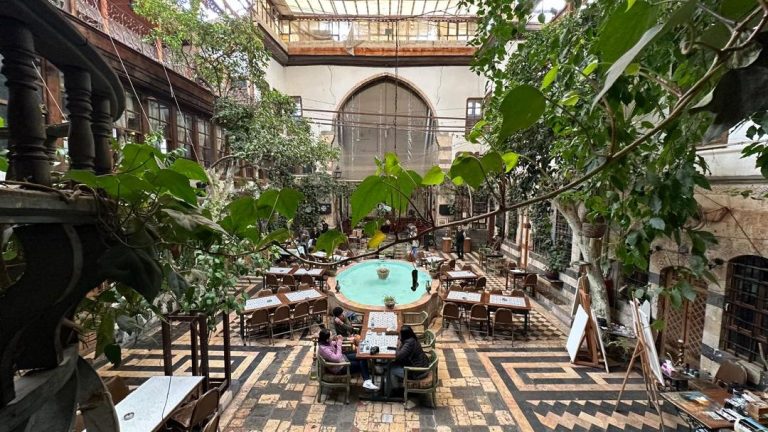
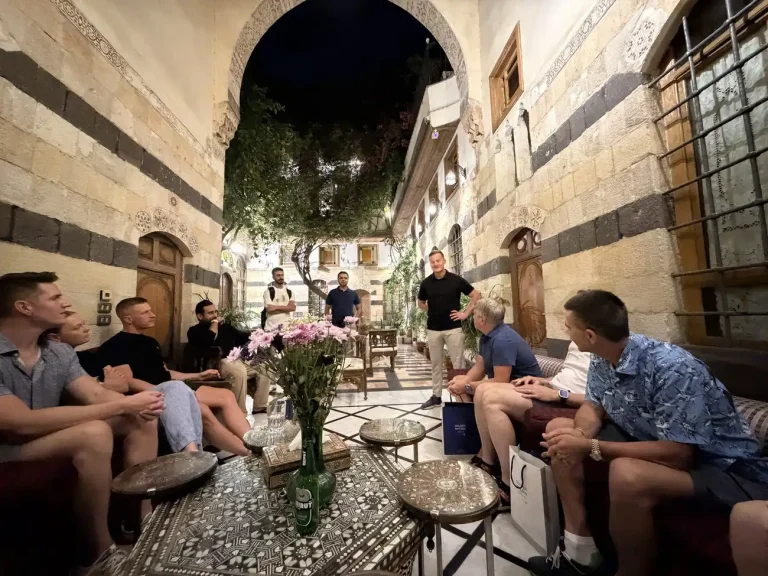
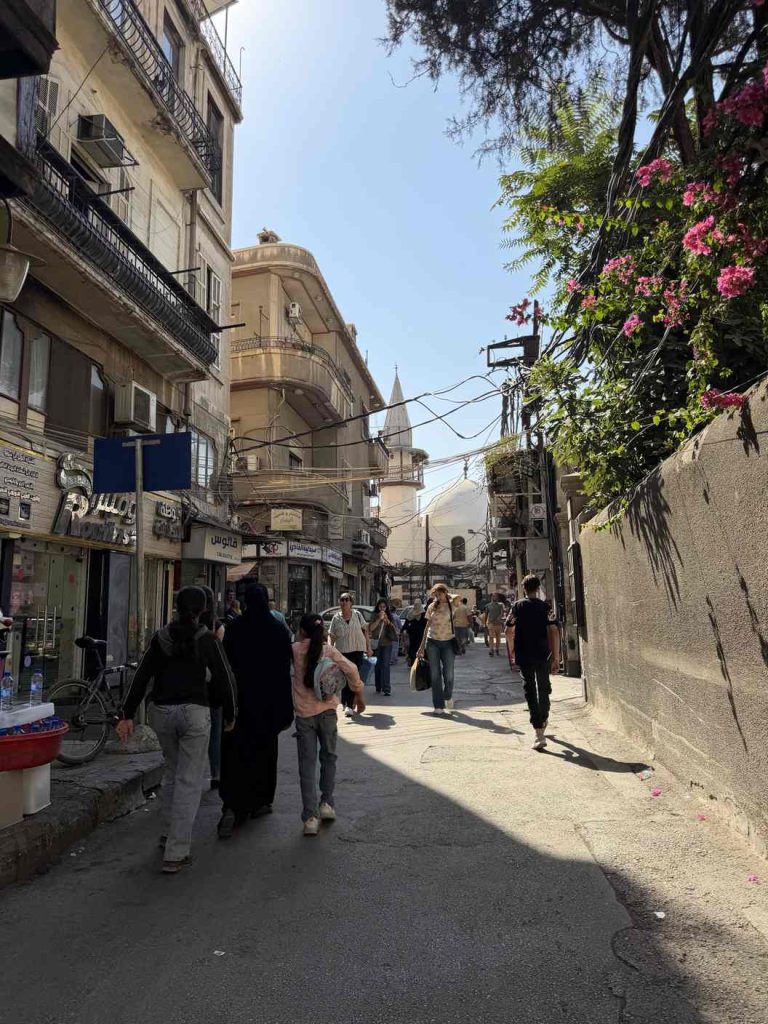
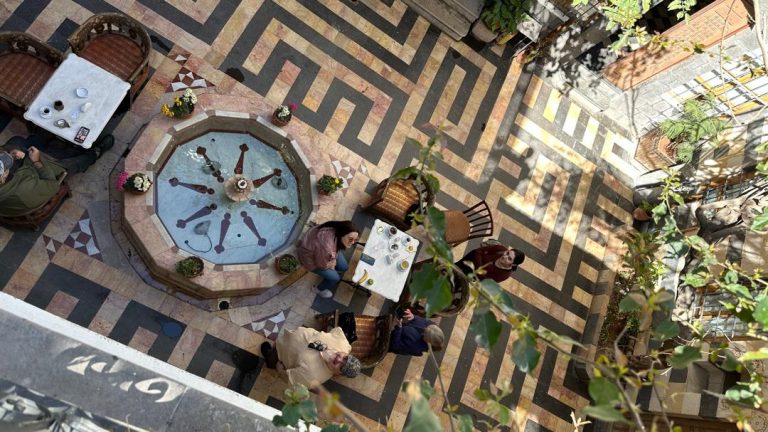
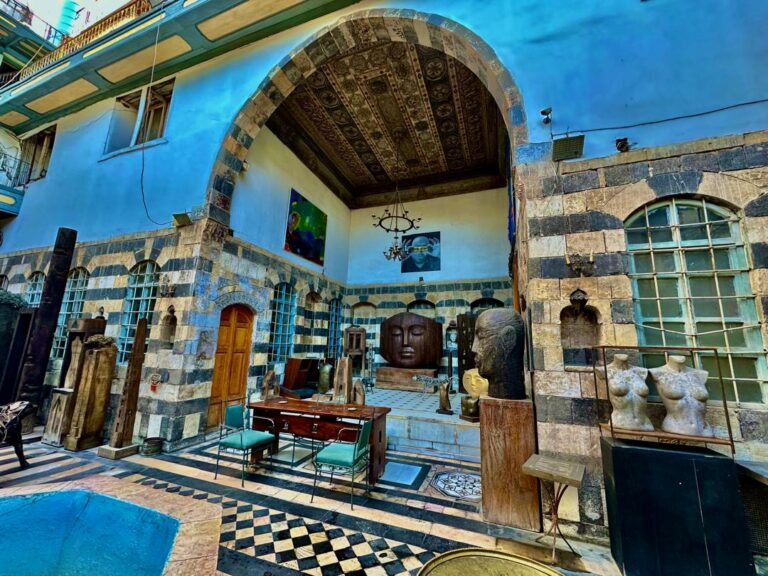
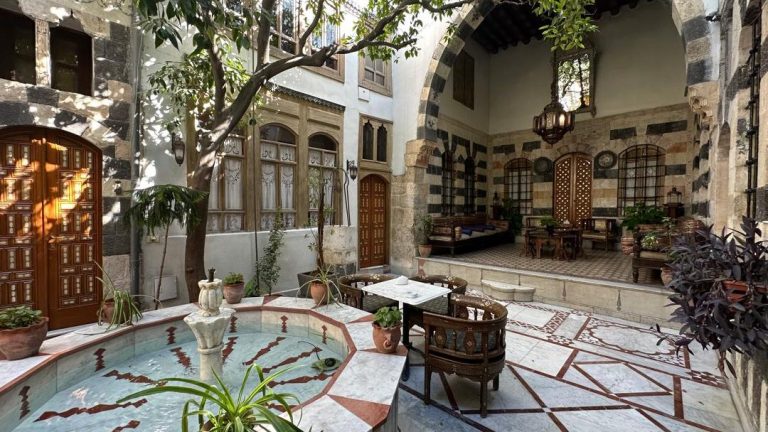
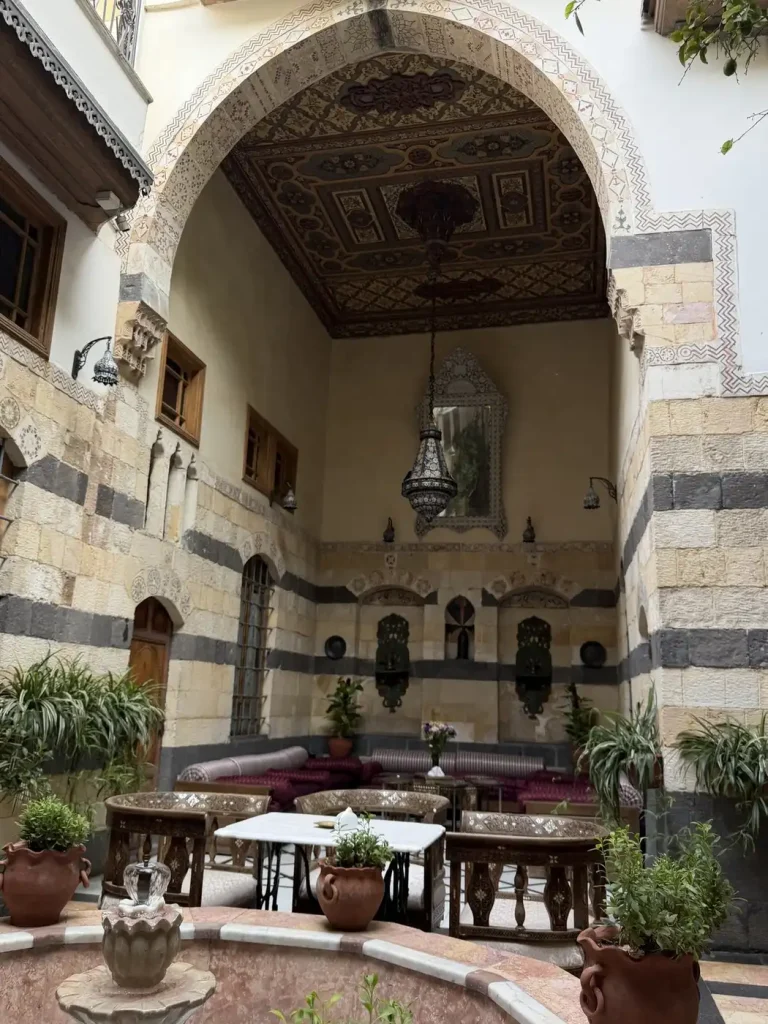
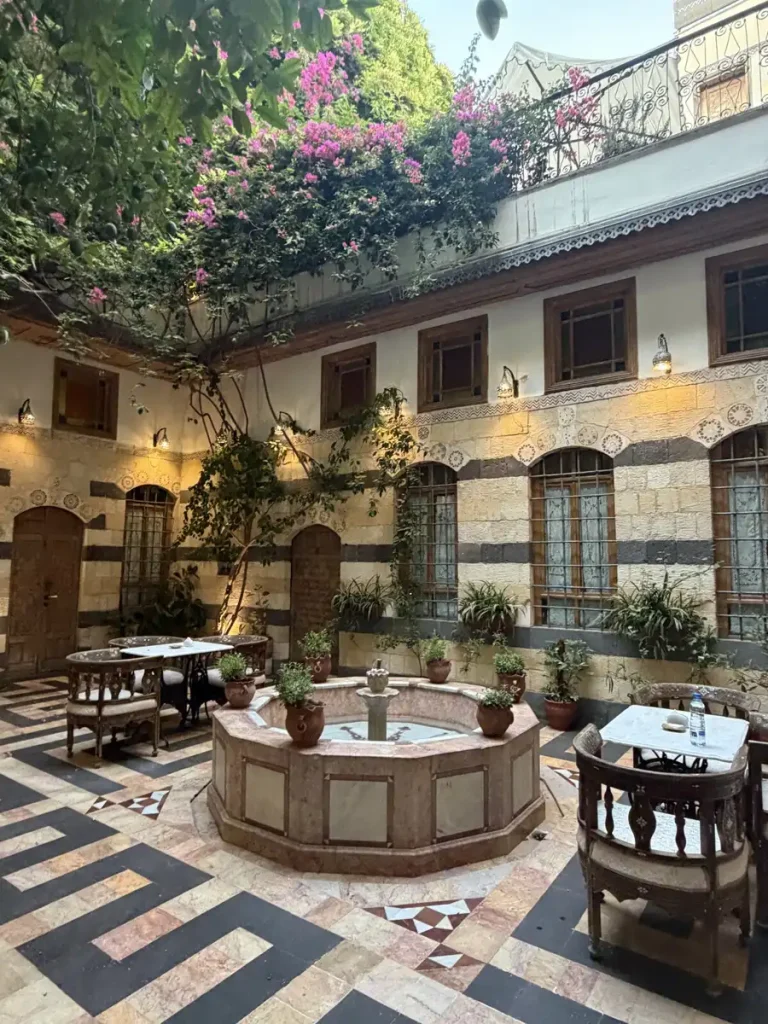
Damascus reveals itself slowly. From the street, many of its grand houses look almost unassuming. Pass through a carved wooden doorway and you enter another world: cool marble courtyards, carved ceilings, bubbling fountains, lemon and jasmine trees, iwans and salons designed for conversation and hospitality.
The journey follows the city’s domestic architecture through Ottoman governors’ residences, Muslim and Christian merchant houses, Jewish-Damascene family heritage and the homes associated with modern Syrian poetry. The pace allows time for photography, detailed explanations and a courtyard lunch before ending with coffee in a historic café.
Grand houses, personal stories
Explore how politics, trade, poetry, family life and faith shaped the built environment of Damascus.
More than decoration
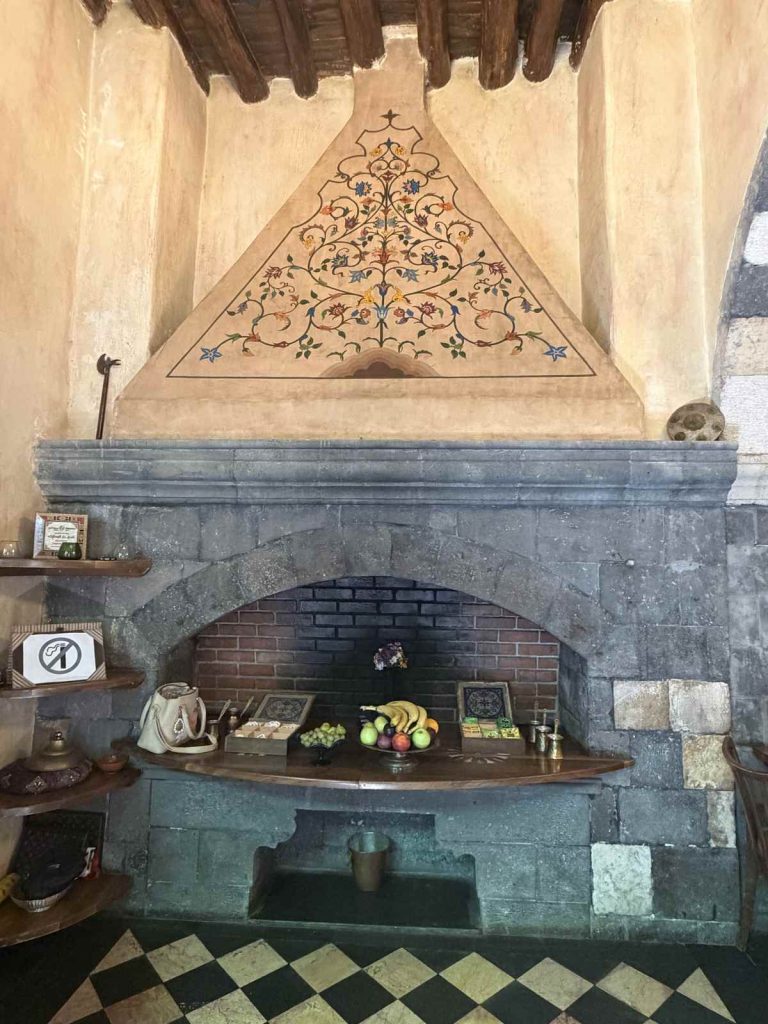
Discover the purpose behind courtyards, iwans, stonework, stained glass and ornate wood ceilings.
Time to linger
Enjoy a full-day experience with a local guide, a lunch break and a relaxed café finale.
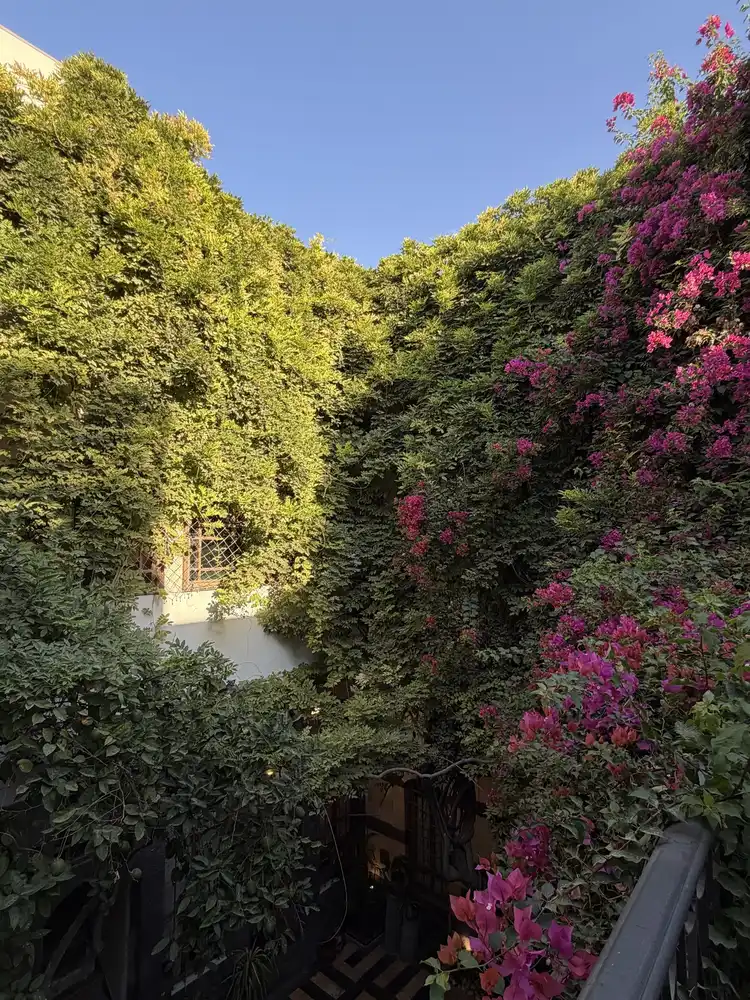
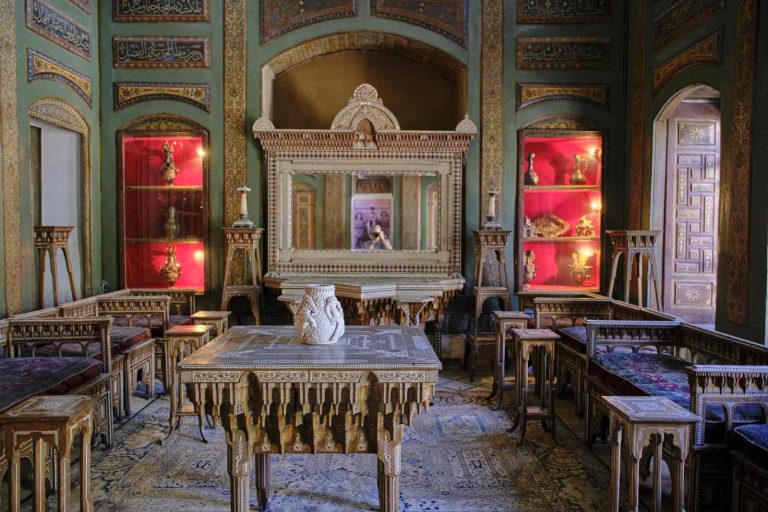
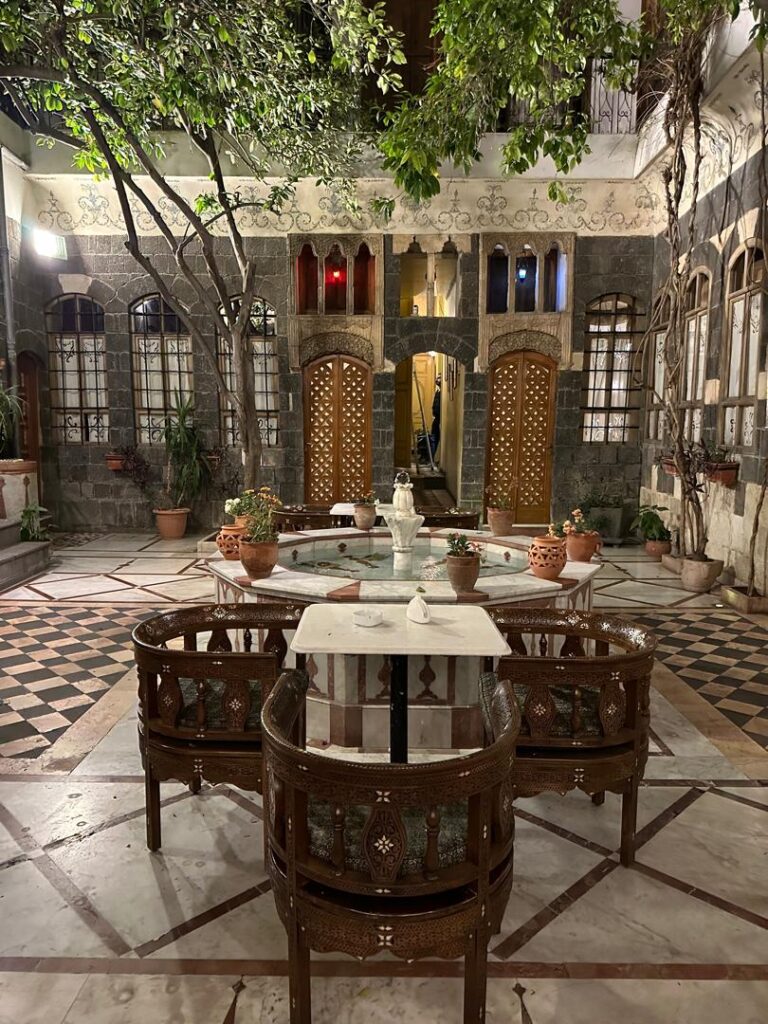
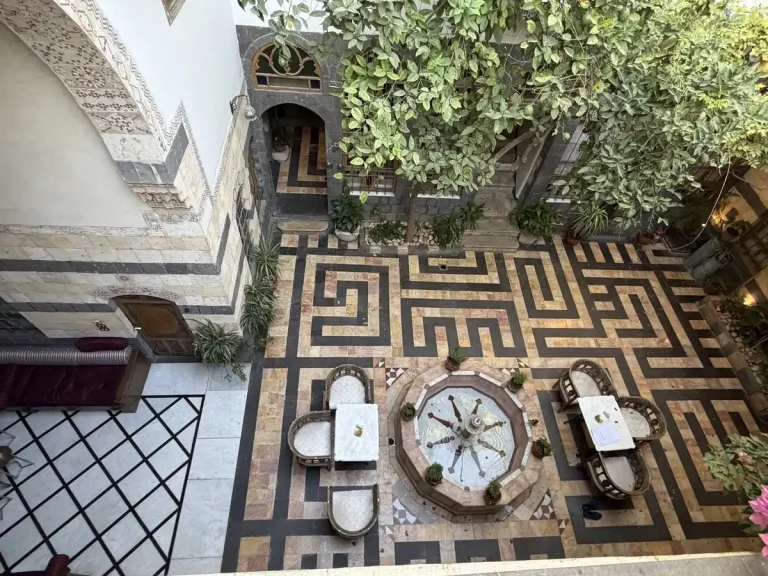
A treasury of domestic architecture
Houses featured in this journey
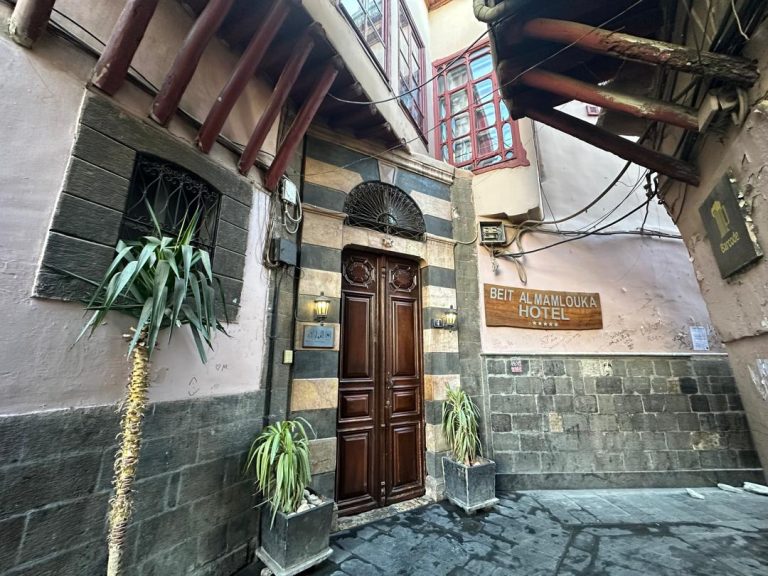
The itinerary includes Qawatli Mansion, Jazaar House, Azm Palace, Aqqad House, Nizam House, the Qabbani residence, Beit Farhi and Maktab Anbar, plus lunch at Beit Jabri and a final café stop. Your guide will confirm arrangements for any privately owned residences.
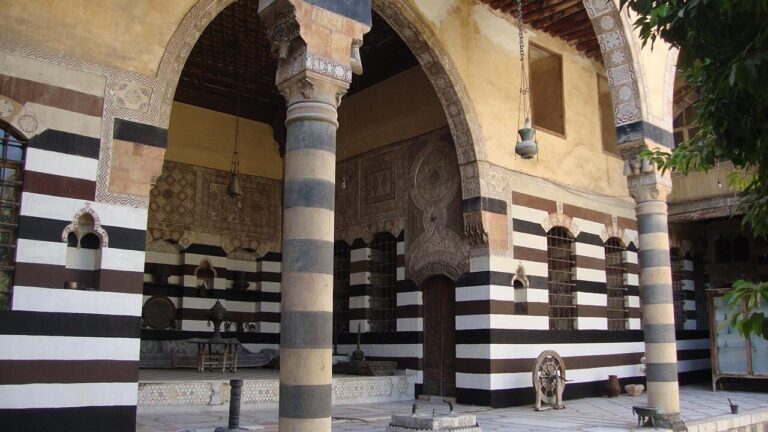

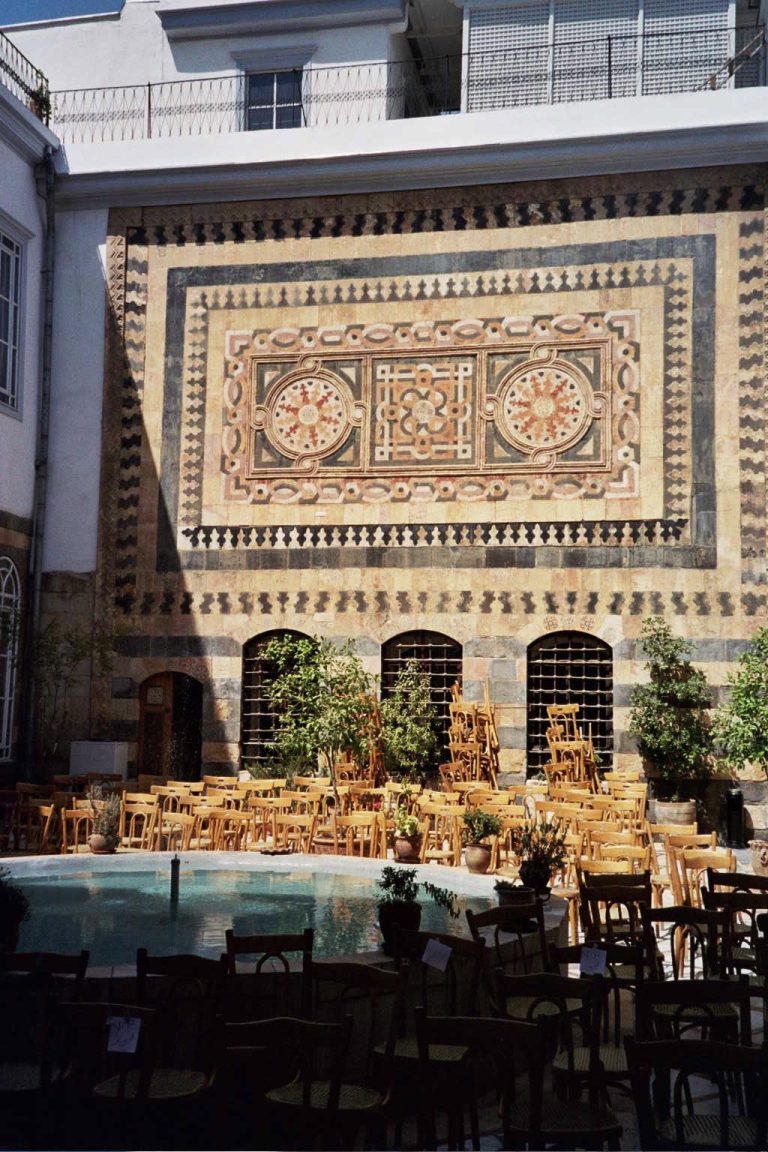
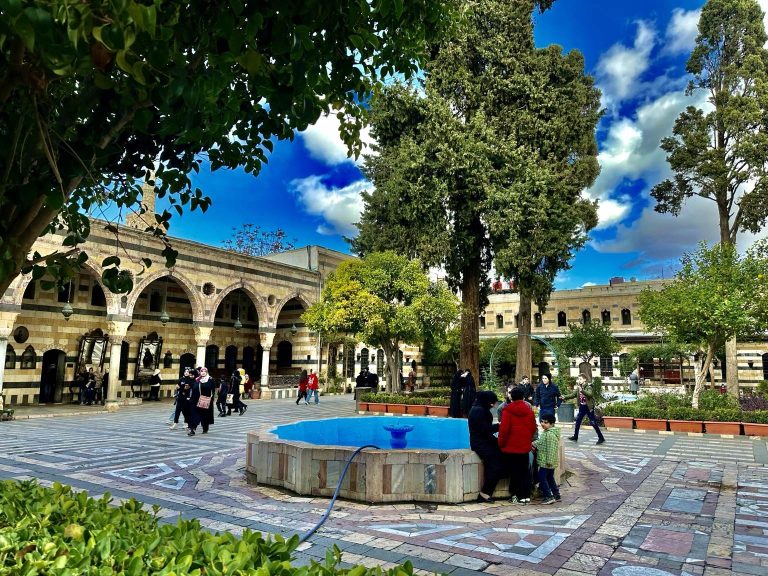
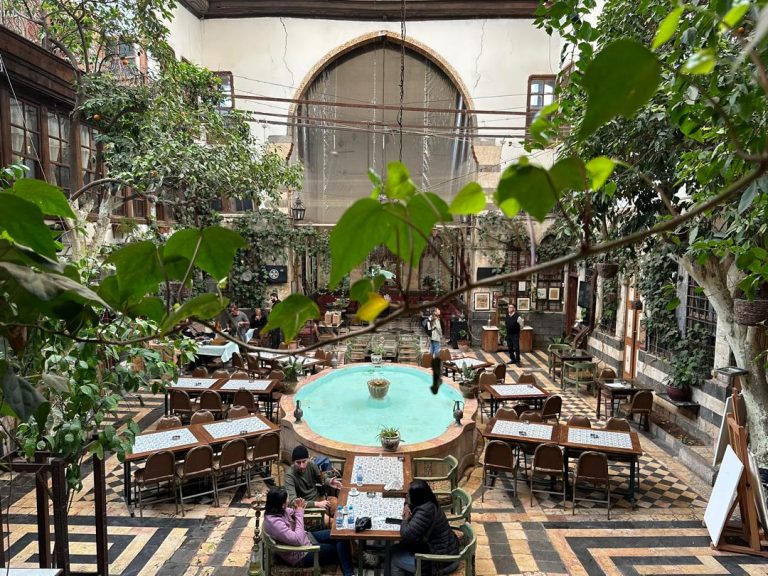
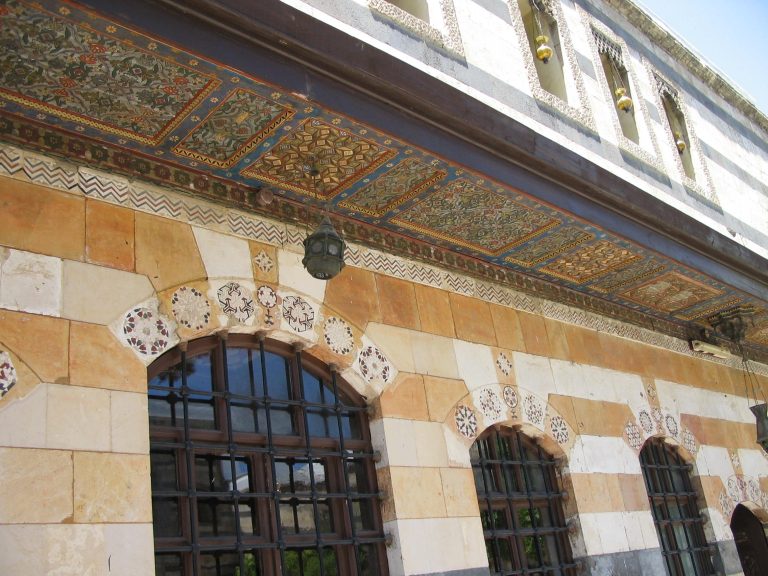
Beit al-Aqqad decorative photo: upyernoz / Wikimedia Commons · CC BY 2.0.
Full-day programme · approximately 9 AM–5 PM
The eight-hour house-by-house itinerary
This suggested route gives you a full day to discover the houses. The exact schedule can be adjusted to the sites’ opening hours and your interests.
Qawatli & Jazaar → Azm Palace → Aqqad House → lunch at Beit Jabri → Nizam & Qabbani → Beit Farhi → Maktab Anbar → courtyard café.
Qawatli Mansion & Jazaar House
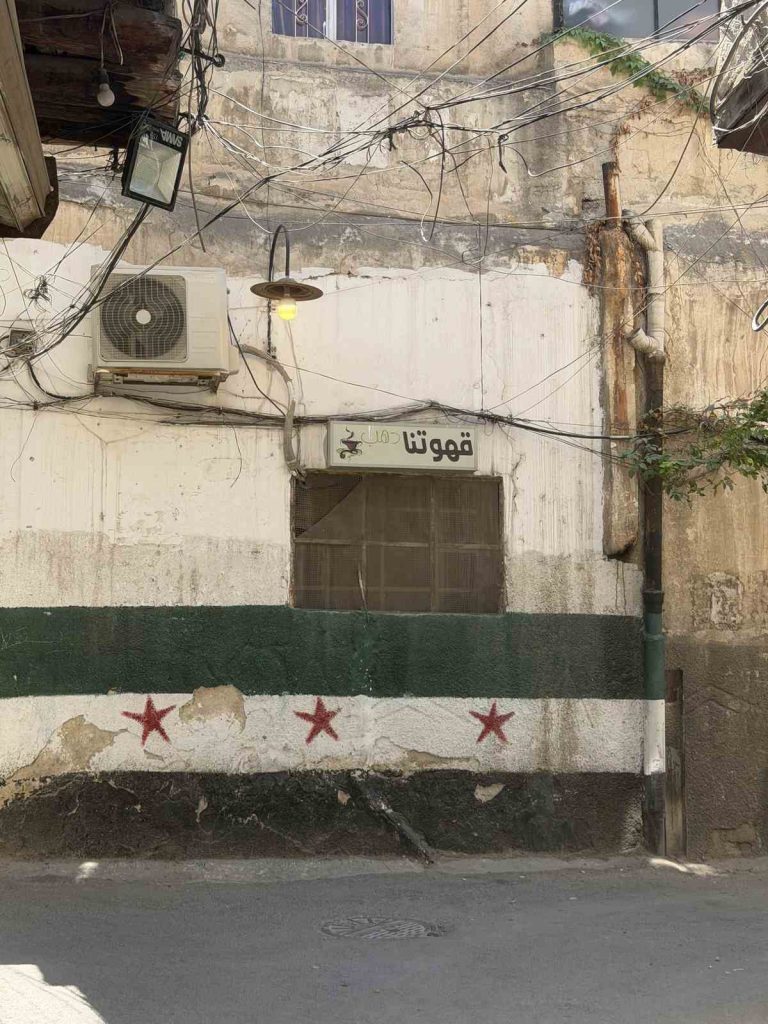
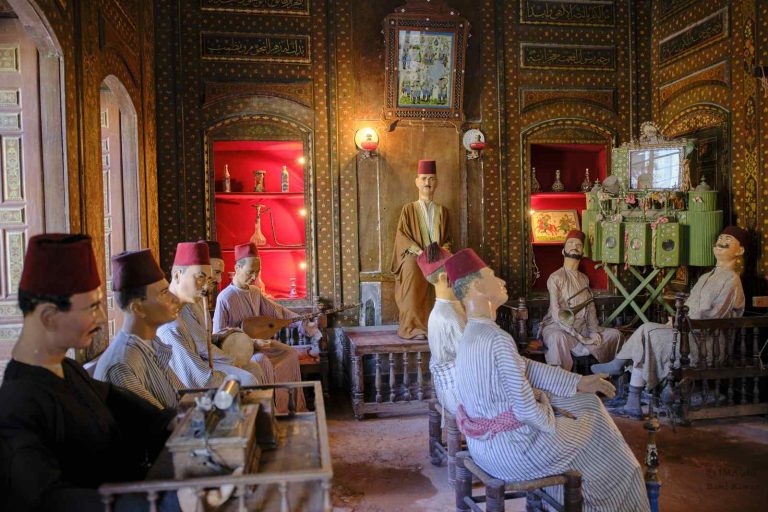
Begin among the grand residences of Old Damascus, where remarkable courtyards and reception halls reveal the lives of influential local families. At Beit al-Quwatli, discover the connection to the family of Shukri al-Quwatli, Syria’s first president after independence. Continue with stories associated with Jazaar House and the architecture of the surrounding lanes.

Azm Palace
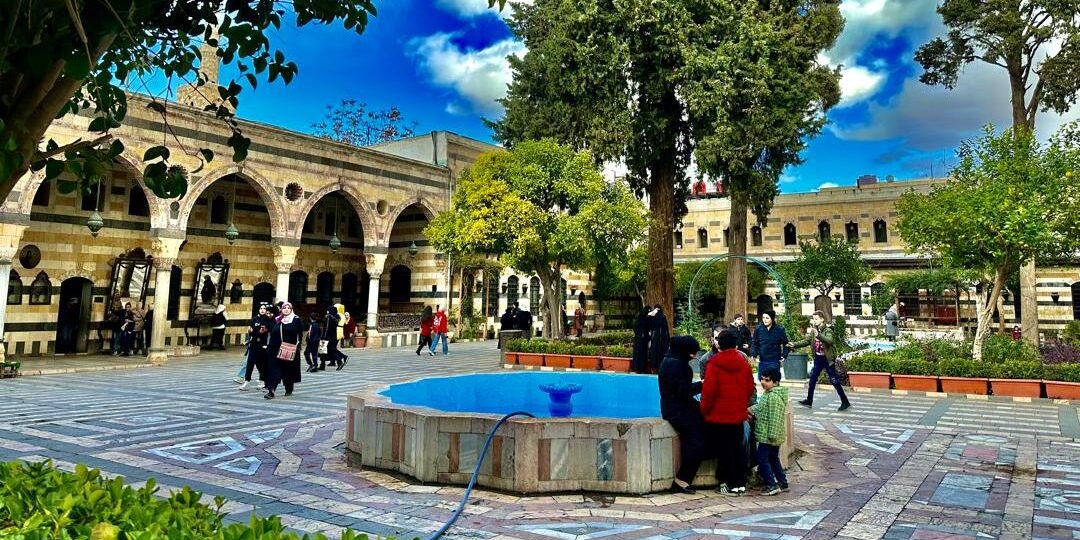
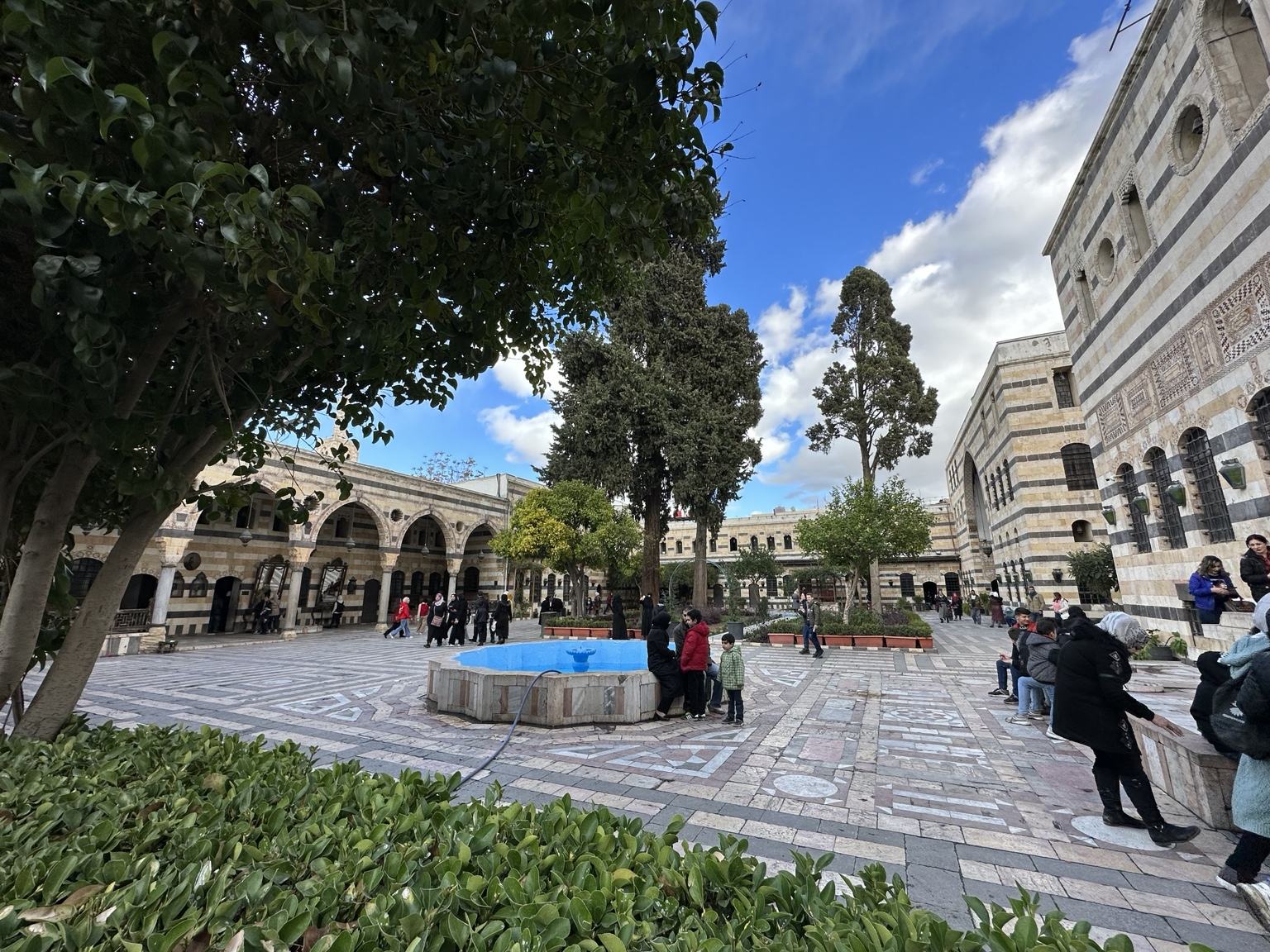
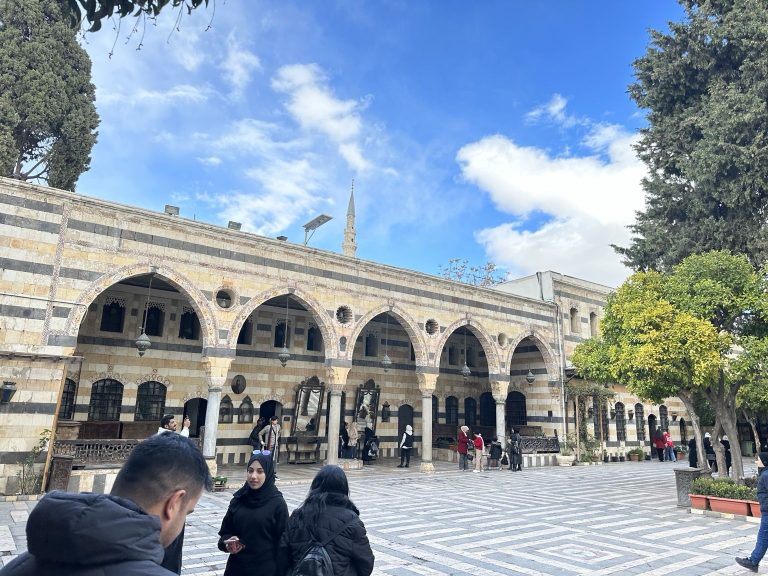
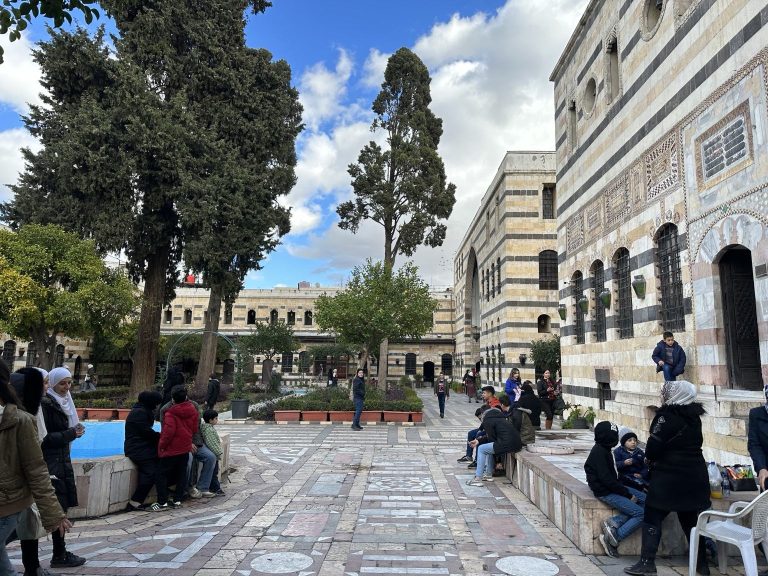
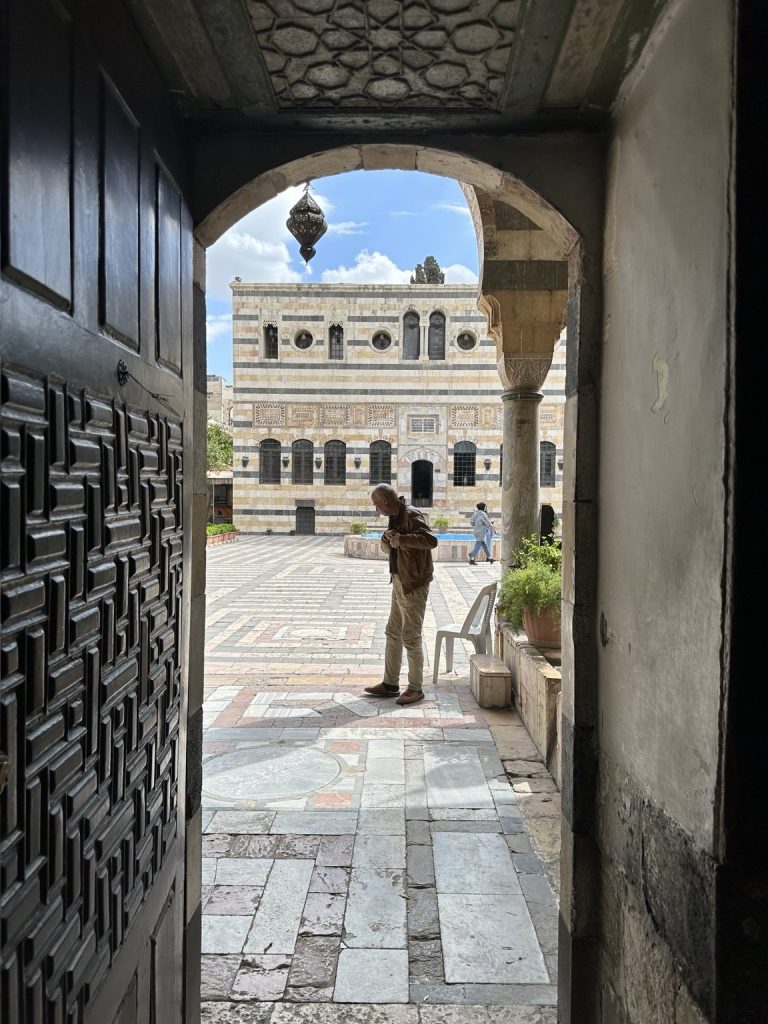
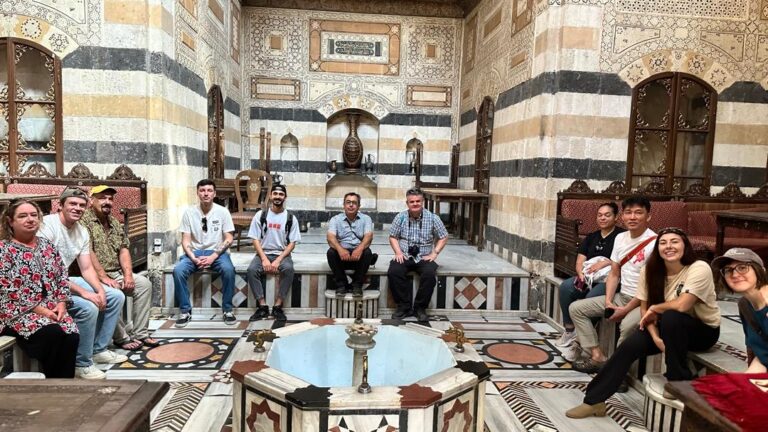
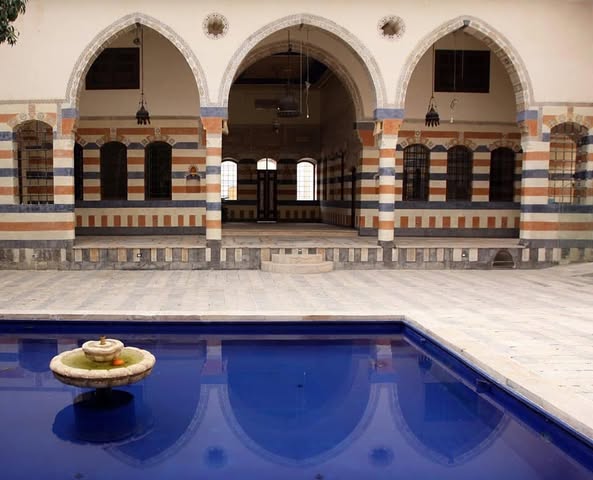
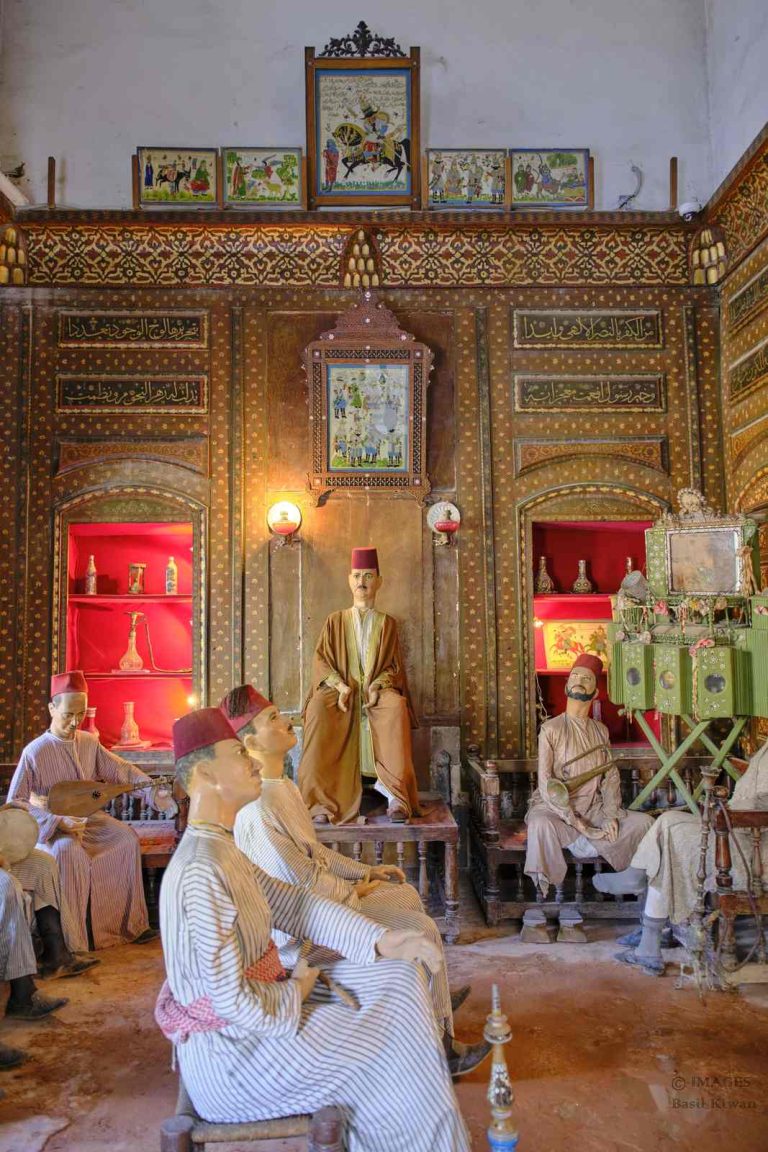
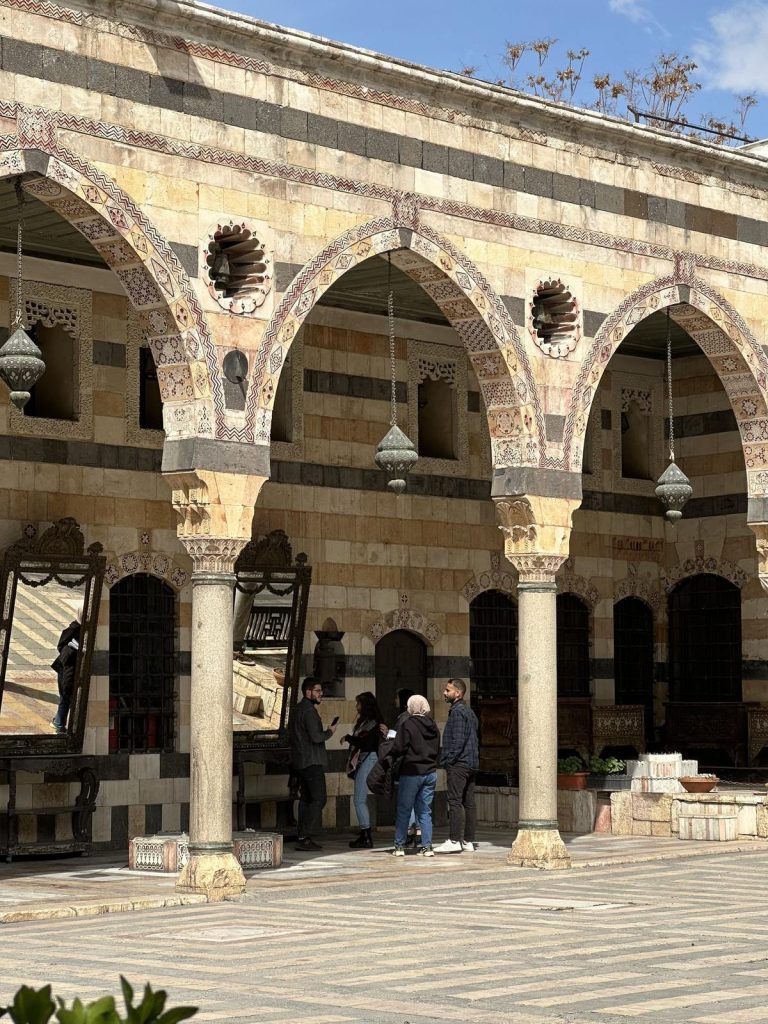
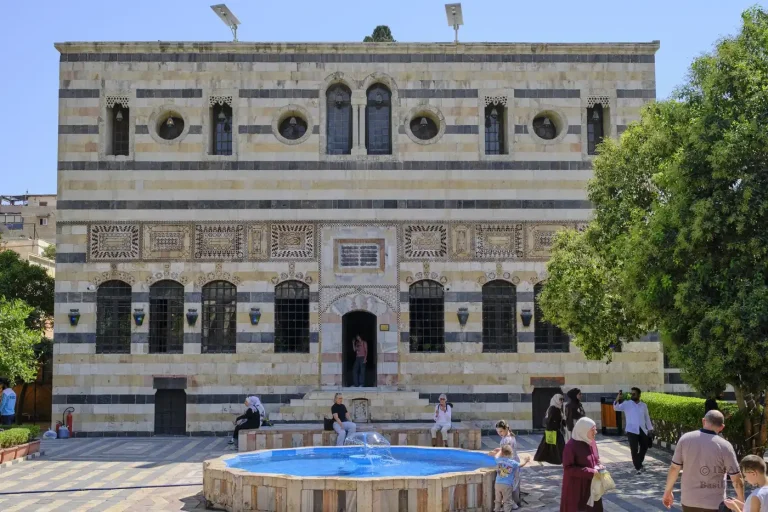
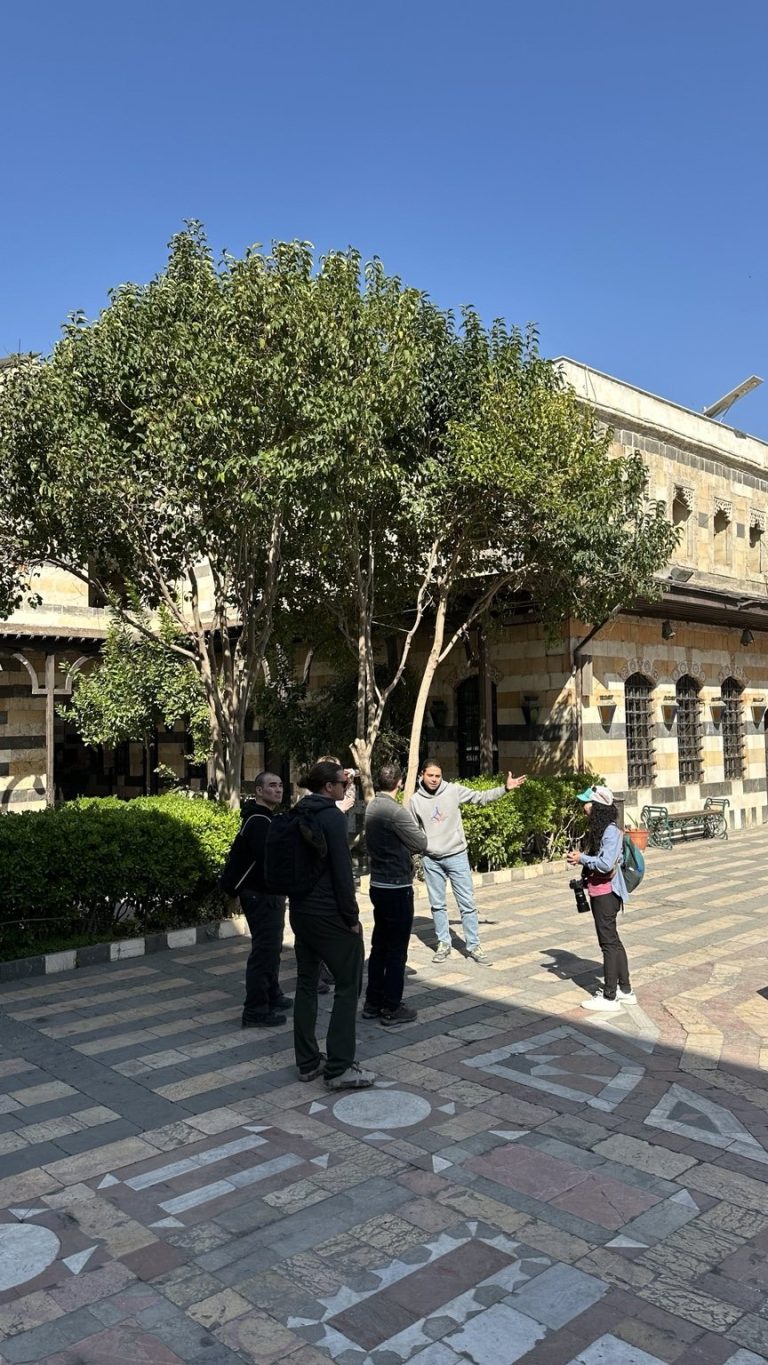
At one of Damascus’s finest surviving urban palaces, trace the journey from public entrance to intimate courtyard. Look closely at black-and-white ablaq masonry, fountains, shaded arcades, decorative interiors and the planning of reception, family and service areas. It is a key to understanding the architectural language of the houses that follow.
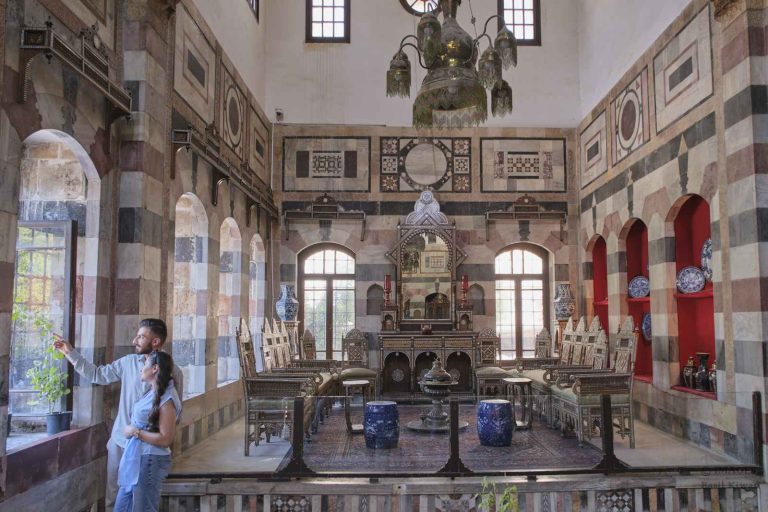
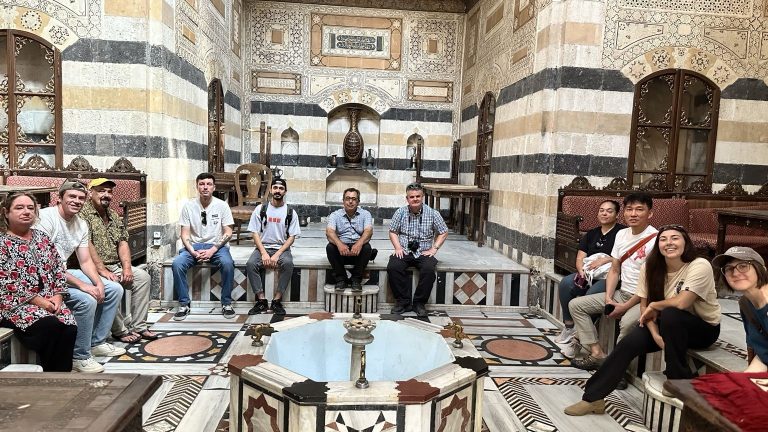
Aqqad House
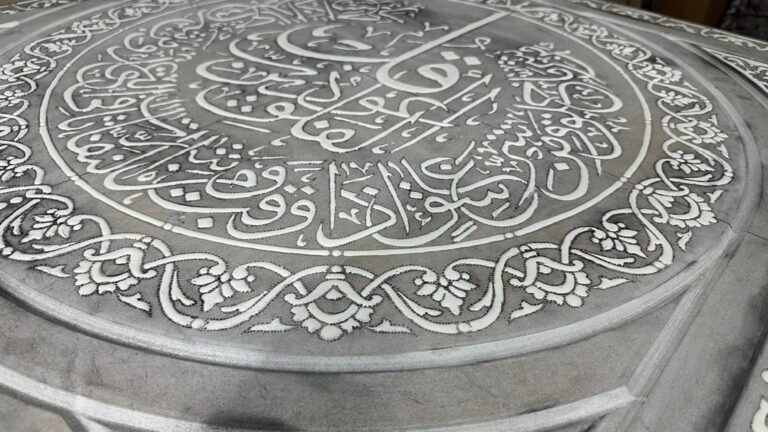
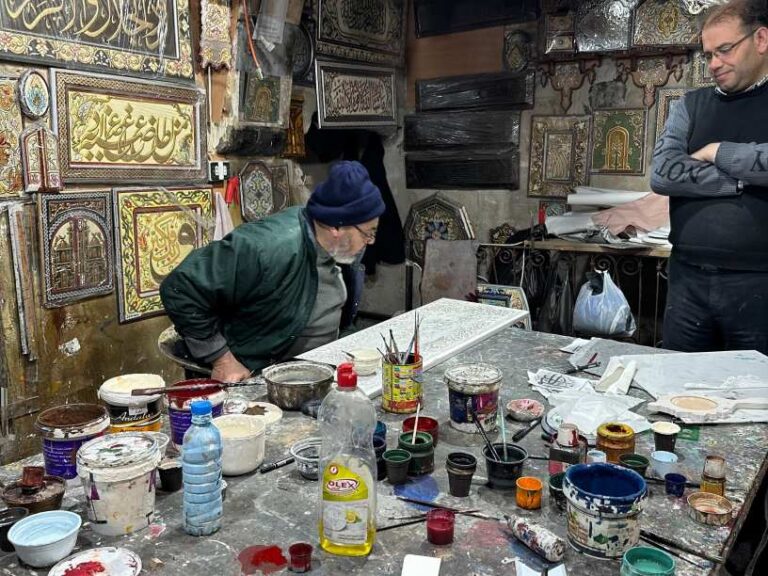
Step into the architectural story of Beit al-Aqqad, a celebrated restored Damascene merchant house associated with the Danish Institute. Its centuries-old layers include richly decorated stone façades, an elegant courtyard and remarkable reception rooms. Discover how craftsmanship and careful restoration preserve the character of this extraordinary residence.
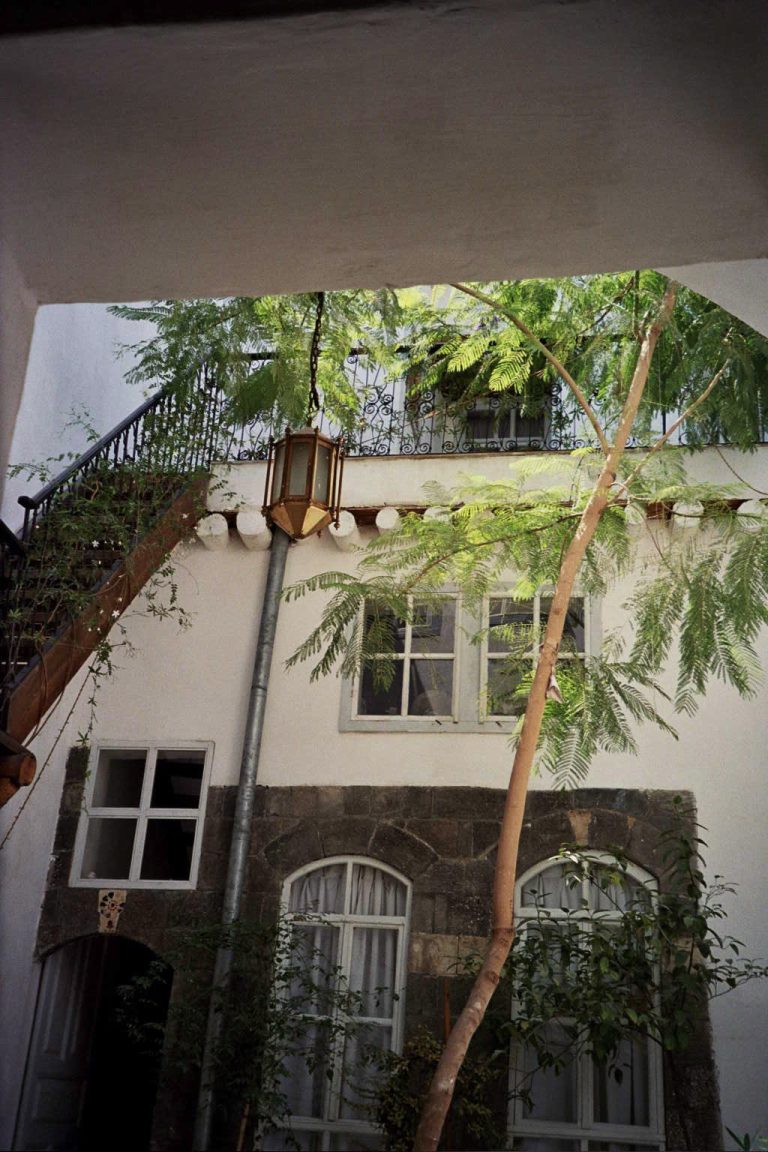
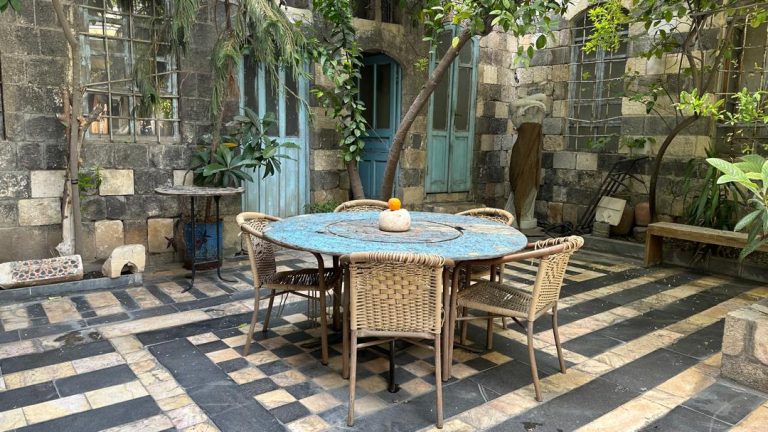
Lunch in a traditional courtyard
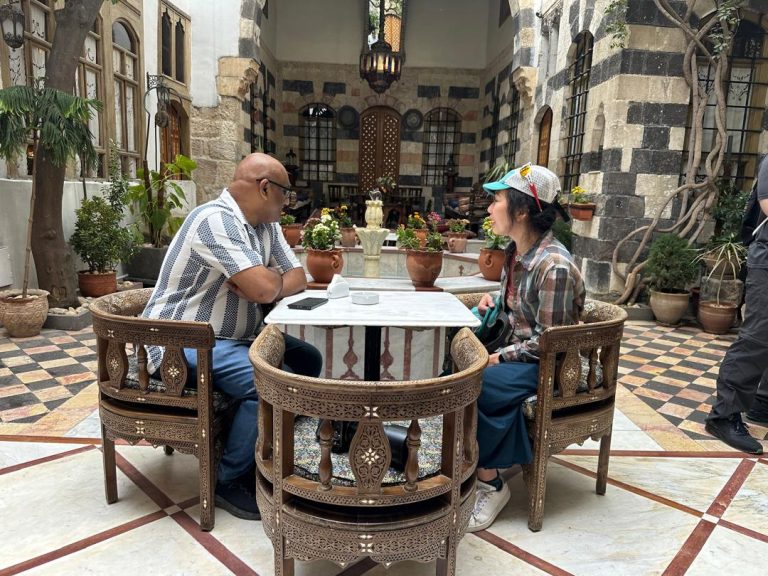
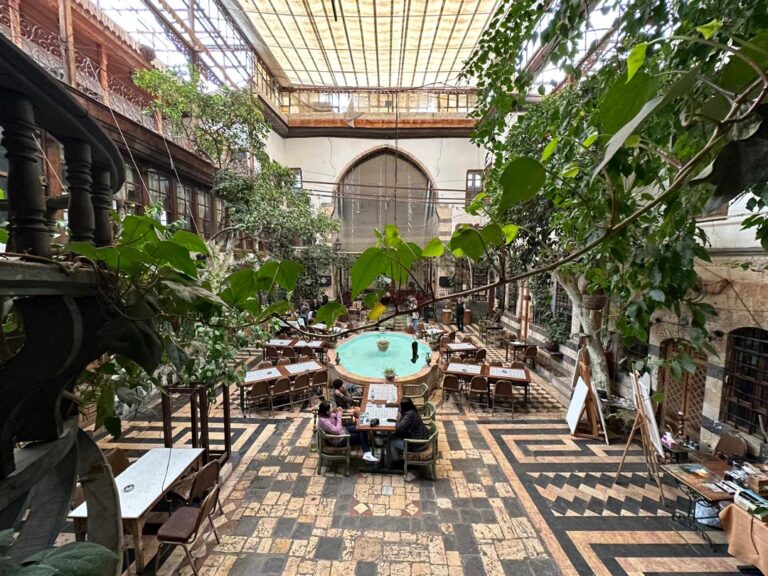
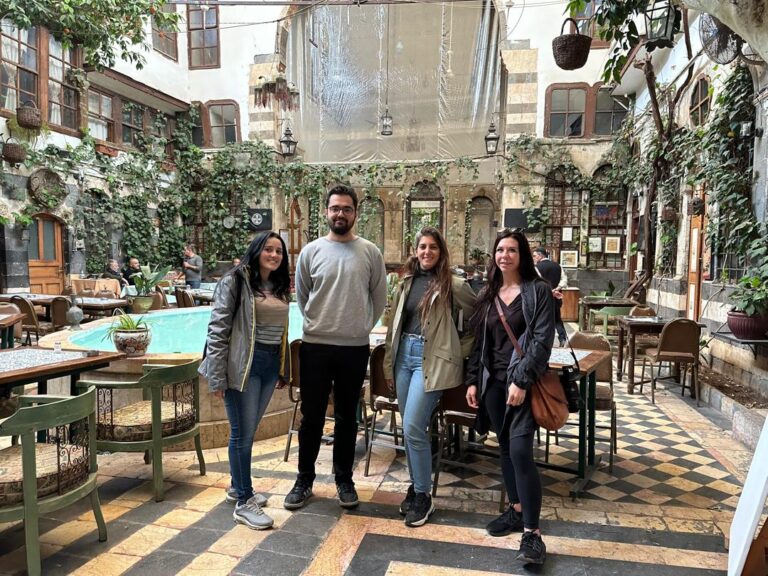
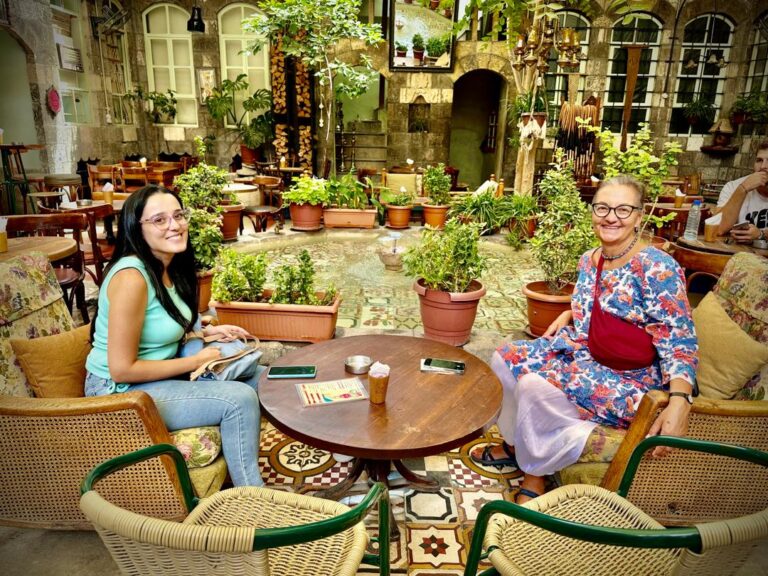
Enjoy lunch at Beit Jabri, one of the Old City’s best-loved courtyard restaurants. Surrounded by traditional Damascene architecture, settle in for mezze and Syrian specialities beneath the greenery of the historic house.
Nizam House & the Qabbani Home
The afternoon moves from the domestic world of a distinguished Damascene household to the legacy of the celebrated poet Nizar Qabbani. Discuss the literary imagination of Damascus, the relationship between family space and public culture, and the ways old houses preserve memories of people as much as architecture. Interior access at both properties may be limited.
Beit Farhi in the Jewish Quarter
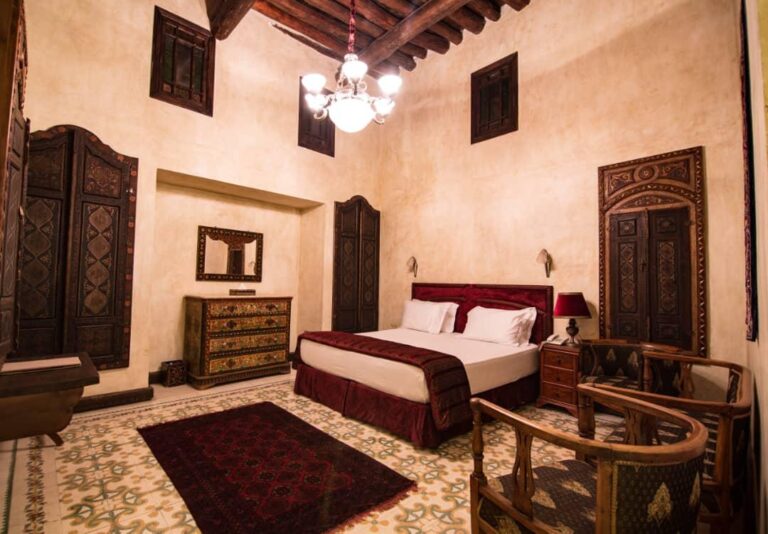
Encounter the history of Damascus’s Jewish merchant families through the extraordinary architectural heritage associated with the Farhi family. Richly decorated halls, carved ceilings and the scale of elite domestic residences reveal another strand of the city’s plural social history. Private-building access is conditional; exterior interpretation or an alternative heritage visit may be used.
Maktab Anbar — Anbar Palace & School
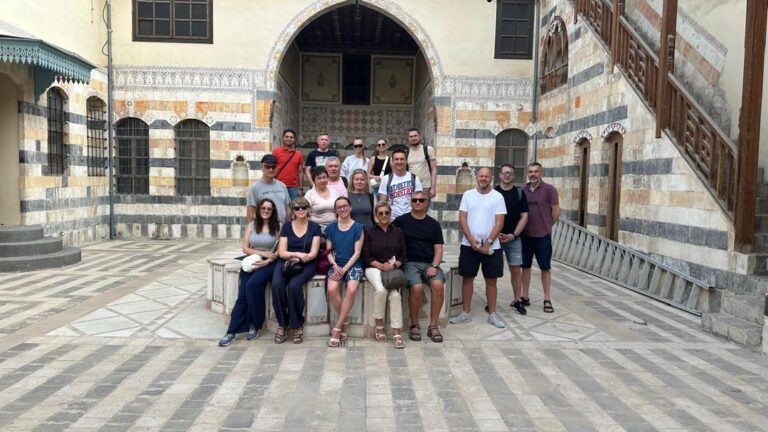
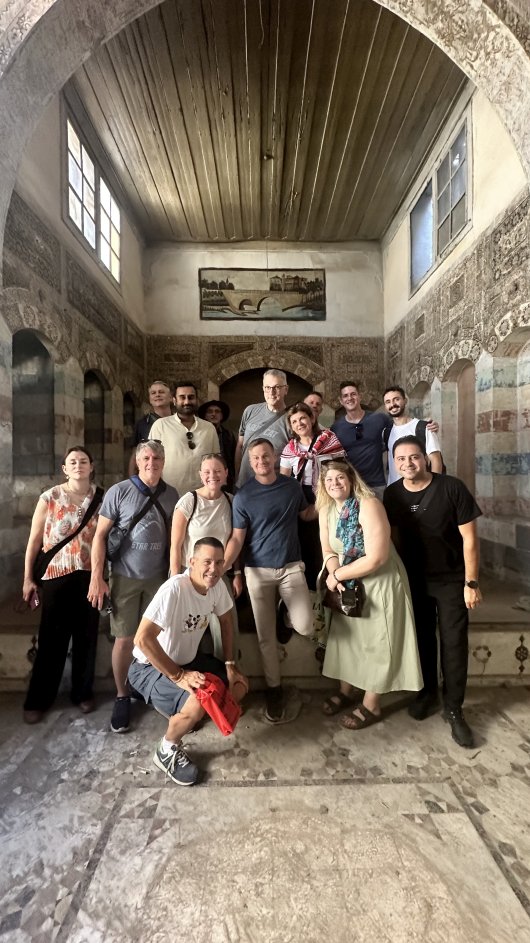
Discover the lavish nineteenth-century Anbar residence, later adapted for education. The transformation from private palace to school makes this stop especially revealing: ornate courtyards, grand reception halls and building plans show how domestic architecture could be repurposed for civic life. Your guide will connect the structure with the broader modernization of Damascus.

A courtyard café finale
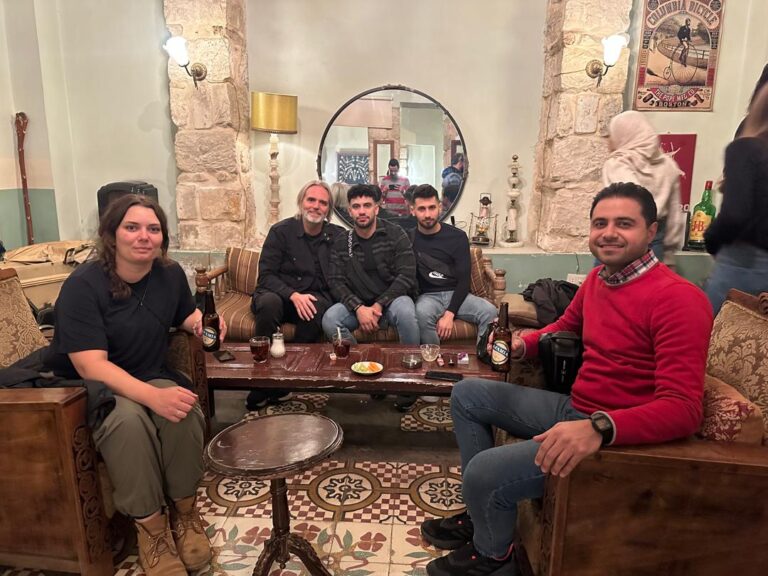
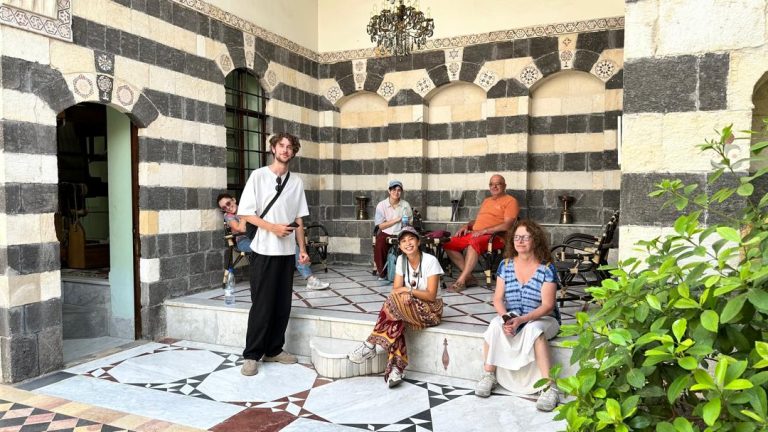
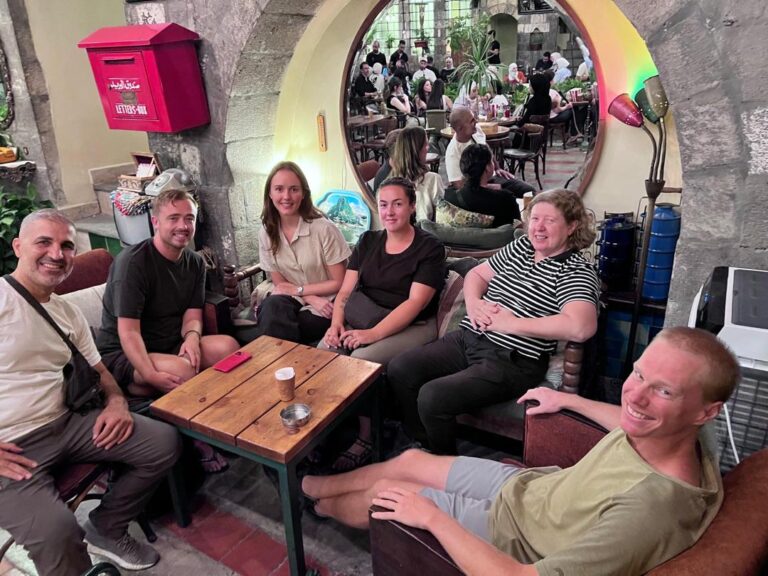
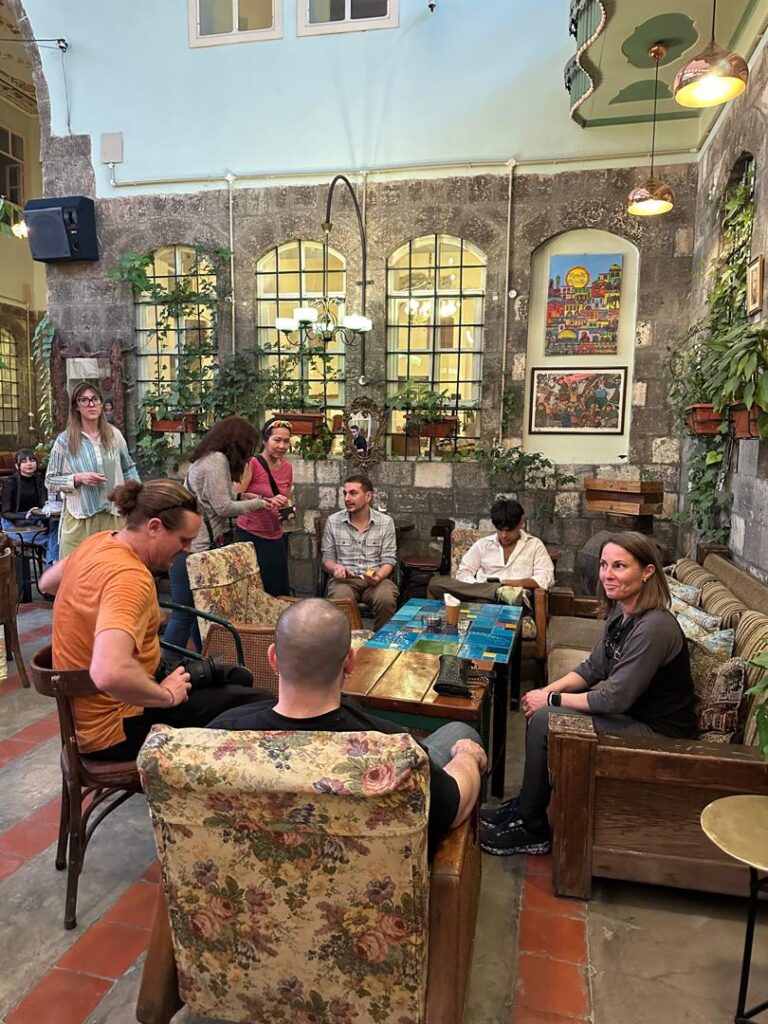
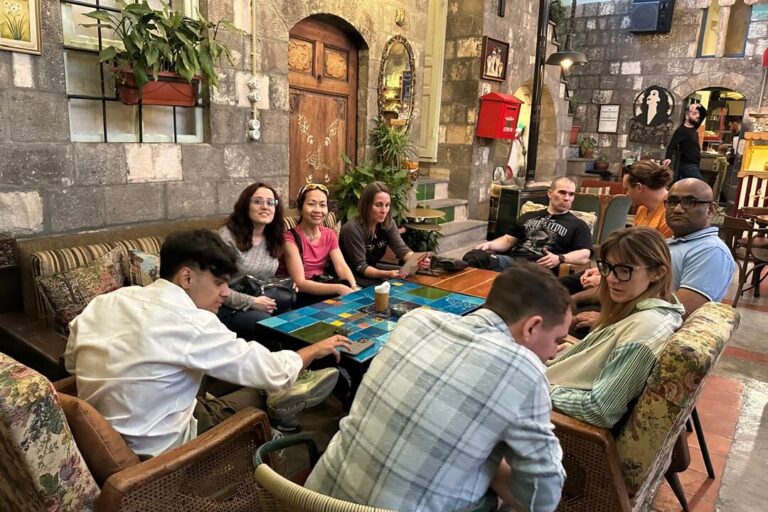
Finish with coffee, lemonade or a refreshing local drink in a traditional Old Damascus café. After exploring private houses, palaces and restored interiors, take time to appreciate how the city’s historic courtyards remain places for conversation and everyday life.

Details worth slowing down for
Read the language of the Damascene house.
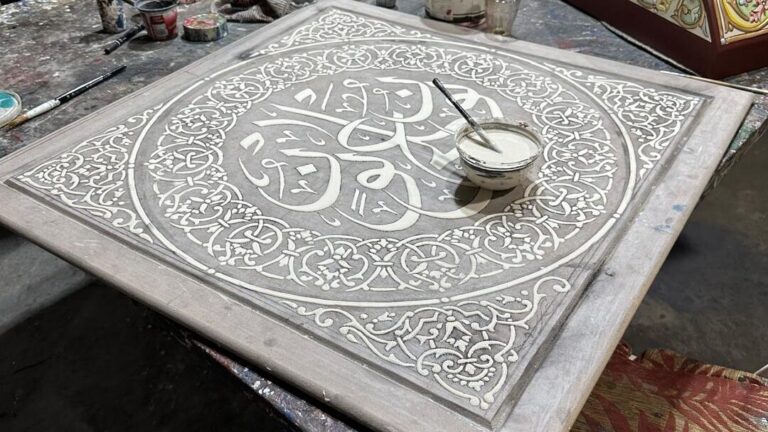
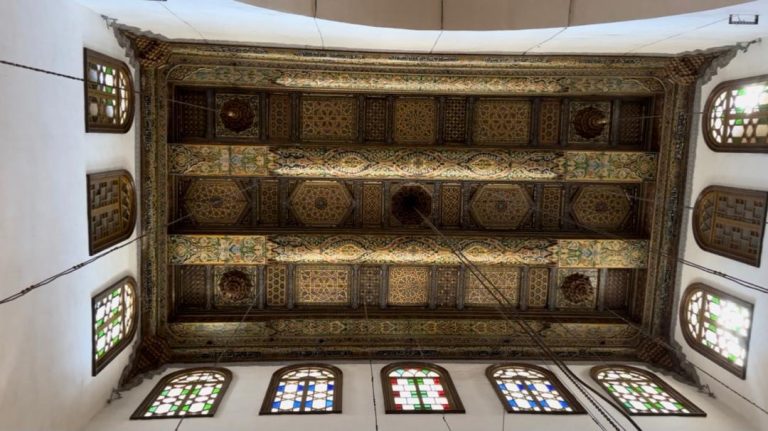
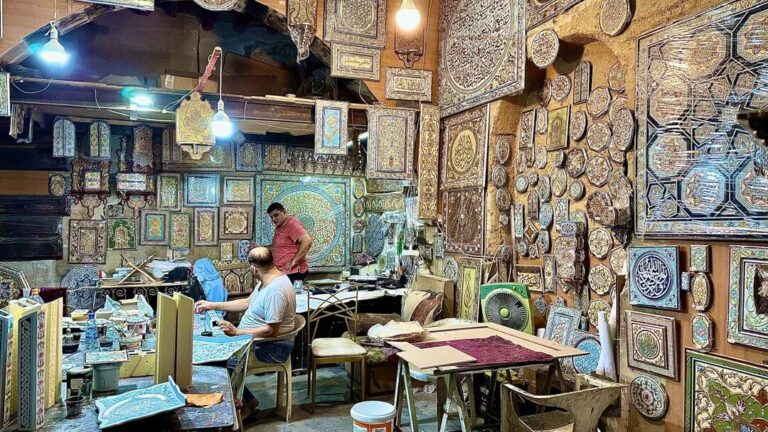
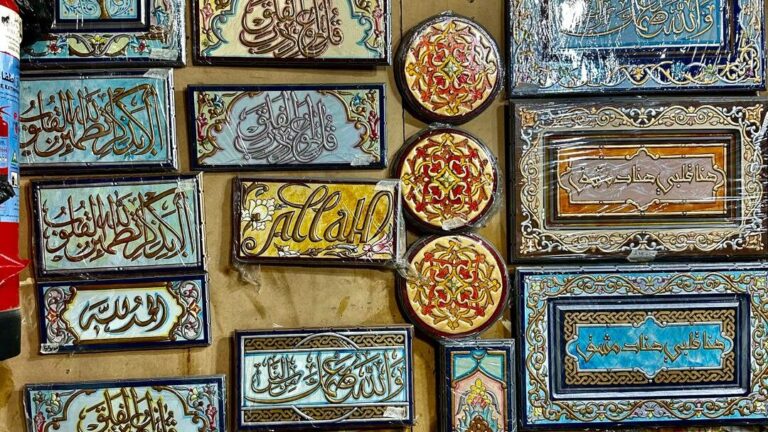
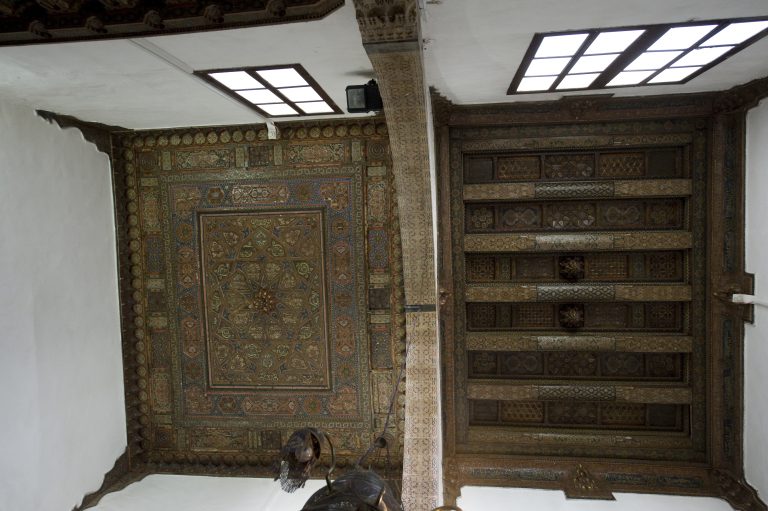
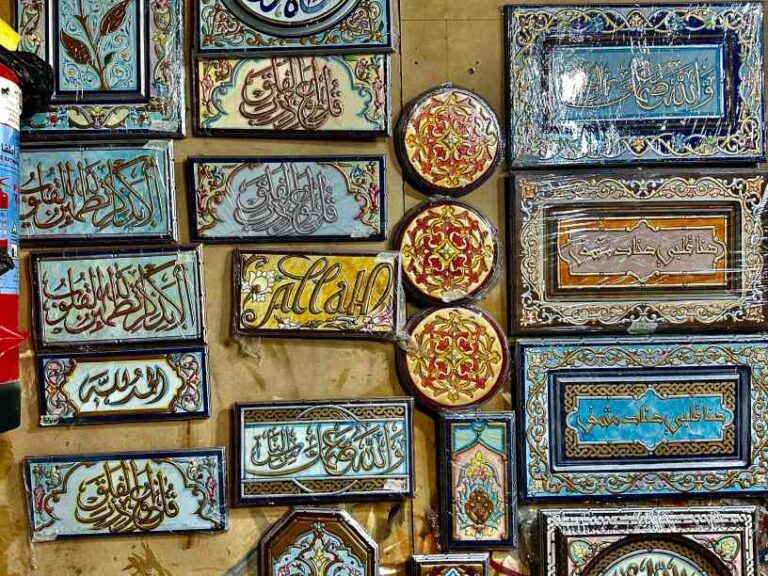
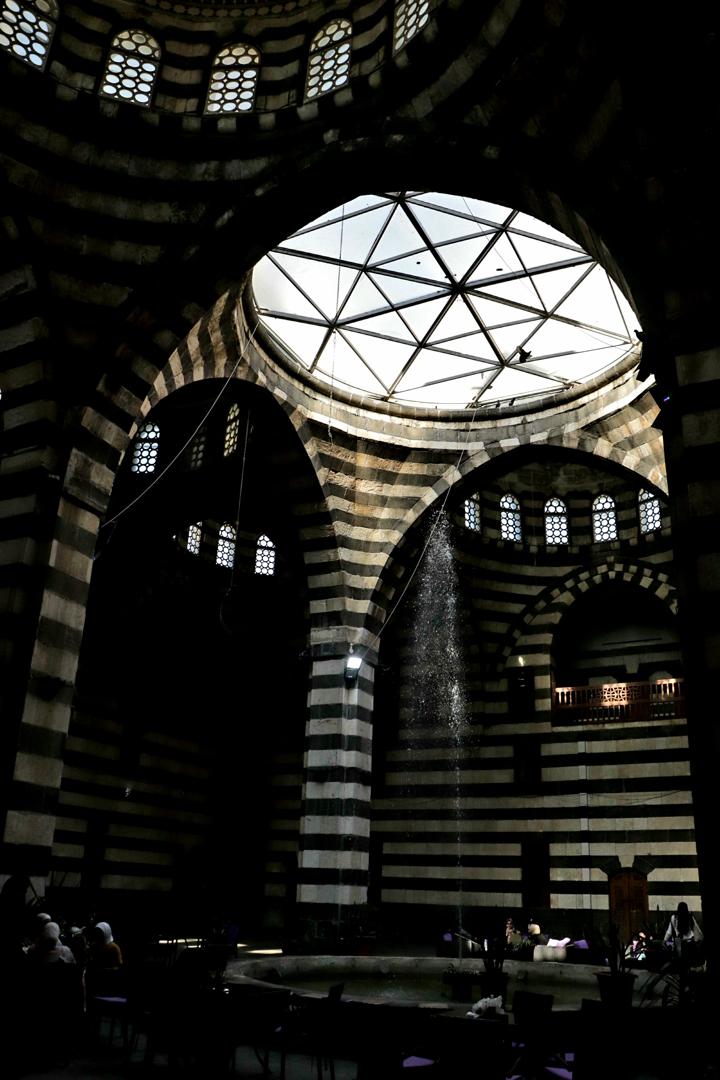
Watch for ablaq alternating stone courses, the shaded iwan, carved doors, wooden ceilings painted in traditional Ajami styles, fountains, raised reception areas, intricately patterned windows and the way each household separates public hospitality from private family life. Different houses speak to different generations, professions and communities.
Planning your visit
What the day includes
Proposed inclusions
- Private English-speaking local guide with an interest in architectural and social history
- Full-day guided walking programme
- Entry fees for confirmed accessible heritage sites
- Lunch at Beit Jabri, subject to availability
- Bottled drinking water
- One coffee or local drink at the final café stop
Your personalised quotation will confirm the included services.
Practical arrangements
- Suggested meeting area: near the Umayyad Mosque in Old Damascus; exact entrance and time confirmed in advance
- Comfortable shoes recommended for stone lanes and uneven historic surfaces
- Some houses have steps and may not be fully accessible
- Hotel transfers, tips, personal purchases and travel insurance are not included unless stated in your quotation
- Privately owned properties require advance permission; alternatives will be discussed before your date
Good to know
Questions about the tour
Can we enter every historic house listed?
Not necessarily. Some houses are privately owned or have changing opening arrangements. We will check what can be entered and confirm any substitutes or exterior-only visits before finalising your itinerary.
How long does the tour take?
The experience takes approximately eight hours, including lunch and a relaxed café stop.
Can the walk focus more on architecture or family stories?
Yes. Your guide can give more attention to architectural details, household life, conservation, poetry, or the stories of the city’s Muslim, Christian and Jewish communities.
Are lunch and café drinks included?
The tour includes a proposed lunch at Beit Jabri and a café stop; details are confirmed in your private quotation.
Where do we meet?
Near the Umayyad Mosque in the Old City. We will send an exact meeting point after confirming your booking.
Syria tours beyond the beaten path
Discover the Damascus behind its doors.
Tell us your preferred date, number of travellers and architectural interests. We’ll confirm which houses can be visited, propose the final route and send a personal quote for this full-day experience.
Request a private quoteContact Syrian GuidesNo private-house access or price is guaranteed until the itinerary is reconfirmed.