
Syria has begun rolling out a new version of the Syrian pound as part of a national currency relaunch that started on January 1. The change is mainly a redesign and a “re-denomination,” meaning two zeros are removed from the old notes. In simple terms, one new Syrian pound equals 100 old Syrian pounds. The government says this is meant to make prices and payments easier to handle, not to magically change the economy overnight.
For the next period, visitors should expect a transition where both the old and new banknotes can appear in daily life. Officials have described a dual-circulation phase of around 90 days, with the option to extend it if needed. During this time, many businesses are expected to show prices in both versions so people do not get confused.
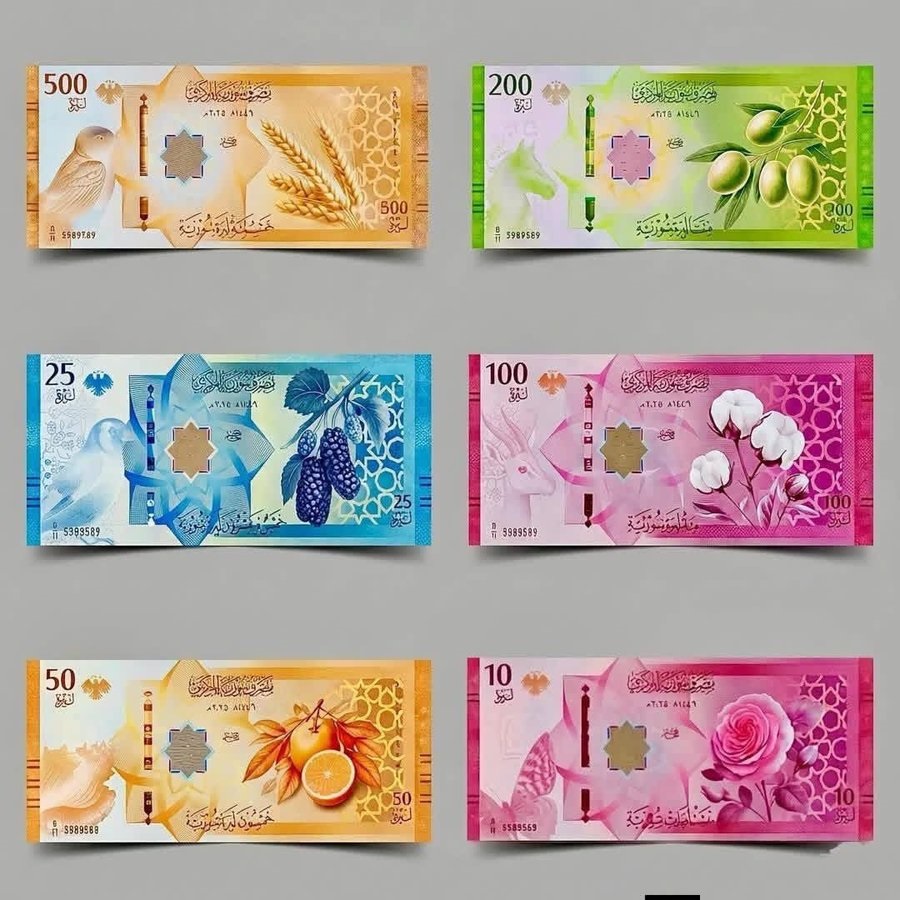
The most visible change for tourists will be the design. The new notes move away from political portraits and instead highlight Syrian nature, agriculture, and everyday life. The idea is to show symbols that feel shared across the country: plants, animals, and local products. The notes are also presented as more modern in their printing and security features, and they include touches that help visually impaired people recognize denominations by feel.
The new banknotes and what the symbols represent
Syria’s first set includes six paper banknotes that most visitors are likely to see:
- 10 pounds: a Damask rose and a butterfly, reflecting Syria’s famous flowers and a theme of renewal.
- 25 pounds: a Damask mulberry tree and a swallow, linking to local trees, seasons, and movement across the region.
- 50 pounds: citrus, pointing to Syria’s agricultural identity and coastal orchards.
- 100 pounds: a cotton flower and a reem gazelle, combining farming heritage with native wildlife.
- 200 pounds: an olive tree and an Arabian horse, symbols strongly tied to Syrian land, tradition, and rural life.
- 500 pounds: a house sparrow and wheat ears, simple symbols of daily Syrian life and staple crops.
For travelers, the key takeaway is simple: you may see new colorful notes alongside older ones for a while, and prices may be written in two formats during the transition. The currency is changing its “shape” and counting system — but it is still the Syrian pound.
To know more about money in Syria, refer to our Syria Money guide.
Resources
- Syrian Arab News Agency (SANA) coverage of the new currency framework, conversion rate, and 90-day dual circulation الوكالة العربية السورية للأنباء – سانا
- Syria TV explainer on start date, dual-circulation period, and rollout phases of denominations تلفزيون سوريا
- Reuters report on the January 1 launch and replacement of Assad-era banknotes Reuters
- Al Hadath summary listing each new banknote and its symbols Alhadath
- BBC Arabic reporting (mirrored) on the removal of Assad imagery and the new nature-based drawings شفق نيوز
- CNN Business Arabic overview of the new designs and their focus on natural and economic symbols cnnbusinessarabic.com